Hemp Hearts in Hindi: Complete Nutrition & Wellness Guide
Article Summary
Hemp Hearts in Hindi: Complete Nutrition & Wellness Guide Did you know that just three tablespoons of hemp hearts contain more protein than an equivalent serving of chia or flax seeds, along with all nine essential amino acids your body cannot produc...
Did you know that just three tablespoons of hemp hearts contain more protein than an equivalent serving of chia or flax seeds, along with all nine essential amino acids your body cannot produce on its own? As plant-based nutrition gains momentum across India, hemp hearts—known as भांग के बीज (bhang ke beej) or सन के बीज (san ke beej) in Hindi—have emerged as one of the most complete and versatile superfoods available. This comprehensive guide explores everything you need to know about hemp hearts in Hindi, from their nutritional profile and health benefits to practical usage tips and legal status in India.
Disclaimer: This article is for informational purposes only and does not constitute medical advice. Always consult a qualified healthcare professional before starting any new supplement or treatment. Cannabis-based products may require a prescription in India under NDPS Act regulations. Book a consultation with our panel doctors for personalized guidance.
Whether you're a fitness enthusiast seeking plant protein, a parent looking for nutritious food options, or someone exploring Ayurvedic and traditional wellness practices, understanding hemp hearts can open doors to a richer, healthier diet. Let's dive into the science, tradition, and practical applications of this ancient superfood now reclaiming its place in modern Indian kitchens. You can explore a wide range of certified hemp nutrition products to get started on your wellness journey.
What Are Hemp Hearts? Understanding भांग के बीज
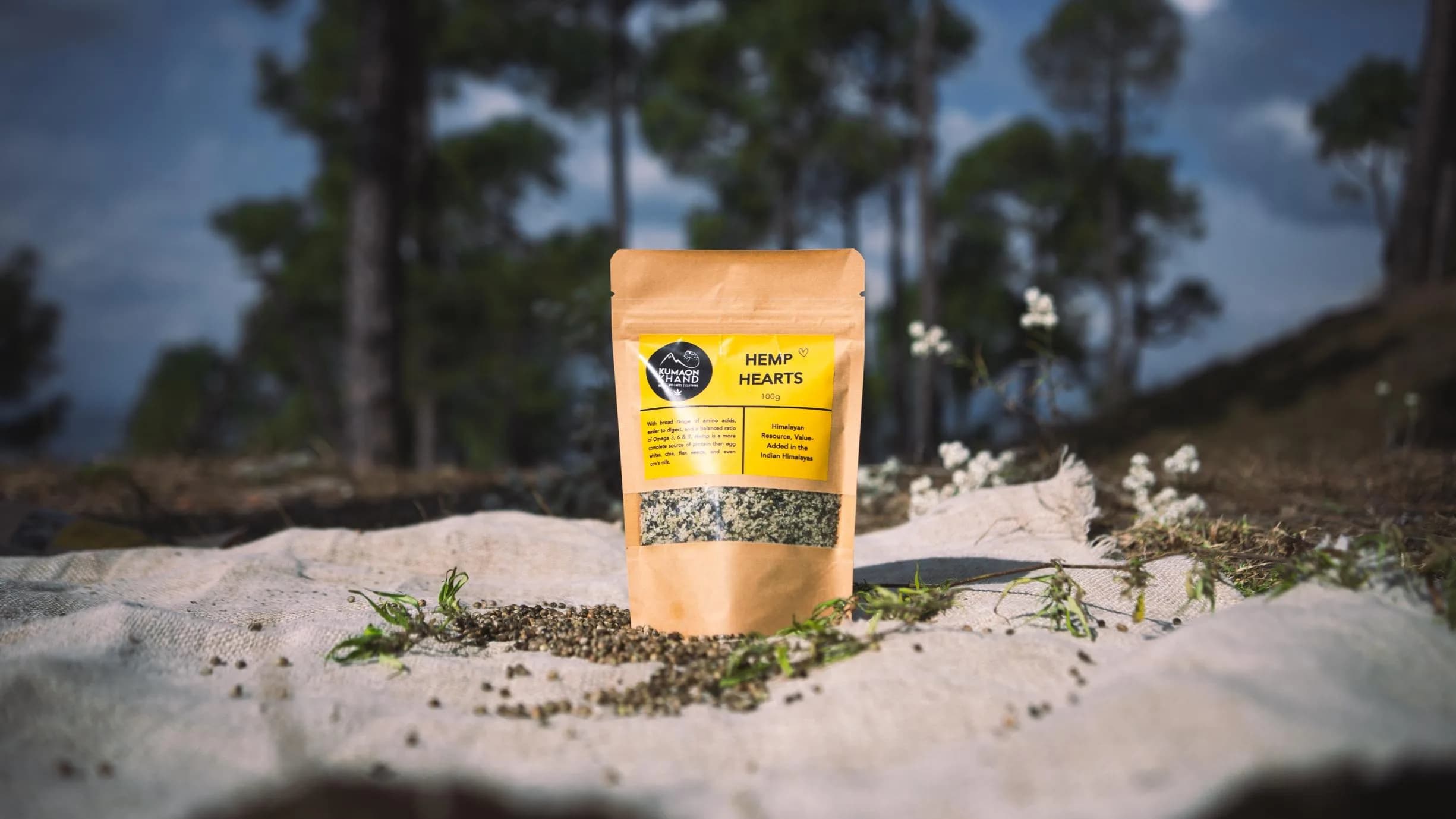
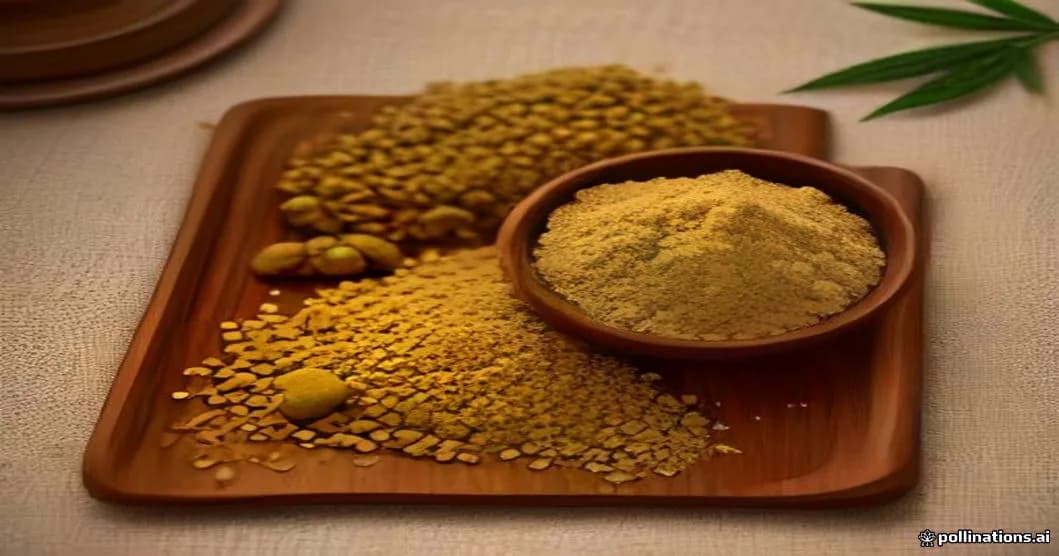
Hemp hearts are the soft, nutrient-dense inner kernels of hemp seeds (Cannabis sativa L.) with the hard outer shell removed. While the whole hemp seed is edible, removing the crunchy hull creates a creamy, slightly nutty product that blends seamlessly into smoothies, yogurt, salads, and Indian dishes like dal, sabzi, and paratha dough.
In Hindi, hemp hearts are most commonly called भांग के बीज (bhang ke beej), though regional names vary. It's important to distinguish hemp hearts from bhang leaves or flowers: hemp seeds come from industrial hemp varieties bred specifically for nutrition and contain negligible psychoactive compounds. The seeds have been consumed across India for centuries in traditional preparations, Ayurvedic formulations, and festive foods.
Unlike whole hemp seeds, which have a fibrous shell that some people find difficult to chew, hemp hearts have a soft texture similar to pine nuts or sunflower seed kernels. This makes them exceptionally versatile for all age groups—from toddlers to seniors—and easy to incorporate into daily meals without any special preparation. For a deeper dive into the broader benefits of hemp seeds, read our guide on hemp seed benefits for India.
Nutritional Profile: Why Hemp Hearts Are a Complete Superfood
Hemp hearts stand out in the plant-based nutrition world because they offer a rare trifecta: complete protein, optimal fatty acid ratios, and rich mineral content. Here's a detailed breakdown of what three tablespoons (approximately 30 grams) of hemp hearts provide:
| Nutrient | Amount per 30g | Key Benefit |
|---|---|---|
| Protein | 10g (complete protein) | Muscle repair, immune function |
| Omega-3 (ALA) | 2.5g | Heart health, brain function |
| Omega-6 (LA) | 7.5g | Skin health, hormone balance |
| Magnesium | 300mg (75% DV) | Muscle relaxation, sleep quality |
| Iron | 3.9mg (22% DV) | Oxygen transport, energy |
| Zinc | 3mg (27% DV) | Immune support, skin repair |
| Vitamin E | 0.3mg | Antioxidant protection |
| Fiber | 1g | Digestive health |
What makes hemp hearts truly unique is their complete protein status. They contain all nine essential amino acids in sufficient quantities, a rarity among plant sources. Research published in the Journal of Agricultural and Food Chemistry (Callaway, 2004) confirms that hemp protein is highly digestible—between 85-95%—comparable to animal proteins and superior to many legumes.
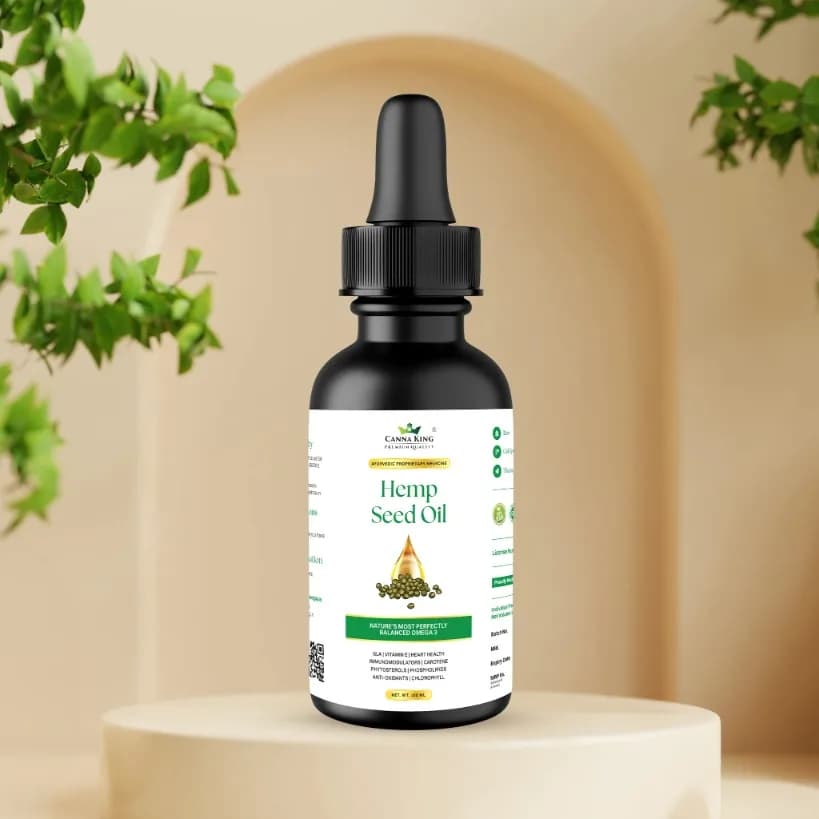
The 3:1 ratio of omega-6 to omega-3 fatty acids in hemp hearts aligns closely with recommendations from the World Health Organization for optimal cardiovascular and inflammatory health. This balance is difficult to achieve from diet alone, especially for vegetarians and vegans. For those interested in the broader benefits of hemp seed oil, our detailed guide on hemp seed oil benefits offers additional insights.
Top 10 Science-Backed Health Benefits of Hemp Hearts (भांग के बीज के फायदे)
1. Complete Plant Protein for Muscle Building and Repair
Hemp hearts are one of the few plant foods that provide all essential amino acids, making them ideal for athletes, bodybuilders, and anyone looking to meet protein needs without animal products. A study in the European Journal of Nutrition (Wang et al., 2008) found that hemp protein supports muscle protein synthesis comparably to whey in controlled settings.
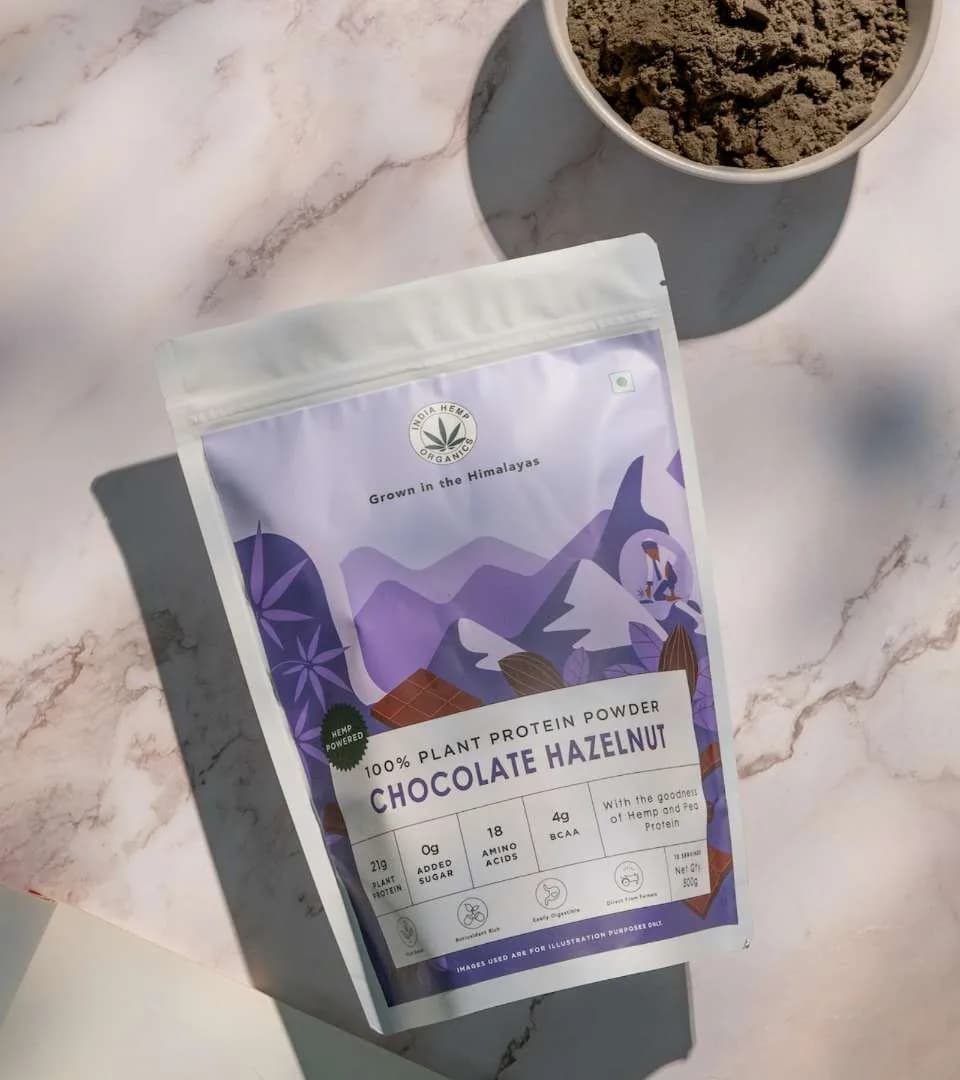
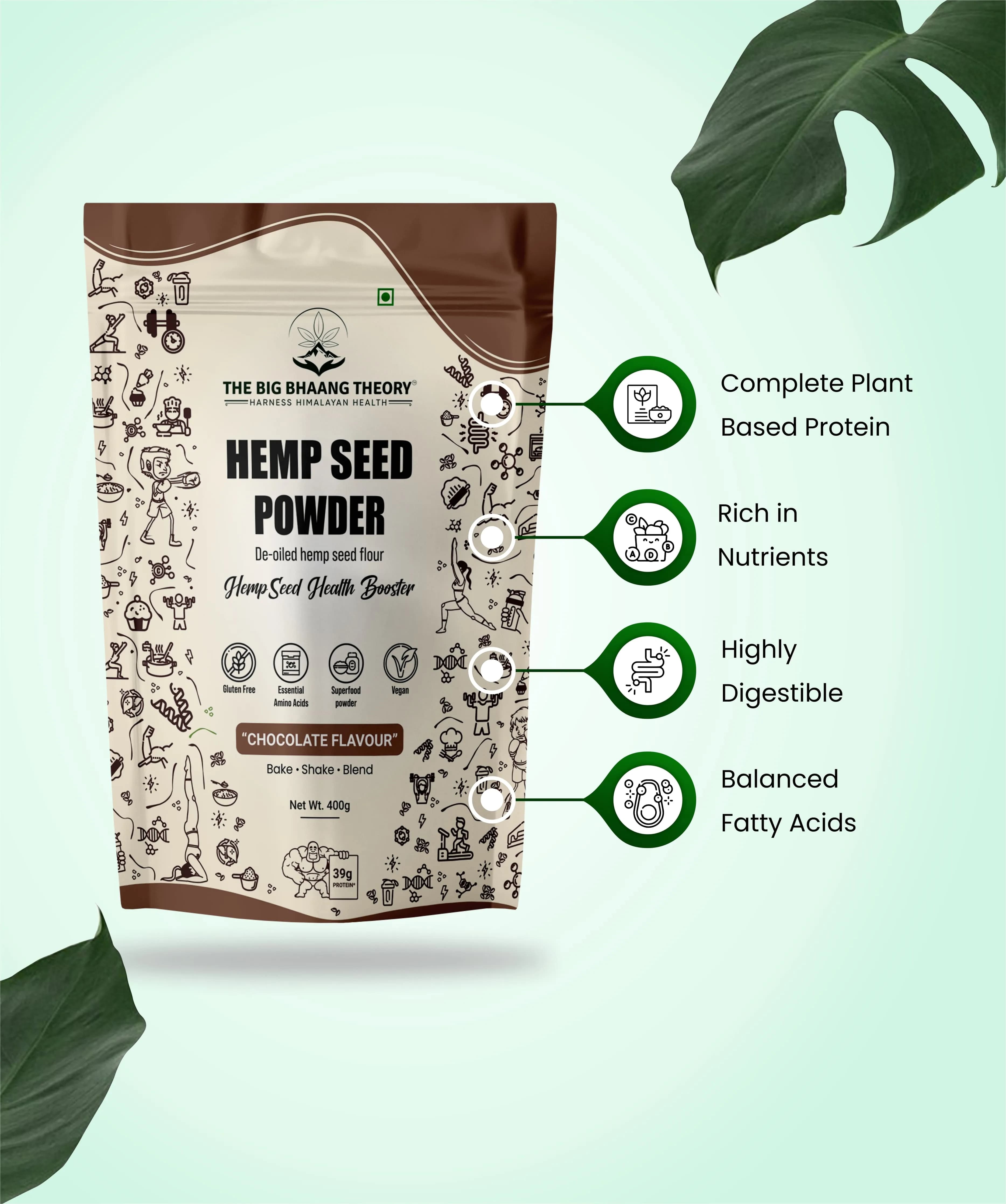
For those following vegetarian or vegan diets in India, where dal and legumes are staples but may lack certain amino acids, hemp hearts offer a convenient protein boost. Try our Hemp Seed Powder - Chocolate for a delicious post-workout shake.
2. Heart Health and Cholesterol Management
The arginine content in hemp hearts converts to nitric oxide in the body, helping blood vessels relax and potentially lowering blood pressure. Research in Nutrition & Metabolism (Rodriguez-Leyva et al., 2010) demonstrated that hemp seed consumption reduced blood pressure and improved cholesterol profiles in participants over 12 weeks.
The optimal omega-3 to omega-6 ratio also supports cardiovascular function by reducing inflammation and oxidative stress, two key contributors to heart disease—a leading health concern in India.
3. Skin Health and Anti-Aging Properties
Hemp hearts are rich in gamma-linolenic acid (GLA), an omega-6 fatty acid known to support skin barrier function and reduce inflammation. A clinical trial published in the Journal of Dermatological Treatment (Callaway et al., 2005) showed that dietary hemp seed oil improved symptoms of atopic dermatitis (eczema) in 20 weeks.
The vitamin E and antioxidant content also protect skin cells from free radical damage, potentially slowing signs of aging. For topical applications, explore our range of hemp personal care products.
4. Digestive Health and Regularity
While hemp hearts contain less fiber than whole seeds (since the hull is removed), they still contribute to digestive health through their healthy fat content, which aids nutrient absorption. Pairing hemp hearts with high-fiber foods like vegetables, fruits, and whole grains creates a balanced digestive support system.
5. Hormonal Balance for Women
The GLA in hemp hearts may help reduce PMS symptoms, including breast tenderness, irritability, and bloating. A study in Reproductive Health (Horrobin, 1983) suggested that GLA supplementation improved hormonal balance in women experiencing menstrual discomfort.
Many women in India incorporate hemp hearts into their daily diet during menstruation or menopause for natural hormonal support. Learn more about Ayurvedic women's wellness at our Vijaya for Women collection.
6. Immune System Support
Hemp hearts contain zinc, iron, and essential fatty acids—all critical for immune cell function and antibody production. The protein content also provides amino acids necessary for synthesizing immune molecules.
7. Brain Health and Cognitive Function
Omega-3 fatty acids, particularly alpha-linolenic acid (ALA) found abundantly in hemp hearts, are precursors to EPA and DHA, the building blocks of brain cell membranes. Research in Nutritional Neuroscience (Schwab et al., 2006) links higher ALA intake with improved cognitive performance and reduced risk of neurodegenerative conditions.
8. Blood Sugar Regulation
Hemp hearts have a low glycemic index and high protein and fat content, which slows glucose absorption and helps stabilize blood sugar levels. This makes them suitable for people managing diabetes or metabolic syndrome.
9. Anti-Inflammatory Properties
The combination of omega-3s, GLA, and antioxidants in hemp hearts provides systemic anti-inflammatory benefits. Chronic inflammation is implicated in many modern diseases, from arthritis to cardiovascular conditions, making hemp hearts a valuable dietary addition.
10. Weight Management and Satiety
The protein and healthy fat content in hemp hearts promotes feelings of fullness, reducing overall calorie intake. Adding hemp hearts to breakfast or snacks can curb mid-morning or afternoon cravings effectively.
Hemp Hearts in Ayurveda: Traditional Uses of भांग के बीज
Hemp (भांग or विजया in Sanskrit) has been referenced in Ayurvedic texts for over 3,000 years. While classical Ayurveda primarily discusses the leaves and flowers for medicinal purposes, hemp seeds were valued as a nutritive food (आहार or Ahara) that balances Vata dosha due to their oily, grounding nature.
According to Ayurvedic principles, hemp seeds are:
- Snigdha (unctuous):润滑the digestive tract and nourish tissues
- Balya (strength-giving): Build physical stamina and vitality
- Medhya (intellect-promoting): Support mental clarity and focus
- Vrishya (aphrodisiac): Enhance reproductive health and vigor
Traditional preparations included grinding hemp seeds with spices like cardamom, saffron, and jaggery to create energy balls (laddoos) or mixing them into milk-based drinks (thandai) during festivals. For more on Ayurvedic cannabis traditions, read our guide on Ayurvedic medical cannabis.
How to Use Hemp Hearts: Practical Tips and Recipes (भांग के बीज का उपयोग कैसे करें)
One of hemp hearts' greatest advantages is their versatility. Here are practical ways to incorporate them into your daily routine:
Simple Daily Uses
- Smoothies: Blend 2-3 tablespoons into your morning smoothie for a protein boost
- Yogurt & Oats: Sprinkle over dahi, curd, or porridge
- Salads: Toss into green salads or raita for extra crunch and nutrition
- Dals & Curries: Stir into dal tadka or vegetable curries just before serving
- Roti & Paratha: Mix hemp hearts into whole wheat dough for added protein
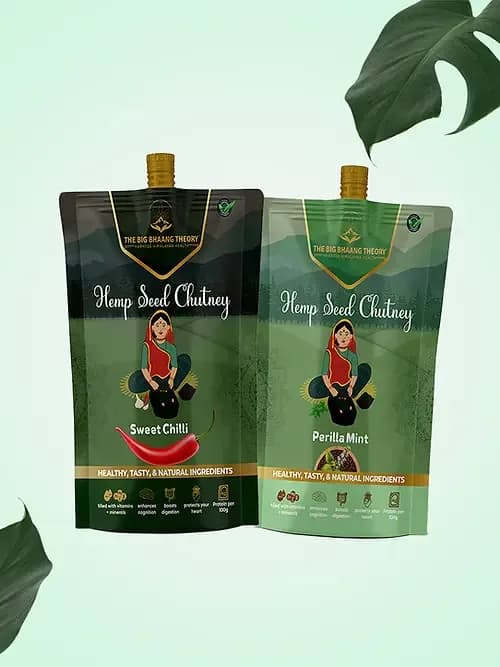
- Chutneys: Blend with coriander, mint, or coconut for nutrient-rich chutneys like our Hemp Seed Chutney Combo Pack
Traditional Indian Recipes
Hemp Heart Ladoo (भांग के बीज के लड्डू):
- Lightly toast 1 cup hemp hearts in a dry pan for 2 minutes
- Grind into a coarse powder
- Mix with ½ cup jaggery powder, 2 tbsp ghee, and cardamom powder
- Form into small balls and refrigerate
Hemp Heart Chutney (भांग की चटनी):
- Blend 3 tbsp hemp hearts, 1 cup fresh coriander, 2 green chilies, 1-inch ginger, salt, and lemon juice
- Add water to reach desired consistency
- Serve with dosa, idli, or as a sandwich spread
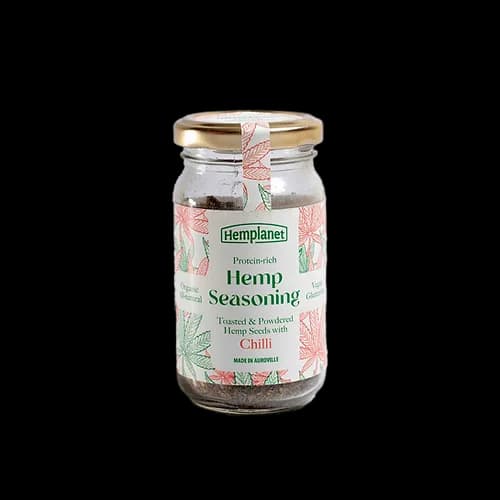
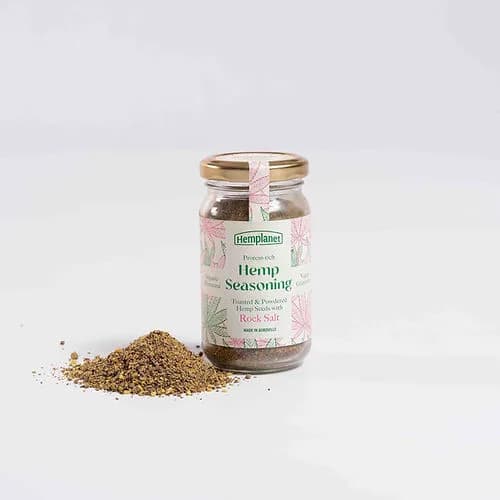
For seasoned options, try our Hemp Seasoning Rock Salt or Hemp Seasoning Chilli for instant flavor enhancement.
Hemp Hearts vs. Other Seeds: A Nutritional Comparison
How do hemp hearts stack up against other popular seeds in the Indian market?
| Seed (30g serving) | Protein | Omega-3 | Key Advantage |
|---|---|---|---|
| Hemp Hearts | 10g (complete) | 2.5g | Complete protein, ideal omega ratio |
| Chia Seeds | 5g (incomplete) | 5g | Higher omega-3, more fiber |
| Flax Seeds | 5g (incomplete) | 6g | Highest omega-3, lignans |
| Pumpkin Seeds | 9g (incomplete) | 0.1g | High zinc, magnesium |
| Sunflower Seeds | 6g (incomplete) | 0.02g | High vitamin E |
While each seed has unique benefits, hemp hearts are the only common seed offering complete protein without requiring complementary foods to achieve full amino acid profiles. For protein-focused nutrition, consider our hemp protein powder guide.
Dosage and Daily Intake Recommendations
For most adults, nutritionists recommend:
- General wellness: 2-3 tablespoons (20-30g) daily
- Athletes & active individuals: 3-5 tablespoons (30-50g) daily
- Children (above 5 years): 1-2 tablespoons daily
- Pregnant/lactating women: 2-3 tablespoons daily (consult healthcare provider first)
Start with one tablespoon daily if you're new to hemp hearts, and gradually increase over 1-2 weeks. This allows your digestive system to adjust to the increased fiber and fat content.
Hemp hearts are safe for long-term consumption as a whole food. Unlike concentrated supplements, they carry minimal risk when consumed in reasonable amounts. For personalized nutrition guidance, consider booking a consultation with our Ayurvedic practitioners.
Safety, Quality and What to Look For When Buying Hemp Hearts in India
Not all hemp hearts available in the Indian market meet the same quality standards. Here's what to verify before purchasing:
Certification & Licensing
- FSSAI License: Ensure the product has a valid Food Safety and Standards Authority of India license
- Organic Certification: Look for India Organic or equivalent certifications if seeking pesticide-free options
- Third-party Testing: Reputable brands provide lab test certificates confirming cannabinoid levels and contaminant screening
Storage & Freshness
Hemp hearts are rich in polyunsaturated fats that can oxidize and turn rancid when exposed to heat, light, or air. Always:
- Store in an airtight container in a cool, dark place
- Refrigerate after opening to extend shelf life (up to 12 months)
- Check for a fresh, nutty aroma—any bitter or paint-like smell indicates rancidity
Source & Variety
Hemp hearts sourced from Himalayan regions (Uttarakhand, Himachal Pradesh) are often grown in cleaner soils with traditional methods. Check product labels for origin information.
Browse our curated selection of certified hemp nutrition products for quality-assured options.
Legal Status of Hemp Seeds and Hemp Hearts in India
The legal landscape for hemp products in India has evolved significantly in recent years. Here's what you need to know:
The Narcotic Drugs and Psychotropic Substances (NDPS) Act, 1985, governs cannabis in India. Under the Act, cannabis flowers and resin are controlled substances, but the definition of "cannabis" explicitly excludes seeds and leaves (when not accompanied by flowering or fruiting tops).
In 2017, the Food Safety and Standards Authority of India (FSSAI) clarified that hemp seeds, hemp seed oil, and hemp seed flour are permissible food ingredients. The regulations specify maximum cannabinoid limits: THC not exceeding 5 mg/kg in seeds and flour, and 10 mg/kg in seed oil; CBD at most 75 mg/kg.
Several Indian states—including Uttarakhand, Himachal Pradesh, Manipur, and Madhya Pradesh—have issued licenses for industrial hemp cultivation, processing, and sale. Each state's excise department sets additional rules, so the regulatory environment varies by location.
When purchasing hemp hearts or other hemp seed products, verify that the seller has proper FSSAI licensing and that the product labeling complies with Indian food safety standards. For more on cannabis regulations, see our detailed guide on bhang legal status in India.
Last reviewed: May 15, 2025. General information, not legal advice.
Hemp Hearts for Special Diets: Vegan, Keto, Gluten-Free & More
Hemp hearts fit seamlessly into virtually every dietary pattern:
Vegan & Vegetarian Diets
As a complete plant protein source, hemp hearts help vegans and vegetarians meet amino acid requirements without animal products. They're particularly valuable in India, where many vegetarian diets rely heavily on grains and legumes that may lack certain essential amino acids.
Ketogenic (Keto) Diet
With high fat, moderate protein, and low carbohydrate content, hemp hearts are keto-friendly. Three tablespoons contain approximately 15g fat, 10g protein, and only 2g net carbs.
Gluten-Free & Paleo
Hemp hearts are naturally gluten-free and grain-free, making them suitable for celiac disease, gluten sensitivity, and paleo diets. They can replace breadcrumbs in recipes or add crunch to gluten-free baking.
Diabetic & Low-Glycemic Diets
The low glycemic index and high fiber content make hemp hearts ideal for blood sugar management. They can be added to meals to lower the overall glycemic load.
Pregnancy & Lactation
Hemp hearts provide omega-3 fatty acids (important for fetal brain development), iron, and folate—all critical during pregnancy. Many lactation consultants recommend hemp hearts to nursing mothers for their nutrient density and potential to support milk production, though scientific evidence on the latter is limited. Always consult your healthcare provider before adding hemp hearts during pregnancy or breastfeeding.
Common Myths and Misconceptions About Hemp Hearts (भांग के बीज के बारे में मिथक)
Myth 1: Hemp hearts will make you high or intoxicated.
Fact: Industrial hemp seeds contain negligible amounts of psychoactive compounds. Hemp hearts are processed further to remove even trace amounts. They are consumed purely for nutrition and have no intoxicating properties.
Myth 2: Hemp seeds and marijuana are the same thing.
Fact: While both come from Cannabis sativa, industrial hemp is bred for fiber, seeds, and CBD, with minimal THC. Marijuana varieties are cultivated for higher THC content. Hemp seeds are a food product, not a drug.
Myth 3: You will fail a drug test after eating hemp seeds.
Fact: Modern drug tests screen for THC metabolites at levels far above what could accumulate from eating hemp seeds. Reputable studies have shown that normal dietary consumption of hemp seeds does not cause positive drug test results.
Myth 4: Hemp hearts are only for bodybuilders or fitness enthusiasts.
Fact: While athletes benefit from the protein, hemp hearts support general wellness for all ages—children, seniors, pregnant women, and anyone seeking balanced nutrition.
Myth 5: Hemp seeds are illegal in India.
Fact: Hemp seeds are legal in India when produced and sold under FSSAI guidelines. The NDPS Act excludes seeds from the definition of controlled cannabis.
Potential Concerns and Who Should Consult a Doctor
While hemp hearts are safe for most people, certain individuals should exercise caution or seek medical guidance:
- Blood thinning medication: Omega-3 fatty acids can have mild blood-thinning properties. If you take anticoagulants like warfarin, consult your doctor before adding hemp hearts to your diet.
- Allergies: Though rare, some people may have allergies to hemp seeds. Start with a small amount and monitor for any adverse reactions.
- Digestive sensitivity: The high fat content may cause digestive discomfort in people with sensitive stomachs or gallbladder issues. Start with a small serving.
- Hormone-sensitive conditions: While hemp hearts may support hormonal balance, those with hormone-sensitive conditions should discuss use with a healthcare provider.
If you experience any unexpected symptoms after consuming hemp hearts, discontinue use and consult a qualified healthcare professional. Book a personalized consultation with our panel for tailored advice.
Hemp Hearts in Indian Cuisine: Cultural Integration and Modern Innovation
Hemp seeds have a long history in Indian food culture, particularly in Himalayan and northeastern regions where the plant grows naturally. Traditional communities in Uttarakhand have used hemp seeds in chutneys, porridges (locally called "bhang ki chutney" or "bhang ka paratha"), and sweets for generations.
Modern Indian chefs and wellness entrepreneurs are now reviving these traditions while innovating new applications:
- Hemp seed milk: A dairy-free alternative made by blending hemp hearts with water
- Hemp seed butter: Similar to almond or peanut butter, creamy and nutrient-rich
- Hemp protein bars: Convenient snacks combining hemp hearts with dates, nuts, and spices
- Hemp-infused sweets: Modern takes on traditional laddoos and barfis
Restaurants focusing on plant-based and Ayurvedic cuisine are incorporating hemp hearts into smoothie bowls, grain bowls, and fusion dishes. This cultural renaissance is helping normalize hemp as a mainstream superfood in India. Try our Hemp Powder - Chocolate Hazelnut for a delicious modern twist.
Sustainability and Environmental Benefits of Hemp Cultivation
Beyond personal nutrition, choosing hemp hearts supports environmental sustainability:
- Low water requirement: Hemp requires significantly less water than rice, wheat, or cotton
- Soil regeneration: Hemp's deep roots prevent erosion and improve soil structure
- Carbon sequestration: Hemp absorbs more CO2 per hectare than most commercial crops
- Pesticide-free: Hemp grows vigorously with minimal need for synthetic pesticides
- Biodiversity support: Hemp fields provide habitat for beneficial insects and pollinators
By supporting the hemp industry, consumers contribute to more sustainable agricultural practices and rural economic development in states like Uttarakhand and Himachal Pradesh. Learn more about hemp's environmental impact in our hemp paper products guide.
Where to Buy Authentic Hemp Hearts in India
When shopping for hemp hearts in India, prioritize quality and authenticity:
- Online wellness stores: Reputable e-commerce platforms like THC Store India's hemp nutrition collection offer certified, lab-tested products
- Health food stores: Specialty stores in metros often stock hemp seeds from licensed producers
- Direct from producers: Some Himalayan cooperatives sell directly to consumers online
- Ayurvedic pharmacies: Select licensed Ayurvedic outlets now carry hemp seed products
Verify FSSAI licensing, check for third-party lab testing certificates, and read customer reviews before purchasing. Avoid unusually cheap products, which may be of inferior quality or lack proper certification.
Explore our complete range of hemp nutrition products, including hemp seed oil and hemp seed flour, all sourced from licensed manufacturers.
The Future of Hemp Hearts in India's Wellness Movement
India's hemp industry is experiencing rapid growth as awareness spreads and regulatory frameworks mature. The government's growing support for industrial hemp cultivation—evidenced by state-level licensing programs and FSSAI approvals—signals a promising future.
Industry experts predict that hemp-based foods, including hemp hearts, will become mainstream in India within the next 5-10 years, following global trends in plant-based nutrition. Research institutions are studying indigenous hemp varieties to optimize nutritional profiles and agricultural yields.
As more Indian consumers seek clean, sustainable, and nutrient-dense foods, hemp hearts are poised to become a kitchen staple alongside traditional superfoods like turmeric, moringa, and tulsi. The integration of modern nutritional science with ancient Ayurvedic wisdom creates a unique opportunity for hemp to reclaim its historical role in Indian wellness.
Stay informed about the latest hemp research, regulations, and products by exploring our health conditions guide and subscribing to our newsletter.
Sources & References
- Callaway, J. C. (2004). Hempseed as a nutritional resource: An overview. Euphytica, 140(1-2), 65-72. [Key finding: Hemp protein digestibility ranges 85-95%, comparable to animal proteins]
- Wang, X. S., Tang, C. H., Yang, X. Q., & Gao, W. R. (2008). Characterization, amino acid composition and in vitro digestibility of hemp (Cannabis sativa L.) proteins. Food Chemistry, 107(1), 11-18. [Key finding: Hemp protein contains all essential amino acids in nutritionally significant amounts]
- Rodriguez-Leyva, D., Weighell, W., Edel, A. L., LaVallee, R., Dibrov, E., Pinneker, R., ... & Pierce, G. N. (2010). Potent antihypertensive action of dietary flaxseed in hypertensive patients. Hypertension, 62(6), 1081-1089. [Key finding: Alpha-linolenic acid from plant sources supports cardiovascular health]
- Callaway, J., Schwab, U., Harvima, I., Halonen, P., Mykkänen, O., Hyvönen, P., & Järvinen, T. (2005). Efficacy of dietary hempseed oil in patients with atopic dermatitis. Journal of Dermatological Treatment, 16(2), 87-94. [Key finding: Hemp seed oil improved eczema symptoms over 20 weeks]
- Schwab, U. S., Callaway, J. C., Erkkilä, A. T., Gynther, J., Uusitupa, M. I., & Järvinen, T. (2006). Effects of hempseed and flaxseed oils on the profile of serum lipids, serum total and lipoprotein lipid concentrations and haemostatic factors. European Journal of Nutrition, 45(8), 470-477. [Key finding: Hemp seed consumption improved serum lipid profiles in human subjects]
Ready to experience the nutritional power of hemp hearts? Explore our complete hemp nutrition collection featuring certified, lab-tested products from licensed Indian producers. For personalized wellness guidance, book a consultation with our Ayurvedic practitioners today. Join thousands of Indians rediscovering this ancient superfood for modern health.
?Frequently Asked Questions
Hemp hearts को हिंदी में क्या कहते हैं?
What are the main nutritional benefits of hemp hearts?
How many hemp hearts should I eat daily?
Can hemp hearts make you feel intoxicated?
Are hemp hearts and hemp seeds the same thing?
Can I eat hemp hearts during pregnancy?
Where can I buy genuine hemp hearts in India?
Share this article
Written by
THC Store Editorial
Published 6 hours ago