Hemp Seed Oil Benefits: Complete Nutritional & Wellness Guide for India
Article Summary
The hemp seed oil benefits conversation has quietly moved from niche wellness circles into mainstream Indian kitchens and skincare routines — and the science is finally catching up. Cold-pressed from the seeds of Cannabis sativa L. (the same species ...
The hemp seed oil benefits conversation has quietly moved from niche wellness circles into mainstream Indian kitchens and skincare routines — and the science is finally catching up. Cold-pressed from the seeds of Cannabis sativa L. (the same species that gives us vijaya leaf extract, but these seeds contain no meaningful THC or CBD), hemp seed oil is a dense package of omega-3 and omega-6 fatty acids, gamma-linolenic acid (GLA), vitamin E, and plant-based protein fragments. This complete guide covers everything an Indian shopper needs to know: nutritional profile, cardiovascular and skin evidence, how to use it, how to choose the right product, and what the hemp nutrition collection at THC Store offers.
Disclaimer: This article is for informational purposes only and does not constitute medical advice. Always consult a qualified healthcare professional before starting any new supplement or treatment. Cannabis-based products are to be taken under medical supervision in India (Drugs Rules, 1945). Book a consultation with our panel doctors for personalized guidance.
What Is Hemp Seed Oil? Understanding the Basics
Hemp seed oil is extracted by cold-pressing the seeds of Cannabis sativa L. — the same plant family as vijaya (cannabis leaf), but an entirely different part of the plant. The seeds themselves contain negligible amounts of THC and CBD; what they do contain is an extraordinary balance of essential fatty acids that the human body cannot manufacture on its own.
In India, hemp seed oil is distinct from vijaya leaf extract (which contains cannabinoids like THC and requires a registered Ayurvedic practitioner's prescription). Hemp seed oil falls under the FSSAI (Food Safety and Standards Authority of India) framework as a food ingredient, not a medicine, making it widely accessible for general wellness use. If you are unsure which hemp-derived product fits your needs, consider a consultation with one of our panel doctors before starting.
Hemp Seed Oil Nutritional Profile: What Makes It Exceptional
Per 100 ml of cold-pressed hemp seed oil, you receive approximately:
- Omega-6 (linoleic acid, LA): ~55–60 g — the most abundant fatty acid
- Omega-3 (alpha-linolenic acid, ALA): ~15–20 g — at an ideal 3:1 ratio to omega-6
- Gamma-linolenic acid (GLA): ~2–4 g — an omega-6 that most other oils lack
- Oleic acid (omega-9): ~10–12 g
- Vitamin E (tocopherols): ~4–8 mg
- Plant sterols: ~80–100 mg (beta-sitosterol, campesterol)
- Calories: ~900 kcal (all from fat — it has no carbohydrates or sugar)
The 3:1 omega-6 to omega-3 ratio is widely cited in nutritional literature as close to the ideal ratio for human metabolism. In contrast, mustard oil sits around 6:1, sunflower oil at 40:1 and soybean oil around 7:1. GLA is the rarest advantage: unlike LA and ALA, GLA can be converted directly to anti-inflammatory prostaglandins without the enzymatic bottleneck that slows ALA-to-EPA conversion. Browse our hemp nutrition range for cold-pressed options that preserve this fatty acid profile.
Cardiovascular Health: The Evidence Base for Hemp Seed Oil Benefits
The cardiovascular case for hemp seed oil centres on three mechanisms: omega-3-driven triglyceride reduction, plant sterol-driven LDL management, and GLA-driven inflammation control.
A 2026 randomised, double-blind, crossover trial published in Food & Function (RSC Publishing, DOI: 10.1039/D5FO04672F) followed 30 overweight adults over four-week periods. Hemp seed consumption — including oil — raised blood omega-3 levels and improved cardiovascular risk markers versus control products. An earlier review in BMC Complementary Medicine and Therapies (PMC12540152, Nalluri et al., 2024) collated evidence that hempseed-derived lipids reduced platelet aggregation and benefited cardiac ischaemia-reperfusion outcomes in animal models, noting human evidence was emerging.
A Journal of Agricultural and Food Chemistry study (Wang et al., 2008, PMC2276149) found hemp-seed peptides demonstrated haemostatic and cardioprotective activity in vitro. While large-scale human trials specific to hemp seed oil are still limited, the fatty acid composition — particularly the ideal omega-3:omega-6 ratio — aligns with decades of evidence on dietary omega-3 and heart health.
Practical India context: Cardiovascular disease is the leading cause of death in India, and Indian diets are typically omega-6 heavy (refined sunflower and palm oils dominate). Substituting 15–20 ml of hemp seed oil in cold dressings, chutneys, or smoothies each day could meaningfully improve fatty acid intake — provided the rest of the diet is also addressed. Consult your doctor before making dietary changes for a heart condition; a registered practitioner can guide you.
Hemp Seed Oil Benefits for Skin: Science and Ayurvedic Context
The hemp seed oil benefits for skin stem primarily from its fatty acid composition and vitamin E content. Linoleic acid (omega-6) is essential for maintaining the skin's ceramide layer — the "mortar" between keratinocytes. Several dermatological studies note that low linoleic acid in skin is associated with impaired barrier function, trans-epidermal water loss (TEWL) and acne-prone skin.
GLA specifically has an anti-inflammatory effect on skin: it converts to dihomo-GLA (DGLA), which competes with arachidonic acid at the COX-2 pathway and reduces pro-inflammatory prostaglandins. This is why hemp seed oil is recommended for inflammatory skin conditions such as eczema, psoriasis, and seborrheic dermatitis. A 2005 Finnish study in the Journal of Dermatological Treatment (Callaway et al.) followed 20 patients with atopic dermatitis who consumed hemp seed oil for 20 weeks: they reported significant reductions in skin dryness, itching and perceived need for dermatological medication versus olive oil control.
Topical use: Because hemp seed oil is non-comedogenic (comedogenic rating: 0–1), it absorbs without clogging pores, making it suitable even for acne-prone Indian skin types. It can be applied directly to clean, damp skin as a face or body oil, mixed into a DIY serum, or used as a carrier for other actives.
Ayurvedic perspective: Ancient Ayurvedic texts describe cannabis seed oil — distinct from vijaya leaf preparations — as a taila (oil) with snehana (nourishing, unctuous) properties that balances Vata and Pitta. While THC Store does not make clinical claims for skin conditions, many of our customers in India use hemp seed oil from the hemp nutrition range as a food-grade skin supplement.
Hemp Seed Oil Benefits for Hair Growth and Scalp Health
The hemp seed oil benefits for hair category is one of the most searched in India, especially among consumers looking for natural alternatives to silicone-heavy conditioners. The evidence rests on three pillars:
- Scalp circulation: Omega-3 and omega-6 fatty acids support healthy sebum production and may improve microcirculation in the scalp, supplying the hair bulb with nutrients.
- Protein precursors: Hemp seed oil is expressed from seeds that are ~25% protein by weight. While the oil itself contains negligible protein, cold-pressed processing retains small peptide fragments that some researchers believe provide structural support to the hair shaft.
- Moisture sealing: Applied topically, hemp seed oil coats the cuticle and seals in moisture, reducing frizz, breakage and split ends — particularly relevant for dry Indian hair types exposed to hard water.
For internal use, taking 1–2 tablespoons of hemp seed oil daily alongside a protein-rich diet gives the hair follicle the essential fatty acids and amino acid precursors it needs. Our hemp nutrition collection includes cold-pressed oils designed for both culinary and topical application.
Anti-Inflammatory Benefits and Joint Support
Chronic low-grade inflammation underlies many of India's most common lifestyle diseases: type 2 diabetes, cardiovascular disease, psoriasis, and metabolic syndrome. Hemp seed oil's GLA content is its strongest anti-inflammatory lever.
GLA is converted by delta-6-desaturase to DGLA, which inhibits the COX and LOX enzyme pathways that produce pro-inflammatory eicosanoids. This mechanism is the same pathway targeted by several NSAIDs — hemp seed oil provides a gentler, dietary-level modulation rather than pharmacological inhibition.
For joint support specifically, a 2011 study in Arthritis Research & Therapy (Leventhal et al.) found that GLA supplementation (from borage oil, which has higher GLA than hemp seed oil) significantly reduced joint pain and morning stiffness in rheumatoid arthritis patients. Hemp seed oil's GLA content (2–4%) is lower than borage's (20–25%), so it would need to be part of a broader dietary strategy rather than a primary GLA source for this indication. Always consult a qualified doctor before using food supplements as part of a joint-health programme.
Digestive Health and Gut Benefits of Hemp Seed Oil
In Ayurveda, healthy digestion (agni) underpins overall wellness, and omega-3 fatty acids have well-documented support for the gut microbiome. ALA from hemp seed oil is partially converted to EPA and DHA in the liver, both of which support the integrity of the intestinal epithelial lining and may reduce intestinal permeability ("leaky gut").
GLA additionally supports the production of prostaglandin E1 (PGE1), which has a protective effect on the gastric mucosa. Small-scale studies suggest GLA supplementation may help manage symptoms of irritable bowel syndrome, though more research is needed.
For practical use in Indian cooking, hemp seed oil should not be heated above 165°C — above this temperature, the polyunsaturated fatty acids oxidise and lose their benefit. Use it cold: drizzled over dal, mixed into a chutney, blended into a smoothie, or used as a salad dressing base.
Hemp Seed Oil vs Other Cooking Oils: Complete Comparison
| Oil | Omega-6:Omega-3 ratio | GLA content | Smoke point | Suitable for frying? | FSSAI approved food? |
|---|---|---|---|---|---|
| Hemp seed oil | ~3:1 (ideal) | 2–4% ✓ | 165°C | No — cold use only | Yes (FSSAI 2021) |
| Coconut oil | n/a (mostly saturated) | None | 177°C | Yes (low-medium heat) | Yes |
| Olive oil (EVOO) | ~12:1 | None | 190°C | Light sautéing only | Yes |
| Sunflower oil | ~40:1 (high omega-6) | None | 227°C | Yes | Yes |
| Mustard oil | ~6:1 | None | 250°C | Yes (traditional Indian) | Yes (special conditions) |
| Flaxseed oil | ~1:4 (high omega-3) | None | 107°C | No — cold use only | Yes |
Hemp seed oil sits in an interesting middle ground: like flaxseed oil, it must be used cold, but unlike flaxseed its omega balance is more sustainable for daily use and it provides the rare GLA advantage. Explore our hemp food and nutrition collection for cold-pressed options starting at ₹350–₹799 for 250 ml bottles.
How to Use Hemp Seed Oil in India: A Practical Step-by-Step Guide
Understanding the hemp seed oil benefits is one thing — incorporating them into a busy Indian lifestyle is another. Here are practical integration strategies:
In the Kitchen
- Dal tadka finish: After your tadka is done and cooled slightly, drizzle 1–2 teaspoons over the top before serving. Never add to boiling oil or dal — heat destroys the fatty acids.
- Chutneys and raitas: Blend 1 tablespoon into green chutney or a cucumber raita for a nutritional boost.
- Smoothies: 1 tablespoon in a morning smoothie (banana, mango, or any fruit) adds omega-3s without altering taste significantly.
- Chapati dough: Mix into whole wheat or multigrain dough before rolling — the oil distributes evenly and the fatty acids are not exposed to high heat inside the dough.
- Salad dressings: Combine with apple cider vinegar, a pinch of black salt, and lemon juice for a quick Indian-style dressing.
For Skin and Hair (Topical)
- Face serum: 2–3 drops on clean, slightly damp skin before moisturiser. Best used at night for maximum absorption.
- Scalp massage: Warm 2 tablespoons slightly (do not overheat), massage into the scalp for 5–10 minutes, leave for 30 minutes, then wash out. Use twice a week.
- Body oil: Mix with sesame oil (traditional Indian base) for a full-body abhyanga (self-massage) in the Ayurvedic morning routine.
- Lip care: A tiny drop rubbed onto dry lips provides intense, fragrance-free hydration.
How to Choose Quality Hemp Seed Oil in India
Not all hemp seed oils in Indian retail are equal. Here is what to look for when shopping:
- Cold-pressed, unrefined: Refining destroys GLA, vitamin E and plant sterols. Look for "cold-pressed" on the label; avoid "refined" or "deodorised" variants for nutritional use.
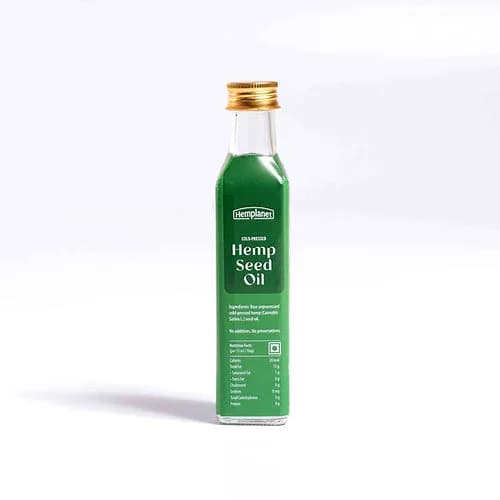
- Dark glass bottle: Polyunsaturated fats oxidise quickly in light. Hemp seed oil sold in clear plastic bottles has likely already degraded. Dark amber or green glass is ideal.
- Storage instructions: Legitimate cold-pressed hemp seed oil should be refrigerated after opening and consumed within 3–6 months. If a product claims 18+ months shelf life without refrigeration, it is likely refined.
- FSSAI licence number: All food products in India must carry an FSSAI licence number. Check that it is present on the label.
- Colour and smell: Genuine cold-pressed hemp seed oil has a greenish-yellow colour and a mild nutty aroma. If it smells rancid, fishy or strongly chemical, do not use it.
- THC testing certificate: While hemp seeds legally contain negligible THC, reputable brands provide a third-party certificate of analysis (CoA) confirming THC content is within FSSAI limits (≤10 mg/kg for oil). Check the brand's website or request it directly.
Our hemp nutrition range lists CoA-verified, cold-pressed oils from trusted Indian brands. If you have questions about which product is right for a specific health goal, book a free consultation with our panel doctors.
Hemp Seed Oil Legal Status in India: FSSAI, NDPS Act and What It Means for You
The legal landscape for hemp in India has clarified considerably in recent years, and hemp seed oil sits in the clearest segment of it.
NDPS Act 1985: Section 2 defines "cannabis" for the purposes of the Act as the charas (resin), bhang (leaves and flowers) and cannabis plant — but explicitly excludes the seeds (and mature stalks). Hemp seed oil, pressed from seeds, is therefore outside the NDPS Act's scope entirely.
FSSAI Notification (2021): The Food Safety and Standards Authority of India formally approved hemp seeds, hemp seed oil and hemp seed flour as food ingredients under the Food Safety and Standards Act, 2006. The FSSAI sets maximum THC limits of 10 mg/kg for hemp seed oil and 5 mg/kg for seeds and flour, and a CBD maximum of 75 mg/kg. There is no "0.3% THC" rule in India — the Indian standard is a fixed mg/kg figure, not a percentage of weight.
AYUSH status: Hemp seed oil is classified as a food ingredient, not an Ayurvedic medicine, by the FSSAI. If you are looking for an ayurvedic product made under a state Ayurvedic manufacturing licence, vijaya extract formulations are the relevant category — see our vijaya leaf extract collection.
State variations: The central FSSAI approval applies across India. Hemp seed oil sold as a food product does not require state excise permissions. However, each state's own excise or prohibition law governs the broader cannabis plant, so if you have questions about specific vijaya extract products, a consultation with our registered practitioners is the right starting point.
Last reviewed: 2026-10-15. General information, not legal advice.
Hemp Seed Oil in Ayurveda: Ancient Roots, Modern Science
The Charaka Samhita and Sushruta Samhita both reference cannabis seed preparations (vijaya bija) for their anodyne and nourishing properties. Classical Ayurvedic texts describe hemp seed oil as particularly suitable for Vata prakruti (constitution) — individuals who tend toward dryness, anxiety, and joint stiffness.
In Panchakarma (the Ayurvedic detoxification protocol), tailas (medicated oils) made with cannabis seed are used in abhyanga (therapeutic massage) and nasya (nasal administration) to nourish tissues and calm the nervous system. While modern hemp seed oil is typically used as a food supplement rather than a classical Ayurvedic preparation, its fatty acid profile closely supports the same goals: lubrication of the joints (asthi dhatu), nourishment of the skin (tvak), and support of the nervous tissue (majja dhatu).
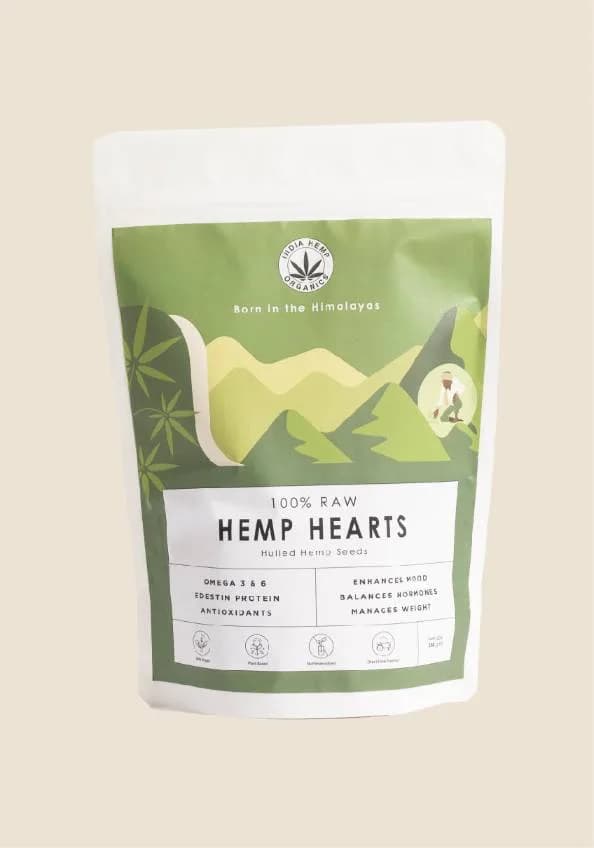
Hemp Hearts — dehulled hemp seeds that can be sprinkled onto food — are another Ayurvedic-aligned format: eating the whole seed provides both the oil and the protein, a complete tarpana (nourishing) food. Browse our hemp hearts and hemp seed nutrition range for a range of formats.
Dosage Guidelines and Safety for Hemp Seed Oil in India
Hemp seed oil is a food, not a medicine, so there is no officially established therapeutic dose. Nutritional recommendations vary by purpose:
- General wellness (internal): 1–2 tablespoons (15–30 ml) per day as part of the daily diet. Start with 1 teaspoon and increase over one to two weeks to allow digestive adaptation.
- Skin supplement: 1 tablespoon daily alongside a balanced diet. Effects on skin are typically noticed after 4–8 weeks of consistent use.
- Topical use: Apply as needed — there is no maximum topical dose. Do a patch test on the inner forearm before first use.
Who should be cautious:
- Blood thinners: Omega-3 fatty acids can have a mild anticoagulant effect. If you take warfarin, aspirin or clopidogrel, consult your cardiologist before adding hemp seed oil supplementation.
- Pregnancy and breastfeeding: The safety of hemp seed oil supplementation during pregnancy has not been studied. As a precaution, limit use to culinary amounts and discuss with your obstetrician. For any health-related use of hemp products during pregnancy, speak to one of our panel doctors.
- Nut allergies: Some individuals with tree nut allergies have reported sensitivity to hemp seeds. If you have a history of nut allergies, do a patch or oral challenge test cautiously.
- Drug interactions: At dietary doses, hemp seed oil has minimal known drug interactions beyond the anticoagulant note above. At very high supplemental doses (>30 ml/day), monitor for loose stools.
Where to Buy Hemp Seed Oil in India: What to Expect
Hemp seed oil is increasingly available across India — in specialty health stores, larger supermarket chains, and online. Price points vary widely:
- ₹350–₹500 per 250 ml: Entry-level, typically cold-pressed but may come in plastic. Acceptable for hair and skin topical use.
- ₹600–₹900 per 250 ml: Premium cold-pressed in dark glass with CoA. Ideal for internal consumption.
- ₹900–₹1,500 per 500 ml: Bulk sizes from brands like Hemplanet, Cannazo India and Vedic Tails. Best value for daily culinary and topical combined use.
On THC Store's hemp nutrition page you can compare cold-pressed options from multiple brands, check CoAs, and choose the right format — oil, hearts, protein powder, or flour — for your specific goal.
Frequently Asked Questions About Hemp Seed Oil Benefits
Is hemp seed oil the same as CBD oil or vijaya extract?
No. Hemp seed oil is pressed from hemp seeds and contains negligible amounts of cannabinoids (THC, CBD). CBD oil and vijaya extract are made from the leaves, flowers and stems of the cannabis plant and do contain significant cannabinoids. Hemp seed oil is a food ingredient regulated by FSSAI; CBD oil and vijaya extract are regulated as medicines requiring a prescription from a registered Ayurvedic practitioner. If you are unsure which product you need, our panel doctors can advise you.
Does hemp seed oil cause a positive drug test?
At normal culinary doses (1–2 tablespoons per day), hemp seed oil is highly unlikely to cause a positive drug test for THC. The FSSAI-approved hemp seed oil in India must contain ≤10 mg/kg THC — an extremely low concentration. However, if you are subject to workplace or sports drug testing, inform your occupational health or anti-doping authority and consume within recommended FSSAI-compliant amounts. For certainty, use oil from brands that provide a third-party CoA confirming THC levels.
Can I cook with hemp seed oil at high temperatures in Indian recipes?
No. Hemp seed oil has a smoke point of approximately 165°C, which is below the temperatures used in most Indian frying and tadka. At high heat, its polyunsaturated fatty acids oxidise into harmful free radicals that negate the nutritional benefits. Use hemp seed oil only cold: as a finishing drizzle, in chutneys, smoothies, or salad dressings. For high-heat cooking, continue using mustard oil, ghee or refined coconut oil, and add hemp seed oil cold afterward for the nutritional benefit.
How long does it take to see the hemp seed oil benefits for skin?
For internal supplementation (1 tablespoon daily), most users in nutritional studies report noticeable improvements in skin hydration, reduced itching in sensitive skin, and a reduction in dryness after 4–8 weeks of consistent use. Topical results — improved moisture and reduced redness — are typically visible within 1–2 weeks of twice-daily application. Individual results vary with skin type, diet, hydration and environmental factors. If you have a diagnosed skin condition like eczema or psoriasis, consult a dermatologist alongside any nutritional supplement use; a registered practitioner on our platform can help you plan a holistic approach.
What is the shelf life of cold-pressed hemp seed oil and how should I store it?
Unopened cold-pressed hemp seed oil typically lasts 12–14 months when stored away from heat and light. Once opened, refrigerate it and use within 3–4 months. Signs of rancidity include a fishy or painty smell and a darker colour. Do not use rancid oil: oxidised fatty acids are pro-inflammatory rather than anti-inflammatory. Always store in the dark glass bottle as supplied — transfer to a smaller bottle as you use it down to minimise air exposure at the top of the bottle.
Is hemp seed oil legal to buy and use in India?
Yes. Hemp seed oil is formally approved as a food ingredient by FSSAI under the Food Safety and Standards Act, 2006 (notification effective November 2021). It is outside the scope of the NDPS Act 1985, which covers cannabis leaves, flowers and resin but explicitly excludes seeds. You can legally buy and consume it as a food supplement across India without a prescription. The central FSSAI approval applies nationally; hemp seed oil sold as food does not require state excise permission. Always check that the product carries a valid FSSAI licence number on the label.
Top Hemp Seed Oil and Hemp Nutrition Products on THC Store
Our hemp nutrition collection features cold-pressed, CoA-verified options from leading Indian hemp brands. Whether you are looking to supplement your diet with omega-3s, upgrade your haircare routine or explore hemp seed oil for skin, these are among our most popular formats:
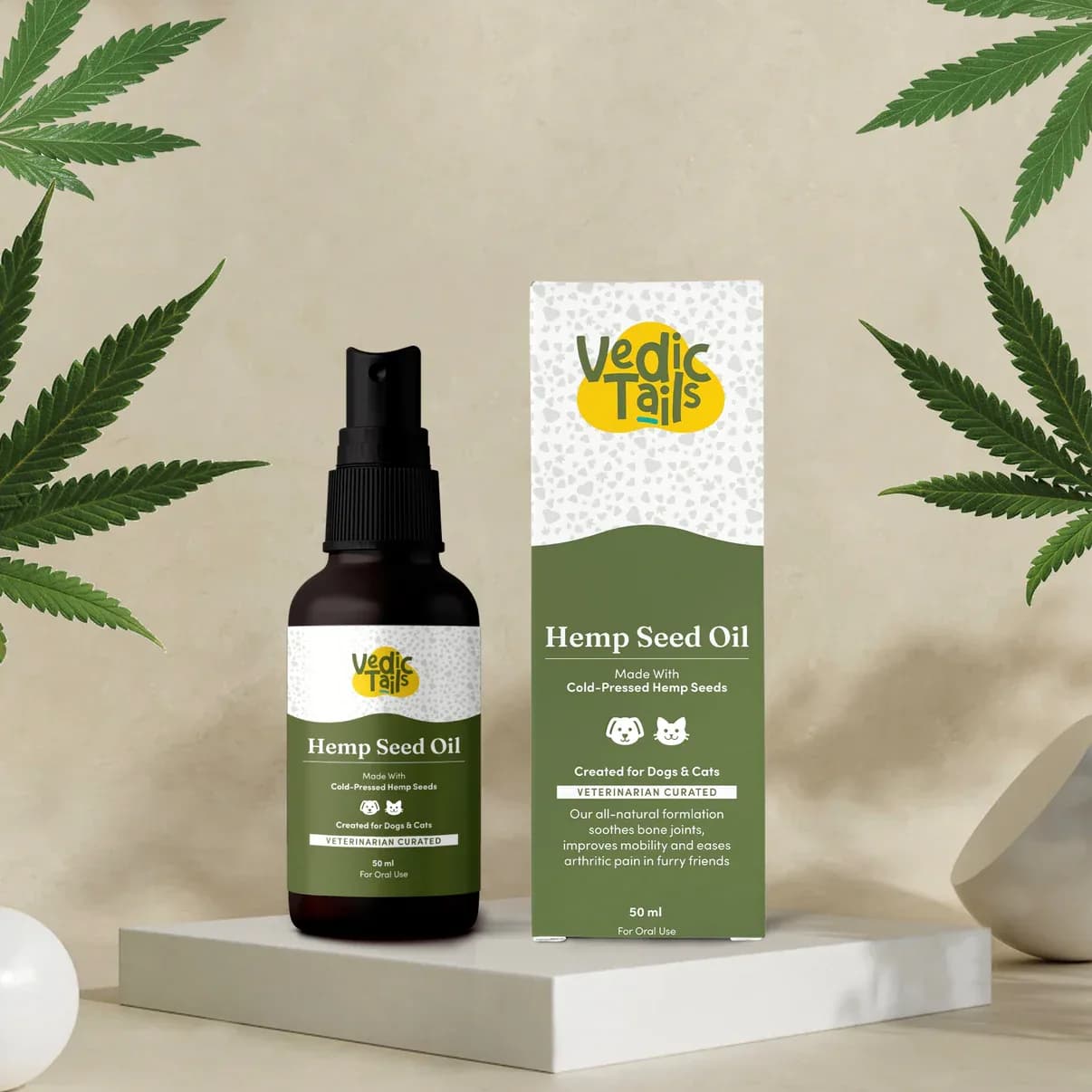
- Vedic Tails Cold-Pressed Hemp Seed Oil — 250 ml in dark glass, third-party tested, suitable for culinary and topical use
- Hemplanet Hemp Seed Oil (250 g) — a heritage Indian hemp brand with traceable Himalayan sourcing
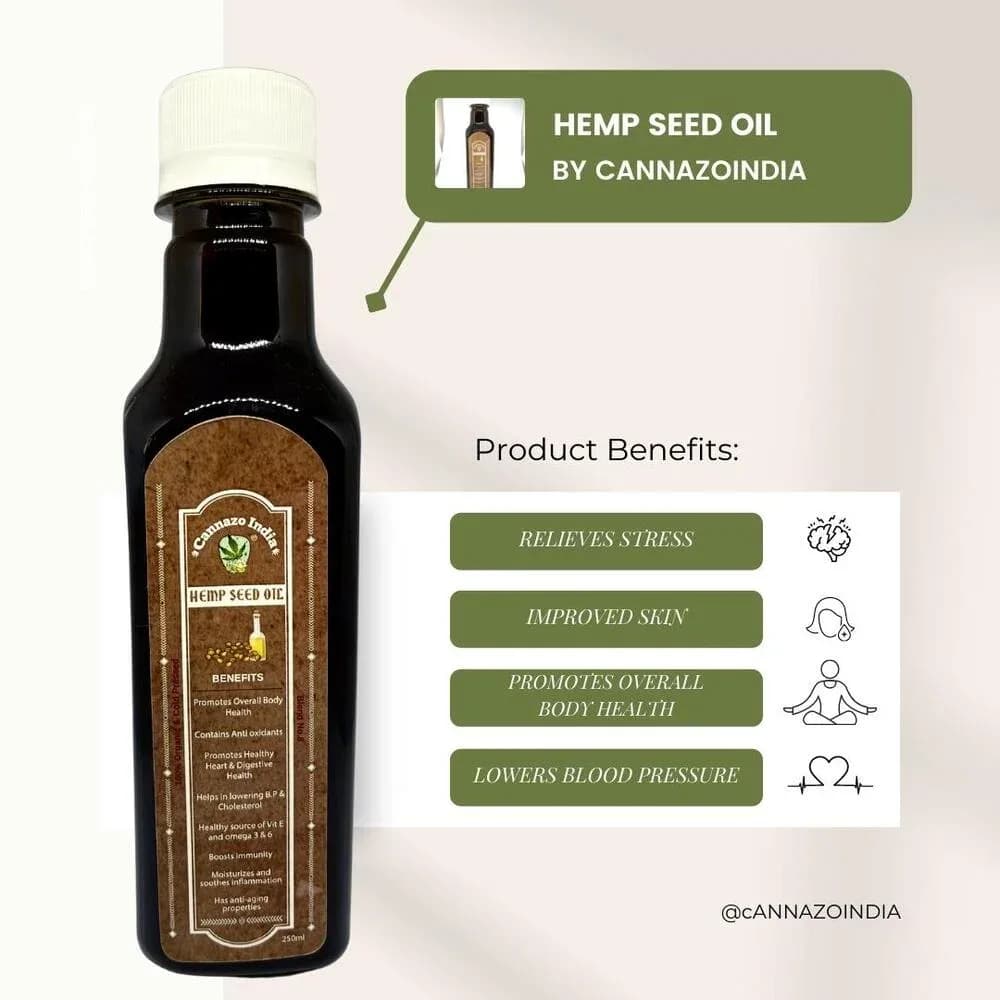
- Cannazo India Hemp Seed Oil (250 ml) — cold-pressed with a published CoA, one of India's most trusted hemp brands
- Hemp Hearts by THC Store — dehulled hemp seeds for sprinkling on salads, dal and smoothies
- Hemp Protein Powder — for those who want whole-seed nutrition including protein alongside oil supplementation
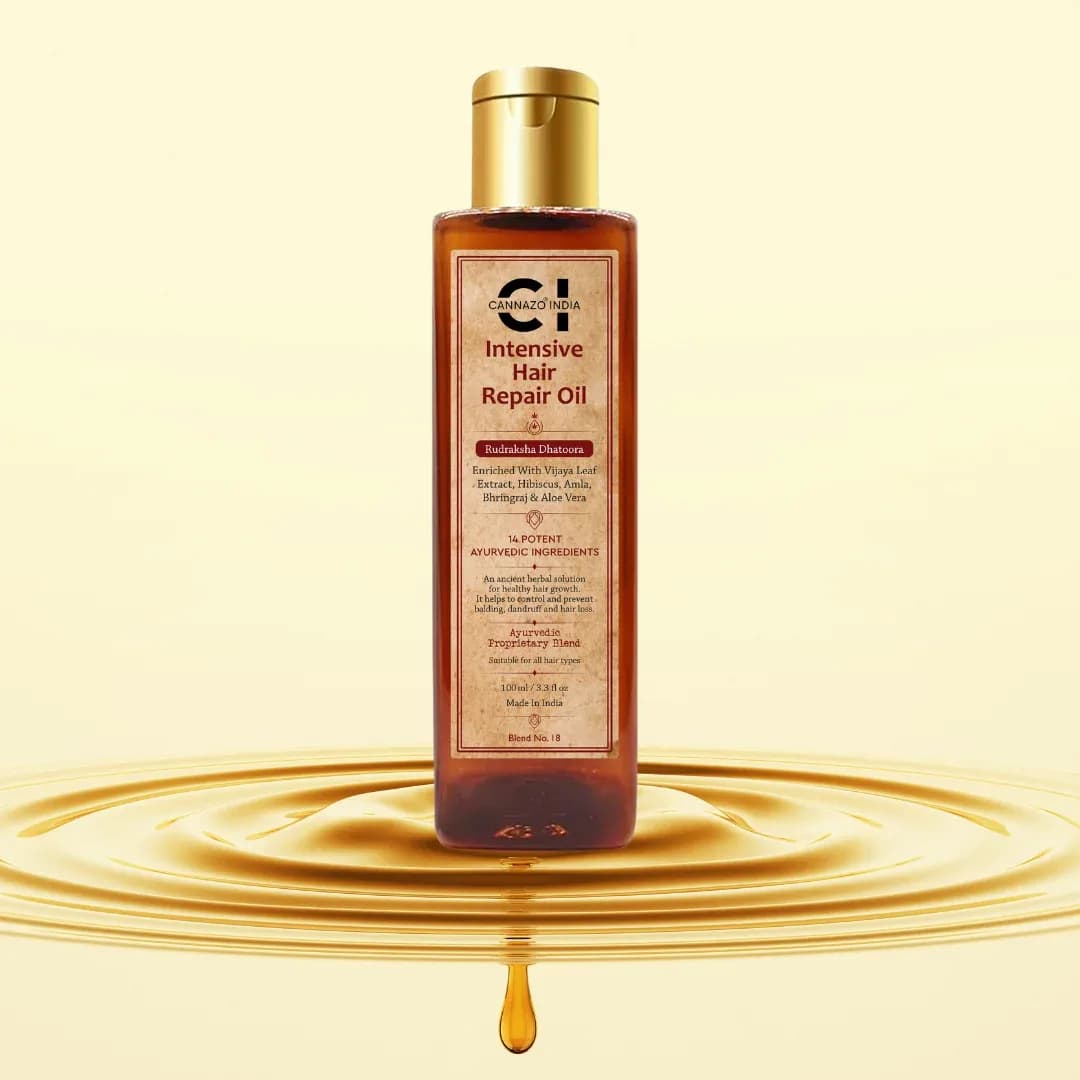
- CI's Intensive Repair Hair Oil — a blended hair oil that combines hemp seed oil with scalp-nourishing botanicals
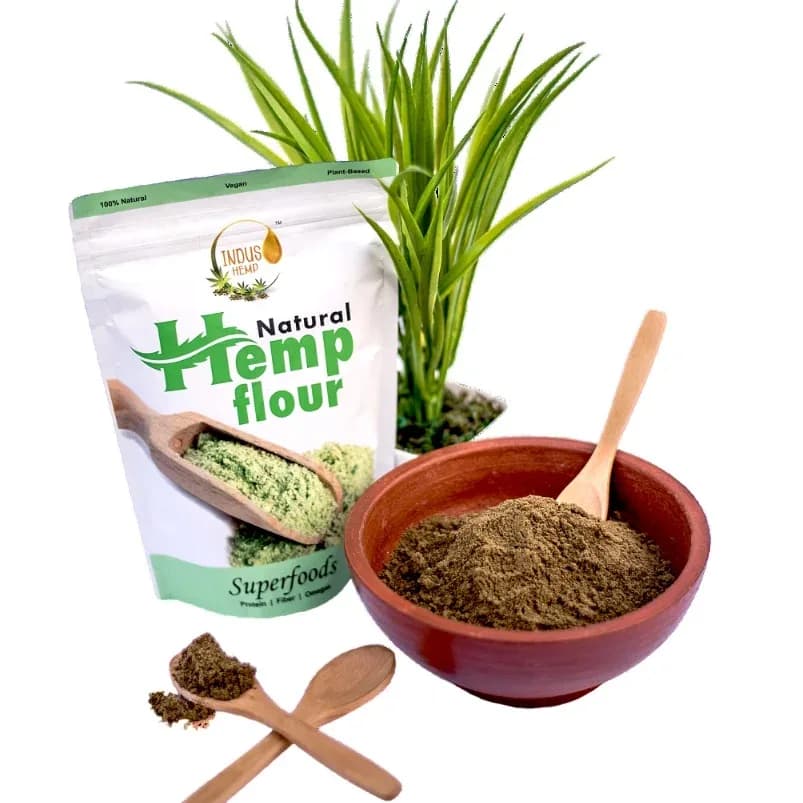
- Hemp Flour (High Fibre) — the pressed-seed cake after oil extraction, rich in fibre and protein for baking and rotis
Not sure which hemp product best fits your wellness goals? Book a consultation with our Ayurvedic panel doctors — they can advise you on integrating hemp-based nutrition into a personalised protocol.
Integrating Hemp Seed Oil Into an Indian Wellness Routine
The most effective approach to capturing hemp seed oil benefits is to treat it as a daily food habit rather than a therapeutic intervention. Here is a simple four-week integration plan:
Week 1: Start with 1 teaspoon (5 ml) daily, added cold to morning smoothie or dal. Monitor digestion.
Week 2: Increase to 1 tablespoon (15 ml) daily. Add 2–3 topical applications per week for hair or skin.
Week 3–4: Maintain 1–2 tablespoons daily internal + topical as needed. Begin to note changes in skin texture, hair shine, energy levels and joint comfort. Adjust based on personal response.
Pair hemp seed oil with other whole foods that support the fatty acid processing pathway: zinc (from pumpkin seeds or hemp hearts), vitamin B6 (from bananas, chickpeas), and magnesium (from leafy greens). These cofactors support the delta-6-desaturase enzyme that converts ALA and GLA into their longer-chain anti-inflammatory derivatives.
If you are integrating hemp seed oil alongside vijaya extract products for a specific health concern, coordinate with a registered practitioner for a personalised schedule.
Sources & References
- RSC Publishing (2026). Randomised crossover trial of hemp product consumption on blood fatty acid profiles and cardiovascular disease risk factors. Food & Function. DOI: 10.1039/D5FO04672F.
- Nalluri N et al. (2024). Hempseed and cardiovascular health: a comprehensive review. PMC12540152. BMC Complementary Medicine and Therapies.
- Wang S et al. (2008). Hemp seed peptides and cardiac haemostatic effects. J Agric Food Chem. PMC2276149.
- Callaway JC et al. (2005). Efficacy of dietary hempseed oil in patients with atopic dermatitis. Journal of Dermatological Treatment, 16(2), 87–94.
- FSSAI (2021). Food Safety and Standards (Food Products Standards and Food Additives) Eighth Amendment Regulations, 2021 — permitting hemp seeds, hemp seed oil and hemp seed flour as food ingredients.
Share this article
Written by
THC Store Editorial
Published 3 hours ago