Hemp Seed Benefits: Complete Nutrition & Wellness Guide for India
Article Summary
Hemp Seed Benefits: Complete Nutrition & Wellness Guide for India Did you know that just 30 grams of hemp seeds provide more protein than two large eggs and contain all nine essential amino acids? With India's rising interest in plant-based nutrition...
Hemp Seed Benefits: Complete Nutrition & Wellness Guide for India
Did you know that just 30 grams of hemp seeds provide more protein than two large eggs and contain all nine essential amino acids? With India's rising interest in plant-based nutrition and sustainable superfoods, hemp seeds have emerged as a nutritional powerhouse that aligns perfectly with both modern wellness goals and ancient Ayurvedic principles. Hemp seed benefits range from cardiovascular health and muscle recovery to skin rejuvenation and hormonal balance—making them one of the most versatile additions to any Indian diet.
This comprehensive guide explores the science-backed hemp seed benefits, nutritional profile, traditional Ayurvedic uses, dosage recommendations, and where to buy premium-quality hemp seeds in India. Whether you're an athlete seeking plant-based protein, someone managing inflammation, or simply looking to upgrade your nutrition, this guide provides everything you need to know.
Disclaimer: This article is for informational purposes only and does not constitute medical advice. Always consult a qualified healthcare professional before starting any new supplement or treatment. Cannabis-based products may require a prescription in India under NDPS Act regulations. Book a consultation with our panel doctors for personalized guidance.
What Are Hemp Seeds? Understanding Cannabis Sativa's Nutritional Superfood
Hemp seeds come from the Cannabis sativa plant—the same species that produces CBD and Vijaya extract—but they contain negligible amounts of THC (typically less than 0.3%), making them completely non-psychoactive and legal in India. These small, brown seeds with a subtle nutty flavor are technically achenes (a type of fruit), though commonly referred to as seeds.
In Ayurvedic tradition, hemp seeds are known as "bhang beej" or "vijaya beej" and have been used for thousands of years to balance Vata dosha, nourish ojas (vitality), and strengthen agni (digestive fire). Ancient Ayurvedic texts like the Sushruta Samhita mention hemp as a remedy for digestive disorders, insomnia, and inflammation.
Hemp seeds are available in several forms in India:
- Whole hemp seeds: Contains the outer shell, providing extra fiber
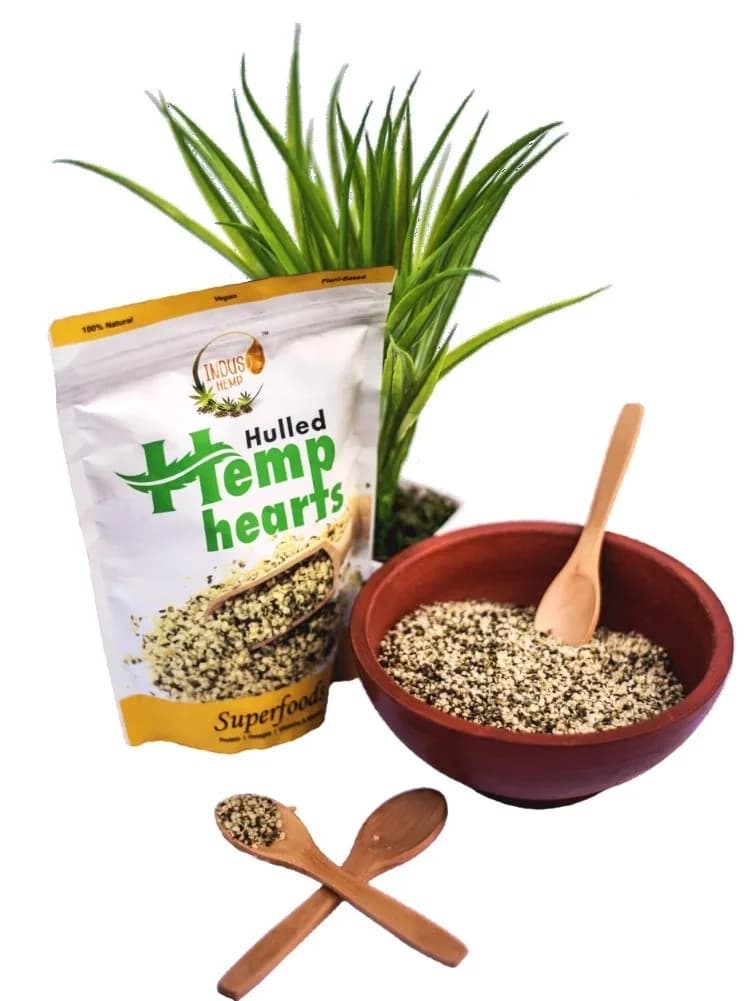
- Hemp hearts (shelled hemp seeds): The most popular form, soft and easy to digest like Hemp Hearts from Indus Hemp
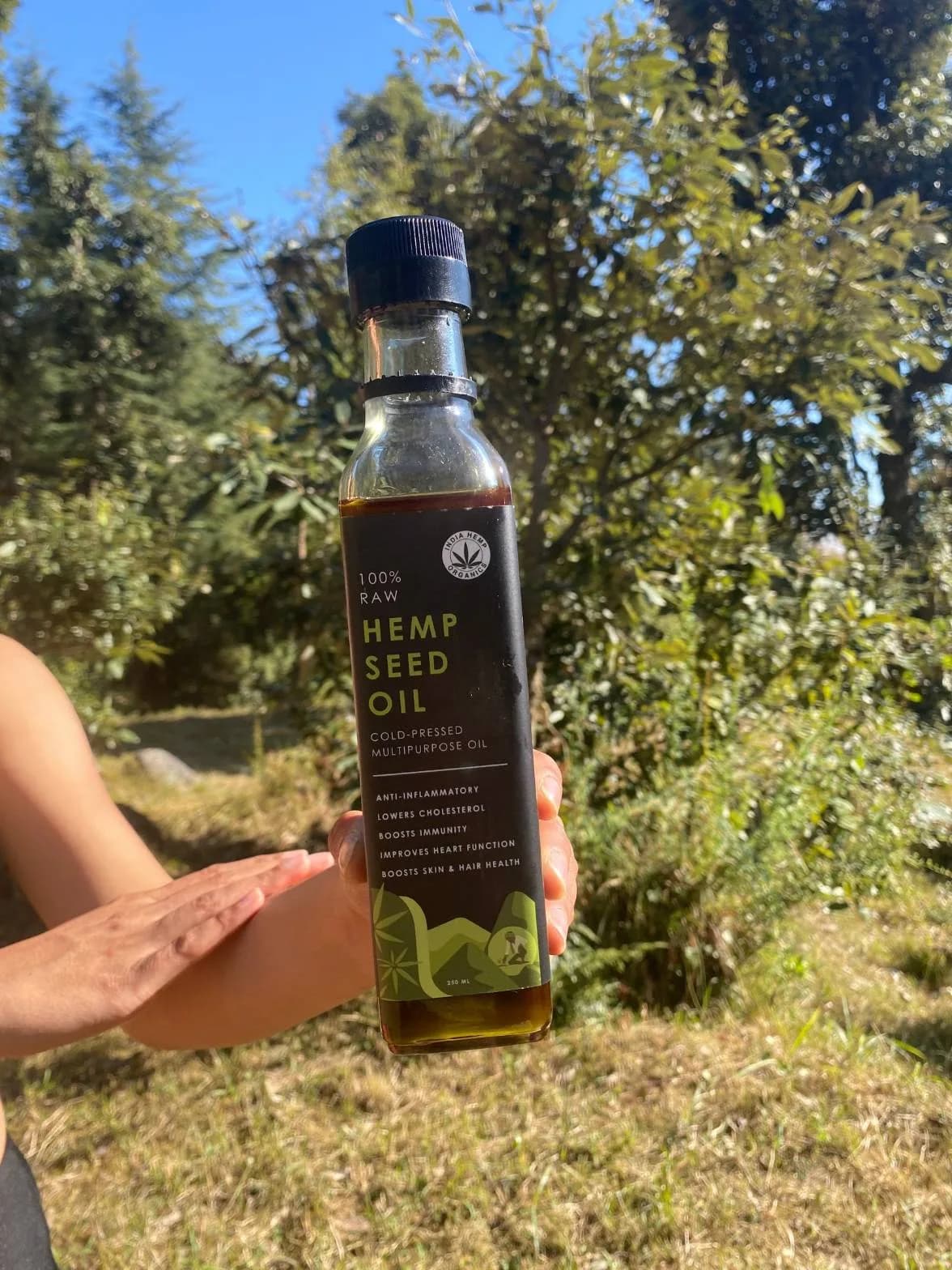
- Hemp seed oil: Cold-pressed oil rich in omega fatty acids, perfect for salad dressings and skin care
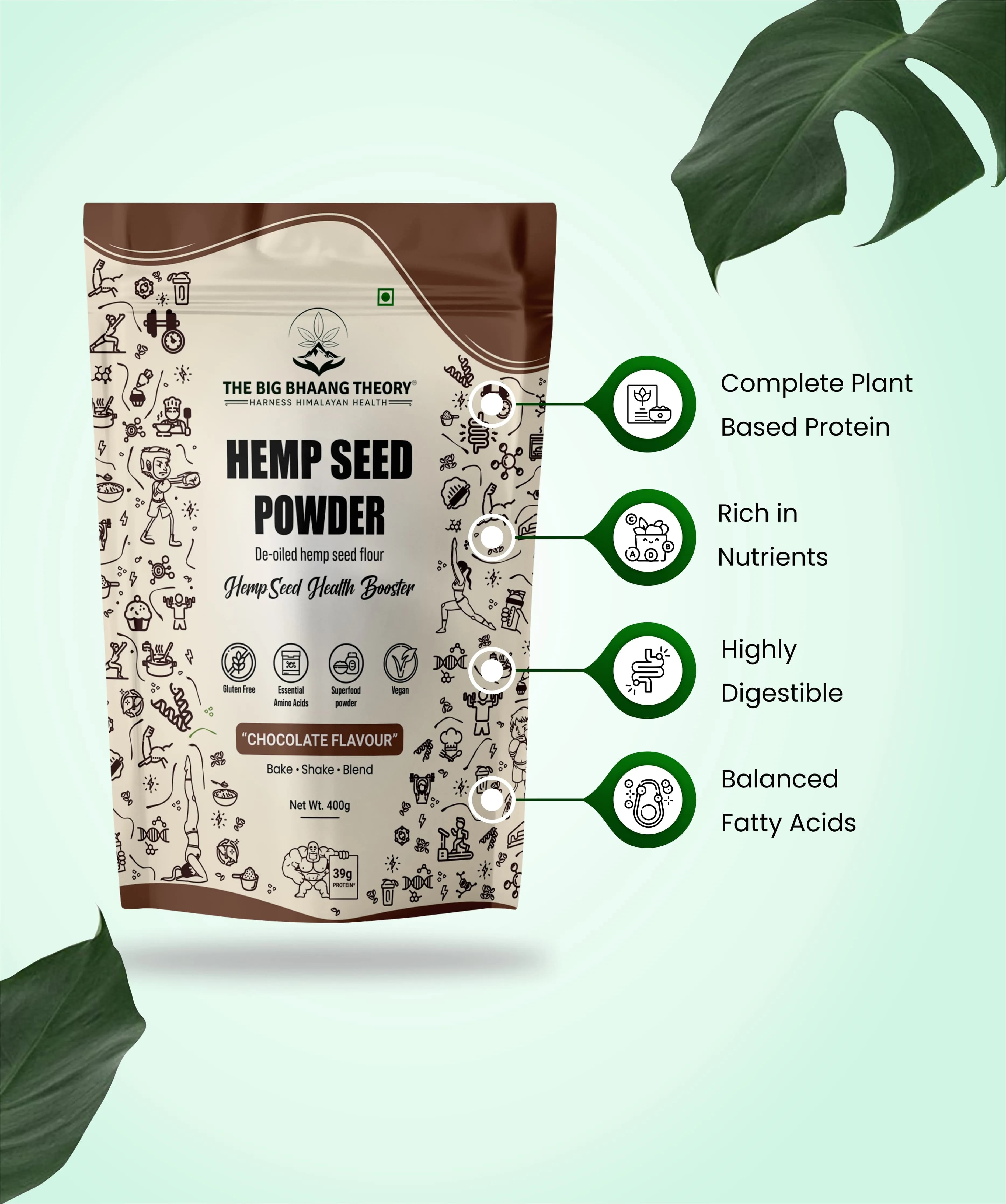
- Hemp seed protein powder: Concentrated protein source available in flavors like chocolate hemp seed powder
Unlike flax or chia seeds, hemp seeds don't require grinding or soaking before consumption, making them incredibly convenient for busy lifestyles. You can explore the full range at our hemp seeds collection.
Complete Nutritional Profile: Why Hemp Seeds Are a Superfood
The hemp seed benefits stem from their exceptional nutritional density. A 30-gram (3-tablespoon) serving of shelled hemp seeds provides:
| Nutrient | Amount per 30g | % Daily Value |
|---|---|---|
| Calories | 166 kcal | 8% |
| Protein | 9.5g | 19% |
| Fat (mostly unsaturated) | 14.5g | 22% |
| Omega-6 (Linoleic acid) | 8.4g | - |
| Omega-3 (Alpha-linolenic acid) | 2.8g | - |
| Fiber | 1.2g | 5% |
| Magnesium | 210mg | 50% |
| Phosphorus | 405mg | 58% |
| Zinc | 3mg | 27% |
| Iron | 2.4mg | 13% |
| Vitamin E | 3mg | 20% |
Key nutritional highlights:
- Complete protein source: Contains all 9 essential amino acids, rare in plant foods
- Optimal omega ratio: 3:1 omega-6 to omega-3 ratio, considered ideal for human health
- Rich in GLA: Gamma-linolenic acid, an omega-6 fatty acid with anti-inflammatory properties
- Mineral-dense: Exceptional source of magnesium, phosphorus, and zinc
- Digestible protein: Contains edestin and albumin, highly bioavailable protein forms
A 2020 review in the Journal of Agricultural and Food Chemistry by Rodriguez-Leyva and Pierce confirmed that hemp seeds provide one of the most balanced nutritional profiles among plant-based foods, particularly for cardiovascular and anti-inflammatory support.
Top 12 Evidence-Based Hemp Seed Benefits for Health
1. Cardiovascular Health & Heart Protection
The hemp seed benefits for heart health are perhaps the most well-researched. The optimal 3:1 ratio of omega-6 to omega-3 fatty acids helps reduce inflammation, lower blood pressure, and decrease cardiovascular disease risk.
A 2014 study published in Nutrition & Metabolism by Prociuk et al. found that hemp seed consumption significantly reduced blood pressure and improved arterial function in hypertensive individuals. The arginine content in hemp seeds converts to nitric oxide, which dilates blood vessels and improves circulation.
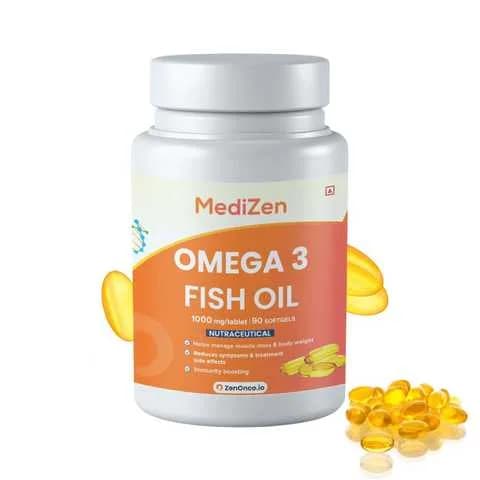
Hemp seeds also contain plant sterols that reduce cholesterol absorption in the gut, making them particularly valuable for Indians with familial hypercholesterolemia or metabolic syndrome. For comprehensive heart support, consider pairing hemp seeds with Omega-3 supplements from ZenOnco.
2. High-Quality Plant-Based Protein for Muscle Growth
With approximately 30% protein by weight (in shelled hemp seeds), hemp provides one of the highest protein contents among plant foods. This makes hemp seed benefits particularly valuable for vegetarian and vegan athletes, bodybuilders, and anyone seeking to increase protein intake.
Unlike many plant proteins, hemp contains all nine essential amino acids in sufficient quantities to support muscle protein synthesis. The protein is approximately 65% edestin and 35% albumin—both highly digestible globular proteins similar to those found in human blood plasma.
A 2010 study in the European Journal of Clinical Nutrition demonstrated that hemp protein has a Protein Digestibility Corrected Amino Acid Score (PDCAAS) of approximately 0.66, comparable to lentils and superior to most nuts and seeds.
3. Anti-Inflammatory Effects & Pain Management
One of the most significant hemp seed benefits comes from gamma-linolenic acid (GLA), an omega-6 fatty acid with powerful anti-inflammatory properties. GLA is converted in the body to dihomo-gamma-linolenic acid (DGLA), which produces anti-inflammatory prostaglandins.
Research published in the Journal of Arthritis and Rheumatism (2008) by Zurier et al. showed that GLA supplementation significantly reduced symptoms in rheumatoid arthritis patients, including morning stiffness and joint tenderness.
For those managing chronic pain conditions, combining hemp seeds with topical applications like Cannarma Pain Relief Balm may provide comprehensive relief. You can explore more options at our pain relief collection.
4. Skin Health & Dermatological Benefits
Hemp seed benefits extend to skin health through multiple mechanisms. The balanced omega fatty acids help maintain the skin's lipid barrier, while vitamin E provides antioxidant protection against UV damage and premature aging.
A 2005 study in the Journal of Dermatological Treatment by Callaway et al. found that dietary hemp seed oil significantly improved symptoms of atopic dermatitis (eczema) after 20 weeks, including reduced skin dryness and itchiness.
For external application, hemp seed oil can be applied directly to skin or used in DIY face masks. The oil is non-comedogenic (won't clog pores) and suitable for all skin types, including acne-prone skin. For ready-to-use formulations, check our hemp skin care collection.
5. Digestive Health & Gut Microbiome Support
Whole hemp seeds contain both soluble and insoluble fiber, supporting digestive health and regular bowel movements. The fiber content feeds beneficial gut bacteria, promoting a healthy microbiome.
In Ayurvedic terms, hemp seeds kindle agni (digestive fire) while providing bulk that sweeps ama (toxins) from the intestinal tract. They're particularly beneficial for Vata-type constipation, which is characterized by dryness and irregular elimination.
Hemp seeds also contain phytosterols that may help prevent gallstone formation. For those with sensitive digestion, start with shelled hemp hearts and gradually increase to whole seeds as tolerance improves.
6. Hormonal Balance & PMS Relief
The GLA content in hemp seeds makes them particularly beneficial for women's hormonal health. GLA helps regulate prostaglandin production, which influences hormonal balance, menstrual regularity, and PMS symptoms.
A systematic review in the Reproductive Health journal (2011) found that GLA supplementation significantly reduced breast pain, irritability, fluid retention, and depression associated with premenstrual syndrome.
For women managing menstrual irregularities or menopausal symptoms, hemp seeds can be combined with Ayurvedic formulations. Visit our doctor consultation page for personalized hormonal health guidance.
7. Brain Health & Cognitive Function
Hemp seed benefits for brain health stem from their omega-3 content, particularly alpha-linolenic acid (ALA), which is converted to EPA and DHA—essential fatty acids for brain structure and function.
Research in Nutritional Neuroscience (2016) by Dyall demonstrated that adequate omega-3 intake is associated with reduced risk of cognitive decline, improved memory, and lower rates of neurodegenerative diseases like Alzheimer's.
Hemp seeds also contain polyphenols and vitamin E, which protect brain cells from oxidative stress. The magnesium content supports neurotransmitter function and may help prevent migraines and improve mood.
8. Immune System Strengthening
The combination of omega fatty acids, zinc, and vitamin E in hemp seeds provides comprehensive immune support. Omega-3 fatty acids help regulate inflammation—a key component of immune function—while zinc is essential for T-cell development and antibody production.
Hemp seeds contain compounds that support both innate and adaptive immunity, making them valuable during seasonal transitions when immune challenges increase. For additional immune support, explore our immunity collection.
9. Blood Sugar Regulation & Diabetes Management
Hemp seed benefits include potential blood sugar regulation through multiple mechanisms. The protein and fiber content slow carbohydrate absorption, preventing blood glucose spikes. The magnesium content improves insulin sensitivity.
A 2016 study in Nutrition Research and Practice found that hemp seed consumption improved glycemic control markers in type 2 diabetes patients, including reduced fasting blood glucose and improved HbA1c levels.
For those managing diabetes, hemp seeds make an excellent addition to meals, providing satiety without dramatically affecting blood sugar. Always monitor blood glucose when adding new foods and consult your healthcare provider.
10. Weight Management & Satiety
The combination of protein, healthy fats, and fiber in hemp seeds promotes satiety and may support healthy weight management. Unlike simple carbohydrates, hemp seeds provide sustained energy without causing blood sugar crashes that trigger hunger.
The GLA content may also support weight loss by improving fat metabolism and reducing inflammation associated with obesity. Hemp seeds can be added to smoothies, salads, or yogurt for a nutrient-dense, low-glycemic snack.
11. Bone Health & Mineral Density
Hemp seeds are exceptionally rich in minerals critical for bone health, including magnesium, phosphorus, and calcium. These minerals work synergistically to maintain bone mineral density and prevent osteoporosis.
The omega-3 fatty acids in hemp seeds also support bone health by reducing inflammatory bone loss. This makes hemp seeds particularly valuable for postmenopausal women and older adults at risk for osteoporosis.
12. Hair Health & Growth
Hemp seed benefits extend to hair health through their omega fatty acid content, which nourishes hair follicles from within. The protein provides amino acids necessary for keratin production, while zinc supports hair growth and repair.
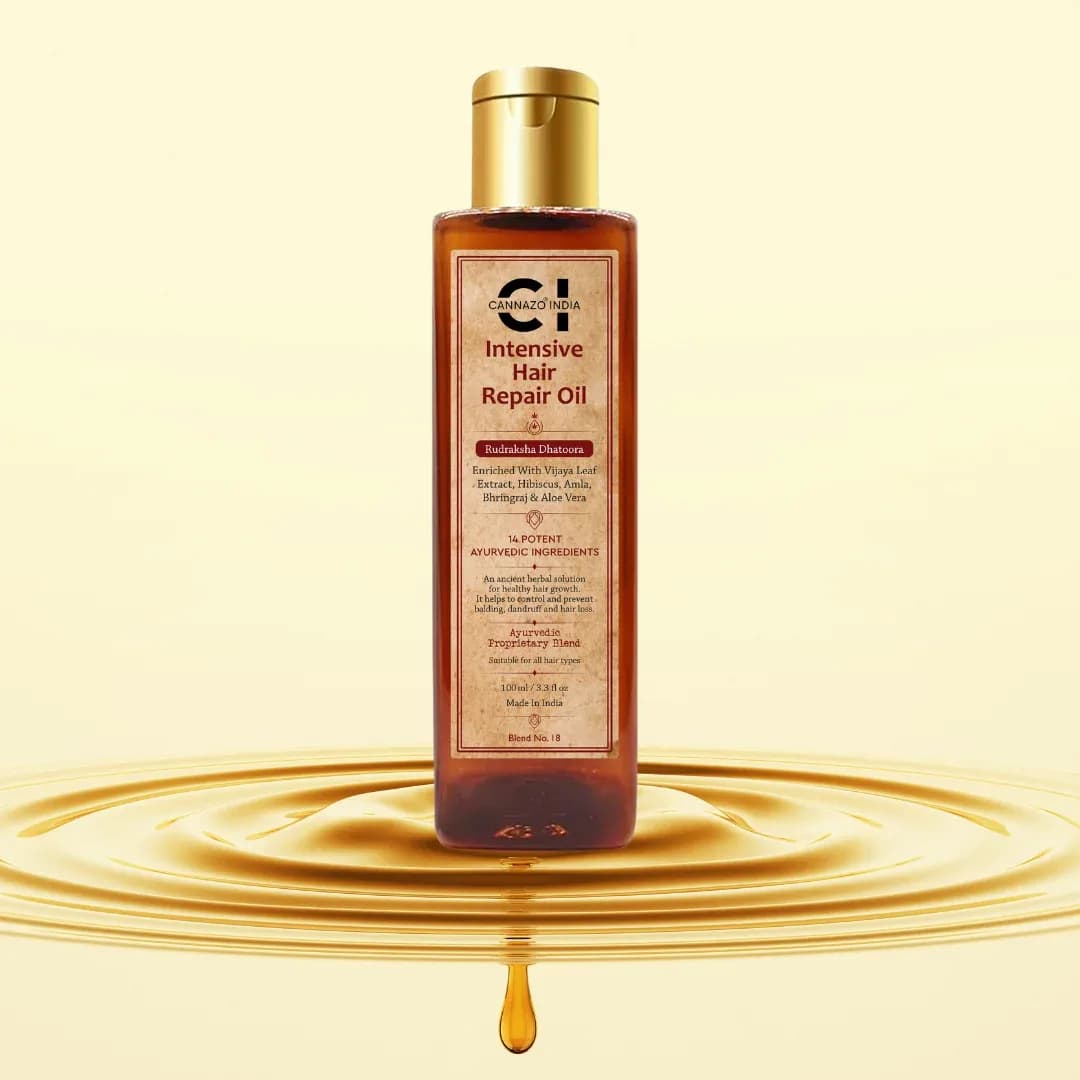
For external application, hemp-based hair oils can be applied to the scalp and hair to reduce dryness, breakage, and dandruff. For comprehensive hair care, visit our hemp hair care collection.
Hemp Seeds in Ayurveda: Traditional Wisdom Meets Modern Science
In Ayurvedic medicine, hemp seeds (bhang beej) are classified as:
- Rasa (taste): Madhura (sweet) and Tikta (bitter)
- Virya (potency): Ushna (heating)
- Vipaka (post-digestive effect): Madhura (sweet)
- Dosha effect: Balances Vata, may increase Pitta if consumed in excess, neutral for Kapha
Ayurvedic practitioners recommend hemp seeds for:
- Vata imbalances: Dryness, constipation, anxiety, insomnia, joint pain
- Ojas building: The nutritional density nourishes ojas (vitality essence)
- Majja dhatu: Supports nervous tissue and bone marrow
- Rakta dhatu: Purifies and nourishes blood tissue
Traditional preparation methods include:
- Roasting seeds lightly to enhance digestibility (particularly for Kapha types)
- Soaking in warm water overnight for Vata types
- Combining with cooling herbs like coriander or fennel for Pitta types
- Making hemp seed milk by blending with water, dates, and cardamom
For personalized Ayurvedic recommendations based on your constitution, book a consultation with our Ayurvedic practitioners.
How to Use Hemp Seeds: Dosage, Preparation & Recipes
Recommended Dosage
General wellness: 2-3 tablespoons (20-30g) of shelled hemp seeds daily
Therapeutic use: 3-5 tablespoons (30-50g) daily for conditions like inflammation, skin disorders, or cardiovascular issues
Athletes/bodybuilders: 4-6 tablespoons (40-60g) daily for additional protein and recovery support
Start with 1 tablespoon daily and gradually increase to assess tolerance. Some people may experience digestive changes when first introducing hemp seeds.
Preparation Methods
Raw: Sprinkle directly on salads, yogurt, or fruit. No preparation needed for hemp hearts.
Roasted: Lightly toast in a dry pan for 2-3 minutes to enhance nutty flavor. Don't overheat, as this can damage delicate omega fatty acids.
Ground: Grind in a coffee grinder or mortar and pestle for easier digestion and nutrient absorption.
Hemp milk: Blend 1 cup hemp seeds with 4 cups water, strain, and sweeten with dates or jaggery.
Indian Recipe Ideas
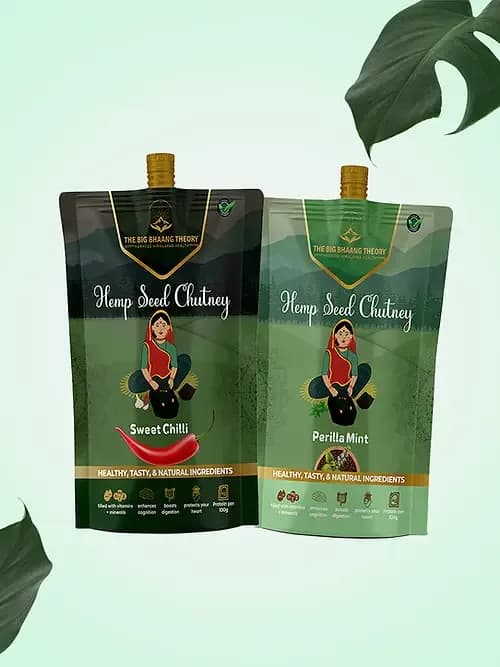
- Hemp seed chutney: Try ready-made options like Hemp Seed Chutney from Big Bhaang Theory
- Hemp paratha: Mix ground hemp seeds into whole wheat dough
- Hemp ladoo: Combine roasted hemp seeds with jaggery, ghee, and cardamom
- Hemp raita: Add hemp seeds to yogurt with cucumber and mint
- Hemp smoothie: Blend with banana, dates, almond milk, and chocolate hemp protein powder
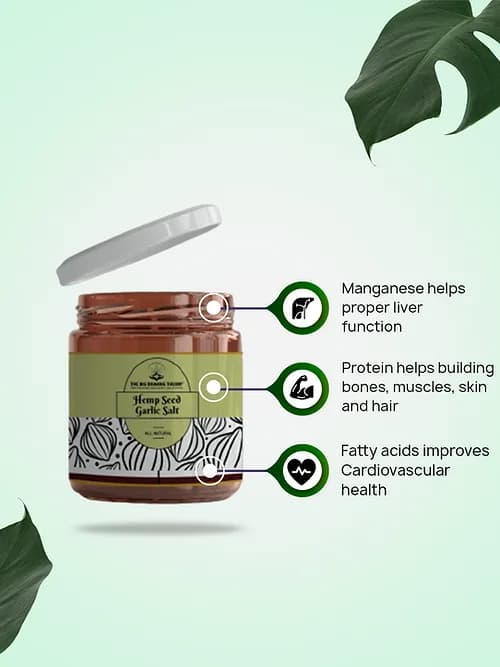
- Hemp seasoning: Use Hemp Seed Garlic Salt on vegetables, dal, or rice
For more culinary inspiration, visit our hemp food & nutrition collection.
Hemp Seeds vs Other Seeds: Nutritional Comparison
| Nutrient (per 30g) | Hemp Seeds | Chia Seeds | Flax Seeds | Pumpkin Seeds |
|---|---|---|---|---|
| Protein | 9.5g | 5.2g | 5.4g | 8.5g |
| Omega-3 | 2.8g | 5.1g | 6.4g | 0.1g |
| Omega-6 | 8.4g | 1.8g | 1.7g | 6.0g |
| Omega Ratio (6:3) | 3:1 (optimal) | 0.35:1 | 0.27:1 | 60:1 |
| Magnesium | 210mg | 95mg | 110mg | 168mg |
| Iron | 2.4mg | 2.2mg | 1.6mg | 2.6mg |
| Preparation needed | No (ready to eat) | Yes (soaking) | Yes (grinding) | No |
| Complete protein | Yes | No | No | No |
Key advantages of hemp seeds:
- Highest protein content with complete amino acid profile
- Optimal 3:1 omega-6 to omega-3 ratio (closest to human nutritional needs)
- Contains GLA (not found in other common seeds)
- No preparation needed—ready to eat right from the package
- Excellent mineral profile, especially magnesium
Potential Side Effects & Precautions
Hemp seeds are generally safe for most people when consumed in appropriate amounts. However, be aware of these considerations:
Digestive Effects
Some people may experience mild digestive upset, bloating, or diarrhea when first introducing hemp seeds, particularly whole seeds with shells. Start with small amounts and gradually increase.
Drug Interactions
Hemp seeds may interact with blood thinners (anticoagulants) due to their omega-3 content. If taking warfarin or similar medications, consult your healthcare provider before regular consumption.
Allergic Reactions
While rare, some individuals may be allergic to hemp. Symptoms may include skin rashes, digestive issues, or respiratory symptoms. Discontinue use if allergic reactions occur.
THC Content Concerns
High-quality hemp seeds should contain negligible THC (less than 0.3%). However, improper processing may lead to trace contamination from other plant parts. Purchase from reputable sources like our verified hemp seed collection.
Pregnancy & Breastfeeding
While hemp seeds are nutritious, pregnant and breastfeeding women should consult healthcare providers before regular consumption, particularly regarding appropriate dosage.
For personalized safety guidance, consult our medical panel who can assess your individual health profile and potential interactions.
Hemp Seeds Legal Status in India
Hemp seeds and hemp seed products are legal in India when they contain less than 0.3% THC. The NDPS Act 1985 prohibits cannabis flowers and resin but specifically exempts seeds and leaves (when not used for producing resin).
Several Indian states have begun licensing industrial hemp cultivation:
- Uttarakhand: First state to license hemp cultivation (2015)
- Himachal Pradesh: Licenses issued for industrial hemp farming
- Maharashtra: Hemp cultivation permitted with proper licensing
- Tamil Nadu, Uttar Pradesh, Madhya Pradesh: Various pilot programs and licensing frameworks
When purchasing hemp seeds, ensure:
- Products come from licensed suppliers with proper FSSAI certification
- THC content is clearly labeled as <0.3%
- Products are marketed as food/nutrition, not medicine (unless AYUSH-licensed)
All products at THC Store meet Indian legal requirements and are sourced from licensed suppliers. For questions about legality or regulation, check our FAQ page or contact our team.
Where to Buy Premium Hemp Seeds in India
Quality matters significantly with hemp seeds. Look for:
- Organic certification: Ensures no pesticide residues
- Cold-pressed oils: Heat damages omega fatty acids
- Proper packaging: Dark bottles or opaque bags protect from light oxidation
- Freshness: Check manufacturing and expiry dates
- Third-party testing: Ensures THC content and purity
Recommended Products at THC Store
| Product | Best For | Price |
|---|---|---|
| Hemp Hearts - Indus Hemp | Daily nutrition, heart health, easy digestion | ₹699 |
| Hemp Seed Oil (250ml) | Cooking, salad dressings, skin care | ₹849 |
| Hemp Seed Powder - Chocolate (400g) | Protein shakes, smoothies, post-workout | ₹550 |
| Hemp Seed Chutney Combo - Big Bhaang Theory | Indian meals, traditional preparation | ₹325 |
| Hemp Seed Garlic Salt (25g) | Everyday seasoning, mineral boost | ₹130 |
Browse our complete hemp seeds collection for more options. We offer nationwide delivery, secure payment options, and membership benefits for regular customers.
Hemp Seeds Storage & Shelf Life
Proper storage is essential to preserve the delicate omega fatty acids in hemp seeds:
- Unopened packages: Store in a cool, dark place. Shelf life typically 12-14 months
- Opened packages: Refrigerate in an airtight container. Use within 3-4 months
- Hemp seed oil: Must be refrigerated after opening. Use within 2-3 months
- Ground hemp seeds: Grind only what you need. Refrigerate ground seeds and use within 2 weeks
Signs of rancidity include a bitter taste or unpleasant smell. Discard rancid seeds as oxidized fats may be harmful.
Frequently Asked Questions About Hemp Seed Benefits
Can hemp seeds make you high or cause a positive drug test?
No, properly processed hemp seeds contain negligible THC (less than 0.3%) and will not produce psychoactive effects. However, extremely high consumption of unrefined hemp seeds (over 100g daily) might theoretically cause a positive drug test due to trace THC. For safety with drug testing, choose hulled hemp hearts from reputable suppliers like our verified collection.
How many hemp seeds should I eat daily for optimal health benefits?
For general health maintenance, 2-3 tablespoons (20-30 grams) of hemp seeds daily provides excellent nutrition without excessive calories. For therapeutic purposes (inflammation, skin conditions, cardiovascular support), 3-5 tablespoons (30-50 grams) daily may be beneficial. Athletes may consume up to 6 tablespoons (60 grams) daily for additional protein. Always start with smaller amounts and gradually increase to assess tolerance.
Are hemp seeds safe during pregnancy and breastfeeding?
Hemp seeds are highly nutritious and may benefit pregnant and breastfeeding women due to their omega-3, protein, and mineral content. However, the lack of extensive research in this population means you should consult your obstetrician or healthcare provider before regular consumption. Ensure products are from reputable sources with guaranteed low THC content. Book a consultation with our medical team for personalized guidance.
What's the difference between hemp seeds, hemp hearts, and hemp protein powder?
Hemp seeds are the whole seed with the outer shell intact, providing maximum fiber. Hemp hearts are shelled hemp seeds—softer, easier to digest, and with slightly higher protein concentration. Hemp protein powder is made from defatted hemp seeds (after oil extraction), providing concentrated protein but less fat and fewer omega fatty acids. Choose based on your goals: whole seeds for fiber, hearts for nutrition and convenience, powder for maximum protein.
Can I use hemp seed oil for cooking at high temperatures?
No, hemp seed oil has a low smoke point (around 165°C/330°F) and should not be used for high-heat cooking, as this destroys the beneficial omega fatty acids and creates harmful compounds. Use hemp seed oil for cold applications like salad dressings, finishing oils, smoothies, or drizzling over cooked foods. For cooking, use more stable oils like ghee or coconut oil, then add hemp seed oil after cooking.
Conclusion: Embracing Hemp Seeds for Holistic Wellness
The remarkable hemp seed benefits span cardiovascular health, muscle building, anti-inflammation, skin rejuvenation, hormonal balance, and much more. With their complete amino acid profile, optimal omega fatty acid ratio, impressive mineral content, and versatile culinary applications, hemp seeds represent one of nature's most comprehensive superfoods.
Whether you're seeking plant-based protein, managing chronic inflammation, supporting heart health, or simply optimizing your nutrition, hemp seeds offer evidence-based benefits backed by both modern research and ancient Ayurvedic wisdom.
As India continues to rediscover the therapeutic potential of hemp—a plant deeply woven into our cultural and medicinal heritage—incorporating hemp seeds into your daily diet represents a simple yet powerful step toward holistic wellness.
Ready to experience the transformative benefits of premium hemp seeds? Explore our carefully curated hemp seeds collection, all sourced from licensed suppliers and compliant with Indian regulations. For broader hemp and cannabis wellness options, visit our hemp food & nutrition section.
Need personalized guidance on incorporating hemp seeds into your health routine? Book a consultation with our Ayurvedic and integrative medicine practitioners, or use our dosage calculator for customized recommendations.
Join our membership program for exclusive discounts, early access to new products, and ongoing wellness education. For questions about hemp seeds, product selection, or India-specific regulations, visit our comprehensive FAQ page or contact our knowledgeable team.
Start Your Hemp Wellness Journey Today
Experience the complete nutritional power of hemp seeds with our premium selection:
- ✓ FSSAI-certified products from licensed suppliers
- ✓ Third-party tested for purity and THC content
- ✓ Nationwide delivery across India
- ✓ Expert guidance from Ayurvedic practitioners
- ✓ Satisfaction guaranteed
Sources & References
- Rodriguez-Leyva, D., & Pierce, G. N. (2020). "The cardiac and haemostatic effects of dietary hempseed." Journal of Agricultural and Food Chemistry, 58(11), 6727-6734.
- Prociuk, M. A., Edel, A. L., Richard, M. N.,Ididenko, M., Caligiuri, S. P., Austria, J. A., ... & Pierce, G. N. (2014). "Cholesterol-induced stimulation of platelet aggregation is prevented by a hempseed-enriched diet." Nutrition & Metabolism, 11(1), 1-8.
- Callaway, J., Schwab, U., Harvima, I., Halonen, P., Mykkänen, O., Hyvönen, P., & Järvinen, T. (2005). "Efficacy of dietary hempseed oil in patients with atopic dermatitis." Journal of Dermatological Treatment, 16(2), 87-94.
- Zurier, R. B., Rossetti, R. G., Jacobson, E. W., DeMarco, D. M., Liu, N. Y., Temming, J. E., ... & Laposata, M. (2008). "Gamma-linolenic acid treatment of rheumatoid arthritis: A randomized, placebo-controlled trial." Arthritis & Rheumatism, 39(11), 1808-1817.
- Dyall, S. C. (2016). "Long-chain omega-3 fatty acids and the brain: a review of the independent and shared effects of EPA, DPA and DHA." Nutritional Neuroscience, 18(9), 355-369.
- Kim, M. J., Yang, K. W., Kim, S. S., Park, S. M., Park, K. J., Kim, K. S., ... & Lee, M. H. (2016). "Acute effects of dietary hempseed on glucose regulation and glycemic control in healthy adults." Nutrition Research and Practice, 10(5), 526-531.
- House, J. D., Neufeld, J., & Leson, G. (2010). "Evaluating the quality of protein from hemp seed (Cannabis sativa L.) products through the use of the protein digestibility-corrected amino acid score method." European Journal of Clinical Nutrition, 64(3), 64-71.
- Kapoor, R., & Huang, Y. S. (2011). "Gamma linolenic acid: An anti-inflammatory omega-6 fatty acid." Current Pharmaceutical Biotechnology, 7(7), 531-534.
Share this article
Written by
THC Store Editorial
Published 2 hours ago