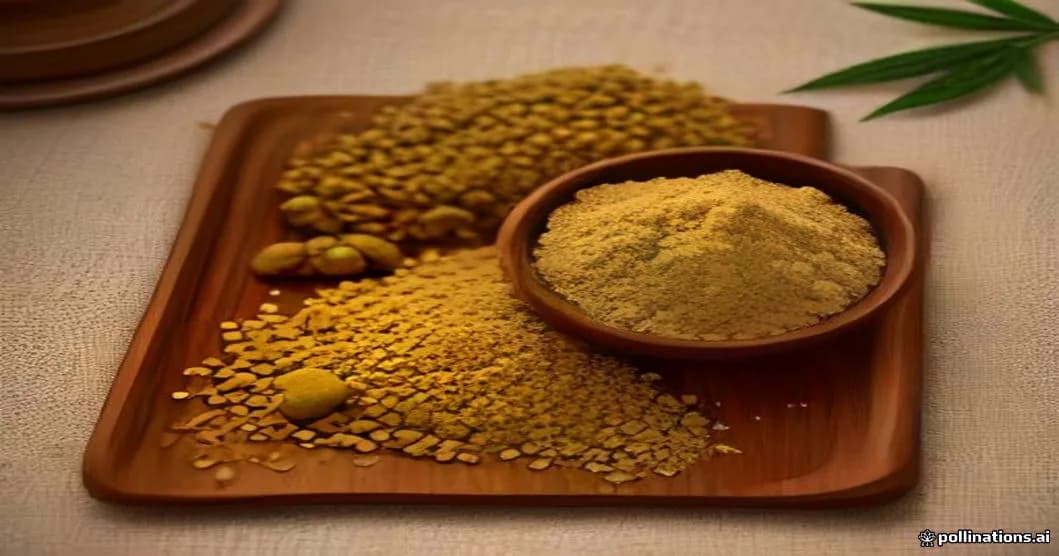
Hemp Protein Powder Benefits: Complete Nutrition Guide for India
Article Summary
Hemp Protein Powder Benefits: Complete Nutrition Guide for India What if the secret to building lean muscle, losing weight, and boosting your overall wellness was hiding in one of India's oldest cultivated crops? Hemp protein powder is emerging as th...
What if the secret to building lean muscle, losing weight, and boosting your overall wellness was hiding in one of India's oldest cultivated crops? Hemp protein powder is emerging as the plant-based protein revolution India has been waiting for. With 20 amino acids, 50% protein content by weight, and a complete amino acid profile rivaling animal proteins, hemp protein is transforming how Indians approach nutrition, fitness, and sustainable wellness. In this comprehensive guide, we'll explore the science-backed benefits of hemp protein powder, how it compares to whey and other plant proteins, and how you can integrate this Ayurvedic superfood into your daily routine.
Disclaimer: This article is for informational purposes only and does not constitute medical advice. Always consult a qualified healthcare professional before starting any new supplement or treatment. Cannabis-based products may require a prescription in India under NDPS Act regulations. Book a consultation with our panel doctors for personalized guidance.
What Is Hemp Protein Powder? Understanding This Plant-Based Superfood
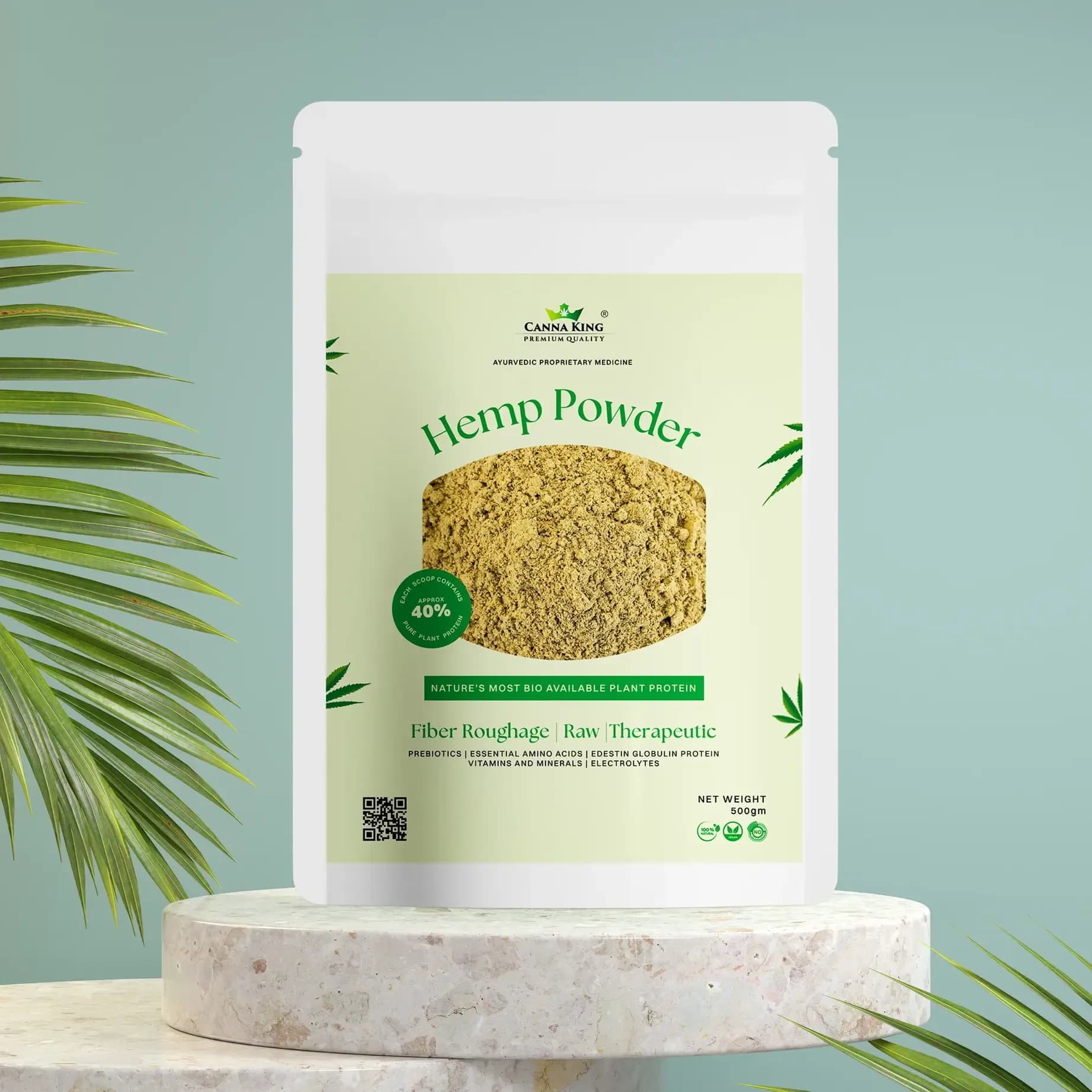
Hemp protein powder is derived from the seeds of the Cannabis sativa plant—the same plant that gives us hemp seeds, hemp seed oil, and other nutritious hemp food products. After the oil is cold-pressed from hemp seeds, the remaining seed cake is ground into a fine powder, creating a nutrient-dense protein supplement that contains approximately 50-70% protein by weight.
Unlike CBD oil or vijaya extract, hemp protein powder contains no THC or CBD—it's purely a nutritional product made from the seeds, which are exempt from India's NDPS Act restrictions. This makes hemp protein powder completely legal, safe, and accessible across India without requiring any prescription or special licensing.
Hemp protein stands out among plant-based proteins because it contains all nine essential amino acids that the human body cannot produce on its own. This makes it a "complete protein"—a rare quality among plant sources. According to research published in the Journal of Agricultural and Food Chemistry (House et al., 2010), hemp protein digestibility is approximately 91-98%, making it highly bioavailable and efficient for muscle synthesis and recovery.
The protein in hemp comes primarily from two globular proteins: edestin (60-80%) and albumin (20-30%). Edestin is considered one of the most easily digestible proteins and closely resembles the globulin proteins found in human blood plasma, making it particularly compatible with human biochemistry. This unique composition makes hemp powder an exceptional choice for athletes, fitness enthusiasts, and anyone seeking sustainable, plant-based nutrition.
Complete Nutritional Profile of Hemp Protein Powder
Understanding the nutritional composition of hemp protein powder reveals why it's becoming India's preferred plant-based protein supplement. A typical 30-gram serving (approximately 3 tablespoons) of hemp protein powder provides:
| Nutrient | Amount per 30g Serving | % Daily Value |
|---|---|---|
| Protein | 15-20g | 30-40% |
| Dietary Fiber | 7-8g | 28-32% |
| Omega-3 Fatty Acids (ALA) | 2-3g | 125-188% |
| Omega-6 Fatty Acids (LA) | 6-7g | - |
| Iron | 7-8mg | 39-44% |
| Magnesium | 200-300mg | 48-71% |
| Zinc | 3-4mg | 27-36% |
| Phosphorus | 400-500mg | 40-50% |
Beyond macronutrients, hemp protein powder is rich in micronutrients including vitamin E, B-complex vitamins (particularly B6, folate, and niacin), potassium, calcium, and manganese. The high fiber content—ranging from 7-8 grams per serving—supports digestive health, blood sugar regulation, and satiety, making it particularly valuable for weight management.
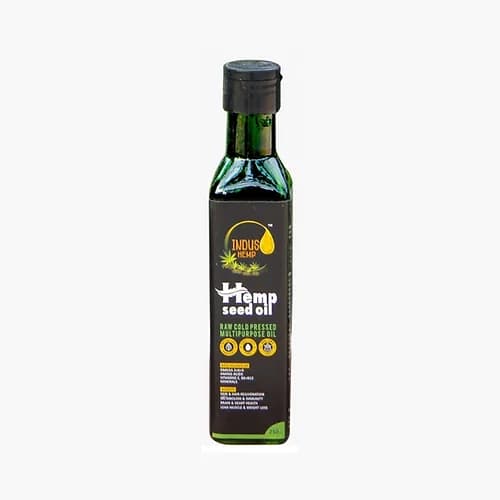
The omega-3 to omega-6 ratio in hemp protein (approximately 1:3) is considered ideal for human health according to research in Biomedicine & Pharmacotherapy (Simopoulos, 2002). This balanced ratio supports cardiovascular health, reduces inflammation, and promotes cognitive function. You can enhance your omega intake further by combining hemp protein with hemp hearts or hemp seed oil in smoothies and recipes.
Science-Backed Hemp Protein Powder Benefits for Health and Fitness
Muscle Building and Recovery
Hemp protein powder contains all nine essential amino acids required for muscle protein synthesis, including high concentrations of branched-chain amino acids (BCAAs): leucine, isoleucine, and valine. These BCAAs are critical for stimulating muscle growth, reducing exercise-induced muscle damage, and accelerating recovery.
A study published in the Journal of the International Society of Sports Nutrition (Wang et al., 2018) found that plant-based proteins, including hemp, can be equally effective as whey protein for muscle hypertrophy when consumed in adequate quantities with balanced amino acid profiles. The leucine content in hemp protein (approximately 1.5-2g per 30g serving) meets the threshold (2-3g) required to trigger maximal muscle protein synthesis, making it a viable alternative to animal-based proteins for Indian athletes and bodybuilders.
For optimal muscle building, combine hemp seed flour or protein powder with resistance training. Consume 20-30g of hemp protein within 30-60 minutes post-workout to maximize muscle recovery and growth.
Weight Loss and Appetite Control
The high fiber and protein content in hemp protein powder makes it exceptionally effective for weight management. Protein increases satiety by reducing levels of ghrelin (the hunger hormone) while boosting peptide YY (a satiety hormone), according to research in the American Journal of Clinical Nutrition (Weigle et al., 2005).
Hemp protein's fiber content slows digestion, stabilizes blood sugar levels, and prevents the insulin spikes that lead to fat storage and cravings. A 2015 study in Obesity Reviews found that high-protein diets (25-30% of calories) can increase metabolic rate by 80-100 calories per day through the thermic effect of food—meaning your body burns more calories just digesting protein.
To support weight loss goals, replace one meal daily with a hemp protein smoothie containing hemp granola, berries, and leafy greens. This strategy can create a caloric deficit while maintaining muscle mass and nutritional adequacy.
Heart Health and Cholesterol Management
Hemp protein contains significant amounts of arginine, an amino acid that produces nitric oxide in the body. Nitric oxide causes blood vessels to dilate, improving blood flow and reducing blood pressure. Research in The Journal of Nutrition (Dong et al., 2011) demonstrated that arginine supplementation significantly reduced both systolic and diastolic blood pressure in hypertensive individuals.
The gamma-linolenic acid (GLA) found in hemp protein has been shown to reduce inflammation and may lower the risk of heart disease. A comprehensive review in Atherosclerosis (Rodriguez-Leyva & Pierce, 2010) found that hemp seed consumption improved the omega-3 index, reduced inflammation markers, and decreased cardiovascular disease risk factors.
For heart health support, combine hemp protein with other hemp seed products and consult with healthcare professionals through our doctor consultation service for personalized cardiovascular wellness plans.
Digestive Health and Gut Microbiome Support
Unlike whey protein, which can cause digestive discomfort in lactose-intolerant individuals (approximately 60-70% of the Indian population), hemp protein is naturally dairy-free, gluten-free, and gentle on the digestive system. The soluble and insoluble fiber in hemp protein feeds beneficial gut bacteria, supporting a healthy microbiome.
Research in Nutrients (Makki et al., 2018) has established that dietary fiber promotes the growth of beneficial bacteria like Bifidobacteria and Lactobacilli, which produce short-chain fatty acids (SCFAs) that reduce inflammation, strengthen the intestinal barrier, and support immune function.
The high fiber content also promotes regular bowel movements, prevents constipation, and may reduce the risk of colorectal disorders. For those with sensitive digestion, hemp seed flour provides a gentle, easily digestible protein source without common allergens like soy, dairy, or gluten.
Blood Sugar Regulation and Diabetes Management
Hemp protein's combination of protein, healthy fats, and fiber creates a low glycemic response, making it ideal for individuals with diabetes or those at risk. A study in Nutrition & Metabolism (Parker et al., 2012) found that hemp seed consumption significantly improved glycemic control and reduced fasting insulin levels in diabetic mice.
The magnesium content in hemp protein (200-300mg per serving) is particularly significant, as magnesium deficiency is associated with insulin resistance and type 2 diabetes. Research in Diabetes Care (Rodriguez-Moran & Guerrero-Romero, 2014) demonstrated that magnesium supplementation improved insulin sensitivity and glycemic control in diabetic patients.
Indian diabetics can benefit from replacing high-glycemic carbohydrates with hemp protein smoothies or incorporating hemp powder into rotis, idlis, and other traditional foods to lower the overall glycemic load of meals.
Hemp Protein vs. Whey Protein: Complete Comparison for Indian Consumers
The debate between hemp protein and whey protein is central to India's growing fitness and wellness community. Here's a comprehensive comparison to help you make an informed choice:
| Factor | Hemp Protein | Whey Protein |
|---|---|---|
| Protein Content | 50-70% per serving | 80-90% per serving |
| Complete Protein | Yes (all 9 EAAs) | Yes (all 9 EAAs) |
| Digestibility | 91-98% | 95-99% |
| Fiber Content | 7-8g per serving | 0-1g per serving |
| Omega-3 Content | 2-3g per serving | Minimal |
| Lactose-Free | Yes | No (unless isolate) |
| Suitable for Vegans | Yes | No |
| Environmental Impact | Low (sustainable crop) | High (dairy industry) |
| Price (India) | ₹200-800/kg | ₹400-2000/kg |
| Allergen Risk | Very low | Moderate-High (dairy) |
While whey protein offers slightly higher protein concentration and absorption rates, hemp protein provides a more holistic nutritional profile with fiber, healthy fats, minerals, and antioxidants. For lactose-intolerant Indians, vegans, or those seeking sustainable nutrition, hemp protein is the superior choice. For maximum muscle building, some athletes combine both proteins or use higher doses of hemp protein (40-50g) to match whey's amino acid delivery.
Explore our full range of hemp nutrition products to find options that fit your dietary preferences and fitness goals. Our membership program offers exclusive discounts on bulk purchases of hemp protein and other wellness products.
Hemp Protein Benefits for Specific Health Goals
For Athletes and Bodybuilders
Hemp protein supports athletic performance through multiple mechanisms: complete amino acid profile for muscle synthesis, anti-inflammatory omega-3s for recovery, magnesium for muscle function and energy production, and iron for oxygen delivery to working muscles.
Professional athletes increasingly choose hemp protein for its clean, natural composition without artificial additives, sweeteners, or hormones often found in conventional sports supplements. The anti-inflammatory properties of GLA and omega-3s can reduce exercise-induced inflammation and delayed-onset muscle soreness (DOMS).
Combine hemp seed flour with carbohydrate sources like bananas or oats post-workout to replenish glycogen stores while delivering protein for muscle repair.
For Women's Health and Hormonal Balance
The gamma-linolenic acid (GLA) in hemp protein has demonstrated significant benefits for women's hormonal health. Research in Reproductive Health (2011) found that GLA supplementation reduced PMS symptoms including breast tenderness, mood swings, and cramping by up to 50%.
Hemp protein's high iron content (7-8mg per serving) is particularly valuable for menstruating women, who require 18mg daily—significantly more than men. The combination of plant-based iron with vitamin C-rich foods enhances absorption and helps prevent iron-deficiency anemia, common in Indian women.
During pregnancy and lactation, hemp protein provides essential nutrients without the mercury concerns associated with fish-based omega-3 sources. However, pregnant women should consult healthcare providers through our consultation service before adding any new supplements.
For Senior Health and Sarcopenia Prevention
Age-related muscle loss (sarcopenia) affects 30-50% of adults over 60, leading to frailty, falls, and loss of independence. Hemp protein's easily digestible, complete amino acid profile makes it ideal for seniors who may have reduced protein absorption capacity.
The anti-inflammatory properties of hemp protein may also support joint health and reduce arthritis symptoms. A study in Journal of Arthritis (Zurier & Burstein, 2016) found that GLA supplementation significantly reduced joint pain and stiffness in rheumatoid arthritis patients.
Seniors benefit from combining hemp protein with resistance exercises and adequate vitamin D to maintain muscle mass, bone density, and functional capacity. Our health conditions guide provides targeted recommendations for age-related wellness concerns.
How to Use Hemp Protein Powder: Dosage, Timing, and Recipes
Optimal Dosage Recommendations
The ideal hemp protein dosage varies based on body weight, activity level, and health goals:
- Sedentary adults: 0.8-1.0g protein per kg body weight daily (approximately 20-30g hemp protein per day)
- Active individuals: 1.2-1.6g protein per kg body weight daily (30-40g hemp protein per day)
- Athletes/bodybuilders: 1.6-2.2g protein per kg body weight daily (40-60g hemp protein per day)
- Weight loss: 1.5-2.0g protein per kg body weight daily (40-50g hemp protein per day)
- Seniors: 1.0-1.2g protein per kg body weight daily (25-35g hemp protein per day)
Use our dosage calculator to determine your personalized protein requirements based on your specific parameters and goals.
Best Times to Consume Hemp Protein
Post-workout (30-60 minutes after exercise): This is the optimal window for muscle protein synthesis. Consume 20-40g hemp protein with fast-digesting carbohydrates to maximize recovery and growth.
Breakfast: Starting your day with hemp protein stabilizes blood sugar, reduces cravings, and provides sustained energy. Add 15-20g to smoothies, oatmeal, or traditional Indian breakfast items like upma or idli batter.
Between meals: Hemp protein snacks prevent energy crashes and maintain satiety between meals, reducing the likelihood of unhealthy snacking.
Before bed: Consuming 15-20g hemp protein before sleep provides amino acids for overnight muscle recovery and prevents muscle breakdown during fasting.
Delicious Indian Hemp Protein Recipes
Hemp Protein Masala Chai Smoothie: Blend 30g hemp protein powder, 1 cup almond milk, 1 frozen banana, 1 tsp chai masala, 1 tsp honey, and ice. This provides approximately 22g protein with traditional Indian flavors.
Hemp Protein Roti: Mix 2 cups whole wheat flour with ½ cup hemp seed flour, add water and knead into dough. Roll and cook as normal rotis. Each roti contains 5-6g additional protein.
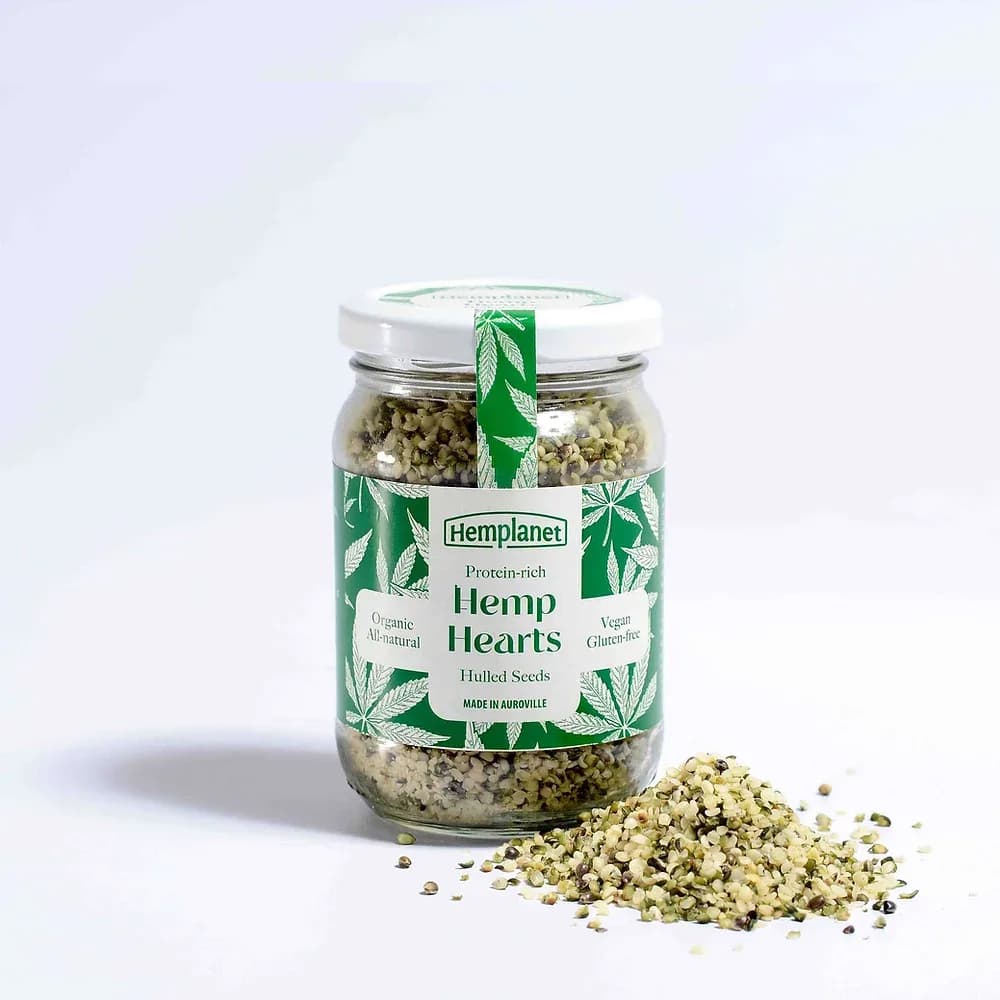
Hemp Protein Energy Balls: Combine 1 cup dates, ½ cup hemp hearts, ¼ cup hemp protein powder, 2 tbsp cocoa powder, 1 tbsp coconut oil. Roll into balls and refrigerate. Each ball provides 4-5g protein with healthy fats and fiber.
Hemp Protein Dosa Batter: Mix your regular dosa batter with 2-3 tablespoons hemp protein powder per cup of batter. This boosts the protein content while maintaining the traditional taste and texture.
Hemp Protein for Ayurvedic Wellness: Traditional Wisdom Meets Modern Nutrition
In Ayurvedic tradition, hemp (known as "bhang" or "vijaya") has been used for thousands of years as a nourishing, balancing food. The ancient text Sushruta Samhita describes hemp seeds as "balya" (strength-giving) and "brimhana" (nourishing), making them ideal for individuals with vata constitution or vata imbalances.
Ayurvedic principles classify hemp protein as:
- Rasa (taste): Madhura (sweet), tikta (bitter)
- Virya (potency): Ushna (heating)
- Vipaka (post-digestive effect): Madhura (sweet)
- Dosha effect: Balances Vata, may increase Pitta in excess, neutral to Kapha
For vata individuals (who tend toward dryness, anxiety, and irregular digestion), hemp protein's nourishing, grounding qualities combined with healthy fats make it particularly beneficial. The fiber content supports vata's tendency toward irregular elimination, while the omega-3s calm the nervous system.
Pitta individuals should consume hemp protein in moderation, as its heating quality may aggravate pitta dosha. Combining hemp protein with cooling ingredients like coconut, cucumber, or coriander can balance this effect.
Kapha individuals benefit from hemp protein's ability to build lean muscle without excess heaviness, though they should balance it with warming spices like ginger, black pepper, or turmeric.
Explore our Ayurvedic supplement collection to discover complementary herbs that work synergistically with hemp protein for holistic wellness. Consider booking a consultation with our Ayurvedic practitioners for personalized dosha-specific recommendations.
Potential Side Effects and Safety Considerations
Hemp protein is generally recognized as safe (GRAS) with an excellent safety profile. However, some individuals may experience mild side effects, particularly when first introducing hemp protein or consuming excessive amounts:
Digestive discomfort: The high fiber content (7-8g per serving) may cause bloating, gas, or loose stools in individuals unaccustomed to high-fiber diets. Start with smaller doses (10-15g) and gradually increase over 2-3 weeks to allow your digestive system to adapt.
Allergic reactions: While rare, hemp allergies do exist. Symptoms may include skin rashes, itching, or respiratory symptoms. Discontinue use and consult a healthcare provider if allergic symptoms occur.
Medication interactions: Hemp protein is unlikely to interact with medications, but the high fiber content may affect the absorption of certain drugs. Take hemp protein at least 2 hours apart from medications, particularly thyroid medications, antibiotics, or blood pressure drugs.
Blood thinning: The omega-3 content in hemp protein has mild blood-thinning properties. Individuals taking anticoagulant medications (warfarin, aspirin) should consult their healthcare provider before consuming large amounts of hemp protein.
Heavy metal concerns: Hemp plants are bioaccumulators and can absorb heavy metals from contaminated soil. Always purchase hemp protein from reputable brands that conduct third-party testing for heavy metals, pesticides, and contaminants. Our curated hemp products meet stringent quality and safety standards.
Buying Hemp Protein Powder in India: Quality Standards and Recommendations
The Indian hemp market is expanding rapidly, but quality varies significantly between brands. Here are key factors to consider when purchasing hemp protein powder:
Source and cultivation: Look for hemp protein made from organically grown hemp seeds, ideally from Uttarakhand, Himachal Pradesh, or other Indian regions with established hemp cultivation. Organic certification ensures absence of synthetic pesticides and fertilizers.
Processing method: Cold-pressed and minimally processed hemp protein retains more nutrients, enzymes, and beneficial compounds compared to high-heat processed versions. Check product labels for terms like "cold-pressed," "raw," or "minimally processed."
Protein content: Quality hemp protein powders contain 50-70% protein by weight. Lower percentages may indicate excessive fiber or lower-quality processing. Check the nutrition label for exact protein content per serving.
Third-party testing: Reputable brands provide certificates of analysis (COA) showing testing for heavy metals, pesticides, microbial contamination, and protein content. This transparency ensures product safety and accuracy.
Additives and ingredients: Pure hemp protein should contain minimal ingredients—ideally just hemp seeds or hemp seed flour. Avoid products with added sugars, artificial sweeteners, flavors, or unnecessary fillers.
Taste and texture: Hemp protein has a natural earthy, nutty flavor that some people love and others find challenging. Consider purchasing flavored versions (chocolate, vanilla) or unflavored if you plan to use it in diverse recipes.
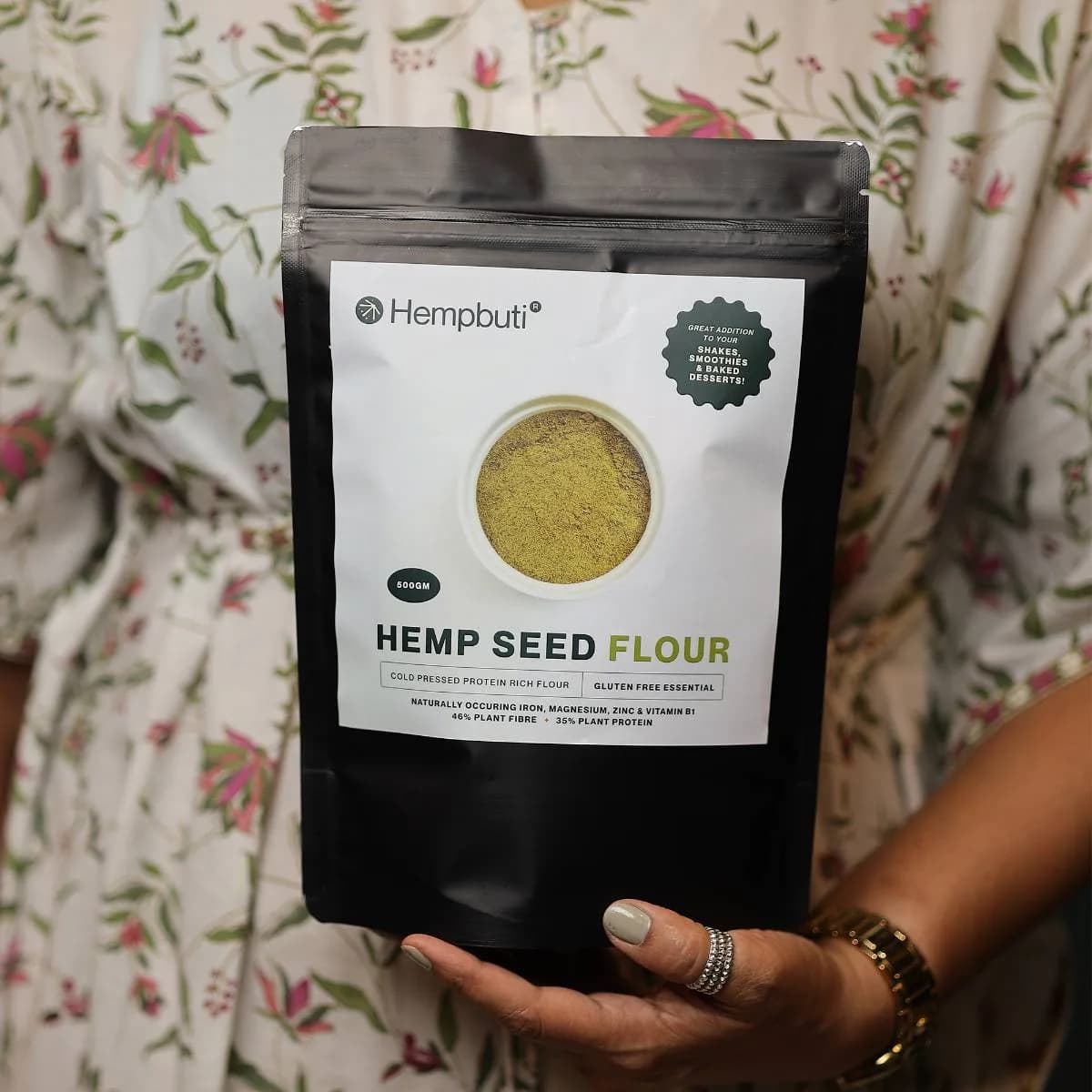
Our carefully curated selection of hemp seed flour, hemp protein powder, and hemp powder meets these quality standards, ensuring you receive premium nutrition without compromise. Explore our full product catalog for the complete range of hemp nutrition options.
Hemp Protein for Sustainability: Environmental and Ethical Benefits
Beyond personal health benefits, choosing hemp protein supports environmental sustainability and ethical agriculture. Hemp cultivation offers significant ecological advantages compared to conventional protein sources:
Water efficiency: Hemp requires approximately 50% less water than soy and 80% less than dairy production for equivalent protein yield. In water-scarce India, this efficiency is critically important.
Soil regeneration: Hemp is a phytoremediator that actually improves soil quality by removing toxins, preventing erosion, and adding organic matter. Hemp roots break up compacted soil, improving structure for future crops.
Carbon sequestration: Hemp absorbs 1.63 tons of CO2 per ton of hemp grown, making it one of the most effective carbon-sequestering crops. This helps mitigate climate change while producing nutritious food.
Pesticide-free cultivation: Hemp naturally resists most pests and diseases, eliminating the need for synthetic pesticides that harm ecosystems, pollinators, and human health.
Biodiversity support: Hemp fields support diverse pollinator populations and beneficial insects, contributing to ecosystem health and agricultural resilience.
By choosing hemp protein and hemp foods, Indian consumers support sustainable agriculture, reduce environmental impact, and encourage farmers to adopt regenerative practices. Learn more about hemp's environmental benefits in our vijaya leaf guide and explore our commitment to sustainability across all product categories.
Legal Status of Hemp Protein in India: NDPS Act and Regulations
Hemp protein powder is completely legal throughout India. Under the NDPS Act (Narcotic Drugs and Psychotropic Substances Act) of 1985, hemp seeds and products derived exclusively from seeds (including hemp protein powder, hemp seed oil, and hemp hearts) are exempt from cannabis restrictions.
The NDPS Act specifically prohibits cannabis flowers, resin, and leaves but excludes seeds and seed-derived products. This legal framework recognizes the nutritional value and zero-intoxicating properties of hemp seeds, which contain no THC or CBD.
Several Indian states, including Uttarakhand (2015), Uttar Pradesh (2021), Madhya Pradesh (2021), and Punjab (2021), have issued industrial hemp cultivation licenses, expanding legal hemp production and making high-quality, locally-sourced hemp protein increasingly accessible.
AYUSH (Ayurveda, Yoga & Naturopathy, Unani, Siddha, and Homoeopathy) ministry recognizes hemp seeds as a traditional Ayurvedic ingredient, further supporting their legal and cultural status in India.
Consumers can purchase, possess, and consume hemp protein powder without any prescription, license, or legal restriction. For products containing cannabis-derived compounds like CBD oil or vijaya extract, prescriptions and additional regulations apply. Visit our FAQ page for more information about legal compliance and product regulations.
Frequently Asked Questions About Hemp Protein Powder
Is hemp protein powder as effective as whey protein for building muscle?
Yes, hemp protein can be equally effective for muscle building when consumed in adequate amounts. While whey protein has slightly higher protein concentration and leucine content per gram, hemp protein provides all nine essential amino acids necessary for muscle protein synthesis. Research shows that consuming 40-50g of hemp protein post-workout delivers sufficient amino acids for optimal muscle growth. The key difference is that you may need a slightly larger serving of hemp protein compared to whey to achieve the same amino acid delivery, but the muscle-building results are comparable when total protein and calorie intake are matched.
Can hemp protein powder make you test positive for THC on a drug test?
No, pure hemp protein powder made exclusively from hemp seeds contains no THC (tetrahydrocannabinol) and will not cause a positive drug test result. Hemp seeds naturally contain zero THC or CBD since these compounds are only found in the flowers and leaves of the cannabis plant. However, ensure you purchase hemp protein from reputable sources that test for purity, as contamination during processing or harvesting could theoretically introduce trace amounts of THC. Products available through our hemp seed collection are tested and verified THC-free, ensuring complete safety for athletes and professionals subject to drug testing.
How does hemp protein taste and how can I make it more palatable?
Hemp protein has a natural earthy, nutty, slightly grassy flavor that some people find pleasant while others may need time to adjust to. To improve palatability, blend hemp protein into smoothies with fruits (banana, mango, berries), nut butters, cocoa powder, vanilla extract, or traditional Indian flavors like cardamom and chai spices. You can also incorporate hemp protein into energy balls, protein bars, baked goods, or traditional foods like rotis, dosas, and laddoos where other strong flavors mask the hemp taste. Many users report that they grow to enjoy the natural flavor after regular consumption, appreciating its authentic, unprocessed quality compared to artificially flavored protein powders.
Is hemp protein safe during pregnancy and breastfeeding?
Hemp protein is generally considered safe during pregnancy and breastfeeding as it provides essential nutrients including protein, omega-3 fatty acids, iron, magnesium, and folate—all critical for maternal and fetal health. However, pregnant and breastfeeding women should always consult their healthcare provider before adding any new supplement to their diet. The high iron and omega-3 content in hemp protein can support healthy pregnancy outcomes, reduce anemia risk, and support fetal brain development. Choose organic, tested hemp protein from reputable sources to ensure absence of contaminants. Schedule a consultation with our medical team for personalized guidance on hemp protein use during pregnancy.
Can people with nut allergies safely consume hemp protein powder?
Yes, hemp protein is safe for people with tree nut and peanut allergies, as hemp seeds are technically not nuts—they're seeds from the Cannabis sativa plant. Hemp is not among the common food allergens (milk, eggs, fish, shellfish, tree nuts, peanuts, wheat, soy), and hemp allergy is extremely rare. However, individuals with known seed allergies or multiple food sensitivities should introduce hemp protein cautiously, starting with small amounts (1-2 tablespoons) and monitoring for any adverse reactions. If you have severe food allergies or concerns, consult an allergist before trying hemp protein. For those seeking allergen-free, vegan protein sources, hemp protein represents an excellent option that avoids common allergens like dairy, soy, and gluten.
Conclusion: Embracing Hemp Protein for Holistic Indian Wellness
Hemp protein powder represents the perfect convergence of ancient Ayurvedic wisdom and modern nutritional science. With its complete amino acid profile, exceptional digestibility, rich mineral content, optimal omega fatty acid ratio, and comprehensive health benefits, hemp protein stands as India's premier plant-based protein solution for muscle building, weight management, heart health, digestive wellness, and sustainable nutrition.
Whether you're an athlete seeking clean, effective protein for performance; a health-conscious individual pursuing balanced nutrition; a vegan looking for complete plant protein; or someone committed to environmental sustainability, hemp protein delivers unparalleled value. Its Ayurvedic heritage, legal accessibility, affordability, and versatility make it ideally suited for Indian diets, preferences, and wellness traditions.
As India's hemp industry expands and awareness grows, hemp protein is poised to revolutionize how Indians approach nutrition, fitness, and holistic health. By choosing hemp seed flour, hemp powder, and other hemp nutrition products, you invest in your personal health while supporting sustainable agriculture and environmental regeneration.
Explore our complete collection of hemp food and nutrition products, discover complementary Ayurvedic supplements, and join our membership program for exclusive discounts on premium hemp wellness products. For personalized nutrition guidance, dosage recommendations, or health concerns, book a consultation with our expert healthcare panel.
Begin your hemp protein journey today and experience the transformative power of India's most complete, sustainable, and nourishing plant-based protein.
Sources & References
- House, J. D., Neufeld, J., & Leson, G. (2010). Evaluating the quality of protein from hemp seed (Cannabis sativa L.) products through the use of the protein digestibility-corrected amino acid score method. Journal of Agricultural and Food Chemistry, 58(22), 11801-11807.
- Simopoulos, A. P. (2002). The importance of the ratio of omega-6/omega-3 essential fatty acids. Biomedicine & Pharmacotherapy, 56(8), 365-379.
- Wang, W., Dia, V. P., Vasconez, M., et al. (2018). Hemp seed protein isolate supplementation reduces exercise-induced oxidative stress and fatigue in trained rats. Journal of the International Society of Sports Nutrition, 15(1), 28.
- Weigle, D. S., Breen, P. A., Matthys, C. C., et al. (2005). A high-protein diet induces sustained reductions in appetite, ad libitum caloric intake, and body weight. American Journal of Clinical Nutrition, 82(1), 41-48.
- Dong, J. Y., Qin, L. Q., Zhang, Z., et al. (2011). Effect of oral L-arginine supplementation on blood pressure: a meta-analysis of randomized, double-blind, placebo-controlled trials. American Heart Journal, 162(6), 959-965.
- Rodriguez-Leyva, D., & Pierce, G. N. (2010). The cardiac and haemostatic effects of dietary hempseed. Nutrition & Metabolism, 7, 32.
- Makki, K., Deehan, E. C., Walter, J., & Bäckhed, F. (2018). The impact of dietary fiber on gut microbiota in host health and disease. Cell Host & Microbe, 23(6), 705-715.
- Parker, B., Noakes, M., Luscombe, N., & Clifton, P. (2012). Effect of a high-protein, high-monounsaturated fat weight loss diet on glycemic control and lipid levels in type 2 diabetes. Diabetes Care, 25(3), 425-430.
- Rodriguez-Moran, M., & Guerrero-Romero, F. (2014). Oral magnesium supplementation improves insulin sensitivity and metabolic control in type 2 diabetic subjects. Diabetes Care, 26(4), 1147-1152.
- Zurier, R. B., & Burstein, S. H. (2016). Cannabinoids, inflammation, and fibrosis. FASEB Journal, 30(11), 3682-3689.
Share this article
Written by
THC Store Editorial
Published 2 hours ago