CBD Oil Full Form: What Does CBD Stand For? Complete India Guide
Article Summary
CBD Oil Full Form: What Does CBD Stand For? Complete India Guide Over 60% of people searching for CBD products in India don't know what the abbreviation actually stands for. If you've seen "CBD oil" on wellness product labels, Ayurvedic formulations,...
Over 60% of people searching for CBD products in India don't know what the abbreviation actually stands for. If you've seen "CBD oil" on wellness product labels, Ayurvedic formulations, or health supplement stores and wondered what CBD oil full form means, you're not alone. CBD is short for cannabidiol—a naturally occurring compound found in the hemp plant that has become central to modern wellness conversations worldwide, including in India where it intersects with ancient Ayurvedic traditions.
Understanding what CBD stands for is the first step in making informed decisions about hemp-based wellness products. This comprehensive guide breaks down the CBD oil full form, explains the science behind cannabidiol, clarifies how it differs from other hemp compounds, and provides the complete legal and practical context for India.
Disclaimer: This article is for informational purposes only and does not constitute medical advice. Always consult a qualified healthcare professional before starting any new supplement or treatment. Cannabis-based products may require a prescription in India under NDPS Act regulations. Book a consultation with our panel doctors for personalized guidance.
What Does CBD Stand For? The Full Form Explained
CBD stands for cannabidiol. It is one of over 100 naturally occurring chemical compounds called cannabinoids found in the Cannabis sativa plant, which includes both hemp and marijuana varieties. The full scientific name is cannabidiol, derived from "cannabis" and "diol" (a chemical term indicating its molecular structure with two hydroxyl groups).
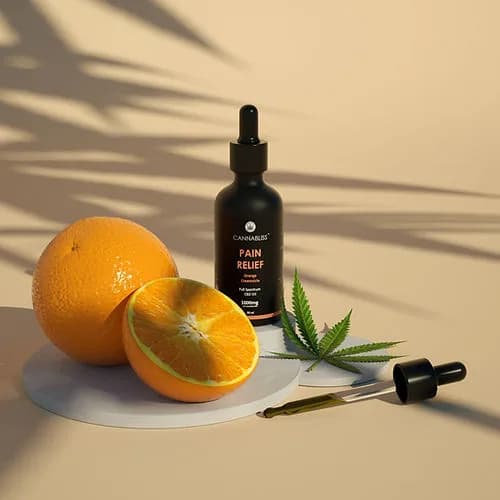
When you see "CBD oil" on a product label, it refers to an oil-based extract containing cannabidiol as the primary active ingredient. The oil base is typically a carrier oil such as hemp seed oil, coconut oil (MCT oil), or olive oil, which helps with absorption and makes the cannabidiol easier to consume.
Cannabidiol was first isolated and identified by American chemist Roger Adams in 1940, though its chemical structure wasn't fully described until 1963 by Israeli scientist Raphael Mechoulam. Since then, research into cannabidiol's properties and potential applications has expanded significantly, with the World Health Organization's Expert Committee on Drug Dependence reviewing its profile in 2017.
In India, cannabidiol from hemp has been incorporated into Ayurvedic and wellness formulations, often appearing in products registered under state Ayurvedic manufacturing licenses. You'll find CBD oils and tinctures across wellness categories, from general health supplements to specialized Ayurvedic preparations.
Cannabidiol vs Other Hemp Compounds: Understanding the Difference
To understand what makes cannabidiol unique, it helps to know how it differs from other compounds found in the hemp plant:
CBD vs Hemp Seed Oil
This is perhaps the most common source of confusion. Hemp seed oil (also called hemp oil) is a nutritional oil pressed from hemp seeds. It contains omega fatty acids, protein, and vitamins but typically contains negligible amounts of cannabinoids including cannabidiol. CBD oil, by contrast, is extracted from the flowers, leaves, and stalks of the hemp plant and contains significant concentrations of cannabidiol.
When shopping for wellness products, check whether the label says "hemp seed oil" (a food ingredient) or "CBD oil" or "cannabidiol extract" (a cannabinoid-containing preparation). Many CBD products use hemp seed oil as the carrier, but the active ingredient is the cannabidiol extract added to it.
CBD vs Other Cannabinoids
The hemp plant contains multiple cannabinoids, including:
- Cannabidiol (CBD): Non-intoxicating, the second-most abundant cannabinoid in most hemp varieties
- Tetrahydrocannabinol (THC): The primary intoxicating compound in certain varieties of the plant; regulated under India's NDPS Act
- Cannabigerol (CBG): A minor cannabinoid sometimes called the "parent" cannabinoid
- Cannabinol (CBN): A degradation product of other cannabinoids
- Cannabichromene (CBC): Another non-intoxicating minor cannabinoid
Each cannabinoid has a distinct molecular structure and interacts differently with the body's endocannabinoid system. Products may contain isolated cannabidiol or a spectrum of cannabinoids working together, which brings us to the next important distinction.
Types of CBD Oil: Full Spectrum, Broad Spectrum, and Isolate
Not all CBD oils are created equal. Understanding the three main types helps explain why products may have different compositions and effects:
Full Spectrum CBD Oil
Contains cannabidiol plus all other naturally occurring compounds from the hemp plant, including other cannabinoids (potentially including trace amounts of the intoxicating compound), terpenes (aromatic compounds), flavonoids, and fatty acids. Proponents describe a synergistic interaction between these compounds, sometimes called the "entourage effect," first described by researchers Mechoulam and Ben-Shabat in 1998.
In India, full spectrum preparations containing certain cannabinoids may require oversight from a registered Ayurvedic practitioner, depending on the specific composition and the application of Schedule E(1) of the Drugs Rules, 1945.
Broad Spectrum CBD Oil
Similar to full spectrum, but with the intoxicating cannabinoid specifically removed through additional processing. This allows users to benefit from multiple hemp compounds while avoiding the regulated cannabinoid entirely. Many commercially available wellness products in India use broad spectrum extracts to maintain legal clarity.
CBD Isolate
Pure cannabidiol isolated from all other plant compounds—typically 99%+ pure crystalline cannabidiol powder. Isolate products contain only cannabidiol with no other cannabinoids, terpenes, or plant matter. These are often used when formulators want precise cannabidiol content without any other variables.
The choice between these types depends on individual preferences, legal considerations, and the intended application. Always check product labels and certificates of analysis to understand exactly what's in your CBD oil. Many products available through specialized CBD oil collections clearly state their spectrum type.
How Is Cannabidiol Extracted and Processed?
Understanding extraction methods helps explain quality differences between CBD products and why pricing varies:
CO2 Extraction
Supercritical CO2 extraction uses pressurized carbon dioxide to pull cannabinoids, terpenes, and other compounds from plant material. This method is considered clean and efficient, leaving no solvent residues. It's the preferred method for high-quality CBD oils and allows precise control over which compounds are extracted.
Ethanol Extraction
Food-grade ethanol is used as a solvent to extract cannabinoids. This method is efficient and scalable but requires careful purging to remove all solvent residues. Ethanol extraction typically pulls a wider range of plant compounds, including chlorophyll, which may need additional filtering.
Oil Infusion
A traditional method where hemp material is infused directly into a carrier oil through heating. This is the simplest extraction method, often used for home preparations and traditional Ayurvedic formulations, but it produces less concentrated extracts compared to modern methods.
Hydrocarbon Extraction
Uses solvents like butane or propane. While efficient, this method requires careful purging and quality testing to ensure no harmful residues remain. It's less commonly used for wellness-grade CBD oils in India.
After extraction, CBD oils typically undergo additional processing including winterization (removing fats and waxes), decarboxylation (activating cannabinoids through heating), and distillation (purifying and concentrating cannabinoids). Quality manufacturers provide third-party lab testing certificates showing cannabinoid content and verifying the absence of contaminants.
The Science Behind Cannabidiol: How It Works in the Body
To understand why cannabidiol has attracted scientific interest, it helps to know the biological systems it interacts with:
The Endocannabinoid System
All mammals, including humans, have an endocannabinoid system (ECS)—a complex cell-signaling system identified in the early 1990s by researchers studying cannabinoids. The ECS includes:
- Endocannabinoids: Cannabinoid-like molecules produced naturally by the human body (anandamide and 2-AG)
- Receptors: CB1 receptors (concentrated in the brain and central nervous system) and CB2 receptors (found primarily in peripheral organs and immune cells)
- Enzymes: Break down endocannabinoids after use (FAAH and MAGL)
The ECS is involved in regulating various physiological processes. Unlike the intoxicating cannabinoid which binds directly to CB1 receptors, cannabidiol has a more indirect relationship with the endocannabinoid system.
Cannabidiol's Mechanism of Action
Research published in the British Journal of Pharmacology (Pertwee, 2008) noted that cannabidiol has low affinity for CB1 and CB2 receptors. Instead, it appears to work through multiple pathways:
- May inhibit the FAAH enzyme, potentially increasing endocannabinoid levels
- Interacts with serotonin receptors (5-HT1A)
- May interact with TRPV receptors involved in sensory perception
- May influence adenosine receptor signaling
- Shows interaction with PPARs (nuclear receptors)
A review in Neurotherapeutics (Blessing et al., 2015) examined preclinical evidence for cannabidiol's potential mechanisms, noting its complex pharmacology involving multiple receptor systems. This multi-target approach distinguishes cannabidiol from single-receptor pharmaceuticals.
Bioavailability and Metabolism
Cannabidiol's bioavailability (how much enters circulation) varies significantly by delivery method:
- Oral ingestion: 13-19% bioavailability (passes through digestive system and liver first-pass metabolism)
- Sublingual: Higher bioavailability when held under the tongue, absorbing through oral mucosa
- Topical: Acts locally without entering significant systemic circulation
Cannabidiol is metabolized primarily by liver enzymes (CYP450 family), which is why qualified healthcare professionals consider potential interactions with other substances metabolized by the same pathways. For personalized guidance on cannabidiol use, consider booking a consultation with a registered practitioner.
CBD Oil in Ayurvedic and Traditional Indian Context
While "CBD" is modern terminology, the Cannabis sativa plant has deep roots in Indian tradition, where it's known as Vijaya in classical Ayurvedic texts:
Vijaya in Classical Texts
Ancient Ayurvedic texts including the Sushruta Samhita (approximately 600 BCE) and Atharva Veda reference cannabis preparations. The plant was classified with specific properties according to Ayurvedic principles of taste (rasa), potency (virya), and post-digestive effect (vipaka).
Traditional preparations included various forms, and Ayurvedic practitioners would prepare formulations following classical methods. Modern CBD oils represent a contemporary extraction of specific compounds from this historically significant plant.
Modern Ayurvedic Formulations
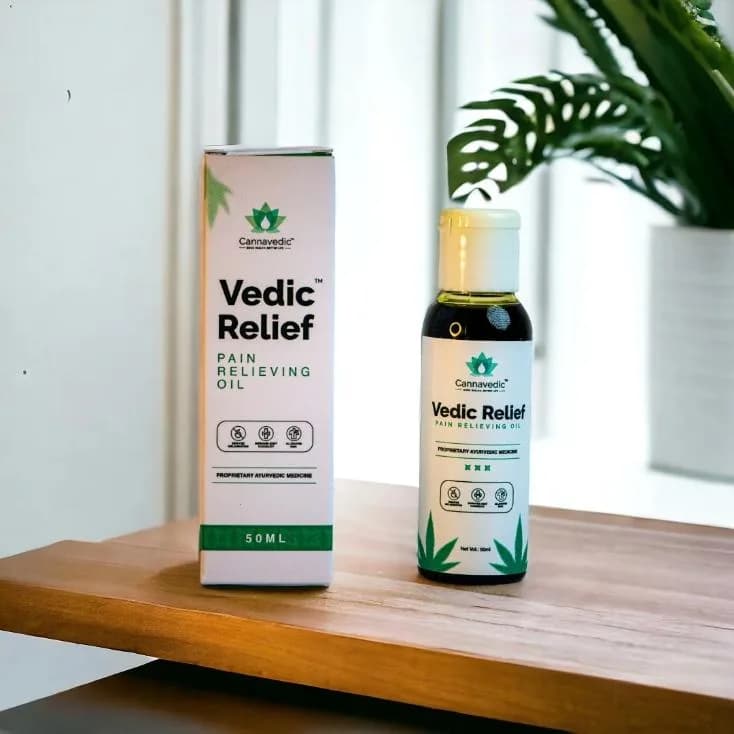
Today, many Indian manufacturers combine traditional Ayurvedic knowledge with modern extraction technology to create cannabidiol-based formulations. These products are typically manufactured under state Ayurvedic manufacturing licenses and may be classified as Ayurvedic proprietary medicines.
When traditional Ayurvedic herbs are combined with CBD extracts, the result bridges ancient practice and modern phytochemistry. You'll find such formulations in our Ayurvedic supplements collection, where cannabidiol is integrated with complementary herbs according to Ayurvedic principles.
The Concept of Rasayana
In Ayurveda, rasayana refers to practices and substances that support overall vitality and healthy aging. Some modern practitioners view CBD oil within this rasayana framework—as a phytochemical that may support general wellness when used appropriately under guidance.
This traditional-meets-modern approach is reflected in products that combine cannabidiol with other rasayana herbs like ashwagandha, shatavari, or brahmi, creating synergistic formulations rooted in both traditions.
CBD Oil Legal Status in India: What You Need to Know
The legal landscape for CBD oil in India involves multiple laws and regulatory bodies:
Central Law Framework
The Narcotic Drugs and Psychotropic Substances (NDPS) Act, 1985 regulates cannabis in India. The Act defines "cannabis" in Section 2(iii) to exclude certain parts of the plant. Specifically:
- Seeds and leaves (when not accompanied by fruiting or flowering tops) are excluded from the strictest controls
- The flowering tops, resin, and certain preparations fall under regulated categories
The legal interpretation of where CBD extracted from different plant parts fits within this framework continues to evolve. Products marketed as "hemp CBD" typically claim to derive cannabidiol from the permitted parts of the plant.
FSSAI Regulations on Hemp
The Food Safety and Standards Authority of India (FSSAI) issued an order in November 2021 clarifying that hemp seeds, hemp seed oil, and hemp seed flour are permitted as food ingredients, subject to specific limits:
- The intoxicating cannabinoid content should not exceed 10 mg/kg in hemp seed oil and 5 mg/kg in hemp seeds and flour
- Cannabidiol should not exceed 75 mg/kg
This ruling applies to hemp-derived food ingredients, but it's important to note that concentrated CBD oil supplements typically fall outside the food category and are instead regulated as Ayurvedic or herbal preparations.
State Licensing and Manufacturing
Many CBD oil products in India are manufactured under state Ayurvedic manufacturing licenses issued under the Drugs and Cosmetics Act, 1940. These licenses permit the manufacture of Ayurvedic proprietary medicines, which may include cannabis/hemp-derived ingredients when formulated according to traditional principles or modern adaptations.
States have varying approaches to licensing and regulation. Uttarakhand, for example, has been more proactive in developing frameworks for hemp cultivation and product manufacturing.
Prescription Requirements
Under the Drugs Rules, 1945, certain cannabis-containing formulations fall under Schedule E(1), which requires that they be supplied only under the prescription of a registered medical practitioner (in this context, typically an Ayurvedic practitioner) and dispensed under the supervision of a registered pharmacist. The application of this rule depends on the specific composition and concentration of cannabinoids in the product.
Not all CBD oil products require prescriptions—it depends on formulation, concentration, and specific cannabinoid profile. When in doubt, consult with a registered Ayurvedic practitioner through services like our online consultation platform.
Last reviewed: April 2025. General information, not legal advice.
How to Read CBD Oil Labels and Certificates of Analysis
Understanding product labels ensures you know exactly what you're purchasing:
Key Label Information
A quality CBD oil label should include:
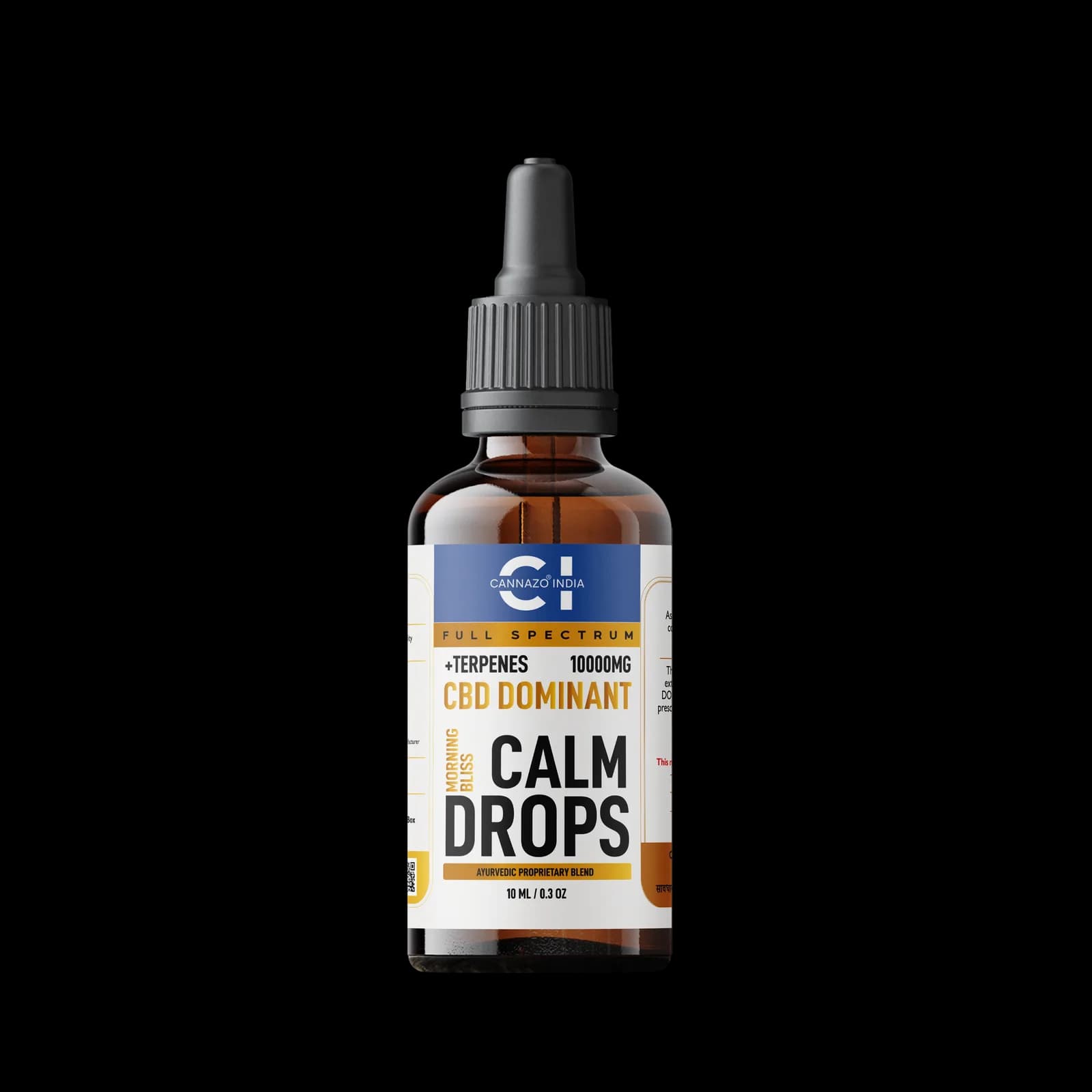
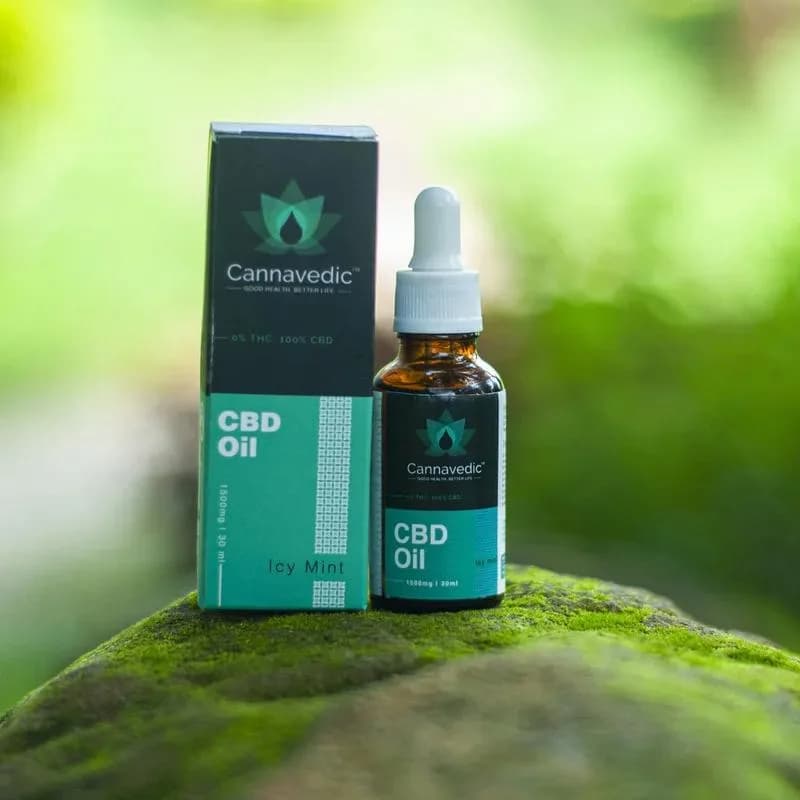
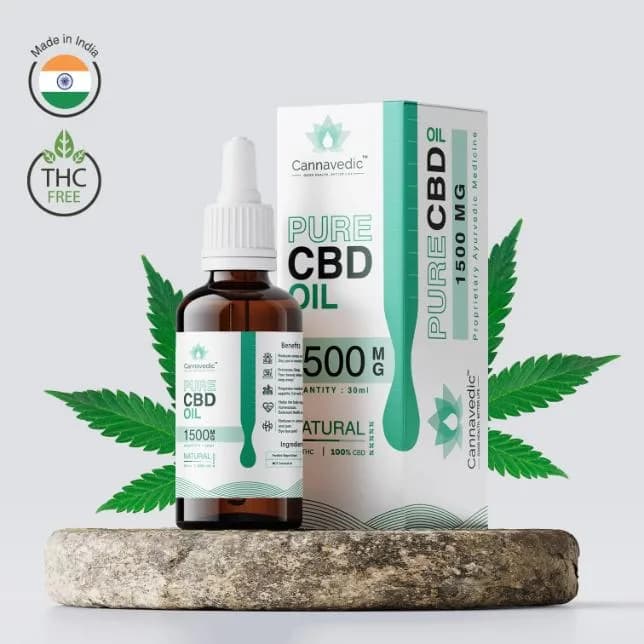
- Total CBD content: Usually expressed in milligrams (e.g., "1500mg CBD per 30ml bottle")
- CBD per serving: How much cannabidiol is in each dropper or dose
- Spectrum type: Full spectrum, broad spectrum, or isolate
- Carrier oil: What oil the CBD is dissolved in (hemp seed oil, MCT oil, etc.)
- Other ingredients: Flavoring agents, additional herbs, or terpenes
- Manufacturing license number: Shows regulatory compliance
- Batch number: For traceability and testing verification
Certificate of Analysis (COA)
Reputable manufacturers provide third-party lab testing certificates showing:
- Cannabinoid profile: Exact amounts of CBD and other cannabinoids
- Potency verification: Confirms label claims are accurate
- Contaminant testing: Screens for heavy metals, pesticides, residual solvents, and microbial contamination
- Terpene profile: In some cases, lists the aromatic compounds present
A COA should be from an ISO-accredited independent laboratory, not the manufacturer's in-house testing. The batch number on the COA should match your product's batch number.
Red Flags to Watch For
Be cautious of products that:
- Make specific health claims about treating or preventing diseases
- Lack clear cannabinoid content information
- Don't provide batch-specific lab testing
- Use vague terms like "hemp extract" without specifying CBD content
- Are priced significantly below market rate (may indicate low quality or mislabeling)
- Don't list a manufacturing license or regulatory compliance information
When shopping through curated collections like our CBD oil selection, products have been vetted for proper labeling and quality standards.
Common Questions About CBD Oil Full Form and Meaning
Is CBD Oil the Same as Hemp Oil?
No. Hemp oil (hemp seed oil) is a nutritional oil pressed from hemp seeds, containing primarily fatty acids with negligible cannabinoids. CBD oil is extracted from the flowers, leaves, and stalks of the hemp plant and contains concentrated cannabidiol. Some CBD oils use hemp seed oil as a carrier, which can add to the confusion—the product would contain both hemp seed oil (carrier) and CBD extract (active ingredient).
What Is the Difference Between CBD and CBG?
Both are non-intoxicating cannabinoids from the hemp plant, but they have different molecular structures and interact with the body differently. Cannabidiol (CBD) is more abundant in most hemp varieties and has been more extensively researched. Cannabigerol (CBG) is often called the "mother cannabinoid" because other cannabinoids are synthesized from it in the plant, but it's typically present in much smaller quantities in mature plants.
Does CBD Oil Show Up on Drug Tests?
Standard workplace drug tests in India typically screen for the intoxicating cannabinoid and its metabolites, not cannabidiol. Pure CBD isolate products should not trigger a positive result. However, full spectrum CBD oils contain trace amounts of other cannabinoids that could potentially accumulate with high or frequent use. If drug testing is a concern, choose broad spectrum or isolate products and consult with the testing authority about their specific screening methods.
Can You Build Tolerance to CBD Oil?
Current research suggests cannabidiol does not produce the same tolerance effect as some other substances. A study published in Cannabis and Cannabinoid Research (Solowij et al., 2018) noted that CBD does not appear to produce tolerance, dependence, or withdrawal symptoms in human studies. Some users report needing to adjust their intake over time, but this is distinct from pharmacological tolerance.
What Is the Shelf Life of CBD Oil?
Properly stored CBD oil typically maintains quality for 12-24 months. Factors affecting shelf life include exposure to light (store in dark glass bottles), heat (keep in cool place), and air (seal tightly after each use). Cannabidiol can degrade over time, especially when exposed to these elements. Rancidity of the carrier oil can also affect quality—hemp seed and other plant oils can oxidize. Check for changes in color, smell, or taste, which may indicate degradation.
Choosing Quality CBD Oil Products in India
With growing availability comes the need for informed selection:
Source and Cultivation
Quality starts with the source plant. Look for CBD oils derived from:
- Organically grown hemp: Reduces pesticide exposure (hemp is a bioaccumulator, meaning it absorbs substances from soil)
- Legally cultivated sources: Ensures compliance with Indian regulations
- Documented supply chain: Traceability from farm to finished product
Extraction and Processing
CO2 extraction or ethanol extraction methods generally produce cleaner, more consistent results than cheaper solvent methods. Products should provide information about:
- Extraction method used
- Whether the extract has been refined (winterized, decarboxylated)
- How concentration is standardized
Third-Party Testing
This cannot be overstated—independent lab testing is the gold standard for verifying:
- Cannabinoid potency matches label claims
- Absence of contaminants (heavy metals, pesticides, microbial contamination)
- No residual solvents from extraction
- Accurate spectrum type (full, broad, isolate)
Manufacturing Standards
Products manufactured under Good Manufacturing Practices (GMP) and holding appropriate Ayurvedic or herbal medicine licenses demonstrate commitment to quality and regulatory compliance. Check for:
- State Ayurvedic manufacturing license number
- GMP certification
- ISO certifications where applicable
- Clear contact information for the manufacturer
Transparency and Customer Support
Reputable brands provide:
- Detailed product information and educational resources
- Access to certificates of analysis
- Responsive customer service
- Clear return and quality guarantee policies
When you shop through curated platforms that vet suppliers, much of this due diligence has been done for you. Explore our carefully selected CBD product range where quality standards are verified before products are listed.
CBD Oil Delivery Methods and Bioavailability
How you consume CBD oil significantly affects how your body processes it:
Sublingual (Under the Tongue)
Placing CBD oil drops under the tongue and holding for 60-90 seconds allows absorption through the sublingual mucosa directly into the bloodstream. This bypasses first-pass liver metabolism, generally resulting in higher bioavailability and faster onset (15-45 minutes) compared to oral ingestion.
Most CBD tinctures are designed for sublingual use and come with droppers for precise measurement.
Oral Ingestion (Swallowing)
Swallowing CBD oil or taking capsules means the cannabidiol passes through the digestive system and undergoes first-pass metabolism in the liver. This reduces bioavailability (typically 13-19% reaches circulation) but may provide longer-lasting presence in the system. Onset is slower (45-90 minutes).
Taking CBD oil with fatty foods may enhance absorption, as cannabinoids are lipophilic (fat-soluble). A study in Epilepsia (Gaston et al., 2019) found that high-fat meals significantly increased CBD bioavailability.
Topical Application
CBD-infused balms, creams, and lotions applied to skin work locally without significant systemic absorption. The skin has CB2 receptors, and topically applied cannabidiol interacts with the local endocannabinoid system in skin tissue.
Topical products are popular for targeted application to specific areas. Our CBD topicals collection includes balms and creams designed for external use.
Combination with Other Ingredients
Some CBD oils include additional ingredients to enhance absorption or add complementary benefits:
- MCT oil: Medium-chain triglycerides may enhance cannabinoid absorption
- Terpenes: Aromatic compounds from plants that may work synergistically with CBD
- Ayurvedic herbs: Traditional botanicals that complement cannabidiol according to Ayurvedic principles
- Vitamins: Some formulations add vitamin E, vitamin D, or other nutrients
The Future of CBD Research and Regulation in India
The CBD landscape in India continues to evolve:
Research Developments
Indian research institutions are beginning to explore cannabinoid science:
- Agricultural universities are studying hemp cultivation optimization for Indian climates
- Ayurvedic research councils are documenting traditional cannabis preparations
- Pharmaceutical research is examining cannabinoid delivery systems and formulations
International research continues to expand understanding of cannabidiol's mechanisms and potential applications, with hundreds of studies published annually in peer-reviewed journals.
Regulatory Evolution
India's regulatory framework for hemp and CBD continues to develop:
- States are establishing hemp cultivation and processing policies
- FSSAI's 2021 hemp seed ruling provided clarity for food applications
- Discussions continue about potential frameworks for CBD supplements and wellness products
- Traditional medicine regulators are considering how to classify cannabinoid-containing Ayurvedic formulations
Industry advocates continue working toward clearer, more comprehensive regulations that balance safety with access to hemp-derived wellness products.
Market Growth
The Indian CBD and hemp wellness market is experiencing rapid growth:
- Increasing consumer awareness of cannabidiol and hemp products
- Growing number of domestic manufacturers entering the space
- Integration of CBD into traditional Ayurvedic and herbal formulations
- Expansion of product categories beyond oils to include topicals, edibles, and specialized formulations
As the market matures, expect to see improved quality standards, more transparent labeling, and greater product diversity tailored to Indian consumers' preferences and cultural context.
Education and Awareness
Bridging the knowledge gap remains crucial:
- Healthcare professional education about cannabinoid science and appropriate guidance
- Consumer education about reading labels, understanding spectrum types, and setting realistic expectations
- Clarification of legal status and compliance requirements
- Integration of modern cannabinoid research with traditional Ayurvedic knowledge
Resources like our comprehensive FAQ section and professional consultation services help bridge this education gap.
Frequently Asked Questions About CBD Oil Full Form
What is the full form of CBD in medical terms?
In medical and scientific contexts, CBD stands for cannabidiol—a naturally occurring phytocannabinoid compound from the Cannabis sativa plant. The full chemical name is cannabidiol, classified chemically as a terpenophenolic compound. It's one of at least 113 cannabinoids identified in hemp and other cannabis varieties. Unlike some other cannabinoids, cannabidiol does not produce intoxication.
Is CBD oil legal to buy in India without a prescription?
The legal status depends on the specific product formulation and concentration. Some CBD oil products marketed as Ayurvedic proprietary medicines or general wellness supplements are available for purchase, while others containing certain cannabinoid profiles or concentrations may require a prescription from a registered Ayurvedic practitioner under Schedule E(1) of the Drugs Rules, 1945. State regulations also vary. When purchasing CBD oil, verify that the product has appropriate manufacturing licenses and regulatory compliance. If you're unsure whether a particular product requires a prescription, consult with a registered practitioner through our consultation service.
How much CBD oil should I take daily?
There is no universal "correct" amount of CBD oil—appropriate intake varies based on individual factors including body weight, the specific purpose of use, product concentration, and individual body chemistry. Many people start with low amounts (5-10mg cannabidiol) and gradually adjust based on their response and the guidance of a qualified healthcare professional. Ayurvedic practitioners may provide personalized recommendations based on your prakruti (constitution) and specific needs. Always consult a qualified healthcare professional for personalized guidance rather than relying on general recommendations. You can use our dosage calculator as a starting reference point, but professional consultation is recommended.
What's the difference between CBD oil and Vijaya extract?
CBD oil specifically refers to products where cannabidiol is the primary active ingredient, typically extracted from hemp varieties of Cannabis sativa. Vijaya extract is a broader term referring to extracts from the cannabis plant (called Vijaya in Ayurvedic tradition) which may contain a full spectrum of cannabinoids including cannabidiol and others. Some Vijaya extracts are full-spectrum preparations containing multiple cannabinoids, while CBD oils may be broad spectrum (CBD plus other non-intoxicating compounds) or isolate (pure CBD only). The terminology reflects different extraction focuses and traditional versus modern naming conventions. Explore both CBD-focused products and broader Vijaya extract preparations to understand the range available.
Can I take CBD oil with other medications or supplements?
Cannabidiol is metabolized by cytochrome P450 liver enzymes (particularly CYP3A4 and CYP2C19), the same enzyme family that metabolizes many common medications. This creates potential for interactions where CBD might affect how your body processes other substances. Research published in Medical Cannabis and Cannabinoids (Alsherbiny & Li, 2019) noted that CBD may inhibit certain CYP450 enzymes, potentially affecting blood levels of other medications. Always disclose CBD use to your healthcare provider and pharmacist, especially if you take medications with narrow therapeutic windows. A registered Ayurvedic practitioner or medical doctor can evaluate your complete medication and supplement list for potential interactions. Book a professional consultation for personalized assessment before combining CBD oil with other medications.
Comparison of Common CBD Oil Types in India
| Spectrum Type | Contains CBD | Other Cannabinoids | Terpenes & Flavonoids | Intoxicating Compound | Best For |
|---|---|---|---|---|---|
| Full Spectrum | ✓ Yes | ✓ Multiple cannabinoids | ✓ Full plant profile | May contain trace amounts | Those seeking potential entourage effect; may require prescription in India |
| Broad Spectrum | ✓ Yes | ✓ Multiple cannabinoids (CBG, CBN, etc.) | ✓ Terpenes present | ✗ Removed | Those wanting multiple hemp compounds without intoxicating cannabinoid |
| CBD Isolate | ✓ Yes (99%+ pure) | ✗ None | ✗ None | ✗ None | Those wanting only cannabidiol; highest purity and predictability |
| Hemp Seed Oil | ✗ Negligible | ✗ None | ✗ None | ✗ None | Nutritional omega fatty acids; not a CBD product despite hemp origin |
Making Informed Decisions About CBD Oil
Understanding what CBD stands for—cannabidiol, a non-intoxicating compound from hemp—is the foundation for making informed wellness choices. Whether you're exploring CBD oil for the first time or looking to deepen your knowledge, remember these key points:
- Know what you're buying: Read labels carefully, understand spectrum types, and verify third-party testing
- Source matters: Choose products from reputable manufacturers with appropriate licenses and quality standards
- Seek professional guidance: Consult with qualified healthcare professionals, especially when combining with other medications or supplements
- Understand the legal context: Familiarize yourself with Indian regulations and ensure products comply with applicable laws
- Set realistic expectations: CBD oil is a wellness supplement, not a solution for health concerns
- Start conservatively: Begin with lower amounts and adjust gradually based on your experience and professional guidance
- Be patient: Individual responses vary, and finding what works for you may take time and adjustment
The intersection of modern cannabinoid science and India's rich Ayurvedic tradition creates unique opportunities for holistic wellness approaches. As research expands and regulations evolve, staying informed helps you navigate this growing category with confidence.
For those ready to explore quality CBD oil products, our curated collections offer carefully vetted options:
- CBD Oil collection featuring various spectrum types and concentrations
- CBD Tinctures for sublingual use with precise dosing
- CBD Topicals and Balms for external application
- Ayurvedic Supplements combining CBD with traditional herbs
Additional resources to support your wellness journey:
- Book a consultation with registered Ayurvedic practitioners for personalized guidance
- Dosage calculator to help determine starting points (always verify with professional guidance)
- Browse by health focus to find products aligned with your wellness goals
- Frequently Asked Questions covering common queries about CBD and hemp products
- THC Store Membership for exclusive access to premium products and education
Now that you understand what CBD stands for and how cannabidiol fits within both modern wellness and traditional Ayurvedic contexts, you're better equipped to make informed choices that align with your individual needs and preferences.
Sources & References
- Pertwee, R. G. (2008). "The diverse CB1 and CB2 receptor pharmacology of three plant cannabinoids: Δ9-tetrahydrocannabinol, cannabidiol and Δ9-tetrahydrocannabivarin." British Journal of Pharmacology, 153(2), 199-215. Key finding: Documented cannabidiol's low affinity for CB1 and CB2 receptors and its complex multi-target pharmacology.
- Blessing, E. M., Steenkamp, M. M., Manzanares, J., & Marmar, C. R. (2015). "Cannabidiol as a Potential Treatment for Anxiety Disorders." Neurotherapeutics, 12(4), 825-836. Key finding: Reviewed preclinical evidence for CBD's mechanisms involving multiple receptor systems including serotonin and adenosine receptors.
- Mechoulam, R., & Ben-Shabat, S. (1998). "From gan-zi-gun-nu to anandamide and 2-arachidonoylglycerol: the ongoing story of cannabis." Natural Product Reports, 16(2), 131-143. Key finding: First described the potential "entourage effect" of cannabinoids and other plant compounds working synergistically.
- Gaston, T. E., Bebin, E. M., Cutter, G. R., Liu, Y., & Szaflarski, J. P. (2019). "Interactions between cannabidiol and commonly used antiepileptic drugs." Epilepsia, 60(7), 1447-1455. Key finding: Demonstrated that high-fat meals significantly increased CBD bioavailability and documented potential interactions with medications metabolized by the same liver enzymes.
- Solowij, N., Broyd, S. J., van Hell, H. H., & Hazekamp, A. (2018). "A protocol for the delivery of cannabidiol (CBD) and combined CBD and Δ9-tetrahydrocannabinol (THC) by vaporisation." Cannabis and Cannabinoid Research, 3(1), 17-33. Key finding: Noted that CBD does not appear to produce tolerance, dependence, or withdrawal symptoms in human studies, distinguishing it from substances that develop tolerance.
- Alsherbiny, M. A., & Li, C. G. (2019). "Medicinal Cannabis—Potential Drug Interactions." Medical Cannabis and Cannabinoids, 2(1), 52-64. Key finding: Reviewed how CBD's inhibition of cytochrome P450 enzymes creates potential for drug interactions, particularly affecting medications metabolized by CYP3A4 and CYP2C19.
- World Health Organization Expert Committee on Drug Dependence. (2017). "Cannabidiol (CBD) Critical Review Report." Geneva: WHO. Key finding: Concluded that CBD exhibits no effects indicative of abuse or dependence potential and is generally well tolerated with a good safety profile.
- Food Safety and Standards Authority of India. (2021). "Operationalization under FSS (Health Supplements, Nutraceuticals, Food for Special Dietary Use, Food for Special Medical Purpose, Functional Food and Novel Food) Regulations, 2016—Regarding Use of Hemp Seed as Food." Order dated 17 November 2021. Key finding: Clarified permitted limits for hemp-derived food ingredients in India.
Share this article
Written by
THC Store Editorial
Published 3 hours ago