Hemp Seeds in Tamil: Complete Nutrition & Wellness Guide
Article Summary
Hemp Seeds in Tamil: Complete Nutrition & Wellness Guide for India Are you searching for the Tamil name for hemp seeds and wondering how this ancient superfood fits into your wellness routine? Hemp seeds—known as கஞ்சா விதைகள் (kañcā vitaikaḷ) or சணல...
Hemp Seeds in Tamil: Complete Nutrition & Wellness Guide for India
Are you searching for the Tamil name for hemp seeds and wondering how this ancient superfood fits into your wellness routine? Hemp seeds—known as கஞ்சா விதைகள் (kañcā vitaikaḷ) or சணல் விதைகள் (caṇal vitaikaḷ) in Tamil—are rapidly gaining recognition across Tamil Nadu and beyond as one of nature's most complete plant-based protein sources. With over 9 grams of protein per 30-gram serving and all nine essential amino acids, hemp seeds in Tamil cuisine and wellness practices are experiencing a renaissance as India rediscovers this nutritional powerhouse.
This comprehensive guide explores everything you need to know about hemp seeds in Tamil context: traditional names, nutritional science, health benefits, legal status in India, culinary uses, and where to source authentic products. Whether you're looking to boost your protein intake, support heart health, or explore traditional wellness practices, this evidence-based resource will help you make informed decisions about incorporating hemp seeds and hemp nutrition products into your daily life.
Disclaimer: This article is for informational purposes only and does not constitute medical advice. Always consult a qualified healthcare professional before starting any new supplement or treatment. Cannabis-based products may require a prescription in India under NDPS Act regulations. Book a consultation with our panel doctors for personalized guidance.
What Are Hemp Seeds? Understanding the Tamil Name & Botanical Identity
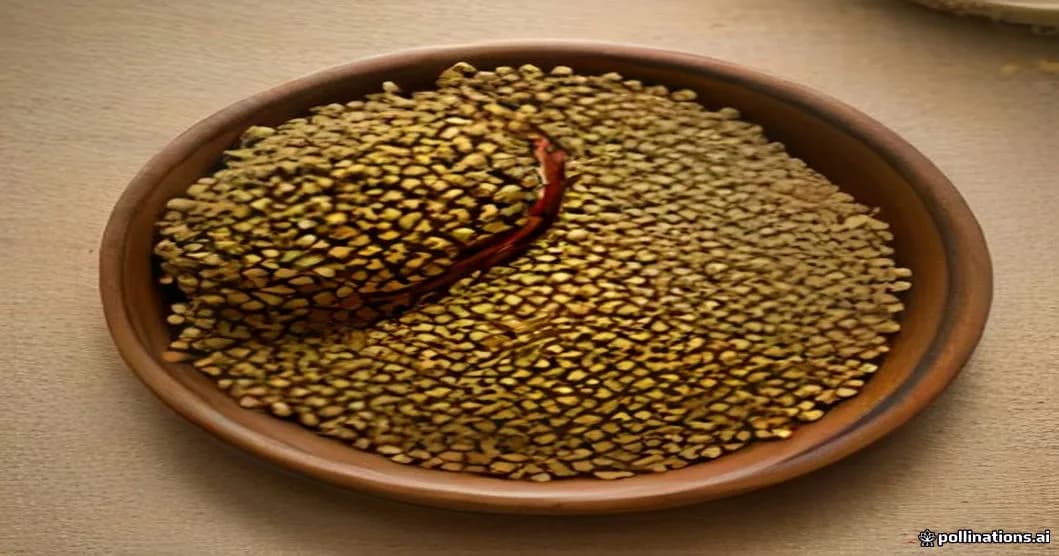
Hemp seeds are the edible seeds of the Cannabis sativa plant, specifically industrial hemp varieties cultivated for their nutritional value rather than intoxicating compounds. In Tamil, hemp seeds are most commonly referred to as கஞ்சா விதைகள் (kañcā vitaikaḷ), though regional variations include சணல் விதைகள் (caṇal vitaikaḷ), emphasizing the fiber aspect of the plant.
The botanical distinction is crucial: hemp seeds contain negligible amounts of THC (tetrahydrocannabinol), the psychoactive compound found in cannabis flowers. According to FSSAI regulations in India, permissible hemp seed products must contain no more than 5 mg/kg THC in the seed and flour, and 10 mg/kg in seed oil. This makes hemp seeds a safe, legal nutritional ingredient when sourced from compliant manufacturers operating under state Ayurvedic manufacturing licences.
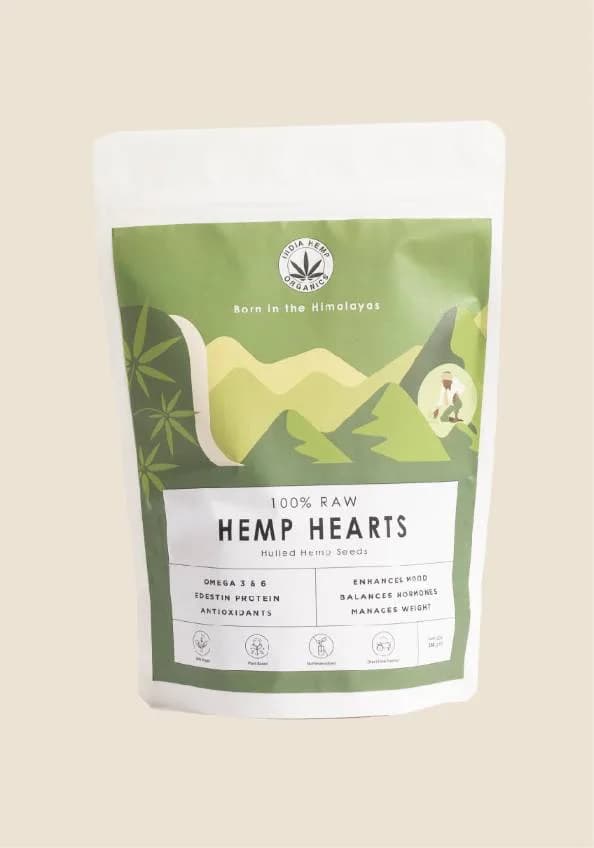
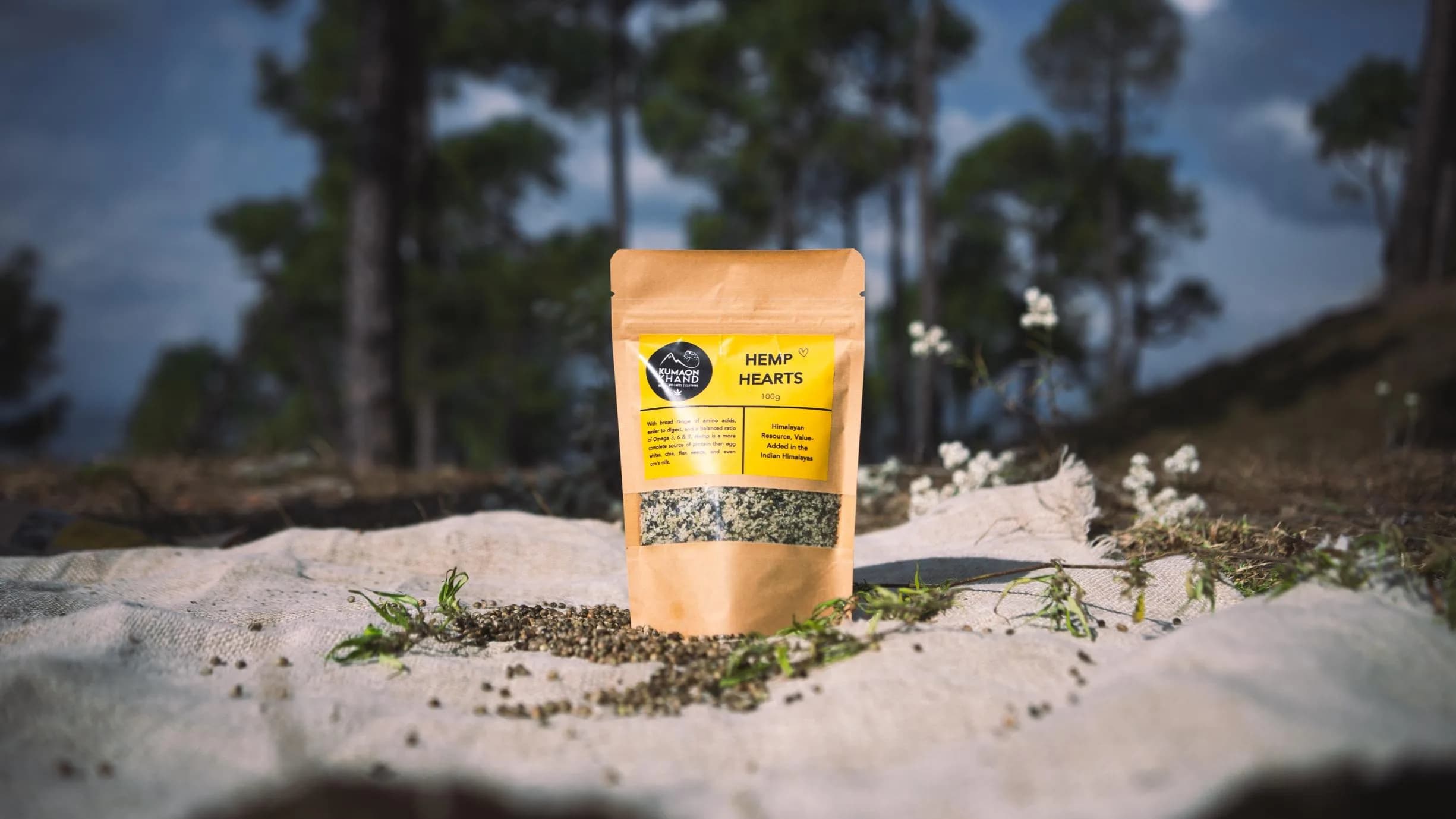
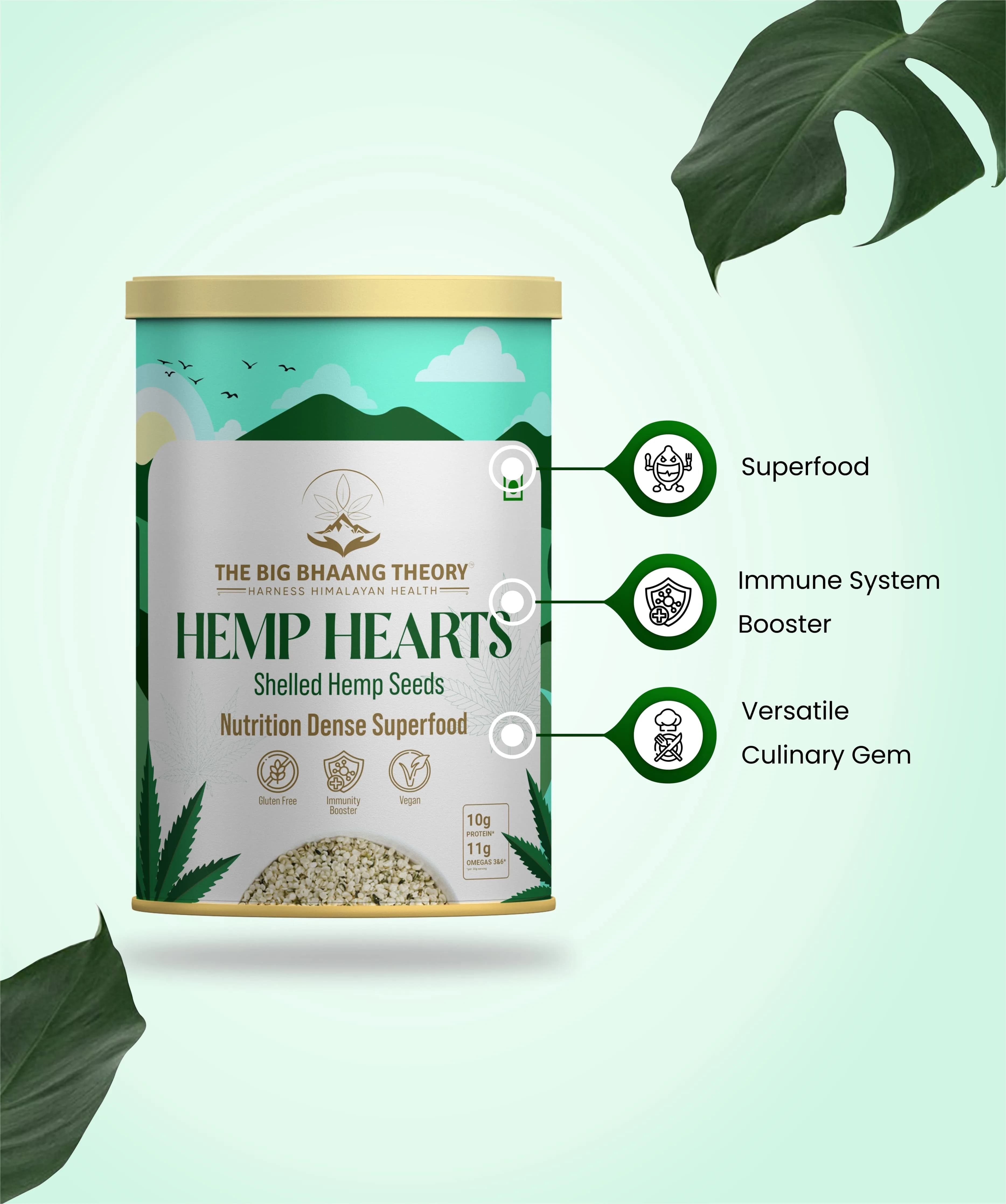
Hemp seeds are small, oval-shaped, and typically light brown or green with a subtle nutty flavor. When the outer shell is removed, the inner kernel is called a hemp heart (known in Tamil as சணல் இதயங்கள் or caṇal itayaṅkaḷ), which has a softer texture and milder taste. You can explore premium hemp hearts in multiple serving sizes to experience this versatile superfood.
Traditional Tamil medicine systems, which share roots with broader Ayurvedic practices, have historically recognized hemp plant parts for various wellness applications. While modern focus has shifted to the seeds' exceptional nutritional profile, understanding this traditional context helps appreciate hemp seeds' place in holistic health approaches. For those interested in the broader medicinal aspects of the cannabis plant, our guide to Vijaya leaf provides additional context.
Comprehensive Nutritional Profile: Why Hemp Seeds Are a Tamil Nadu Superfood
Hemp seeds stand out among plant-based foods for their exceptional nutritional density. A typical 30-gram (3-tablespoon) serving of hulled hemp seeds (hemp hearts) provides:
| Nutrient | Amount per 30g Serving | Key Benefit |
|---|---|---|
| Protein | 9.5g (complete protein) | All 9 essential amino acids |
| Omega-6 (Linoleic acid) | 8.7g | Heart health, inflammation |
| Omega-3 (Alpha-linolenic acid) | 2.7g | Brain function, cardiovascular support |
| Dietary Fiber | 1.2g (hearts) / 4g (whole seeds) | Digestive health |
| Vitamin E | 15% DV | Antioxidant protection |
| Magnesium | 45% DV | Muscle, nerve, bone health |
| Phosphorus | 40% DV | Bone health, energy metabolism |
| Iron | 20% DV | Oxygen transport, energy |
Research published in the Journal of Agricultural and Food Chemistry by Callaway (2004) confirmed that hemp seed protein contains all essential amino acids in sufficient quantities to support human nutritional needs, placing it among elite plant proteins alongside quinoa and soy.
The omega fatty acid ratio in hemp seeds is particularly noteworthy. The approximately 3:1 ratio of omega-6 to omega-3 fatty acids aligns closely with recommendations from nutritional scientists for optimal cardiovascular and anti-inflammatory benefits. A 2014 study in Nutrition & Metabolism by Rodriguez-Leyva and Pierce found that this balanced fatty acid profile may contribute to reduced cardiovascular disease risk markers.
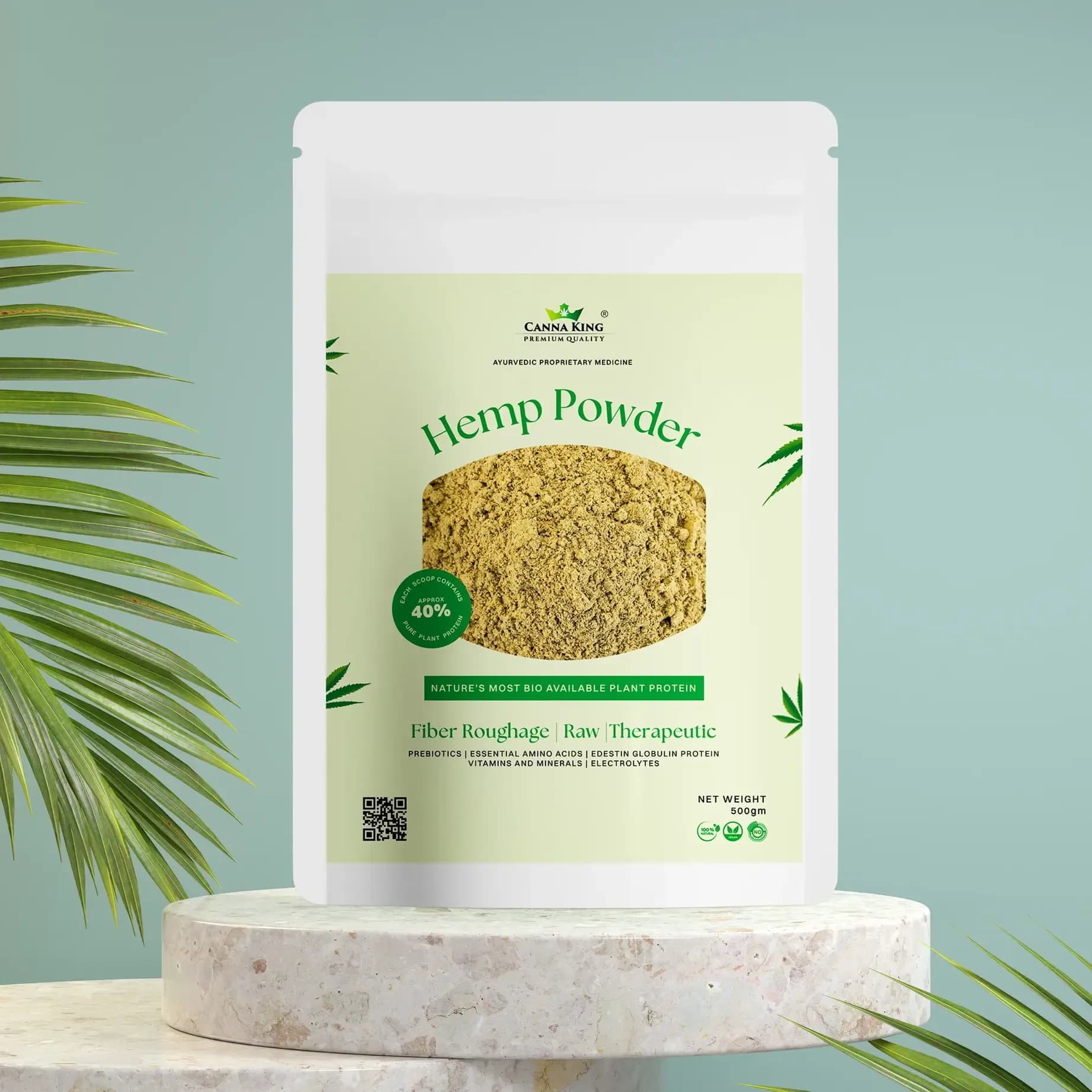
For Tamil Nadu residents seeking plant-based protein alternatives to support active lifestyles, hemp seeds offer digestibility advantages over some legumes. Hemp protein is approximately 65% edestin and 35% albumin—both highly bioavailable globular proteins that are easily digested without the flatulence-causing oligosaccharides found in beans. Explore hemp protein powder as a convenient way to boost your daily protein intake.
Science-Backed Health Benefits of Hemp Seeds (கஞ்சா விதைகள்)
Cardiovascular Health & Cholesterol Management
Multiple studies have demonstrated hemp seeds' potential cardiovascular benefits. The arginine content in hemp seeds produces nitric oxide, a signaling molecule that promotes blood vessel dilation and helps maintain healthy blood pressure. A 2010 review in Nutrition & Metabolism noted that increased dietary arginine intake correlated with decreased C-reactive protein levels, a marker of inflammation linked to heart disease.
The gamma-linolenic acid (GLA) found in hemp seeds has shown promise in reducing inflammation. Research published in the European Journal of Pharmacology demonstrated that GLA supplementation helped reduce inflammatory markers in various clinical contexts. For those managing cardiovascular concerns, combining hemp seed nutrition with other heart-healthy practices offers a holistic approach to wellness.
Digestive Health & Gut Microbiome Support
Whole hemp seeds (with shells) provide substantial dietary fiber—approximately 4 grams per 30-gram serving. This fiber combination includes both soluble and insoluble types, supporting different aspects of digestive health. Soluble fiber feeds beneficial gut bacteria, while insoluble fiber promotes regular bowel movements and may reduce constipation risk.
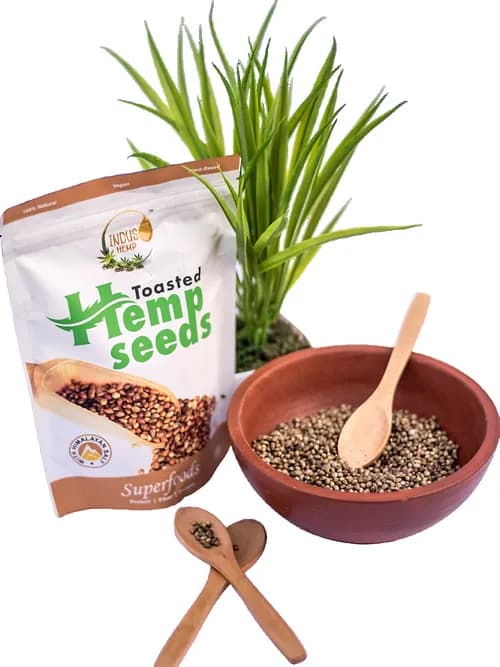
For individuals in Tamil Nadu following traditional dietary patterns rich in rice and lentils, adding toasted hemp seeds can complement existing fiber sources while adding unique phytonutrients not found in conventional foods.
Skin Health & Anti-Inflammatory Properties
The essential fatty acid profile in hemp seeds extends benefits beyond internal health to skin wellness. A 2005 study in the Journal of Dermatological Treatment by Callaway et al. found that dietary hemp seed oil improved symptoms of atopic dermatitis (eczema) by optimizing skin lipid profiles and reducing dryness and itching.
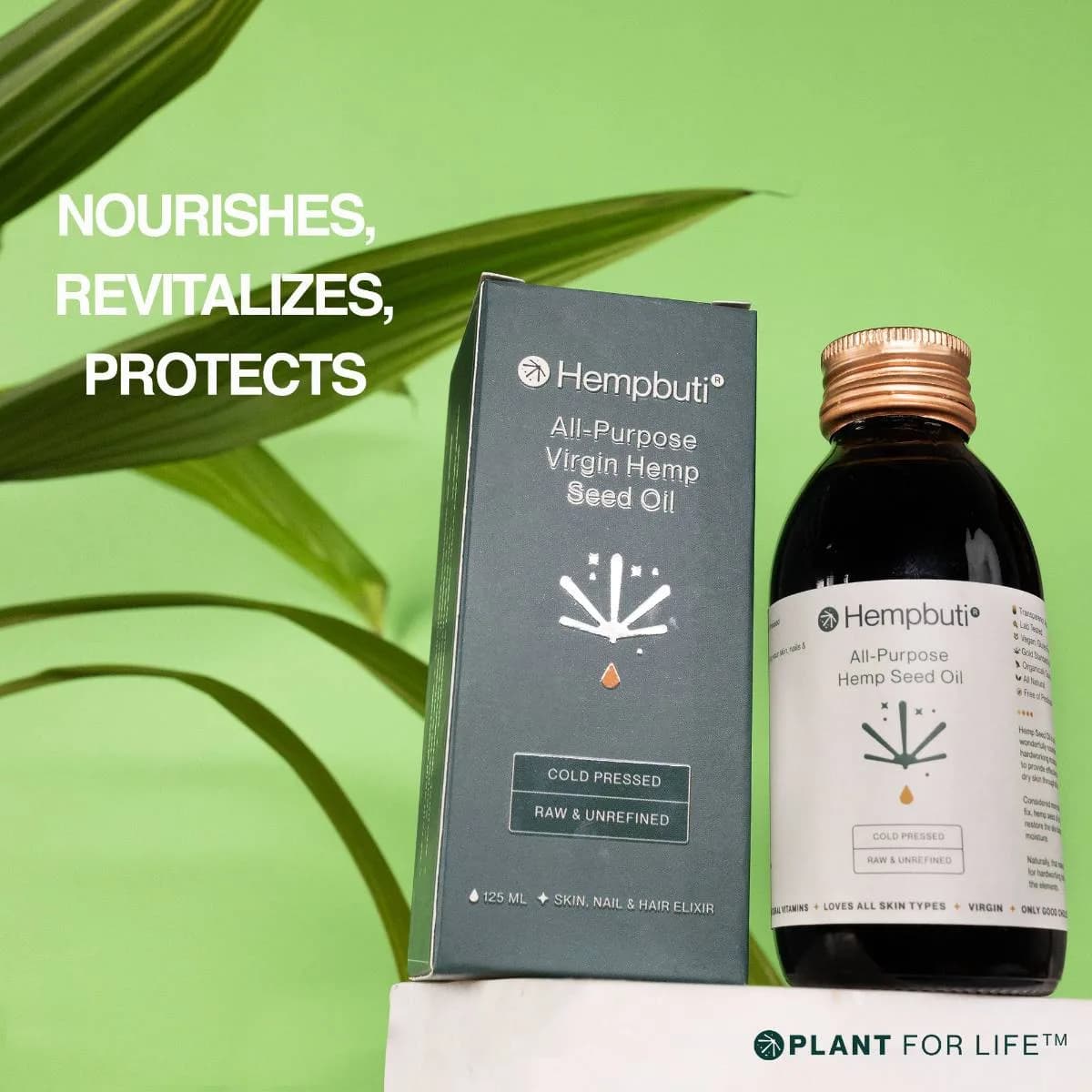
Both internal consumption and topical application of hemp seed oil have shown promise for skin health. The omega-3 and omega-6 fatty acids support skin barrier function, while vitamin E provides antioxidant protection against environmental damage. Tamil Nadu residents concerned about skin health in humid climates may find cold-pressed hemp seed oil beneficial both as a culinary oil and skincare ingredient.
Hormonal Balance & Women's Health
The gamma-linolenic acid (GLA) in hemp seeds may help alleviate symptoms associated with premenstrual syndrome (PMS). GLA influences prostaglandin production, which plays a role in hormonal regulation. While more research is needed, preliminary evidence suggests that GLA supplementation may reduce breast tenderness, irritability, and fluid retention associated with hormonal fluctuations.
Brain Function & Cognitive Support
Omega-3 fatty acids, particularly alpha-linolenic acid (ALA) found abundantly in hemp seeds, are essential for brain health. The brain converts some ALA into EPA and DHA—the omega-3 forms most directly used for cognitive function and neuroprotection. While direct conversion rates are modest, regular hemp seed consumption contributes to overall omega-3 status, particularly important for vegetarians and vegans who don't consume fish.
For comprehensive wellness support, many people combine hemp seed nutrition with other traditional remedies. Our herbal tea collection offers complementary products that support mental clarity and relaxation.
Hemp Seeds in Traditional Tamil & Ayurvedic Medicine
While hemp seeds (கஞ்சா விதைகள்) are experiencing renewed interest as a modern superfood, various parts of the Cannabis sativa plant have historical precedent in traditional Indian medicine systems. Classical Ayurvedic texts mention cannabis under names including bhanga, vijaya, and ganja, primarily referencing the leaf and flower preparations rather than isolated seed use.
In traditional Tamil wellness practices that intersect with broader Ayurvedic principles, hemp was recognized according to its energetic properties and effects on the doshas (fundamental bodily energies). The seeds, being cooling and nourishing in nature, were sometimes incorporated into formulations meant to balance vata (air/space element) and provide grounding nutrition.
It's important to distinguish between traditional use of cannabis leaves and flowers—which contain cannabinoids like THC and CBD—and the modern nutritional application of hemp seeds, which are valued primarily for their protein, fatty acid, and micronutrient content rather than cannabinoid presence. For those interested in traditional cannabinoid-containing preparations, our comprehensive guide to Ayurvedic approaches to various health conditions provides additional context.
Contemporary integration of hemp seeds into Tamil diets represents an evolution of traditional wisdom informed by modern nutritional science. This approach honors ancestral knowledge while applying current understanding of macronutrients, micronutrients, and evidence-based health benefits.
Legal Status of Hemp Seeds in India & Tamil Nadu
Understanding the legal framework surrounding hemp seeds in India is essential for consumers in Tamil Nadu and across the country. The regulatory landscape distinguishes between different parts of the cannabis plant and their permitted uses.
At the central government level, the Food Safety and Standards Authority of India (FSSAI) has established clear guidelines for hemp seed use in food products. FSSAI permits hemp seed, hemp seed oil, and hemp seed flour as food ingredients, with specific limits on THC content: no more than 5 mg/kg in hemp seed and hemp seed flour, and no more than 10 mg/kg in hemp seed oil. CBD content is limited to a maximum of 75 mg/kg across these products.
These regulations make hemp seeds and their derivatives—when produced according to FSSAI standards—permissible food ingredients throughout India, including Tamil Nadu. Products meeting these specifications do not require special prescriptions or permissions for purchase and consumption as nutritional foods.
Hemp cultivation and processing are governed by state-level regulations. Several Indian states have licensed hemp farming and processing under controlled conditions. Products available through compliant channels are manufactured under state Ayurvedic manufacturing licences and adhere to both state and central regulations.
It's crucial to source hemp seed products from reputable suppliers who can demonstrate compliance with FSSAI standards and operate under appropriate licensing. All products available through our hemp nutrition collection meet these regulatory requirements, ensuring you receive safe, legal products suitable for everyday consumption.
Last reviewed: May 2025. General information, not legal advice.
How to Use Hemp Seeds in Tamil Cuisine: Practical Applications
Integrating hemp seeds (கஞ்சா விதைகள்) into traditional Tamil cooking and modern recipes is remarkably simple thanks to their mild, nutty flavor and versatile texture. Here are evidence-based, practical ways to incorporate this nutritional powerhouse into your daily diet:
Direct Consumption & Simple Preparations
- Raw topping: Sprinkle 2-3 tablespoons of raw hemp hearts over morning idli, dosa, or upma for a protein boost
- Smoothie addition: Blend hemp seeds into coconut milk or buttermilk-based smoothies along with traditional ingredients like banana, mango, or dates
- Curd rice enhancement: Mix hemp seeds into curd rice (தயிர் சாதம்) for added texture and nutrition
- Porridge base: Use hemp seed flour as part of your kanji (rice porridge) or ragi porridge preparation
Traditional Tamil Recipe Integration
- Chutney preparation: Grind hemp seeds with coconut, green chilies, and tamarind to create a nutrient-dense chutney variant
- Laddu and sweet preparation: Incorporate hemp seeds into traditional sweets like til laddu or pori urundai for added protein and essential fatty acids
- Sambar & rasam: Lightly toast and powder hemp seeds, then add to sambar or rasam as a protein and mineral supplement
- Kuzhambu enrichment: Stir whole hemp seeds into various kuzhambu (curry) preparations during final cooking stages
- Pongal variation: Add hemp seeds to ven pongal or sweet pongal for textural interest and nutritional enhancement
Cooking with Hemp Seed Oil
Cold-pressed hemp seed oil (சணல் விதை எண்ணெய்) offers another way to access hemp nutrition. Important usage notes:
- Hemp seed oil has a low smoke point (~165°C/330°F), making it unsuitable for high-heat cooking or deep frying
- Best used as a finishing oil—drizzle over completed dishes just before serving
- Excellent in salad dressings, combined with lemon juice, mustard, and black pepper
- Can replace ghee or coconut oil in no-cook preparations like chutneys and dips
- Store in refrigerator after opening to preserve omega-3 fatty acids from oxidation
Dosage Recommendations
For general nutritional support, most research suggests 2-3 tablespoons (approximately 20-30 grams) of hemp hearts daily provides significant protein, omega fatty acids, and micronutrients without excessive caloric intake. This amount delivers roughly 9-14 grams of complete protein and meaningful quantities of magnesium, iron, and zinc.
Start with smaller amounts (1 tablespoon) if you're new to hemp seeds, gradually increasing as your digestive system adjusts. While hemp seeds are generally well-tolerated, their high fiber content (especially in whole seeds with shells) may cause temporary digestive changes in those unaccustomed to high-fiber foods.
For personalized nutritional guidance that considers your specific health goals and dietary context, consider booking a consultation with our panel of registered wellness practitioners who can provide individualized recommendations.
Comparing Hemp Seeds to Other Protein Sources Popular in Tamil Nadu
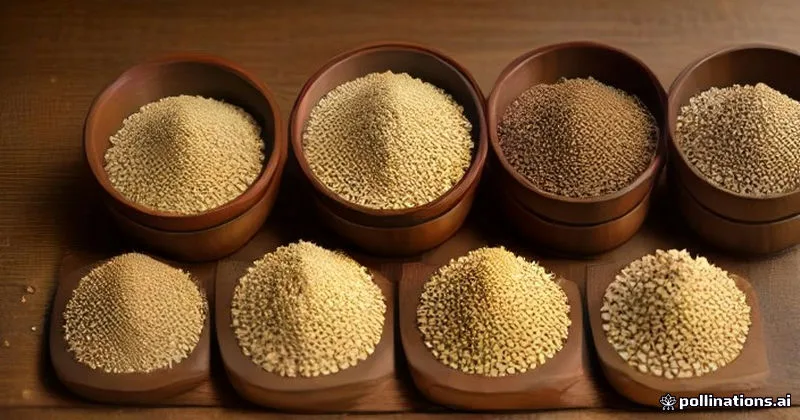
To contextualize hemp seeds within the broader nutritional landscape familiar to Tamil consumers, here's a comparison with commonly consumed protein sources:
| Protein Source (30g serving) | Protein | Omega-3 | Key Advantage |
|---|---|---|---|
| Hemp Seeds | 9.5g (complete) | 2.7g | All 9 essential amino acids + ideal omega ratio |
| Sesame Seeds (Til) | 5.3g | 0.1g | High calcium content |
| Peanuts (Groundnut) | 7.6g | trace | Affordable, widely available |
| Cooked Toor Dal | 3.0g | trace | Traditional staple, high fiber |
| Almonds (Badam) | 6.0g | trace | Vitamin E, monounsaturated fats |
| Sunflower Seeds | 5.8g | 0.02g | High vitamin E |
This comparison illustrates hemp seeds' distinctive position: they deliver more complete protein than most plant sources familiar to Tamil consumers, while providing substantially more omega-3 fatty acids than common nuts and seeds. This makes hemp seeds particularly valuable for vegetarians and vegans seeking to optimize their essential fatty acid intake without relying on fish or algae supplements.
Rather than replacing traditional protein sources, hemp seeds work best as a complementary addition that fills nutritional gaps. Combining hemp seeds with dal-rice combinations, for instance, further enhances the overall amino acid profile while adding minerals like magnesium and zinc that may be less abundant in grain-legume meals.
Storage, Selection & Quality Considerations for Hemp Seeds
Maximizing the nutritional value and shelf life of hemp seeds requires proper selection, storage, and handling practices:
Choosing Quality Products
- FSSAI compliance: Always verify that products display FSSAI licensing and meet regulatory THC/CBD limits
- Manufacturing transparency: Look for brands that disclose their sourcing and manufacturing practices, ideally with batch testing for purity
- Packaging integrity: Quality hemp seeds come in airtight, opaque packaging that protects omega-3 fatty acids from light and oxygen exposure
- Freshness indicators: Check manufacturing and expiry dates; hemp seeds are best consumed within 12-18 months of production
- Organic certification: While not mandatory, organic certification provides additional assurance regarding pesticide and heavy metal contamination
Proper Storage Methods
The high content of polyunsaturated fatty acids in hemp seeds makes them susceptible to oxidation, which degrades nutritional quality and creates off-flavors:
- Refrigeration: Store opened packages of hemp seeds and hemp seed oil in the refrigerator to slow oxidation
- Airtight containers: Transfer hemp seeds to glass or food-grade plastic containers with tight-sealing lids to minimize air exposure
- Light protection: Keep hemp seeds away from direct sunlight; store in dark cupboards or opaque containers
- Freezing for long-term storage: Hemp seeds can be frozen for up to one year without significant nutritional loss; thaw only the quantity needed for immediate use
- Quality monitoring: Periodically smell and taste stored hemp seeds; any rancid or paint-like odors indicate oxidation and the product should be discarded
Our curated selection of hemp nutrition products features only brands that meet stringent quality standards and employ proper packaging to ensure freshness upon delivery.
Potential Side Effects & Precautions When Consuming Hemp Seeds
While hemp seeds are generally recognized as safe and well-tolerated by most people, certain considerations warrant attention:
Digestive Adjustments
Individuals unaccustomed to high-fiber foods may experience temporary bloating, gas, or changes in bowel movements when first introducing hemp seeds, particularly whole seeds with shells intact. Starting with smaller quantities (1 tablespoon) and gradually increasing over 1-2 weeks allows the digestive system to adapt.
Allergic Reactions
Although rare, hemp seed allergies have been documented in medical literature. Symptoms may include skin rashes, digestive upset, or respiratory issues. Anyone with known allergies to other seeds or nuts should introduce hemp seeds cautiously and monitor for adverse reactions.
Medication Interactions
Hemp seeds' omega-3 content may have mild blood-thinning effects. Individuals taking anticoagulant medications (blood thinners) should consult healthcare providers before consuming large quantities of hemp seeds. Similarly, because hemp seeds may affect blood sugar regulation, those with diabetes should monitor blood glucose when adding hemp seeds to their diet.
Drug Testing Considerations
While properly processed hemp seeds contain negligible THC, extremely sensitive drug tests might theoretically detect trace cannabinoid metabolites after consumption of large quantities. This is exceptionally rare with FSSAI-compliant products but may be a consideration for individuals subject to zero-tolerance drug testing policies.
Pregnancy & Lactation
Hemp seeds' nutritional profile makes them potentially beneficial during pregnancy and lactation for protein and essential fatty acid intake. However, as with any dietary change during pregnancy, consultation with a healthcare provider is advisable to ensure appropriateness for individual circumstances.
For personalized safety guidance that considers your specific health status, medications, and health goals, schedule a consultation with our registered Ayurvedic practitioners who can provide individualized recommendations.
Where to Buy Authentic Hemp Seeds in Tamil Nadu & Across India
As demand for hemp nutrition grows across Tamil Nadu and India, ensuring you source authentic, compliant products is paramount:
Online Sources
Reputable online platforms specializing in hemp and wellness products offer the advantage of transparency, product variety, and doorstep delivery. When purchasing online:
- Verify the seller displays FSSAI licensing and compliance documentation
- Check for detailed product descriptions including sourcing information and nutritional analysis
- Review customer feedback and third-party reviews for quality assurance
- Ensure secure payment processing and clear return/refund policies
- Confirm shipping practices that preserve product freshness (temperature-controlled when necessary)
Our comprehensive hemp nutrition collection offers a curated selection of hemp seeds, hemp hearts, hemp seed oil, and hemp flour from verified manufacturers, with detailed product information and quality guarantees.
Local Health Food Stores
Major cities in Tamil Nadu including Chennai, Coimbatore, Madurai, and Trichy increasingly feature health food stores and organic markets that stock hemp seed products. When shopping locally:
- Ask to see FSSAI licensing documentation
- Check packaging for manufacturing and expiry dates
- Inquire about storage conditions in the store (refrigerated storage is ideal for opened packages)
- Compare unit costs across package sizes to optimize value
Direct from Manufacturers
Some hemp farming and processing cooperatives sell directly to consumers, often at competitive rates. This approach supports local hemp agriculture while ensuring product freshness. Verify that direct suppliers hold appropriate state licensing for hemp cultivation and processing.
What to Avoid
- Products without clear FSSAI licensing or compliance documentation
- Unusually low-priced hemp seeds that may indicate quality or authenticity concerns
- Products with vague or incomplete labeling regarding sourcing and manufacturing
- Sellers making exaggerated health claims or medicinal promises
- Products stored in improper conditions (exposed to heat, light, or humidity)
Beyond hemp seeds themselves, explore complementary products like wellness teas and other Ayurvedic supplements to create a comprehensive approach to nutritional wellness.
Hemp Seeds vs Hemp Protein Powder vs Hemp Oil: Which Is Right for You?
The hemp plant offers multiple nutritional products, each with distinct advantages depending on your wellness goals:
Whole Hemp Seeds / Hemp Hearts
Best for: General nutrition, versatile culinary use, whole-food nutrition approach
Advantages: Complete nutritional package including protein, healthy fats, fiber (in whole seeds), vitamins, and minerals; minimal processing; easy to incorporate into varied dishes
Considerations: Higher calorie density due to fat content; requires proper storage to prevent rancidity
Hemp Protein Powder
Best for: Concentrated protein supplementation, post-workout nutrition, weight management, protein shakes
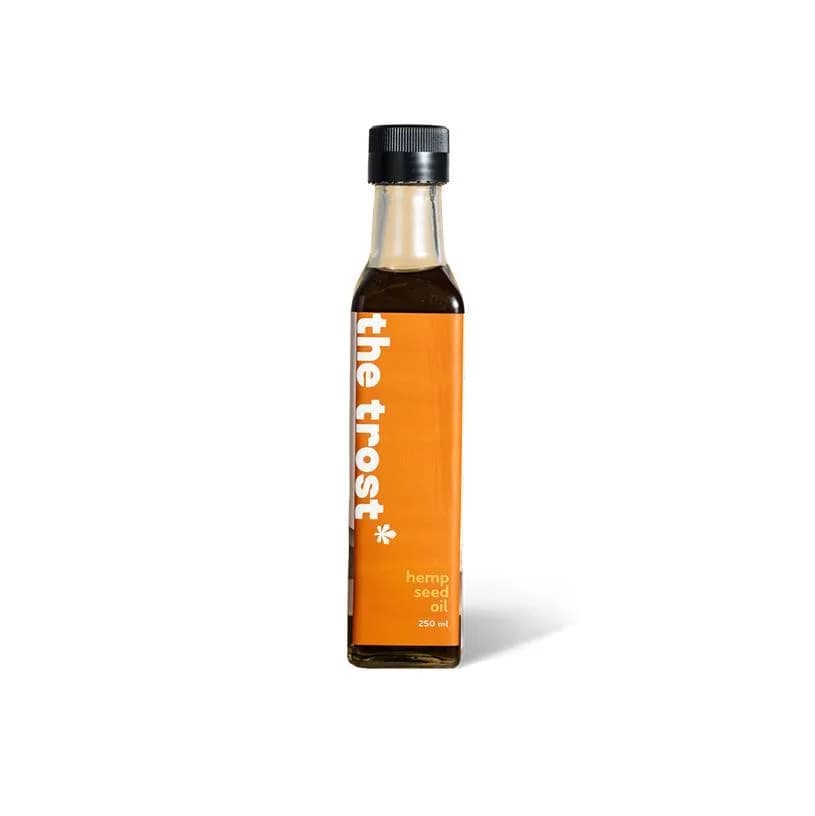
Advantages: Higher protein concentration (typically 50-70% protein by weight); lower fat and calorie content per protein gram; convenient for smoothies and baking
Considerations: More processed than whole seeds; may have stronger taste some find less palatable; often more expensive per serving
Hemp Seed Oil
Best for: Essential fatty acid supplementation, salad dressings, finishing oil, topical skincare applications
Advantages: Concentrated omega-3 and omega-6 fatty acids; versatile for both culinary and cosmetic use; ideal for those focused specifically on fatty acid nutrition
Considerations: Minimal protein content; cannot be used for high-heat cooking; requires refrigeration after opening; most susceptible to oxidation
For most people seeking comprehensive nutritional benefits, starting with whole hemp hearts provides the best balance of nutrition, versatility, and value. Those with specific goals—such as athletes requiring concentrated protein or individuals focused on anti-inflammatory essential fatty acids—may benefit from targeted hemp protein powder or hemp seed oil supplementation.
Many wellness practitioners recommend a combination approach: using hemp hearts for daily nutrition in meals, supplementing with hemp protein powder after exercise, and incorporating hemp seed oil in no-cook preparations or as a nutritional supplement taken by the spoonful.
Sustainability & Environmental Benefits of Hemp Cultivation
Beyond personal nutrition, choosing hemp seeds supports broader environmental sustainability goals important to Tamil Nadu and India:
Agricultural Efficiency
Hemp cultivation requires significantly less water than many conventional crops, making it suitable for water-stressed regions. Research indicates hemp requires approximately 300-400mm of water per growing season—roughly half that of cotton. As Tamil Nadu faces recurring water scarcity challenges, supporting hemp agriculture promotes more sustainable farming practices.
Soil Health & Carbon Sequestration
Hemp plants develop deep root systems that prevent soil erosion and improve soil structure. The plant also demonstrates impressive carbon sequestration capacity—approximately 1.63 tons of CO₂ absorbed per ton of hemp produced. After harvest, hemp plants naturally return nutrients to soil, reducing fertilizer requirements for subsequent crops.
Pesticide-Free Growing Potential
Hemp naturally resists most pests and diseases, minimizing or eliminating pesticide requirements. This characteristic makes organic hemp cultivation more economically viable than many other crops, reducing chemical contamination of soil, water, and surrounding ecosystems.
Versatile Crop Utilization
Every part of the hemp plant offers commercial value: seeds for nutrition, stalks for fiber and construction materials, leaves for potential medicinal applications, and roots for soil improvement. This complete utilization reduces agricultural waste and maximizes resource efficiency.
By incorporating hemp seeds into your diet, you participate in a food system that supports environmental stewardship alongside personal wellness. For those interested in the broader ecosystem of hemp and cannabis wellness, explore our Ayurvedic supplement range that combines traditional wisdom with sustainable sourcing practices.
Frequently Asked Questions About Hemp Seeds in Tamil
What is the Tamil name for hemp seeds?
Hemp seeds are called கஞ்சா விதைகள் (kañcā vitaikaḷ) or சணல் விதைகள் (caṇal vitaikaḷ) in Tamil. The term "சணல்" (caṇal) specifically refers to the hemp plant cultivated for fiber and seeds, distinguishing it from cannabis varieties grown for medicinal or other purposes. Hemp hearts (hulled seeds) are sometimes referred to as சணல் இதயங்கள் (caṇal itayaṅkaḷ) in Tamil.
Will eating hemp seeds make you high or cause intoxication?
No, eating hemp seeds will not cause intoxication or any psychoactive effects. Hemp seeds contain negligible amounts of THC (tetrahydrocannabinol), the compound responsible for cannabis' intoxicating effects. FSSAI-compliant hemp seed products in India contain no more than 5-10 mg/kg THC—far below any threshold for psychoactive effects. Hemp seeds are a nutritional food ingredient similar to any other seed or nut.
How many hemp seeds should I eat per day for health benefits?
Most nutritional research suggests 2-3 tablespoons (approximately 20-30 grams) of hemp hearts daily provides significant health benefits without excessive caloric intake. This quantity delivers roughly 9-14 grams of complete protein, substantial omega-3 and omega-6 fatty acids, and meaningful amounts of magnesium, iron, and zinc. Begin with smaller amounts (1 tablespoon) if new to hemp seeds, gradually increasing as your digestive system adjusts to the fiber content.
Are hemp seeds safe during pregnancy and breastfeeding?
Hemp seeds' exceptional nutritional profile—particularly their complete protein and essential fatty acid content—may offer benefits during pregnancy and lactation. However, as with any significant dietary change during pregnancy, consultation with your healthcare provider is essential to ensure appropriateness for your individual circumstances. Choose only FSSAI-compliant products from reputable sources to ensure purity and absence of contaminants. Our consultation service connects you with registered practitioners who can provide personalized guidance.
Where can I buy authentic hemp seeds in Tamil Nadu?
Authentic, FSSAI-compliant hemp seeds are available through reputable online wellness platforms, select health food stores in major Tamil Nadu cities (Chennai, Coimbatore, Madurai), and directly from licensed manufacturers. When purchasing, verify FSSAI licensing, check packaging for manufacturing dates and storage information, and ensure products meet regulatory standards for THC and CBD content. Our hemp nutrition collection offers verified, quality-assured products with transparent sourcing and doorstep delivery across India.
Conclusion: Embracing Hemp Seeds (கஞ்சா விதைகள்) for Holistic Wellness
Hemp seeds represent a remarkable convergence of ancient wisdom and modern nutritional science—a plant-based superfood offering complete protein, ideal omega fatty acid ratios, and abundant minerals in a form accessible to Tamil Nadu residents and all Indians seeking to optimize their wellness naturally.
From their traditional roots in Ayurvedic medicine to contemporary applications supported by peer-reviewed research, hemp seeds (கஞ்சா விதைகள்) offer versatile nutrition that complements existing dietary patterns while filling nutritional gaps common in plant-based diets. Whether you're seeking to boost protein intake, support cardiovascular health, optimize skin wellness, or simply explore nutrient-dense whole foods, hemp seeds deserve consideration in your wellness routine.
The growing availability of FSSAI-compliant hemp seed products across India makes it easier than ever to incorporate this nutritional powerhouse into your daily life—from simple additions to traditional Tamil dishes to innovative smoothies and wellness preparations.
Start your hemp nutrition journey today by exploring our complete range of premium hemp seeds, hemp hearts, hemp seed oil, and hemp protein products. For personalized guidance on integrating hemp nutrition into your specific wellness goals, book a consultation with our registered Ayurvedic practitioners who understand both traditional wisdom and contemporary nutritional science.
Join our wellness membership program to receive exclusive access to educational resources, product discounts, and ongoing support as you explore the transformative potential of hemp and holistic wellness. Visit our complete product range to discover complementary supplements, herbal remedies, and wellness tools that support your journey toward optimal health.
Sources & References
- Callaway, J. C. (2004). Hempseed as a nutritional resource: An overview. Euphytica, 140(1-2), 65-72.
- Rodriguez-Leyva, D., & Pierce, G. N. (2010). The cardiac and haemostatic effects of dietary hempseed. Nutrition & Metabolism, 7, 32.
- Callaway, J., Schwab, U., Harvima, I., Halonen, P., Mykkänen, O., Hyvönen, P., & Järvinen, T. (2005). Efficacy of dietary hempseed oil in patients with atopic dermatitis. Journal of Dermatological Treatment, 16(2), 87-94.
- House, J. D., Neufeld, J., & Leson, G. (2010). Evaluating the quality of protein from hemp seed (Cannabis sativa L.) products through the use of the protein digestibility-corrected amino acid score method. Journal of Agricultural and Food Chemistry, 58(22), 11801-11807.
- Food Safety and Standards Authority of India (FSSAI). (2021). Notification on use of hemp seed and its products in food. Ministry of Health and Family Welfare, Government of India.
- Montserrat-de la Paz, S., Marín-Aguilar, F., García-Giménez, M. D., & Fernández-Arche, M. A. (2014). Hemp (Cannabis sativa L.) seed oil: analytical and phytochemical characterization of the unsaponifiable fraction. Journal of Agricultural and Food Chemistry, 62(5), 1105-1110.
Share this article
Written by
THC Store Editorial
Published 4 hours ago