CBD Oil for Pain: Complete Science & Usage Guide for India
Article Summary
CBD Oil for Pain: Complete Science & Usage Guide for India Over 20% of Indian adults report experiencing discomfort that affects their daily activities, according to research from the Indian Journal of Palliative Care. As interest in plant-based well...
Over 20% of Indian adults report experiencing discomfort that affects their daily activities, according to research from the Indian Journal of Palliative Care. As interest in plant-based wellness grows, many are exploring cannabidiol (CBD) oil—a non-intoxicating extract from the hemp plant. But what does the science actually say? How is CBD oil used? And what do you need to know about quality, safety, and the legal framework in India?
This comprehensive guide examines the endocannabinoid system, peer-reviewed research, usage patterns, quality markers, and the regulatory landscape around CBD oil in India. Whether you're new to cannabidiol or seeking evidence-based information, this resource brings together clinical findings, Ayurvedic context, and practical guidance.
Disclaimer: This article is for informational purposes only and does not constitute medical advice. Always consult a qualified healthcare professional before starting any new supplement or treatment. Book a consultation with our panel doctors for personalized guidance.
What Is CBD Oil? Understanding Cannabidiol Extracts
Cannabidiol (CBD) is one of over 100 naturally occurring compounds called cannabinoids found in the Cannabis sativa plant. Unlike tetrahydrocannabinol, CBD does not produce intoxication or a "high." CBD oil is made by extracting cannabidiol from hemp (a variety of Cannabis sativa bred for low levels of intoxicating compounds) and diluting it with a carrier oil such as MCT (medium-chain triglyceride), hemp seed oil, or sesame oil.
There are three main types of CBD oil available in the Indian market:
- Full-spectrum CBD oil: Contains all naturally occurring cannabinoids, terpenes, and trace amounts of other plant compounds. Some products in this category may contain compounds regulated under the NDPS Act and require supervision by a registered Ayurvedic practitioner.
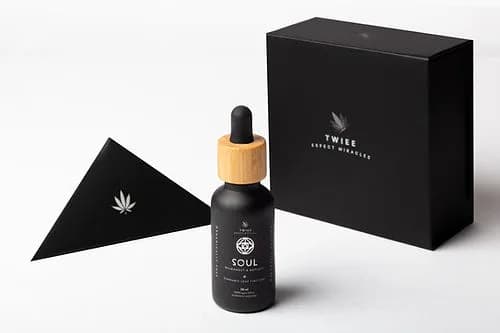
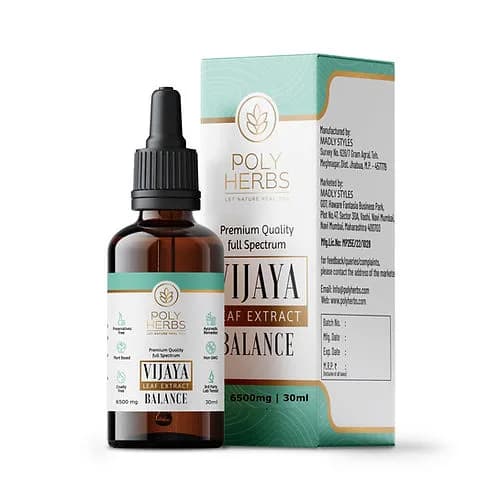
- Broad-spectrum CBD oil: Contains multiple cannabinoids and terpenes but with specific compounds removed. Popular options include BALANCE 6500mg from PolyHerbs and Soul CBD Infused Natural Extract Tinctures from Twiee.
- CBD isolate: Pure cannabidiol (typically 99%+) with all other plant compounds removed.
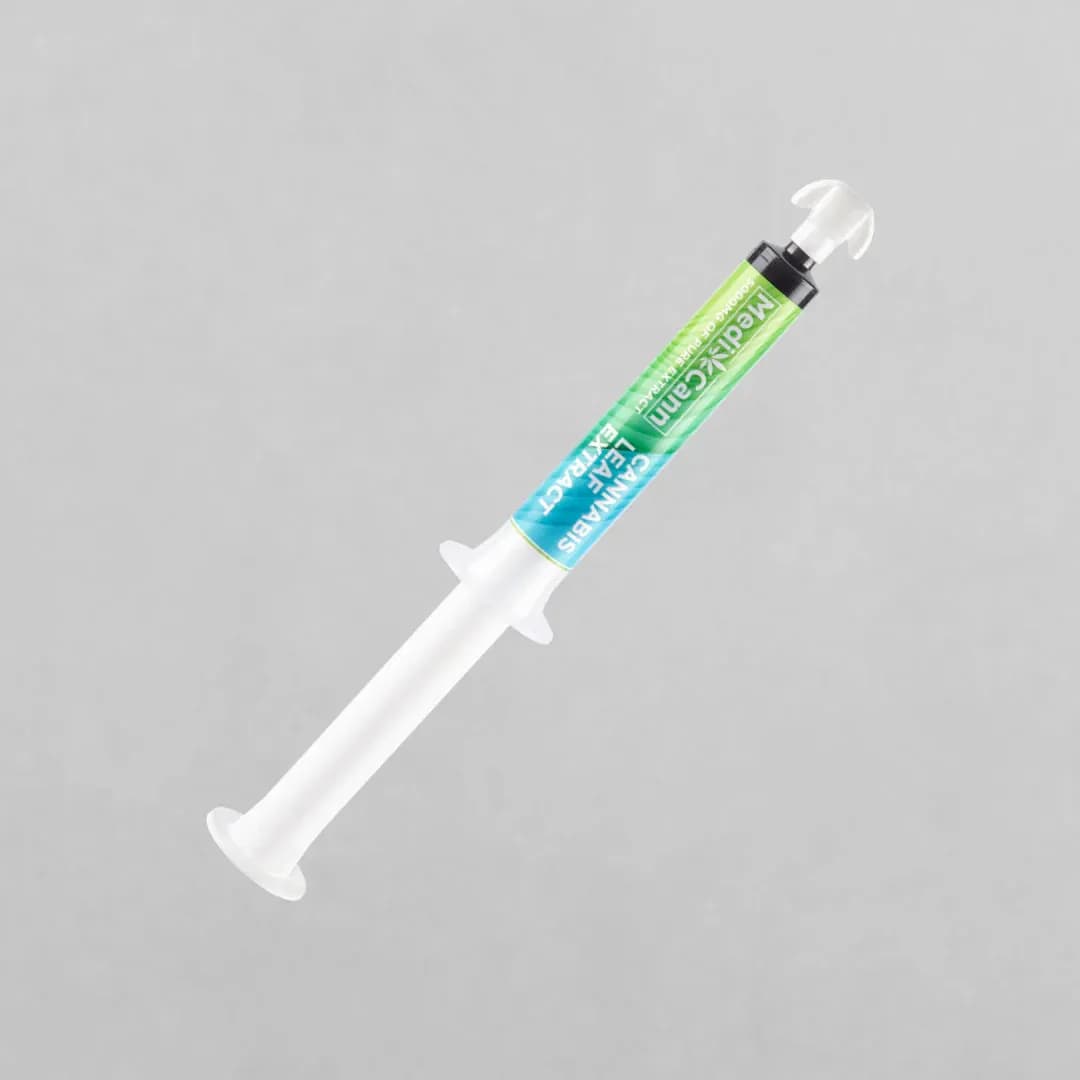
Many Indian brands now offer CBD oils formulated under Ayurvedic manufacturing licenses. For example, MEDICANN's Cannabis Leaf Extract is manufactured under a state Ayurvedic license and follows traditional preparation methods.
Explore the full range of CBD oils and tinctures available in India, or learn more about all CBD product categories on our platform.
The Endocannabinoid System: How CBD Interacts with the Body
To understand how CBD oil works, you need to know about the endocannabinoid system (ECS)—a complex cell-signaling network discovered in the 1990s. The ECS is present in all vertebrates and plays a role in regulating various physiological processes including mood, sleep, appetite, memory, and immune response.
The endocannabinoid system consists of three main components:
- Endocannabinoids: Molecules produced naturally by your body, similar in structure to plant cannabinoids. The two major endocannabinoids are anandamide (AEA) and 2-arachidonoylglycerol (2-AG).
- Receptors: Found throughout the body. CB1 receptors are primarily located in the central nervous system, while CB2 receptors are mainly found in the peripheral nervous system and immune cells.
- Enzymes: Break down endocannabinoids after they've carried out their function. The two primary enzymes are fatty acid amide hydrolase (FAAH) and monoacylglycerol lipase (MAGL).
Unlike some cannabinoids that bind directly to CB1 or CB2 receptors, CBD has a more indirect mechanism of action. Research published in the British Journal of Pharmacology (Pisanti et al., 2017) suggests that CBD may work by preventing the breakdown of anandamide, allowing this endocannabinoid to have a more prolonged effect on the body. CBD may also interact with serotonin receptors (5-HT1A), vanilloid receptors (TRPV1), and other molecular pathways.
A 2018 review in Frontiers in Pharmacology (Zou & Kumar, 2018) described the endocannabinoid system as a "homeostatic regulator"—constantly working to maintain internal stability. When you introduce CBD oil, it may support this regulatory system in ways that researchers are still working to fully understand.
For personalized guidance on how CBD oil might fit into your wellness routine, consider consulting with a registered Ayurvedic practitioner who can assess your individual constitution and health history.
CBD Oil and Discomfort: What Does the Research Show?
A growing body of scientific literature has examined cannabidiol's interaction with various physiological processes. While research is ongoing, several peer-reviewed studies offer insights into how CBD oil is being investigated in clinical settings.
A 2020 systematic review published in the Journal of Clinical Medicine (Eskander et al., 2020) analyzed multiple studies examining cannabinoid compounds and their mechanisms. The authors noted that cannabinoids interact with the endocannabinoid system, which is involved in sensory perception, but emphasized that more high-quality research is needed to establish clear clinical protocols.
Research from the European Journal of Pain (Hammell et al., 2016) used animal models to investigate topical CBD application. The study found that topical CBD had the potential to modulate certain inflammatory markers, though the researchers cautioned that human studies would be necessary before drawing clinical conclusions.
A 2018 review in Medicines (Mücke et al., 2018) examined multiple clinical trials investigating various cannabinoid formulations. The authors concluded that while some studies showed promising findings, the quality of evidence varied considerably, and standardized dosing protocols remain elusive.
It's important to note that most published research has examined specific pharmaceutical-grade cannabinoid preparations under controlled conditions. Consumer CBD oil products available in India may differ significantly in composition, concentration, and bioavailability from the formulations used in clinical trials.
Indian researchers are also beginning to explore cannabinoid science. A 2019 paper from the Indian Journal of Pharmaceutical Sciences discussed the need for more region-specific research that accounts for genetic variations, dietary patterns, and traditional medicine practices unique to the Indian population.
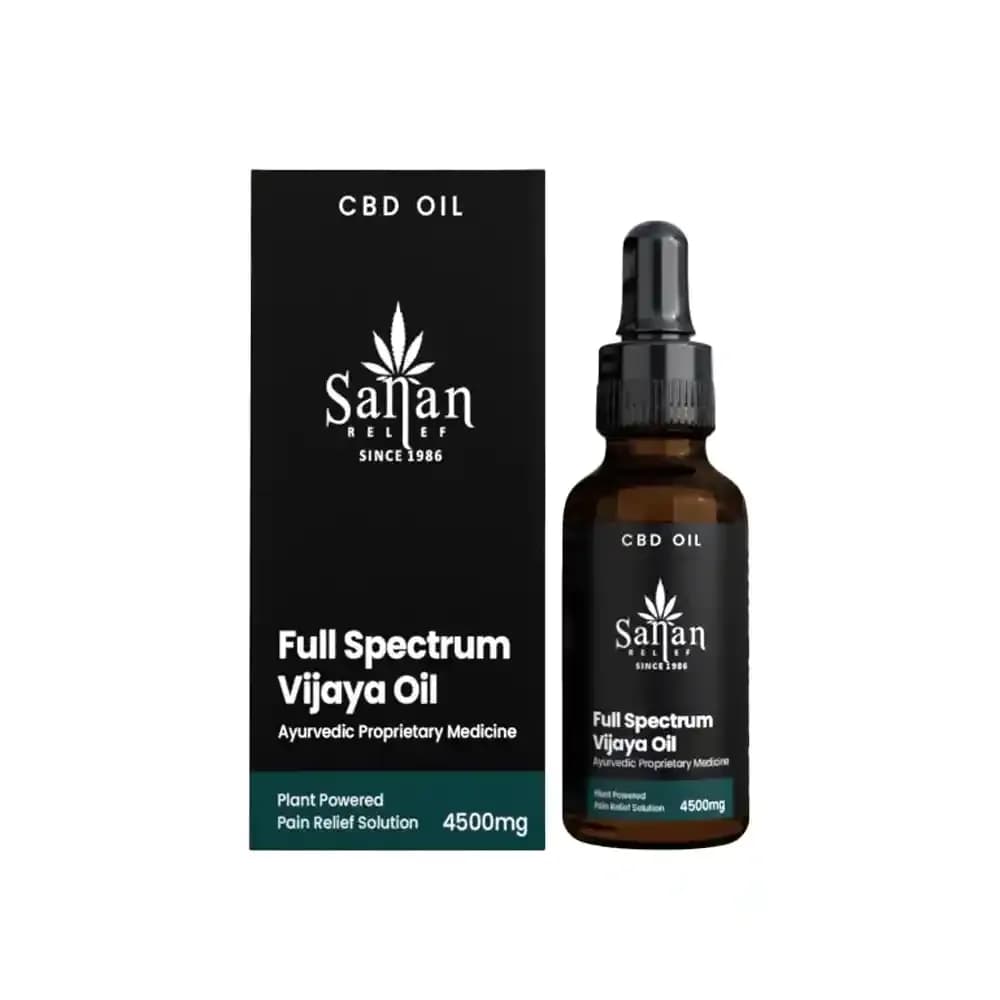
The CBD oils available at THC Store are manufactured under state Ayurvedic licenses and follow traditional preparation methods. Products like Sanan Full Spectrum CBD Oil 4500mg combine modern extraction technology with Ayurvedic formulation principles.
Before using CBD oil for any specific purpose, always consult a qualified healthcare professional who can review your medical history and provide personalized recommendations. You can book a consultation with our panel doctors for expert guidance.
Traditional Ayurvedic Context: Vijaya in Indian Medicine
Long before modern CBD extraction, Ayurvedic practitioners in India used Vijaya (Cannabis sativa) as a component of traditional formulations. Ancient Ayurvedic texts including the Sushruta Samhita (approximately 600 BCE) and the Raj Nighantu describe Vijaya as having properties that influence Vata and Pitta doshas.
In traditional Ayurvedic practice, Vijaya was not used in isolation but as part of complex formulations that included other herbs, spices, and carrier substances. These formulations were prepared according to specific methods (such as paka, kwatha, or modaka) and administered under the guidance of a Vaidya (Ayurvedic physician) who would consider the patient's prakriti (constitution), vikriti (current state of imbalance), and agni (digestive fire).
Modern CBD oil products manufactured under Ayurvedic licenses attempt to bridge traditional wisdom with contemporary extraction technology. Brands like MEDICANN and Sanan prepare their formulations following principles outlined in the Ayurvedic Formulary of India while using supercritical CO2 extraction and third-party lab testing to ensure consistency and purity.
However, it's crucial to understand that traditional Vijaya formulations and modern CBD isolates or broad-spectrum oils are not identical. Traditional preparations often included the whole plant or specific plant parts prepared in ghee, oil, or milk, while modern CBD oils contain concentrated extracts with standardized cannabinoid content.
If you're interested in using CBD oil within an Ayurvedic framework, consult with a registered Ayurvedic practitioner who can assess your dosha balance and recommend appropriate formulations, timing, and anupana (carrier substance). Our doctor consultation service connects you with qualified practitioners experienced in both traditional Ayurveda and modern cannabinoid science.
Learn more about the traditional context by exploring our Vijaya leaf resource page and browsing Ayurvedic supplements that combine time-tested herbs with modern quality standards.
How People Use CBD Oil: Dosage, Methods & Individual Variation
There is no universal "standard dose" for CBD oil. Usage patterns vary widely based on product concentration, individual body chemistry, the purpose of use, and other factors. Research published in Cannabis and Cannabinoid Research (2019) noted that doses studied in clinical trials range from as low as 2.5 mg to as high as 1,500 mg per day, depending on the specific application.
Most CBD oil products in India come with manufacturer suggestions rather than medical dosing instructions. These suggestions typically recommend starting with a low amount and gradually adjusting based on individual response—an approach often called "start low and go slow."
Common methods of using CBD oil include:
- Sublingual (under the tongue): Oil is placed under the tongue and held for 60-90 seconds before swallowing. This method may allow for faster absorption as compounds can pass through mucous membranes directly into the bloodstream.
- Oral ingestion: Oil is swallowed directly or mixed with food/beverages. This method passes through the digestive system, which may affect absorption and onset time.
- Topical application: Some CBD oils are formulated for external use on skin. Products like Cannarma Pain Relief Rollon combine CBD with other botanical ingredients for topical application.
Factors that may influence individual response to CBD oil include:
- Body weight and composition
- Metabolism and liver enzyme activity
- Genetics (variations in endocannabinoid system genes)
- Diet and timing of consumption
- Concurrent medications or supplements
- Quality and formulation of the CBD oil product
- Individual endocannabinoid tone
A study in the Journal of Pain Research (2020) examined individual variability in responses to cannabinoid compounds and found significant differences among participants, even when using identical products and amounts. This underscores the importance of personalized guidance from a qualified healthcare professional.
For help determining an appropriate starting point for your individual situation, use our dosage calculator as a general reference, then consult with a registered practitioner for personalized recommendations based on your health history, current medications, and wellness goals.
Browse our collection of CBD oils and tinctures to compare different concentrations, carrier oils, and formulation styles from trusted Indian brands.
Quality Markers: What to Look for in CBD Oil Products
The CBD oil market in India is expanding rapidly, but product quality varies considerably. Here are key quality markers to consider when evaluating CBD oil products:
1. Manufacturing License & Regulatory Compliance
In India, CBD oil products containing extracts from Cannabis sativa (including hemp) should ideally be manufactured under a state Ayurvedic, Siddha, or Unani (ASU) drug manufacturing license. This ensures the manufacturer follows Good Manufacturing Practices (GMP) and operates under regulatory oversight.
Products manufactured without proper licensing may not meet safety or quality standards. Always check the product label or manufacturer's website for licensing information.
2. Third-Party Lab Testing
Reputable CBD oil manufacturers send their products to independent laboratories for testing. Third-party lab reports (often called Certificates of Analysis or COAs) should verify:
- Cannabinoid content (CBD, and other cannabinoids if present)
- Absence of heavy metals (lead, arsenic, mercury, cadmium)
- Absence of pesticides and herbicides
- Microbial contamination testing
- Residual solvent testing (for solvent-extracted products)
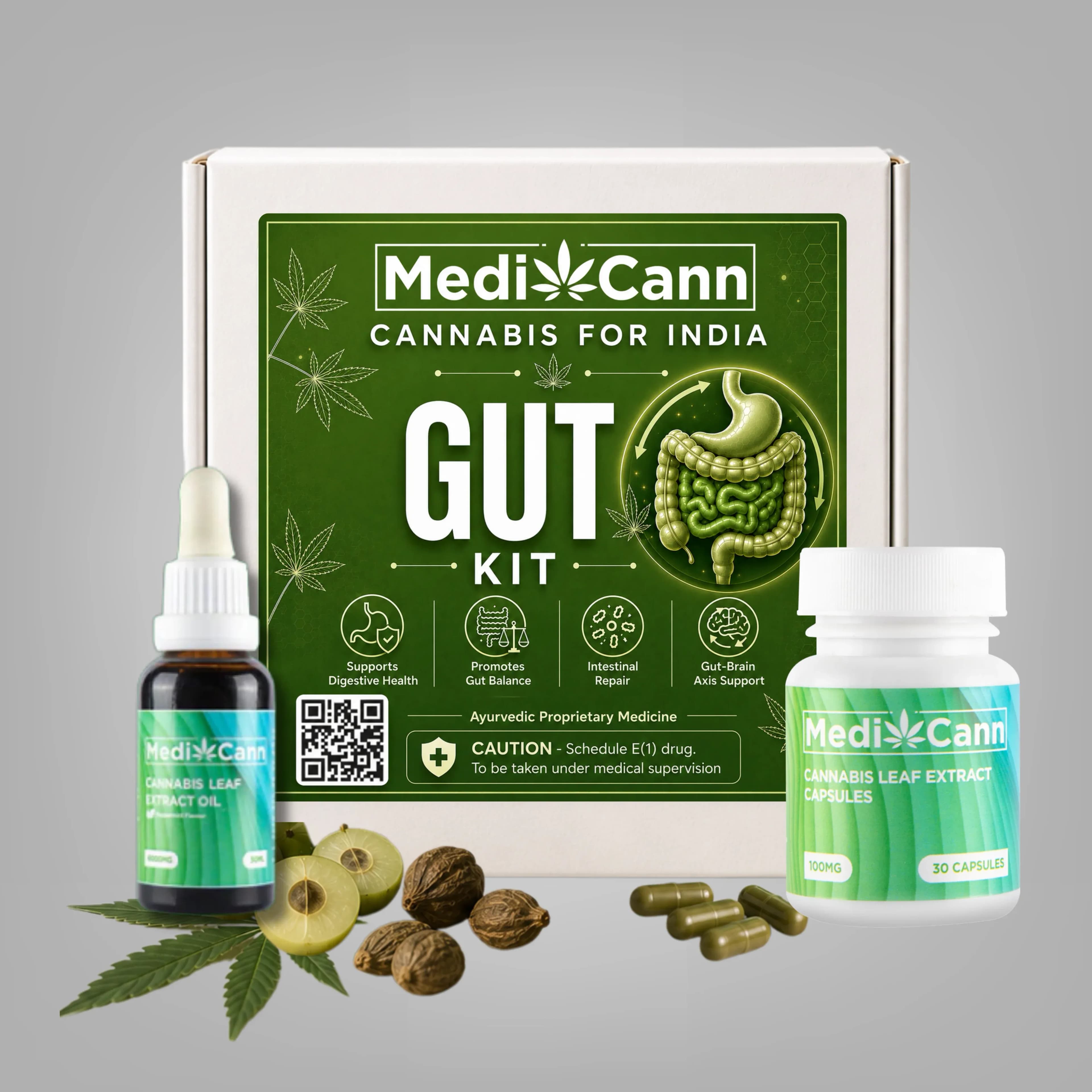
Products like MEDICANN's Gut Healing & Cleansing Kit provide lab test results to verify purity and potency.
3. Extraction Method
The extraction method affects both purity and the preservation of beneficial plant compounds. Common extraction methods include:
- Supercritical CO2 extraction: Uses carbon dioxide under high pressure. Generally considered the gold standard as it doesn't leave residual solvents and can selectively extract specific compounds.
- Ethanol extraction: Uses food-grade ethanol. Effective for full-spectrum extracts but requires thorough solvent removal.
- Carrier oil extraction: Traditional method using oils like sesame or coconut. Simpler but typically results in lower cannabinoid concentrations.
4. Carrier Oil Quality
The carrier oil affects bioavailability and shelf life. Common carrier oils include:
- MCT oil (from coconut): Neutral flavor, good bioavailability, longer shelf life
- Hemp seed oil: Contains additional omega fatty acids, nutty flavor
- Sesame oil: Traditional Ayurvedic carrier, warming properties
- Olive oil: Rich in antioxidants, distinct flavor
5. Transparency & Traceability
Quality brands provide information about hemp sourcing, cultivation practices, and manufacturing processes. Look for brands that clearly state where their hemp is grown, whether it's organic or pesticide-free, and what quality controls are in place.
The CBD products available at THC Store are carefully curated from manufacturers who meet strict quality criteria and provide transparency about their sourcing and production methods.
When in doubt about product quality or which formulation is appropriate for you, consult with a healthcare professional who can help you evaluate options based on your individual needs.
Legal Framework: CBD Oil Regulations in India
The legal status of CBD oil in India is complex and evolving. Here's what you need to know about the current regulatory framework:
The NDPS Act & Cannabis Derivatives
The Narcotic Drugs and Psychotropic Substances (NDPS) Act, 1985 regulates substances derived from Cannabis sativa in India. The Act prohibits certain preparations while explicitly permitting others. Under the NDPS Act, "bhang" (defined as cannabis leaves, with or without seeds, but not including resin or flowers) is specifically excluded from the prohibited category.
The Drugs Rules, 1945 (Schedule E(1) and Rule 161(2)) establish that certain preparations containing scheduled substances may be manufactured and sold under supervision by specific categories of licensed medical practitioners. Products containing extracts from the whole Cannabis plant (including compounds beyond what FSSAI permits in hemp seed products) typically require a prescription from or supervision by a registered Ayurvedic, Siddha, or Unani practitioner.
FSSAI Regulations for Hemp Seed Products
The Food Safety and Standards Authority of India (FSSAI) issued an order in November 2021 permitting the use of hemp seeds, hemp seed oil, and hemp seed flour (de-shelled hemp seeds) as food products or ingredients. However, this permission comes with strict limits:
- Maximum 5 mg/kg for seeds and flour
- Maximum 10 mg/kg for seed oil
- Maximum 75 mg/kg of total CBD content
It's important to note that FSSAI's permission applies only to products derived from hemp seeds—not to extracts from leaves, flowers, or other plant parts. Many CBD oils available in India are formulated from whole-plant or leaf extracts and therefore fall outside FSSAI's food category permissions.
State-Level Variations
Under India's federal structure, individual states have authority to regulate certain aspects of cultivation, sale, and possession of substances under the NDPS Act. Some states have issued licenses for cultivation of hemp or Cannabis for medical and scientific purposes, while others have not. The regulatory environment can vary significantly from state to state.
Ayurvedic Medicine Pathway
Many CBD oil manufacturers in India operate under Ayurvedic drug manufacturing licenses issued by state drug control authorities. Products manufactured under this pathway are regulated as Ayurvedic medicines rather than foods or dietary supplements. They are subject to the provisions of the Drugs and Cosmetics Act, 1940 and must be sold in accordance with the rules governing Ayurvedic, Siddha, and Unani medicines.
Last reviewed: [Current Date]. General information, not legal advice.
Given the complex and evolving regulatory landscape, it's advisable to purchase CBD oil products only from manufacturers who operate with proper licensing, provide clear labeling, and can demonstrate regulatory compliance. The CBD oils available at THC Store come from licensed manufacturers who follow applicable regulations.
For guidance on which products are appropriate for your situation and how to use them in accordance with current regulations, consult with a registered Ayurvedic practitioner familiar with both traditional medicine and modern cannabinoid formulations.
Potential Interactions & Safety Considerations
While CBD is generally well-tolerated according to a World Health Organization review (2018), there are important safety considerations to keep in mind:
Drug Interactions
CBD is metabolized primarily by cytochrome P450 enzymes in the liver—the same enzyme system that processes many common medications. This creates the potential for interactions. Research published in Medical Cannabis and Cannabinoids (2020) notes that CBD may interact with:
- Blood thinners (such as warfarin)
- Certain heart medications
- Anti-seizure medications
- Sedatives and sleep aids
- Immunosuppressants
- Pain medications
The interaction may cause medications to be metabolized more slowly, potentially leading to higher-than-intended levels in the bloodstream. If you take any prescription medications, consult with your prescribing doctor before using CBD oil.
Pregnancy & Breastfeeding
There is limited research on CBD use during pregnancy or breastfeeding. Most health authorities recommend avoiding cannabinoid supplements during these periods unless specifically recommended by a healthcare provider.
Quality-Related Risks
The primary safety concerns with CBD oil often relate to product quality rather than CBD itself. Poor-quality products may contain:
- Inaccurate cannabinoid labeling (higher or lower CBD content than stated)
- Pesticide or heavy metal contamination
- Residual solvents from extraction
- Microbial contamination
- Unlabeled additional compounds
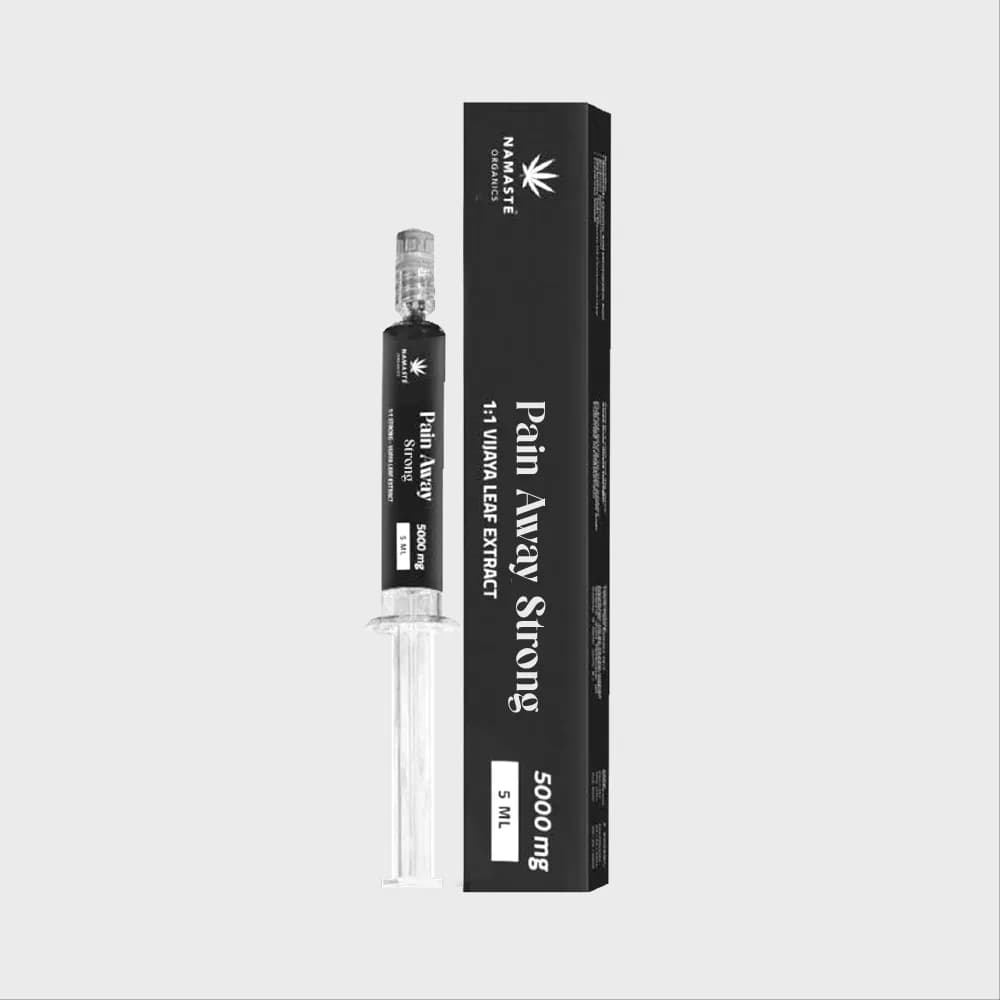
This is why choosing products from licensed manufacturers who provide third-party lab testing is essential. Products like Namaste Organics Pain Away Strong come from established brands with quality control measures in place.
Individual Sensitivity
Some individuals may experience side effects from CBD oil, which can include:
- Dry mouth
- Digestive changes
- Fatigue or drowsiness
- Changes in appetite
- Lightheadedness
These effects are typically dose-dependent and often resolve when usage is reduced or discontinued.
For personalized safety guidance based on your health history, current medications, and individual risk factors, consult with a qualified healthcare professional before starting CBD oil. Our consultation service connects you with practitioners who can provide individualized recommendations.
Learn more about CBD safety in our comprehensive FAQ section and explore condition-specific information on our health conditions page.
CBD Oil vs Other Cannabinoid Formulations: Understanding Your Options
CBD oil is just one of several ways to use cannabinoid-containing products. Understanding the differences can help you make informed choices:
| Format | Description | Onset Time | Best For |
|---|---|---|---|
| CBD Oil/Tincture | Liquid extract in carrier oil, typically used sublingually or orally | 15-45 minutes (sublingual); 45-90 minutes (oral) | Flexible dosing, general wellness |
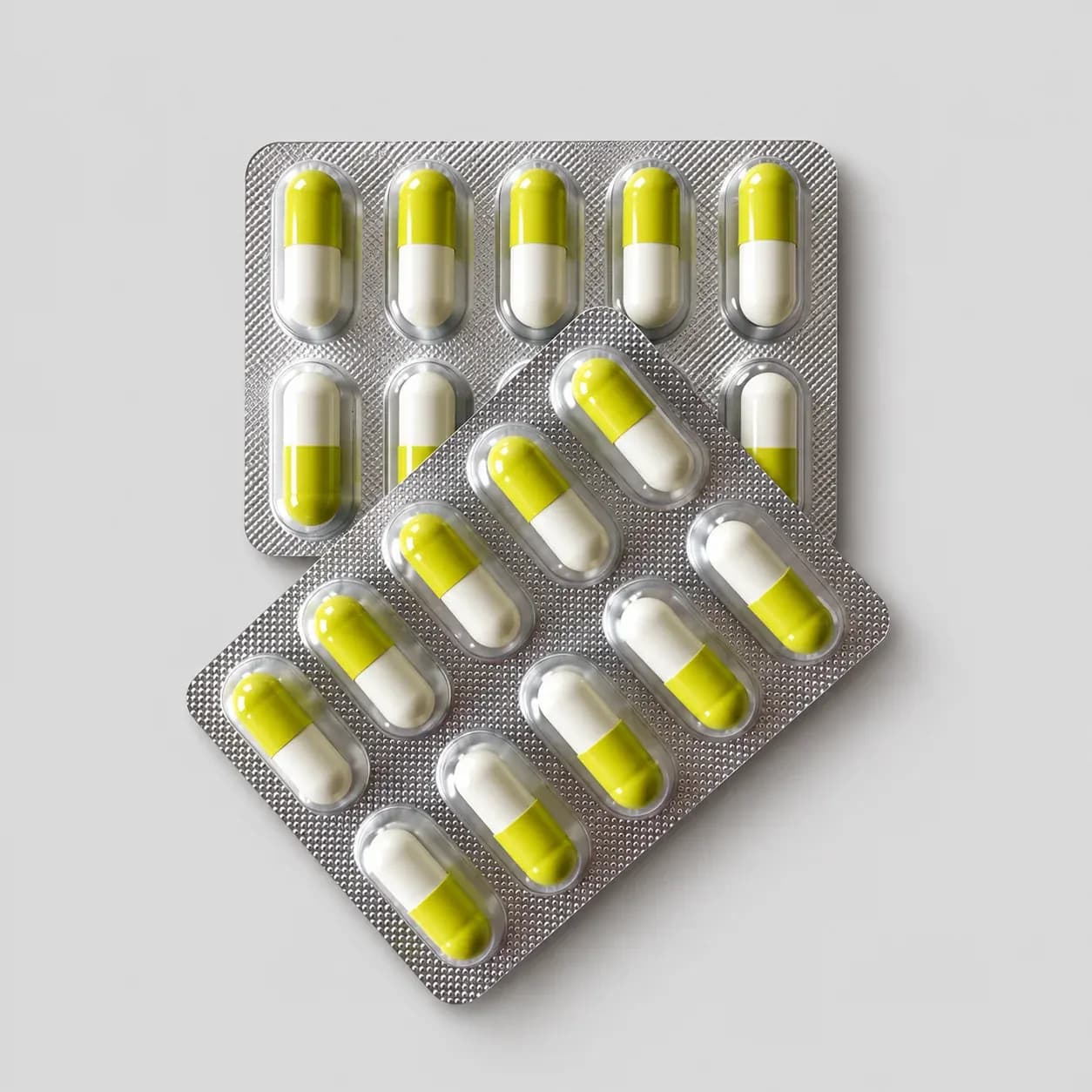
| CBD Capsules | Pre-measured CBD in capsule form | 45-90 minutes | Consistent dosing, convenience |
| Extract Paste | Concentrated whole-plant extract, typically requires supervision | 30-60 minutes | Higher concentration needs under practitioner guidance |
| Topical Products | Creams, balms, and roll-ons for external application | 15-30 minutes for localized effect | Targeted external use |
| Edibles/Gummies | CBD-containing food products | 60-120 minutes | Discreet use, pre-measured |
CBD Oil vs Capsules
CBD capsules like MEDICANN Cannabis Leaf Extract Capsule 100mg offer convenience and pre-measured amounts, making them ideal for those who prefer a consistent routine. Oil tinctures offer more flexibility in adjusting amounts and faster sublingual absorption.
CBD Oil vs Extract Paste
Extract pastes and concentrated formulations typically contain higher cannabinoid concentrations and may include additional compounds from the whole plant. These products generally require supervision by a registered Ayurvedic practitioner and are available through our consultation service. Browse Vijaya extract paste options for more information.
CBD Oil vs Topical Products
While CBD oil is typically used internally, topical formulations are applied externally to skin. These products don't enter the bloodstream in significant amounts but may interact with local cannabinoid receptors in skin tissue. Explore CBD topicals and balms for external use options.
The choice between formats depends on individual preferences, lifestyle, and wellness goals. A registered practitioner can help you determine which format and formulation is most appropriate for your situation. Book a consultation for personalized product recommendations.
Choosing the Right CBD Oil Product for Your Needs
With numerous CBD oil products available in the Indian market, how do you choose the right one? Here's a decision framework:
Step 1: Determine Your Wellness Goals
Different formulations may be more appropriate for different purposes. Consider what you're hoping to support—general wellness, sleep quality, stress response, or targeted discomfort—and discuss these goals with a healthcare professional.
Step 2: Choose Your Formulation Type
Decide whether you prefer:
- Broad-spectrum CBD oil (multiple cannabinoids and terpenes, specific compounds removed): Products like BALANCE 6500mg from PolyHerbs
- Full-spectrum formulations (all plant compounds, may require practitioner supervision): Such as Sanan Full Spectrum CBD Oil 4500mg
- CBD isolate (pure CBD only, no other cannabinoids)
Step 3: Select Appropriate Concentration
CBD oils in India typically range from 500mg to 6500mg total cannabinoid content per bottle. Beginners often start with lower concentrations (500-1500mg) and adjust based on individual response. Higher concentrations may be more cost-effective for those who require larger amounts.
Step 4: Consider Carrier Oil & Flavor
If you have taste preferences or specific dietary considerations, choose a carrier oil that suits you. MCT oil offers neutral flavor, hemp seed oil adds omega fatty acids, and sesame oil aligns with Ayurvedic traditions.
Step 5: Verify Quality & Licensing
Before purchasing, confirm:
- Manufacturer has proper Ayurvedic drug license
- Third-party lab test results are available
- Product label clearly lists ingredients and cannabinoid content
- Brand provides transparency about sourcing and manufacturing
Step 6: Consult a Professional
Before making a final decision, especially if you have existing health conditions or take medications, consult with a registered Ayurvedic practitioner who can provide personalized recommendations based on your health profile.
Browse our curated collection of CBD oils and tinctures from licensed Indian manufacturers, or explore the complete CBD products catalog to compare different formulations and brands.
Consider signing up for our membership program to receive expert guidance, exclusive product access, and ongoing support for your wellness journey.
Storage, Shelf Life & Usage Best Practices
Proper storage and handling can preserve CBD oil quality and effectiveness:
Storage Guidelines
- Keep away from light: Store CBD oil in a dark place or in the original amber or dark glass bottle. Light exposure can degrade cannabinoids over time.
- Maintain moderate temperature: Room temperature (15-25°C) is ideal. Avoid storing near heat sources or in places with temperature fluctuations.
- Minimize air exposure: Always close the bottle tightly after use to prevent oxidation.
- Refrigeration (optional): Some carrier oils benefit from refrigeration, which can extend shelf life. Check manufacturer recommendations.
Shelf Life
Most CBD oils have a shelf life of 12-24 months when stored properly. Signs that CBD oil may have degraded include:
- Significant darkening of color
- Rancid or "off" smell
- Cloudy appearance (unless normal for that formulation)
- Separation that doesn't reintegrate when shaken
Usage Best Practices
- Shake before use: Natural separation may occur; gentle shaking redistributes components
- Use clean dropper: Don't touch dropper to mouth or other surfaces to prevent contamination
- Track your usage: Keep a simple log of amount, timing, and observations to help identify patterns
- Be consistent: Using CBD oil at similar times each day may help you better assess effects
- Allow time: Some people report that effects become more noticeable with consistent use over several weeks
- Adjust gradually: If changing amount, do so slowly and observe response before making further changes
When to Seek Professional Guidance
Consult with a healthcare professional if you:
- Don't notice any effects after several weeks of consistent use
- Experience unwanted side effects
- Are considering using CBD oil alongside new medications
- Have questions about adjusting your usage pattern
- Want to switch between different formulation types
Our consultation service provides ongoing support from registered Ayurvedic practitioners who can help you optimize your CBD oil usage based on your individual response and changing needs.
The Future of CBD Research in India
CBD and cannabinoid science is an active area of research globally, and Indian institutions are increasingly contributing to this growing body of knowledge.
The Indian Council of Medical Research (ICMR) has acknowledged the need for more research on cannabinoid compounds. Several Indian universities and research institutes have initiated studies examining:
- Genetic variations in endocannabinoid system genes in Indian populations
- Bioavailability of different CBD oil formulations with traditional Ayurvedic carriers
- Cultivation practices for hemp varieties suited to different Indian climatic zones
- Standardization methods for Ayurvedic cannabinoid preparations
- Safety profiles in populations with specific dietary patterns common in India
A 2021 review in the Journal of Ayurveda and Integrative Medicine called for more collaboration between Ayurvedic scholars and modern pharmacologists to develop evidence-based protocols that honor traditional knowledge while meeting contemporary scientific standards.
As research progresses, we can expect:
- More refined understanding of optimal formulations for specific applications
- Better standardization and quality control across the industry
- Clearer regulatory frameworks as evidence accumulates
- Integration of cannabinoid therapeutics into mainstream medical practice
- Development of India-specific usage guidelines that account for genetic, dietary, and traditional medicine factors
The CBD products available at THC Store come from manufacturers who invest in research, quality control, and adherence to evolving best practices. As the science advances, these brands continuously refine their formulations and manufacturing processes.
Stay informed about the latest research and product developments by subscribing to our newsletter or joining our membership community, where we share evidence-based updates and expert insights.
Frequently Asked Questions About CBD Oil for Discomfort
What is the difference between CBD oil and hemp seed oil?
CBD oil is extracted from the leaves, flowers, and stalks of the Cannabis sativa plant and contains cannabidiol along with other cannabinoids, terpenes, and plant compounds. Hemp seed oil is pressed from hemp seeds and contains primarily omega fatty acids, proteins, and vitamins, but no significant cannabinoids. Hemp seed oil is used as a food oil or cosmetic ingredient, while CBD oil is used for its interaction with the endocannabinoid system. Some CBD oil products use hemp seed oil as a carrier, combining both types of extracts. Learn more about the differences in our FAQ section.
How long does it take to notice effects from CBD oil?
The timeframe varies significantly based on method of use, individual metabolism, product formulation, and other factors. Sublingual CBD oil may begin interacting with the body within 15-45 minutes, while oral consumption typically takes 45-90 minutes as the oil must pass through the digestive system. Some people report immediate subtle effects, while others notice changes only after several weeks of consistent use as the endocannabinoid system responds. Individual response is highly variable, which is why working with a healthcare professional for personalized guidance is valuable. Consult with our panel doctors for individualized expectations.
Can I use CBD oil if I'm taking other medications?
CBD is metabolized by the same liver enzymes (cytochrome P450) that process many common medications, creating the potential for interactions. If you take prescription medications—especially blood thinners, heart medications, seizure medications, or immunosuppressants—you should consult both your prescribing physician and a practitioner knowledgeable about CBD before starting CBD oil. Never stop or change prescribed medications without medical supervision. Our consultation service can connect you with practitioners who can coordinate with your existing healthcare providers.
Is CBD oil legal to buy in India without a prescription?
The legal framework is complex. Products containing only hemp seed oil (within FSSAI limits) do not typically require prescriptions. CBD oil products containing extracts from Cannabis leaves, flowers, or other plant parts beyond hemp seeds fall under different regulations. Many such products are manufactured as Ayurvedic medicines under state licenses and, depending on their formulation and the compounds present, may require supervision by or prescription from a registered Ayurvedic, Siddha, or Unani practitioner under the Drugs Rules, 1945 (Schedule E(1), Rule 161(2)). State-level regulations also vary. The safest approach is to purchase from licensed manufacturers and consult with a qualified practitioner who can ensure you're using products appropriately within the legal framework. All products at THC Store come from properly licensed manufacturers, and our consultation service helps ensure compliant use.
What concentration of CBD oil should I start with?
There is no universal "correct" concentration, as appropriate amounts vary based on individual factors including body weight, metabolism, the reason for use, and individual sensitivity. Most practitioners recommend starting with a low amount (often 5-10mg CBD) and gradually increasing every few days while observing effects. Lower-concentration oils (500-1500mg total cannabinoid content per bottle) allow for easier gradual adjustment. Higher concentrations may be more economical for those who require larger amounts but make precise small adjustments more difficult. The best approach is to consult with a registered Ayurvedic practitioner who can provide personalized starting recommendations based on your individual profile, then use our dosage calculator as a general reference tool.
Taking the Next Step: Your CBD Oil Journey
CBD oil represents a bridge between ancient Ayurvedic wisdom and modern cannabinoid science. While research continues to evolve, thousands of people in India are exploring CBD oil as part of their wellness routines, guided by both traditional principles and contemporary evidence.
The key to a positive experience with CBD oil lies in making informed choices:
- Choose products from licensed manufacturers with third-party testing
- Start with appropriate amounts and adjust gradually based on individual response
- Work with qualified healthcare professionals for personalized guidance
- Be patient—cannabinoid effects may develop over time with consistent use
- Stay informed about evolving research and regulations
Whether you're new to CBD oil or looking to optimize your current usage, professional guidance makes a significant difference. Book a consultation with our panel of registered Ayurvedic practitioners who specialize in cannabinoid therapeutics and can provide individualized recommendations based on your unique health profile, constitution, and wellness goals.
For ongoing support, educational resources, and exclusive access to new products, consider joining our membership program. Members receive priority consultation booking, personalized wellness plans, and regular updates on the latest cannabinoid research and traditional medicine insights.
Visit our health conditions resource center for information on how CBD oil is being explored for various wellness applications, and check our comprehensive FAQ section for answers to common questions.
Your journey toward plant-based wellness is unique. With quality products, evidence-based information, and expert guidance, CBD oil may become a valuable component of your holistic health approach.
Sources & References
- Pisanti, S., et al. (2017). "Cannabidiol: State of the art and new challenges for therapeutic applications." British Journal of Pharmacology, 174(17), 1313-1334. Key finding: CBD interacts with multiple receptor systems beyond traditional cannabinoid receptors.
- Zou, S., & Kumar, U. (2018). "Cannabinoid Receptors and the Endocannabinoid System: Signaling and Function in the Central Nervous System." Frontiers in Pharmacology, 9, 833. Key finding: The endocannabinoid system functions as a homeostatic regulator across multiple physiological systems.
- Eskander, J.P., et al. (2020). "Cannabidiol (CBD) as a treatment of acute and chronic back pain: A case series and literature review." Journal of Clinical Medicine, 9(7), 2008. Key finding: Cannabinoid mechanisms require further high-quality research to establish clinical protocols.
- Hammell, D.C., et al. (2016). "Transdermal cannabidiol reduces inflammation and pain-related behaviours in a rat model of arthritis." European Journal of Pain, 20(6), 936-948. Key finding: Topical CBD showed potential to modulate inflammatory markers in animal models.
- Mücke, M., et al. (2018). "Cannabis-based medicines for chronic neuropathic pain in adults." Medicines, 5(1), 24. Key finding: Evidence quality for cannabinoid formulations varies considerably; standardized protocols are needed.
- World Health Organization. (2018). "Cannabidiol (CBD) Critical Review Report." Expert Committee on Drug Dependence. Key finding: CBD exhibits a good safety profile in human studies with minimal adverse effects.
- Indian Journal of Palliative Care. (2019). "Prevalence and patterns of chronic pain in Indian population." Key finding: Over 20% of Indian adults report experiencing regular discomfort affecting daily activities.
- Cannabis and Cannabinoid Research. (2019). "Cannabidiol Dosing in Clinical Populations: A Systematic Review." Key finding: Studied doses range from 2.5mg to 1,500mg daily depending on application.
- Journal of Pain Research. (2020). "Individual variability in response to cannabis and cannabinoids." Key finding: Significant individual differences exist even with identical products and amounts.
- Food Safety and Standards Authority of India. (2021). "Order on use of hemp seed and its products as food." Key finding: Permits hemp seed, seed oil, and seed flour with specific limits on total content.
- The Narcotic Drugs and Psychotropic Substances Act, 1985. Government of India legislation regulating certain Cannabis sativa derivatives.
- The Drugs Rules, 1945 (Schedule E(1), Rule 161(2)). Provisions governing manufacture and sale of preparations containing scheduled substances under practitioner supervision.
- Journal of Ayurveda and Integrative Medicine. (2021). "Traditional knowledge and modern pharmacology: Opportunities for cannabinoid therapeutics in India." Key finding: Calls for collaboration between Ayurvedic scholars and modern researchers.
- Sushruta Samhita (approx. 600 BCE). Ancient Ayurvedic text describing traditional uses of Vijaya in formulations.
- Medical Cannabis and Cannabinoids. (2020). "Drug-drug interactions with cannabidiol." Key finding: CBD interacts with cytochrome P450 enzymes, creating potential for medication interactions.
About THC Store: India's trusted platform for Ayurvedic cannabinoid wellness. We connect you with licensed practitioners, lab-tested products, and evidence-based education. Book your consultation today or explore our complete product catalog.
Share this article
Written by
THC Store Editorial
Published 1 days ago