Hemp Paper Products: Eco-Friendly Stationery & Sustainable Alternatives
Article Summary
Hemp Paper Products: Eco-Friendly Stationery & Sustainable Alternatives for India Did you know that if the paper industry shifted to hemp-based production, we could save approximately 8 million acres of forest annually? In a world where deforestation...
Hemp Paper Products: Eco-Friendly Stationery & Sustainable Alternatives for India
Did you know that if the paper industry shifted to hemp-based production, we could save approximately 8 million acres of forest annually? In a world where deforestation claims 10 million hectares of forest every year, hemp paper products offer a revolutionary solution that's been hiding in plain sight for centuries. As India grapples with environmental challenges while experiencing unprecedented economic growth, the demand for sustainable alternatives has never been more urgent. Hemp paper represents not just an eco-friendly choice, but a return to an ancient practice that modern technology has made even more viable.
From handcrafted bookmarks to premium diaries, hemp stationery is making a comeback in India's conscious consumer market. This comprehensive guide explores everything you need to know about hemp paper products—their environmental benefits, manufacturing process, quality comparisons, and where to find authentic hemp stationery in India. Whether you're a student, professional, artist, or simply someone committed to reducing your environmental footprint, hemp paper offers a tangible way to make a difference with every page you write.
Disclaimer: This article is for informational purposes only and does not constitute medical advice. Always consult a qualified healthcare professional before starting any new supplement or treatment. Cannabis-based products may require a prescription in India under NDPS Act regulations. Book a consultation with our panel doctors for personalized guidance.
What Are Hemp Paper Products? Understanding the Sustainable Alternative
Hemp paper products are stationery and writing materials made from the fiber of the industrial hemp plant (Cannabis sativa). Unlike traditional paper derived from wood pulp, hemp paper utilizes the long, durable fibers found in the stalk of the hemp plant. This ancient material has been used for thousands of years—the first paper ever created was made from hemp in China around 150 BCE, and even the original drafts of the U.S. Declaration of Independence were written on hemp paper.
Industrial hemp grows rapidly, reaching maturity in just 3-4 months compared to trees that require 20-80 years. The plant requires minimal pesticides, herbicides, or fertilizers, making it an inherently sustainable crop. When processed into paper, hemp fibers produce a material that's stronger, more durable, and more resistant to degradation than conventional wood-based paper.
In India, the hemp paper industry is experiencing a renaissance as brands like OG Hemp pioneer the creation of eco-friendly hemp lifestyle products. Modern hemp paper products include everything from premium writing sheets and envelopes to handcrafted diaries, bookmarks, and specialty art paper. The production process has been refined to create various textures, weights, and finishes that rival or exceed traditional paper quality.
What sets hemp paper apart is its environmental profile. According to a study published in the Journal of Cleaner Production (van der Werf & Turunen, 2008), hemp paper production requires fewer chemicals, less water, and produces significantly lower greenhouse gas emissions compared to wood-based paper manufacturing. The cellulose content in hemp (85%) is also higher than in wood (30%), meaning more paper can be produced from less raw material.
Explore the complete range of sustainable hemp fashion and lifestyle products including premium stationery options that combine environmental responsibility with exceptional quality.
Environmental Benefits: Why Hemp Paper Saves Forests and Reduces Pollution
The environmental advantages of hemp paper products are substantial and multifaceted. Understanding these benefits helps contextualize why switching to hemp stationery represents a meaningful contribution to environmental conservation:
Forest Conservation
One acre of hemp can produce as much paper as 4-10 acres of trees over a 20-year cycle. Given that the paper industry is responsible for 35% of all felled trees globally, transitioning to hemp could dramatically reduce deforestation pressure. In India, where forest cover stands at just 21.71% of total land area (according to the 2021 Forest Survey of India), every alternative to wood-based products matters.
Faster Growth Cycle
Hemp reaches maturity in 90-120 days, allowing for multiple harvests per year in favorable climates. Trees, by contrast, require decades before they can be harvested for paper production. This rapid growth cycle means hemp can be cultivated sustainably without depleting resources or requiring extensive land use changes.
Reduced Chemical Usage
Hemp paper production requires fewer harsh chemicals for pulping and bleaching compared to wood pulp processing. Traditional paper manufacturing uses toxic chemicals like chlorine, sodium hydroxide, and sulfur compounds that pollute waterways. Hemp's naturally lighter color and high cellulose content reduce the need for intensive bleaching processes.
Lower Water Consumption
Hemp cultivation requires approximately 50% less water than tree plantations. Furthermore, the processing of hemp into paper uses less water than conventional papermaking. In a water-stressed country like India, where several states face chronic water scarcity, this advantage cannot be overstated.
Soil Regeneration
Unlike monoculture tree plantations that deplete soil nutrients, hemp actually improves soil health. The plant's deep taproots prevent erosion, aerate the soil, and when the plant is harvested, the roots decompose and add organic matter back to the earth. Hemp can even be used in crop rotation to restore degraded agricultural land.
Research published in the Industrial Crops and Products journal (Cherney & Small, 2016) demonstrates that hemp cultivation sequesters approximately 1.63 tons of CO2 per ton of hemp grown, making it carbon-negative when grown sustainably. This carbon sequestration potential positions hemp paper as a climate-positive alternative to conventional paper.
Shop eco-friendly hemp paper sheets that support forest conservation with every page you use.
Hemp Paper vs. Tree Paper: A Detailed Quality Comparison
Many people assume that eco-friendly alternatives necessarily sacrifice quality for environmental benefits. However, hemp paper products actually outperform conventional tree paper in several key metrics:
| Characteristic | Hemp Paper | Tree Paper |
|---|---|---|
| Growth Cycle | 3-4 months | 20-80 years |
| Cellulose Content | 85% | 30% |
| Durability | Lasts hundreds of years without yellowing | Yellows and deteriorates within decades |
| Tear Resistance | 3-4x stronger than wood paper | Standard baseline |
| Chemical Requirements | Minimal bleaching needed | Extensive chemical processing |
| Recyclability | Can be recycled 7-8 times | Can be recycled 3 times |
| Acid Content | Low/acid-free (archival quality) | Higher acid content (degrades faster) |
| Environmental Impact | Carbon-negative, minimal deforestation | Contributes to deforestation, carbon-positive |
Durability and Longevity
Hemp paper's exceptional durability stems from the length and strength of hemp fibers. While wood fibers average 1-2mm in length, hemp fibers can be 5-15mm long. These longer fibers create a stronger interlocking structure that resists tearing and degradation. Historical documents written on hemp paper from centuries ago remain remarkably well-preserved, while wood-based papers from just a few decades ago often show significant yellowing and brittleness.
Writing Experience
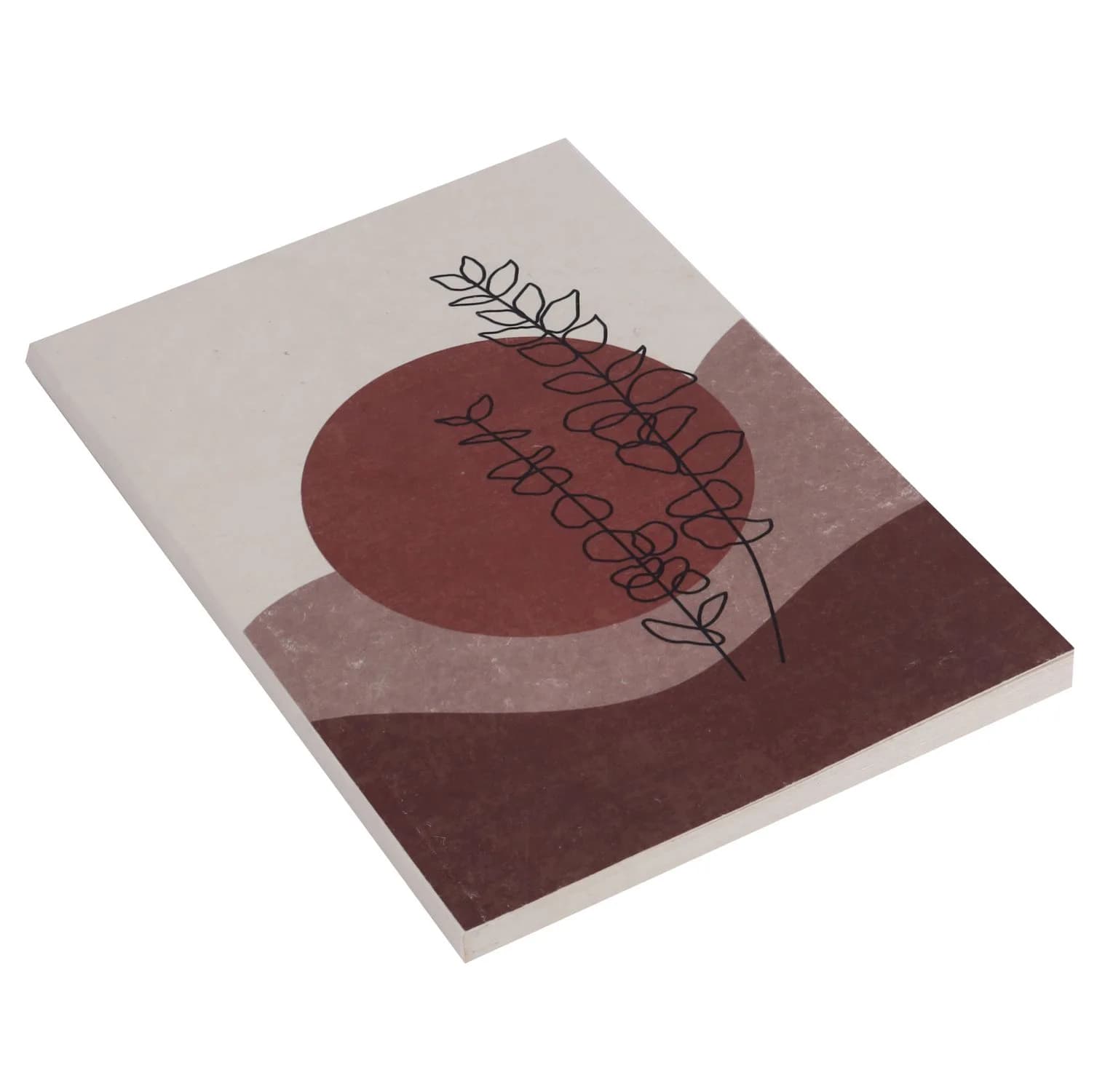
Modern hemp paper products like the A5 Hemp Diary Plant-life 48 Pages offer smooth writing surfaces that work well with various writing instruments—fountain pens, ballpoints, pencils, and markers. The natural texture of hemp paper provides a pleasant tactile experience that many writers find superior to glossy wood-based papers.
Archival Quality
For documents, artwork, or journals meant to last generations, hemp paper's acid-free composition makes it ideal. Unlike wood-based paper that contains lignin (which breaks down into acidic compounds over time), properly processed hemp paper maintains its integrity for centuries without special storage conditions.
A study in the Journal of Cultural Heritage (Badanova et al., 2012) examined historical manuscripts and found that hemp-based papers from the 15th-17th centuries showed minimal degradation compared to more recent wood-pulp documents, confirming hemp's superior archival properties.
Discover premium 300 GSM hemp writing sheets that combine sustainability with exceptional quality for all your creative and professional needs.
Types of Hemp Paper Products Available in India
The Indian market for hemp paper products has expanded significantly in recent years, with brands like OG Hemp leading the way in offering diverse, high-quality options:
Hemp Writing Sheets
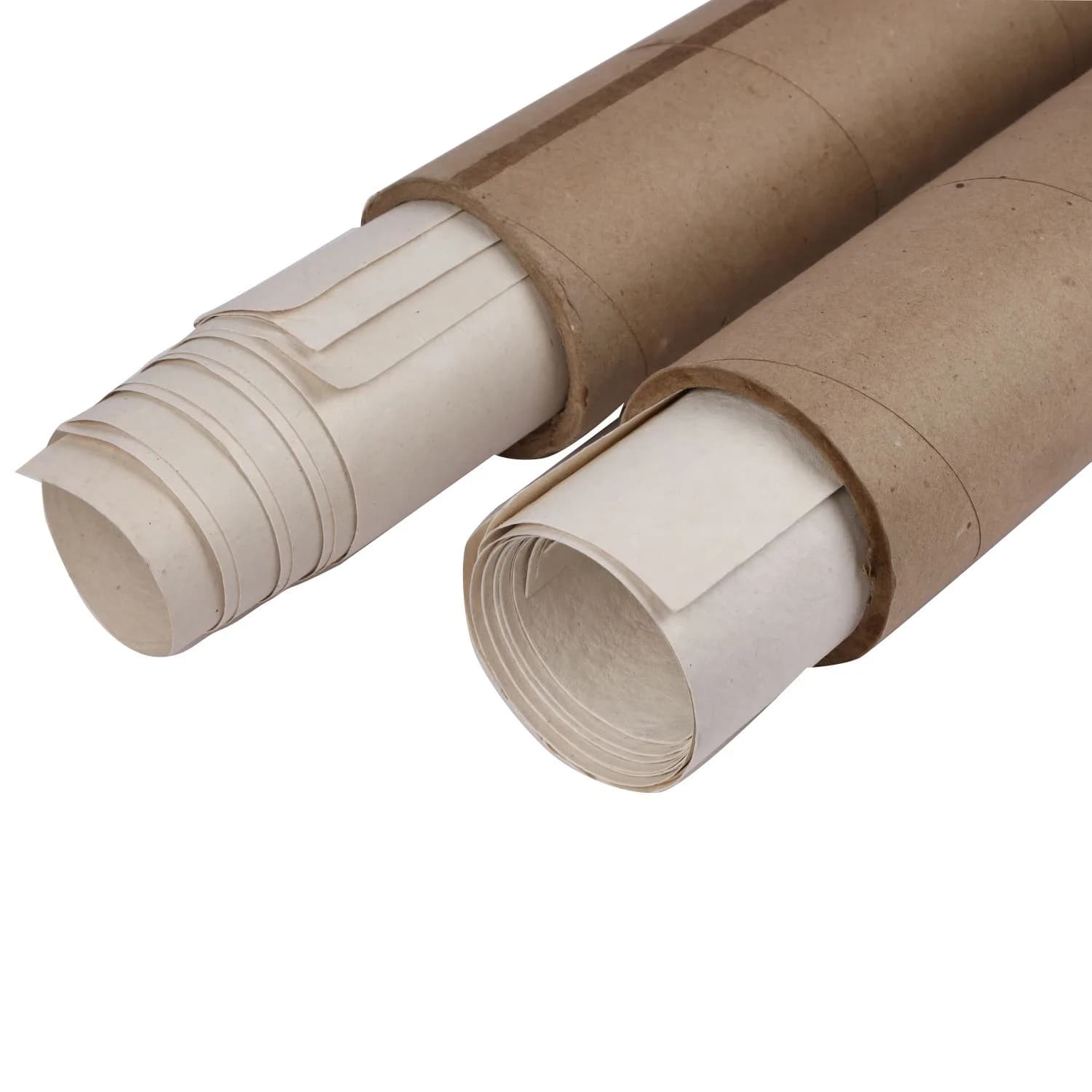
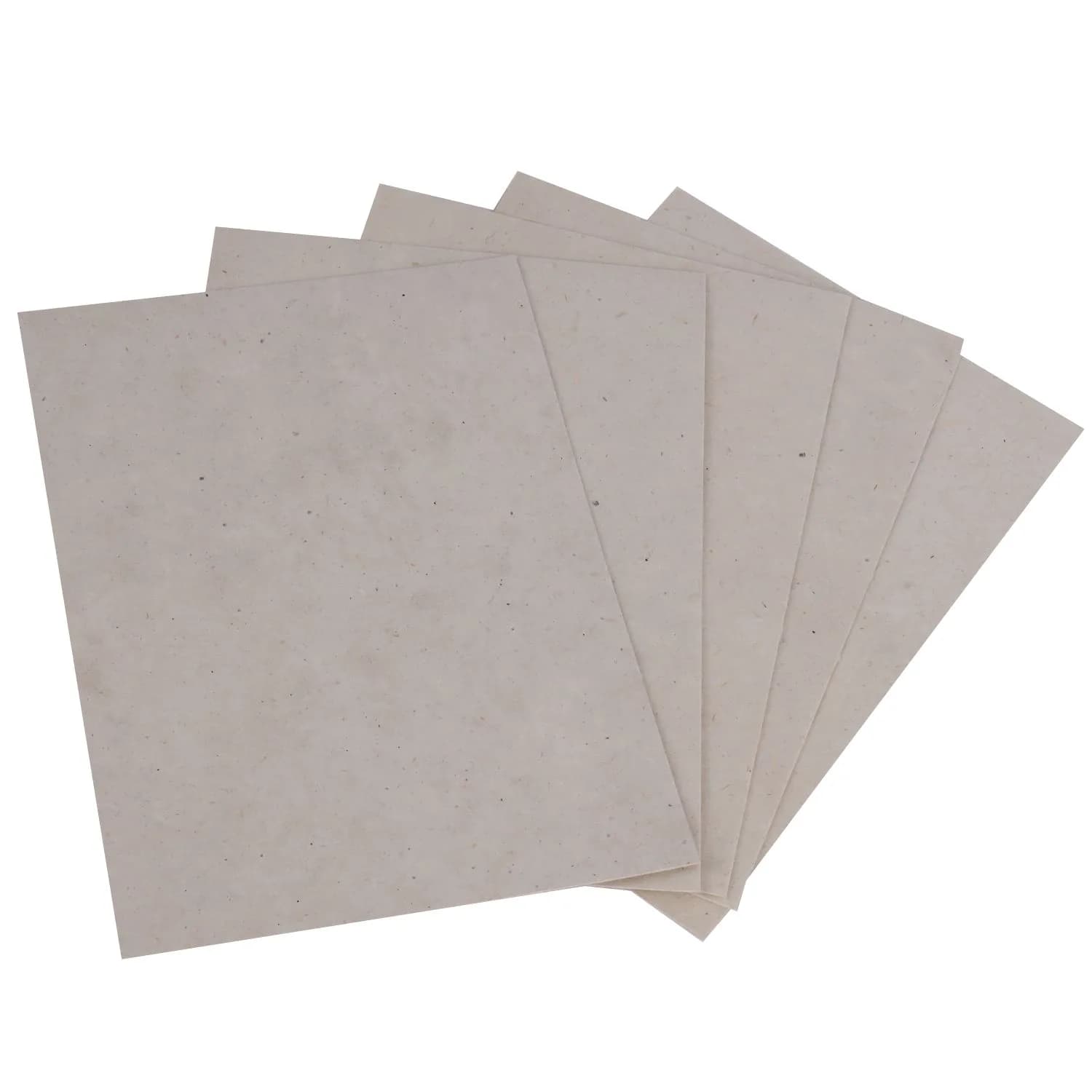
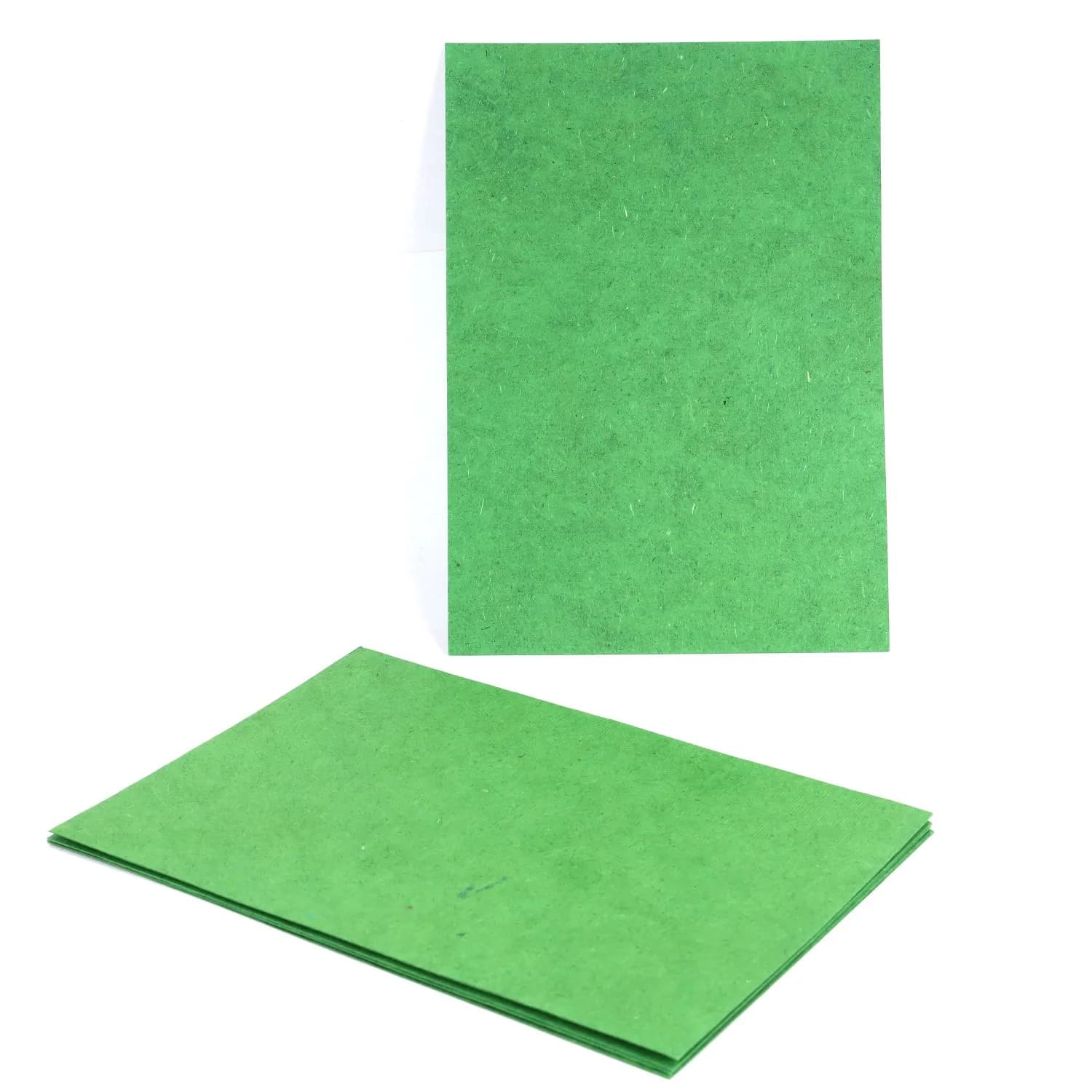
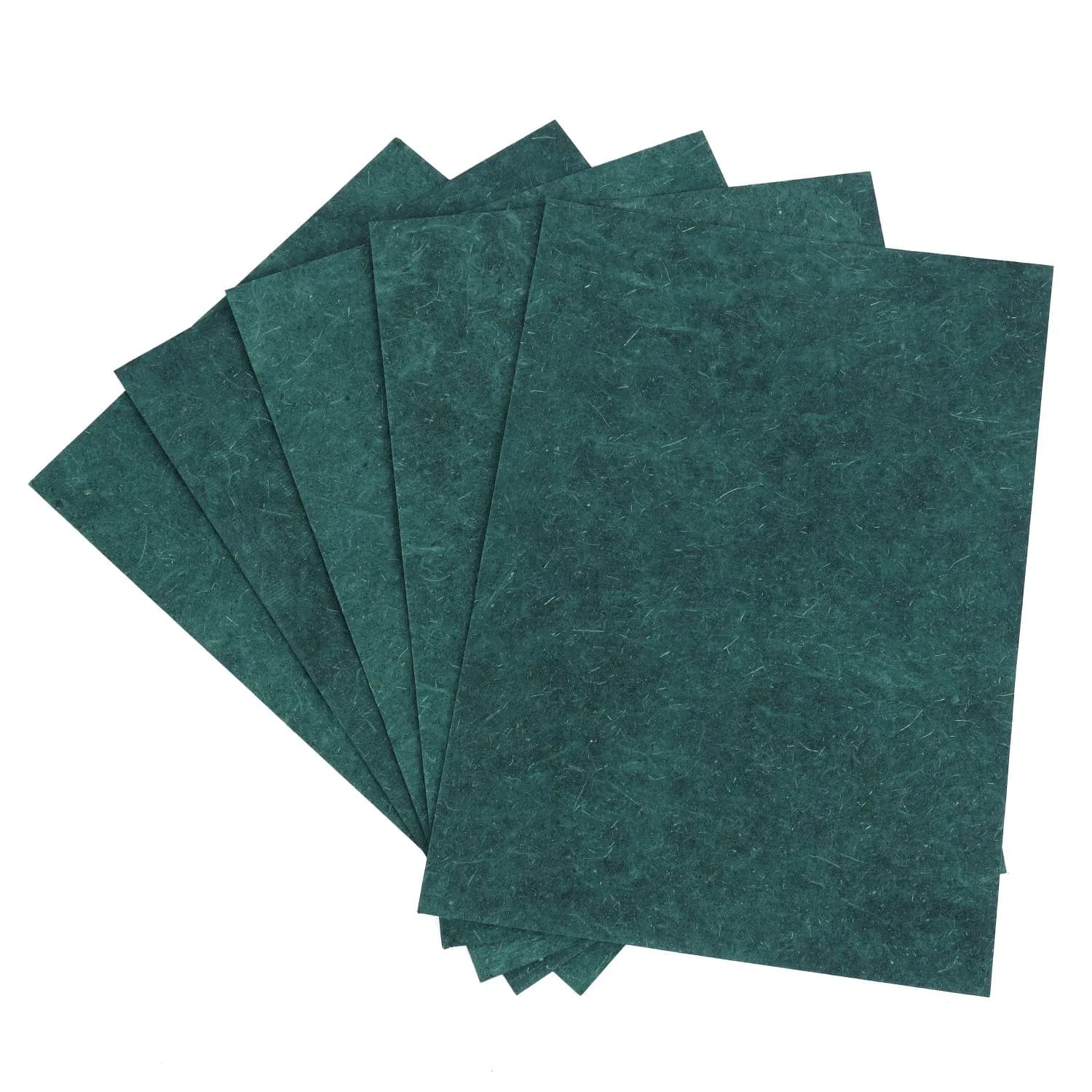
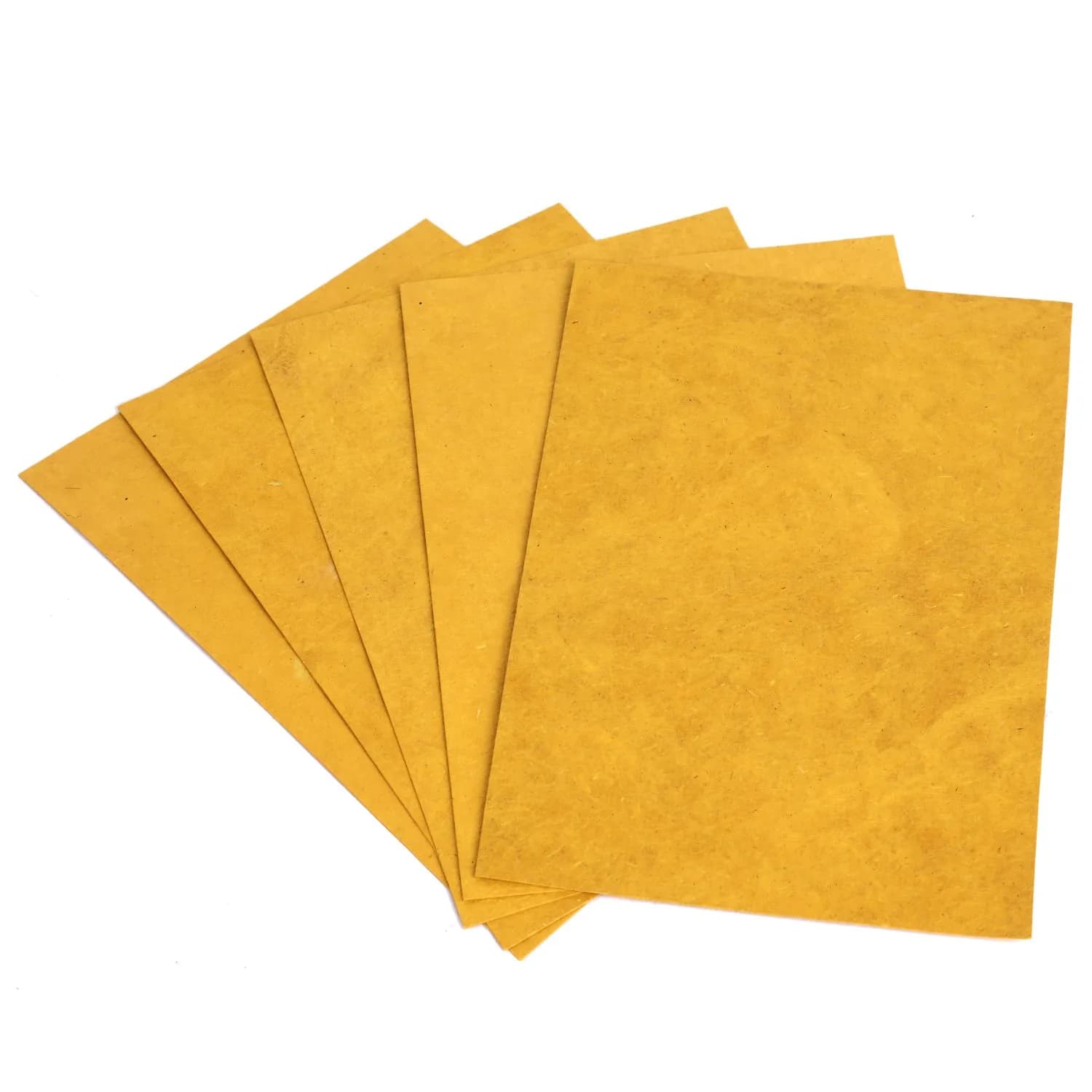
Available in various sizes (A1, A4, A5) and weights (250 GSM, 300 GSM), hemp writing sheets serve as the foundation for everyday writing, printing, and artistic applications. The 300 GSM Hemp A1 White Sheet Sets are ideal for professional presentations, architectural drawings, or large-format artwork, while 250 GSM A5 colored sheets in shades like dark green, light green, and yellow offer creative options for crafting and personal projects.
Hemp Envelopes
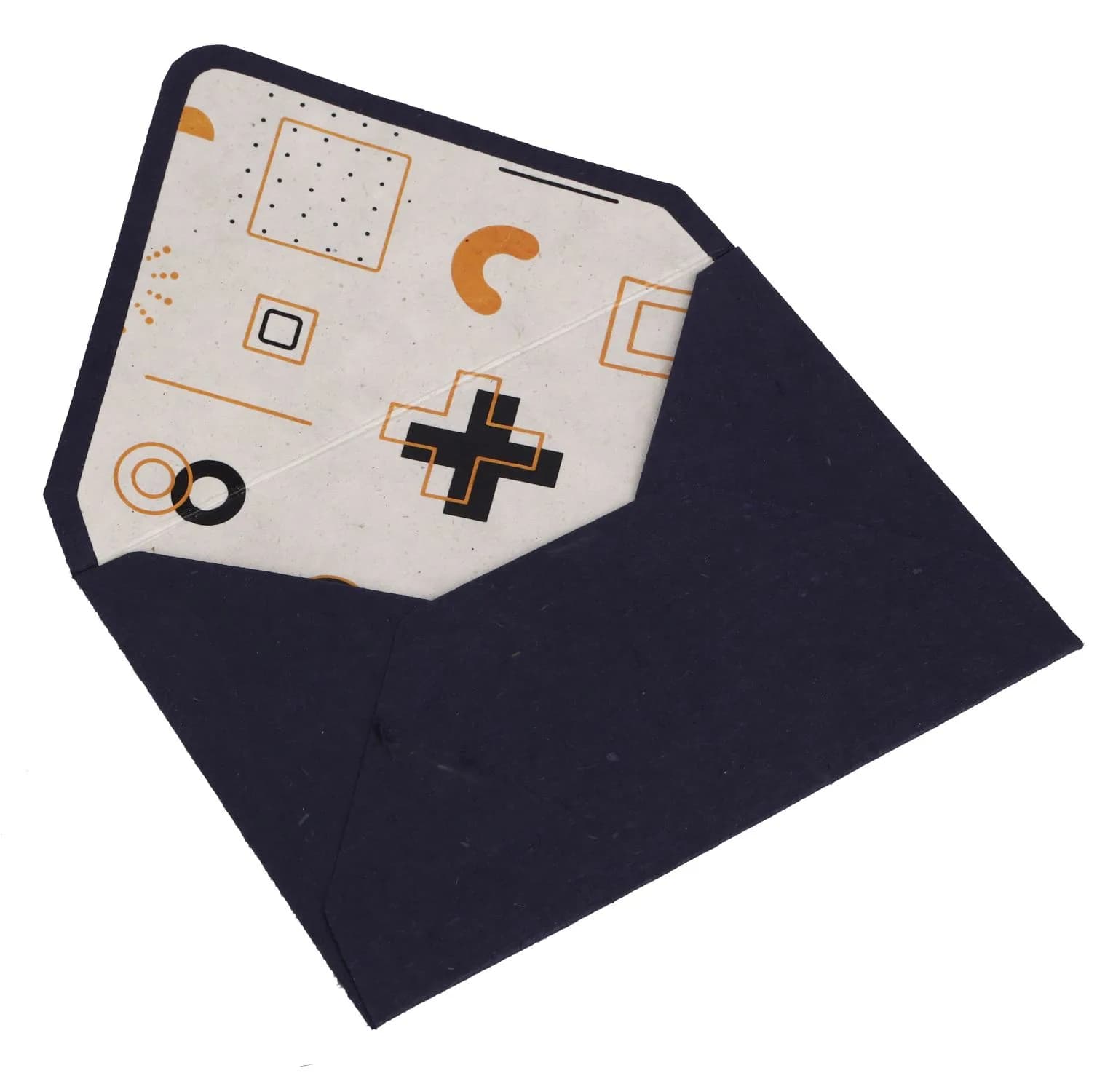
For correspondence that makes a statement about your environmental values, hemp envelopes with geometric designs combine functionality with aesthetic appeal. These premium envelopes are perfect for wedding invitations, business correspondence, or personal letters that deserve special treatment.
Hemp Diaries and Journals
The A5 Hemp Diary represents the perfect merger of sustainability and practicality. Ideal for bullet journaling, daily planning, sketching, or creative writing, these diaries offer durable covers and pages that improve with age. The natural texture of hemp paper adds character to every entry.
Hemp Bookmarks
Small but meaningful, handcrafted hemp bookmarks make excellent gifts for book lovers and environmental advocates. These artisanal pieces showcase the versatility of hemp paper while serving a practical purpose.
Specialty Hemp Paper
Beyond basic stationery, hemp paper is increasingly used for business cards, certificates, art prints, and packaging materials. The premium feel and environmental story of hemp paper add value to any application.
Browse the complete collection of hemp fashion and lifestyle products to discover how hemp materials are transforming everyday items into sustainable statements.
The Hemp Paper Manufacturing Process: From Field to Finished Product
Understanding how hemp paper products are made reveals why this material is inherently more sustainable than conventional paper:
Step 1: Cultivation
Industrial hemp is grown from seed to maturity in approximately 90-120 days. In India, hemp cultivation is legal in states like Uttarakhand, Manipur, and certain areas of Himachal Pradesh under license. The plants grow densely, naturally suppressing weeds and requiring minimal intervention. Hemp's deep roots access nutrients from lower soil layers, reducing the need for fertilizers.
Step 2: Harvesting and Retting
Once mature, hemp plants are harvested and undergo "retting"—a process where the stalks are exposed to moisture and bacteria that break down the pectin binding the fibers to the woody core. This can be done through water retting, dew retting, or enzymatic retting. The result separates the valuable long fibers (bast fibers) from the shorter core fibers (hurd).
Step 3: Fiber Processing
The separated fibers are cleaned, combed, and prepared for pulping. Hemp's naturally high cellulose content means it requires less intensive processing than wood pulp. The fibers are broken down mechanically or through mild chemical treatments to create pulp.
Step 4: Pulp Production
Hemp pulp can be produced through mechanical or chemical processes. Chemical pulping using sodium hydroxide or similar agents breaks down the remaining lignin and hemicellulose, leaving primarily pure cellulose fibers. This process for hemp requires fewer chemicals and lower temperatures than wood pulping, reducing energy consumption and chemical waste.
Step 5: Sheet Formation
The pulp is diluted with water and spread onto screens where it forms into sheets. Water drains away, and the fibers bond together naturally. For handmade hemp paper, this process is done manually, creating unique textures and characteristics in each sheet. Industrial production uses machines that create consistent, uniform sheets.
Step 6: Pressing and Drying
The wet sheets are pressed to remove excess water and compressed to achieve the desired thickness and density. They're then dried naturally or in low-heat dryers. Hemp paper's strong fibers resist shrinkage and warping during drying.
Step 7: Finishing
Depending on the intended use, hemp paper may be calendered (pressed between rollers) to achieve smoothness, colored with natural or synthetic dyes, or treated with sizing agents to control absorbency. Premium products like the 300 GSM hemp sheets undergo quality control to ensure consistent weight and texture.
Research published in Biomass and Bioenergy (González-García et al., 2010) found that the environmental footprint of hemp paper production is significantly lower than wood-based paper across all major impact categories including climate change, acidification, and eutrophication.
Support sustainable manufacturing by choosing certified hemp products from reputable Indian brands committed to environmental and social responsibility.
Hemp Paper in Indian History and Traditional Ayurvedic Texts
While many perceive hemp paper products as a modern innovation, India has a rich historical connection to hemp-based materials dating back millennia. Understanding this heritage provides cultural context for the hemp renaissance in contemporary India.
Ancient Sanskrit Manuscripts
Several ancient Ayurvedic texts and religious manuscripts were written on materials derived from plant fibers, including hemp. The durability of these documents—some surviving over a thousand years—testifies to the archival quality of plant-based papers. The Sushruta Samhita and other classical Ayurvedic texts describe various plant fibers used for writing materials, though specific references to hemp paper require further scholarly investigation.
Hemp in Ayurvedic Tradition
In Ayurveda, hemp (known as vijaya or bhang) holds sacred status. While primarily known for its medicinal applications in pain relief, digestive health, and spiritual practices, the entire plant was valued. The stalks and fibers were utilized for textiles, ropes, and paper, demonstrating the holistic approach to plant utilization characteristic of traditional Indian knowledge systems.
Colonial and Pre-Independence Era
During the British colonial period, hemp cultivation for fiber and paper production was common in regions like Bengal, Punjab, and parts of the Himalayan foothills. However, the introduction of wood-pulp paper manufacturing and later restrictions on cannabis cultivation led to the decline of traditional hemp industries.
Contemporary Revival
Today, states like Uttarakhand have legalized industrial hemp cultivation, creating opportunities for the revival of traditional hemp crafts including paper-making. Organizations and social enterprises are working to restore traditional knowledge while applying modern sustainable practices. This cultural reclamation positions hemp paper not just as an environmental choice, but as a reconnection with India's heritage of plant-based sustainability.
Explore how ancient wisdom meets modern sustainability in our collection of Ayurvedic and herbal products that honor traditional knowledge while serving contemporary wellness needs.
How to Use Hemp Paper: Applications for Students, Artists, and Professionals
Hemp paper products offer versatile applications across numerous fields. Understanding these uses helps you identify where hemp paper can replace conventional alternatives in your daily life:
For Students
Hemp notebooks and writing sheets provide durable surfaces for note-taking that won't deteriorate over time. The 250 GSM colored hemp sheets are perfect for organizing notes by subject using different colors. The smooth texture works well with fountain pens, preventing feathering and bleed-through that plague many conventional papers.
For Artists
Artists appreciate hemp paper's unique texture and archival quality. The material accepts various media including watercolors, acrylics, charcoal, and mixed media. The 300 GSM hemp sheets provide heavyweight surfaces suitable for wet media without warping. The natural fiber patterns add visual interest and texture to finished artworks.
For Professionals
Business correspondence on hemp paper communicates environmental responsibility and attention to quality. Premium hemp envelopes make memorable first impressions for job applications, business proposals, or client communications. Hemp paper business cards stand out through tactile differentiation and sustainability messaging.
For Writers and Journalists
The hemp diary provides an inspiring canvas for creative writing, journaling, and personal reflection. The knowledge that your words are preserved on sustainable, archival-quality paper adds meaning to the writing process. Many writers report that the tactile experience of writing on hemp paper enhances creativity and mindfulness.
For Event Planners and Wedding Coordinators
Hemp paper invitations signal sophisticated environmental awareness. The premium feel and unique texture of hemp paper elevate wedding invitations, event programs, and ceremonial documents. The material's durability ensures these keepsakes remain beautiful for years.
For Gifting
Sets of handcrafted hemp bookmarks make thoughtful, meaningful gifts for readers and environmentally conscious friends. Pairing hemp stationery with a commitment to sustainable living creates a gift that transcends material value.
Discover more sustainable lifestyle alternatives in our hemp accessories collection, where traditional craftsmanship meets environmental innovation.
Pricing and Value: Understanding the Hemp Paper Investment
One common barrier to adopting hemp paper products is the perception of higher cost. While hemp stationery often carries a premium compared to mass-produced wood-based paper, understanding the value proposition reveals why this investment makes economic and environmental sense:
Price Comparison
In the Indian market, hemp paper products range from approximately ₹217 for sets of A5 sheets to ₹2,000 for large-format A1 sheets. Hemp diaries like the A5 Plant-life diary retail for ₹666, while specialty items like geometric envelopes cost ₹570 for a set of 5.
Conventional paper prices vary widely, but premium wood-based stationery often approaches hemp paper pricing without offering the same environmental benefits or durability. When factoring in longevity—hemp paper's resistance to deterioration means it doesn't need replacement—the cost per year of use actually favors hemp for archival applications.
Value Beyond Price
The true value of hemp paper extends beyond monetary cost:
- Environmental dividend: Every sheet of hemp paper saves forest resources, reduces water consumption, and lowers chemical pollution. This environmental benefit, while difficult to quantify financially, represents real value to ecosystems and future generations.
- Durability: Hemp paper's exceptional tear resistance and archival quality mean documents, artwork, and journals last decades or centuries without degradation. This longevity reduces replacement costs over time.
- Brand positioning: For businesses, using hemp paper in correspondence and marketing materials communicates environmental values that resonate with conscious consumers, potentially enhancing brand reputation and customer loyalty.
- Personal satisfaction: Many users report that writing or creating on sustainable materials enhances their creative process and provides psychological satisfaction from making environmentally responsible choices.
Making Hemp Paper Accessible
To make sustainable stationery more accessible, consider these strategies:
- Start with smaller sheet sets to experience hemp paper quality before investing in larger quantities
- Reserve hemp paper for special applications—important documents, meaningful correspondence, or archival artwork—while transitioning everyday use gradually
- Explore THC Store membership benefits that may offer discounts on sustainable product purchases
- Consider hemp stationery as gifts, spreading awareness while sharing the environmental benefits
Browse the complete range of affordable hemp products that make sustainable living accessible at various price points.
Environmental Certifications and Quality Standards for Hemp Paper
As the market for hemp paper products grows, understanding quality indicators and certifications helps consumers make informed choices:
Key Quality Indicators
GSM (Grams per Square Meter): This measurement indicates paper thickness and weight. Products like 250 GSM sheets offer medium weight suitable for writing and light printing, while 300 GSM options provide heavier stock ideal for artwork, business cards, or specialty applications.
Acid-Free Designation: Look for acid-free hemp paper for archival purposes. This ensures the paper won't yellow or deteriorate over time, maintaining its integrity for decades or centuries.
Handmade vs. Machine-Made: Handmade hemp paper offers unique character with slight variations in texture and thickness, while machine-made options provide consistency. Both have value depending on application.
Environmental Certifications
While specific certifications for hemp paper are still developing in India, look for products from manufacturers who demonstrate:
- Sustainable sourcing: Hemp grown without pesticides or excessive water use
- Low-impact processing: Manufacturing that minimizes chemical use and water pollution
- Social responsibility: Fair labor practices and support for farming communities
- Transparency: Clear information about sourcing, processing, and environmental impact
Verifying Authentic Hemp Paper
To ensure you're purchasing genuine hemp paper products:
- Buy from reputable brands like OG Hemp that specialize in hemp products
- Look for visible fiber characteristics—hemp paper often shows longer, visible fibers compared to wood pulp
- Check product descriptions for hemp content percentage; some products blend hemp with other fibers
- Test durability—genuine hemp paper should be notably tear-resistant
- Purchase from verified retailers like THC Store that curate authentic sustainable products
A study in Resources, Conservation and Recycling (Barth & Carus, 2015) emphasizes the importance of transparent supply chains in hemp products to prevent greenwashing and ensure genuine environmental benefits.
Shop with confidence from our curated selection of verified hemp lifestyle products that meet quality and sustainability standards.
Hemp Paper and India's Sustainability Goals
The adoption of hemp paper products aligns with several of India's national environmental and economic objectives:
National Forest Policy Objectives
India's National Forest Policy aims to maintain one-third of total land area under forest and tree cover. With current forest cover at 21.71%, every alternative to wood-based products supports this goal. Widespread adoption of hemp paper could reduce pressure on forests while meeting the nation's paper and pulp needs.
Climate Commitments
India has committed to ambitious climate goals including achieving net-zero emissions by 2070 and creating an additional carbon sink of 2.5-3 billion tons of CO2 equivalent through forest and tree cover. Hemp's carbon sequestration properties—absorbing 1.63 tons of CO2 per ton of hemp grown—contribute directly to these targets.
Atmanirbhar Bharat (Self-Reliant India)
Developing domestic hemp industries reduces dependence on imported paper and pulp products. Hemp grows well in various Indian climates, from Himalayan foothills to tropical regions, creating opportunities for agricultural diversification and rural employment.
Waste Reduction and Circular Economy
Hemp paper's superior recyclability (7-8 times vs. 3 times for wood paper) fits India's push toward circular economy principles. Additionally, hemp cultivation produces minimal agricultural waste, with every part of the plant finding application in food, fiber, medicine, or industrial uses.
Water Conservation
With water scarcity affecting large portions of India, hemp's lower water requirements for cultivation and processing make it a strategic crop for sustainable development. The paper industry is notoriously water-intensive; shifting to hemp-based production could substantially reduce industrial water demand.
Rural Livelihood Enhancement
Hemp cultivation and processing create employment opportunities in rural areas. States like Uttarakhand are already seeing economic benefits from legal hemp farming, with farmers earning substantially more from hemp than traditional crops. Expanding the hemp paper industry could accelerate this rural economic development.
Support India's sustainability transition by choosing products from our hemp lifestyle collection that contribute to national environmental goals while delivering exceptional quality.
Where to Buy Authentic Hemp Paper Products in India
Finding reliable sources for genuine hemp paper products ensures you receive quality materials while supporting sustainable businesses:
THC Store: Your Hemp Paper Destination
THC Store (thcstore.in) offers India's most comprehensive collection of authentic hemp paper and lifestyle products. Our curated selection includes:
- 250 GSM Hemp A5 Sheets in Light Green (Set of 15) - ₹217
- 250 GSM Hemp A5 Sheets in Dark Green (Set of 15) - ₹217
- 250 GSM Hemp A5 Sheets in Yellow (Set of 15) - ₹217
- 300 GSM Hemp A5 White Sheet Sets - ₹375
- 300 GSM Hemp A1 White Sheet Sets - ₹2,000
- Hemp Envelope Geometric Design (Set of 5) - ₹570
- A5 Hemp Diary Plant-life (48 Pages) - ₹666
- Hemp Paper Handcrafted Bookmarks (Set of 5) - ₹540
Why Buy from THC Store
- Authenticity guaranteed: All products are sourced directly from verified manufacturers like OG Hemp
- Quality assurance: Every item undergoes quality checks before listing
- Comprehensive selection: From basic sheets to premium diaries and specialty items
- Educational resources: Access to guides, articles, and expert advice on sustainable products
- Pan-India delivery: Convenient shipping across all states
- Customer support: Knowledgeable team available to answer questions about hemp products
- Membership benefits: Join our membership program for exclusive discounts and early access to new products
Shopping Tips
- Start with smaller quantities like A5 sheet sets to experience hemp paper before larger investments
- Consider combination purchases—pair hemp diaries with matching bookmarks for cohesive sustainable stationery
- Explore the complete hemp lifestyle collection to discover complementary sustainable products
- Check product descriptions for GSM ratings to ensure you select appropriate weight for your intended use
- Read customer reviews to understand real-world experiences with different products
Beyond Paper: Complete Hemp Lifestyle
While shopping for hemp paper, explore THC Store's comprehensive range of sustainable products:
- Hemp seeds and nutritional products for health and wellness
- Hemp personal care items for natural beauty routines
- CBD oils and wellness supplements for holistic health
- Ayurvedic and herbal remedies rooted in traditional wisdom
Visit THC Store's complete product catalog to discover how hemp and plant-based products can transform multiple aspects of your lifestyle toward greater sustainability.
Caring for Your Hemp Paper Products: Storage and Maintenance
Proper care extends the already impressive lifespan of hemp paper products, ensuring your investment provides value for years or even generations:
Storage Recommendations
Temperature and Humidity: Store hemp paper in cool, dry conditions. Ideal temperature ranges from 18-22°C with relative humidity between 30-50%. Avoid basements, attics, or other areas with extreme temperature fluctuations or high humidity that can promote mold growth or paper degradation.
Light Protection: While hemp paper resists yellowing better than wood-based paper, prolonged exposure to direct sunlight can still cause fading and brittleness. Store unused sheets and completed works away from windows or in archival boxes that block UV light.
Flat Storage: Keep sheets like the 300 GSM hemp sheets flat to prevent creasing. Use flat file cabinets or storage boxes rather than standing sheets on edge.
Acid-Free Environment: If storing hemp paper alongside other papers, ensure those materials are also acid-free. Acidic materials in contact with hemp paper can transfer acids over time, degrading the hemp fibers.
Handling Best Practices
- Handle hemp paper with clean, dry hands to avoid transferring oils and dirt
- For valuable documents or artwork on hemp paper, consider wearing cotton gloves
- Avoid folding hemp paper repeatedly in the same location, as this can weaken fibers over time
- When using hemp diaries, avoid overstuffing with additional papers or materials that can stress the binding
Preservation for Archival Purposes
For documents, artwork, or journals intended as long-term archives:
- Use archival-quality protective sleeves or folders
- Store in acid-free boxes or portfolios
- Keep in climate-controlled spaces
- Avoid using adhesives or tapes directly on hemp paper; if necessary, use archival-quality, pH-neutral options
- For framed artwork on hemp paper, use UV-protective glass and acid-free matting
Recycling and Disposal
When hemp paper reaches the end of its useful life (though this may take decades or centuries), it can be:
- Recycled: Hemp paper can be recycled 7-8 times, far exceeding conventional paper
- Composted: Untreated hemp paper decomposes naturally and enriches compost
- Repurposed: Creative reuse in crafts, paper mache, or artistic projects
Maximize the value of your sustainable stationery by pairing hemp paper with other eco-conscious products from our hemp lifestyle collection.
Frequently Asked Questions About Hemp Paper Products
Is hemp paper legal to buy and use in India?
Yes, hemp paper products are completely legal to purchase, possess, and use throughout India. While cannabis cultivation faces restrictions under the NDPS Act, industrial hemp grown for fiber (with THC content below 0.3%) is legal in several states including Uttarakhand, Manipur, and parts of Himachal Pradesh. Hemp paper contains no psychoactive compounds and is classified as a regular stationery product. You can confidently purchase hemp paper from retailers like THC Store without any legal concerns.
Does hemp paper feel different from regular paper when writing?
Hemp paper offers a distinct but pleasant writing experience. Most users describe it as having a slightly more textured surface compared to highly processed wood-based papers, which many find enjoyable. The texture varies by GSM weight—lighter 250 GSM sheets feel similar to standard premium paper, while heavier 300 GSM options have more substantial thickness. Hemp paper works well with all writing instruments—fountain pens, ballpoints, gel pens, and pencils—with excellent ink absorption that prevents feathering and bleed-through. Many writers report that the tactile experience enhances their connection to the writing process.
Can hemp paper be used in printers and copiers?
Yes, hemp paper can be used in most standard printers and copiers, though there are considerations. Lighter weight hemp sheets (250 GSM) generally work well in desktop inkjet and laser printers designed for standard paper weights. Heavier options like 300 GSM sheets may be too thick for some printer feeders and are better suited for specialty printing or hand-use applications. Always check your printer's specifications for maximum paper weight capacity. For best results, test a single sheet before printing large quantities. Hemp paper's superior ink absorption often produces excellent print quality with vibrant colors and sharp text.
How does hemp paper pricing compare to premium wood-based paper?
Hemp paper typically costs more than standard wood-based paper but is competitively priced compared to premium specialty papers. At THC Store, sets of 15 A5 sheets retail for ₹217, which translates to approximately ₹14.50 per sheet—comparable to high-quality art paper or imported stationery. When considering hemp paper's superior durability, archival quality, and environmental benefits, the value proposition often exceeds that of conventional options. For special applications like important documents, artwork, or meaningful correspondence, the modest price difference is offset by the exceptional longevity and sustainability credentials.
What should I look for when buying hemp paper to ensure it's genuine?
To verify authentic hemp paper products, look for several indicators: First, purchase from reputable retailers like THC Store that source directly from verified manufacturers such as OG Hemp. Examine the paper closely—genuine hemp paper often shows visible long fibers and has a slightly rougher texture than highly processed wood paper. Check product descriptions for hemp content percentage; quality products should clearly state 100% hemp or specify any blended fibers. Test durability—hemp paper should be notably tear-resistant compared to standard paper. Finally, be wary of prices significantly below market rates, as this may indicate blended or mislabeled products. Authentic hemp paper carries characteristic strength, texture, and durability that become apparent with use.
Conclusion: Making the Switch to Sustainable Hemp Paper
The transition to hemp paper products represents more than a simple consumer choice—it's a tangible commitment to environmental stewardship that honors both ancient wisdom and modern sustainability science. From the forests saved with every sheet to the carbon sequestered during hemp cultivation, each piece of hemp stationery carries measurable environmental benefits that compound across lifetimes of use.
For Indian consumers navigating the intersection of development and environmental responsibility, hemp paper offers a practical solution that doesn't require compromise. The superior quality, archival durability, and distinctive character of hemp paper enhance creative and professional work while supporting domestic agricultural innovation and rural livelihoods.
Whether you're a student seeking sustainable note-taking options, an artist requiring archival-quality surfaces, a professional wanting to communicate environmental values, or simply someone committed to reducing their ecological footprint, hemp paper provides an accessible entry point into sustainable living. Products like the A5 Hemp Diary, premium writing sheets, and handcrafted bookmarks demonstrate that sustainability and quality are not opposing forces but complementary values.
As India advances toward its ambitious climate goals while preserving cultural heritage and supporting agricultural communities, the revival of hemp industries—including paper production—represents a convergence of environmental, economic, and social benefits. By choosing hemp paper, you participate in this transformation, contributing to forest conservation, carbon sequestration, and the development of sustainable agricultural practices that can be replicated across sectors.
Start your sustainable stationery journey today by exploring THC Store's complete hemp paper collection. Every sheet you choose, every diary entry you write, and every letter you send on hemp paper reinforces the viability of sustainable alternatives and helps build the market infrastructure for broader environmental transformation.
Join our membership program to access exclusive discounts on hemp products and stay updated on new sustainable lifestyle offerings. Together, we can write a more sustainable future—one page at a time.
Sources & References
- van der Werf, H. M. G., & Turunen, L. (2008). The environmental impacts of the production of hemp and flax textile yarn. Industrial Crops and Products, 27(1), 1-10. DOI: 10.1016/j.indcrop.2007.05.003
- Cherney, J. H., & Small, E. (2016). Industrial hemp in North America: Production, politics and potential. Agronomy, 6(4), 58. DOI: 10.3390/agronomy6040058
- Badanova, N., Pervukhina, N., & Khasanova, G. (2012). Study of the influence of biodegradation on the structure and properties of historical paper. Journal of Cultural Heritage, 13(3), S89-S95. DOI: 10.1016/j.culher.2012.01.011
- González-García, S., Hospido, A., Feijoo, G., & Moreira, M. T. (2010). Life cycle assessment of raw materials for non-wood pulp mills: Hemp and flax. Resources, Conservation and Recycling, 54(11), 923-930. DOI: 10.1016/j.resconrec.2010.01.011
- Barth, M., & Carus, M. (2015). Carbon footprint and sustainability of different natural fibres for biocomposites and insulation material. Resources, Conservation and Recycling, 98, 1-10.
- Forest Survey of India (2021). India State of Forest Report 2021. Ministry of Environment, Forest and Climate Change, Government of India.
- National Hemp Association of India (2022). Industrial Hemp Cultivation Guidelines and Best Practices. Government of Uttarakhand Agricultural Department.
Share this article
Written by
THC Store Editorial
Published 5 hours ago