Ayurvedic Medical Cannabis: Complete Vijaya Extract Guide for India
Article Summary
Ayurvedic Medical Cannabis: Complete Vijaya Extract Guide for India Did you know that the cannabis plant has been documented in Indian Ayurvedic texts for over 3,000 years? Known as Vijaya (विजया) in Sanskrit—meaning "victory"—this botanical has been...
Did you know that the cannabis plant has been documented in Indian Ayurvedic texts for over 3,000 years? Known as Vijaya (विजया) in Sanskrit—meaning "victory"—this botanical has been part of India's traditional wellness heritage long before modern medicine emerged. Today, Ayurvedic medical cannabis is experiencing a renaissance as registered Ayurvedic practitioners combine ancient formulations with contemporary understanding.
This comprehensive guide explores the intersection of Ayurvedic wisdom and modern cannabis medicine in India, covering historical usage, legal frameworks, traditional formulations, and how to navigate Ayurvedic cannabis products safely and legally. Whether you're curious about traditional preparations or seeking to understand Vijaya extract in an Ayurvedic context, this guide provides the essential knowledge you need.
Explore Vijaya medical cannabis products that combine traditional Ayurvedic wisdom with modern quality standards.
Disclaimer: This article is for informational purposes only and does not constitute medical advice. Always consult a qualified healthcare professional before starting any new supplement or treatment. Cannabis-based products may require a prescription in India under NDPS Act regulations. Book a consultation with our panel doctors for personalized guidance.
Understanding Vijaya: Cannabis in Traditional Ayurvedic Texts
The term "Ayurvedic medical cannabis" refers to formulations and preparations based on the cannabis plant as described in classical Ayurvedic literature. The plant appears in foundational texts under various names:
- Vijaya (विजया) – "victorious," the most common classical name
- Bhanga (भङ्ग) – the plant used in traditional preparations
- Madini (मदिनी) – "intoxicating"
- Jaya (जय) – "conquest"
- Siddhi (सिद्धि) – "perfection" or "attainment"
The Atharvaveda, one of the four Vedas dating back to approximately 1500–1000 BCE, mentions the plant as one of the five sacred herbs. Classical Ayurvedic compendia including the Sushruta Samhita, Charaka Samhita, and later works like the Raj Nighantu (15th century CE) and Bhavaprakasha (16th century CE) describe various preparations and traditional uses.
According to the Raj Nighantu, Vijaya is classified as having the following traditional properties (guna):
- Rasa (taste): Tikta (bitter), Kashaya (astringent), Madhura (sweet)
- Virya (potency): Ushna (heating)
- Vipaka (post-digestive effect): Madhura (sweet)
- Dosha effect: Traditionally considered to balance Vata and Kapha when used appropriately
Research by Sharma et al. (2019) published in the Journal of Ayurveda and Integrative Medicine documented 191 references to cannabis across 16 classical Ayurvedic texts, demonstrating the plant's established place in traditional Indian medicine. The study noted that traditional formulations employed specific preparation methods—including heating, combining with ghee or milk, and pairing with other herbs—to modulate effects.
Learn more about traditional preparations at the Vijaya leaf information page.
The Ayurvedic Classification System: How Vijaya Was Traditionally Categorized
Ayurvedic texts don't simply list plants; they organize them into functional categories called ganas or varga. Understanding where Vijaya sits in this classification reveals how traditional practitioners conceptualized its use.
In the Sushruta Samhita, Vijaya appears in the Sanjnasthapana Mahakashaya—a group of substances traditionally used to restore consciousness or awareness. The Raj Nighantu places it in the Pippalyadi Varga, a category of plants with warming properties.
The Bhavaprakasha, a 16th-century text still referenced by Ayurvedic practitioners today, describes multiple preparations:
- Vijaya leaf powder (churna) – traditionally combined with other herbs
- Vijaya paste (modaka or vati) – leaf material processed with ghee, honey, or jaggery
- Vijaya extract (taila) – oil-based preparations using sesame oil or cow ghee as the base
- Fresh juice (swarasa) – traditionally prepared from fresh leaves
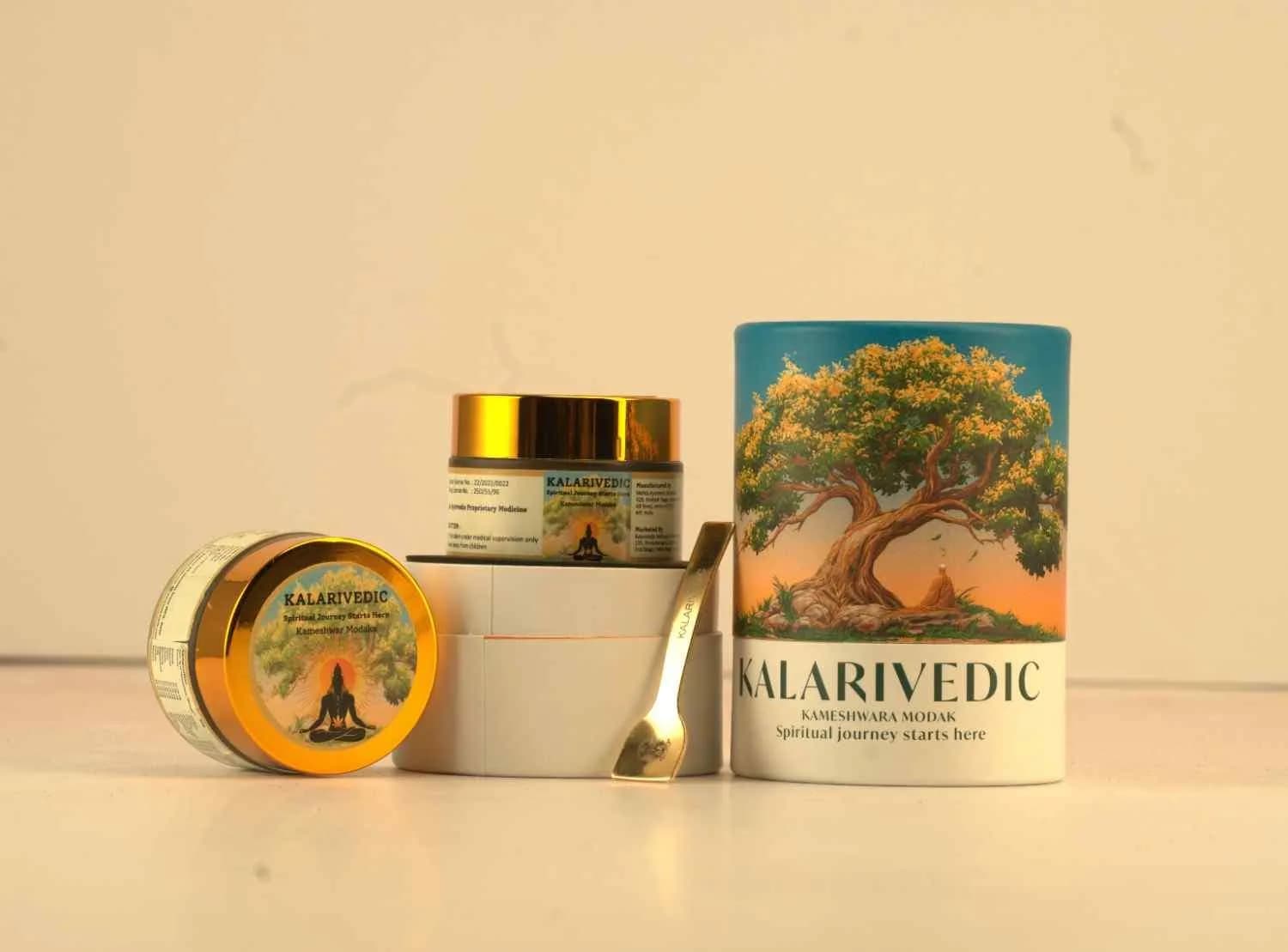
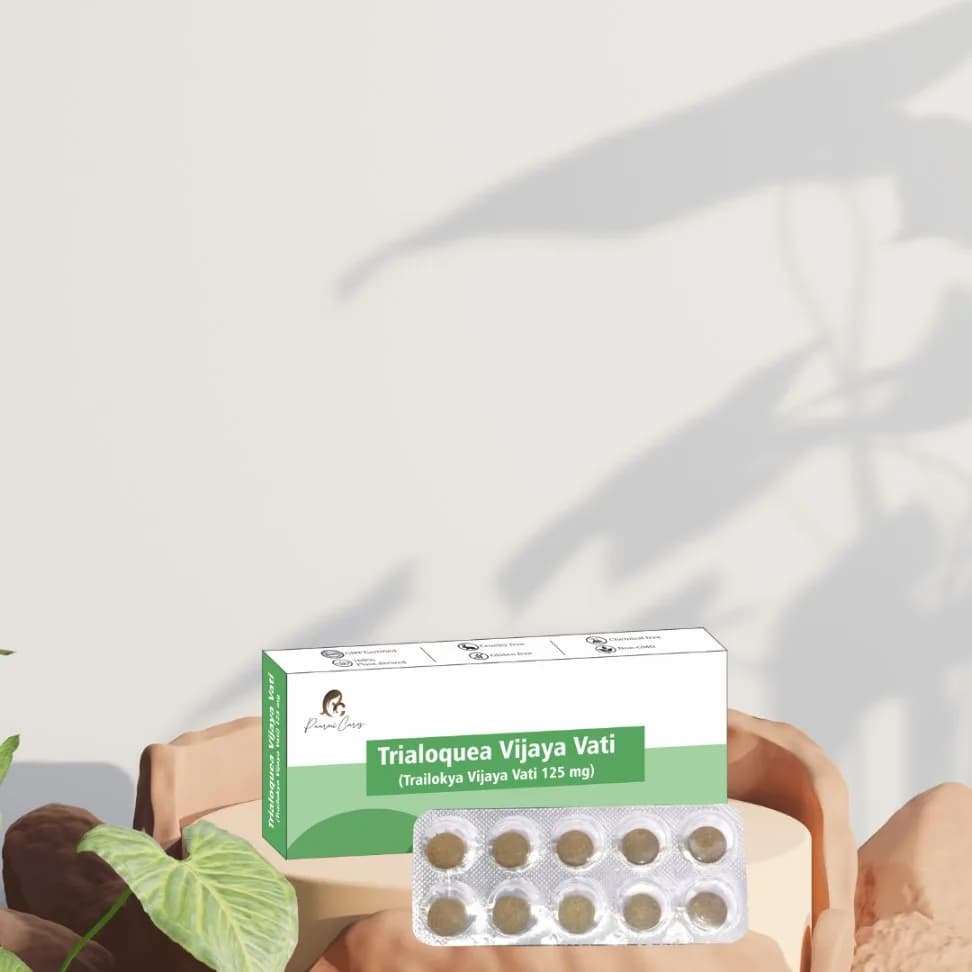
Modern Ayurvedic manufacturers like those offering Trialoquea Vijaya Vati and Kalarivedic Kameshwara Modak draw on these classical modaka and vati formulations, adapting traditional recipes to meet contemporary quality standards.
Consult with registered Ayurvedic practitioners who understand these traditional formulations through our consultation service.
Active Constituents: Bridging Traditional Ayurvedic Understanding with Modern Science
Classical Ayurvedic texts didn't identify specific chemical compounds—they worked with observable effects and traditional preparation methods. Modern phytochemistry has identified over 120 cannabinoids and hundreds of terpenes and flavonoids in the cannabis plant, offering a molecular explanation for traditional observations.
The primary constituents that modern science has identified include:
- Cannabinoids: Tetrahydrocannabinolic acid (THCA, the precursor that converts to the active form when heated), cannabidiolic acid (CBDA), cannabigerol (CBG), cannabinol (CBN), and others
- Terpenes: Beta-caryophyllene, myrcene, limonene, pinene, linalool—aromatic compounds that may contribute to the overall effect profile
- Flavonoids: Cannflavin A and B, quercetin, apigenin—plant compounds with various biological activities
A 2020 review by Russo in the British Journal of Pharmacology proposed the "entourage effect" hypothesis—that these compounds work synergistically rather than in isolation. This concept aligns with traditional Ayurvedic practice, which always emphasized whole-plant preparations and combinations (yoga) rather than isolated components.
Traditional Ayurvedic processing methods may have intuitively optimized these constituents:
- Heat processing (bhavana): Converts acidic precursors to active forms through decarboxylation
- Fat-based extraction: Cannabinoids are lipophilic (fat-soluble), making ghee and oil traditional extraction mediums
- Herb combinations: Classical texts pair Vijaya with black pepper (maricha), long pepper (pippali), and other spices—modern research shows piperine in pepper enhances bioavailability
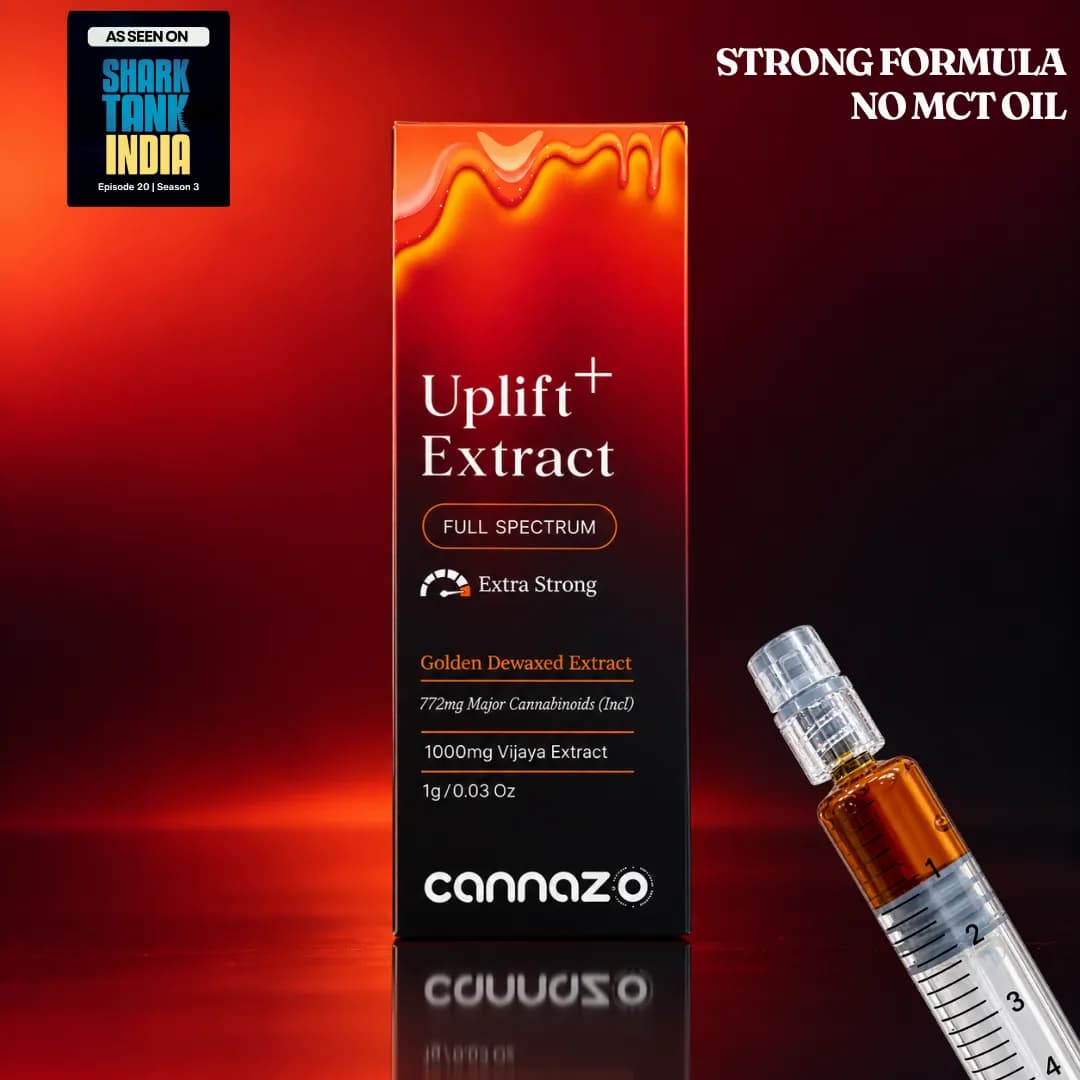
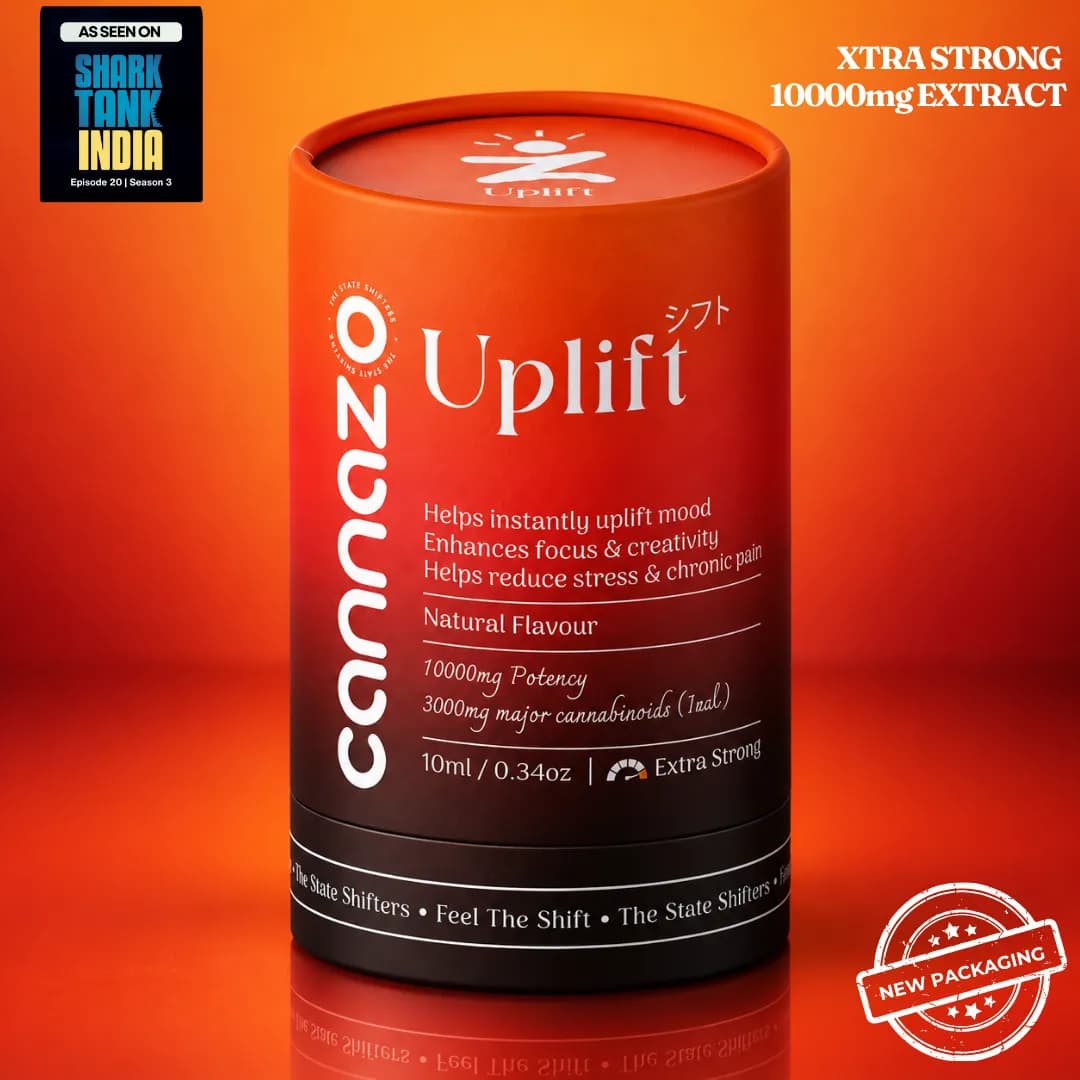
Products like Uplift Plus Full-Spectrum Extract and Uplift Drops are manufactured using modern extraction while preserving the full-spectrum profile that mirrors traditional whole-plant preparations.
Legal Framework: NDPS Act, Ayurvedic Licensing, and Vijaya Medicine in India
Understanding the legal landscape is essential when exploring Ayurvedic medical cannabis in India. The regulatory framework is multi-layered, involving both central and state authorities.
Central Framework
The Narcotic Drugs and Psychotropic Substances (NDPS) Act, 1985 governs cannabis in India. However, it makes important distinctions:
- Section 2(iii)(b) excludes the leaves of the cannabis plant from the definition of "cannabis" (resin and flowering tops remain controlled)
- This means preparations made from cannabis leaf—the traditional Ayurvedic source—occupy a different legal space than resin or flower-based products
- Medical and scientific use is explicitly permitted under the Act
The Drugs and Cosmetics Act, 1940 and Drugs Rules, 1945 regulate Ayurvedic medicines:
- Schedule E(1) lists certain substances that require special labeling and supervision by a registered medical practitioner
- Many Vijaya-containing formulations fall under this schedule, meaning they should be used under professional guidance
- Manufacturers must hold a valid Ayurvedic manufacturing license issued by state drug authorities
The AYUSH Ministry (Ayurveda, Yoga & Naturopathy, Unani, Siddha, and Homoeopathy) provides policy guidance and maintains the Ayurvedic Pharmacopoeia of India, which documents standardized formulations.
State-Level Variation
Each state's Excise Department regulates cannabis-related activities within its jurisdiction. Some states have issued specific guidelines for Ayurvedic formulations; others maintain stricter controls. This creates variation in access and availability across India.
Practical Implications
- Legitimate Ayurvedic Vijaya products are manufactured under state Ayurvedic drug licenses
- Many formulations require supervision by a registered Ayurvedic practitioner or medical professional
- Online sale and interstate transport regulations vary by state
- Always verify that products come from licensed manufacturers with proper labeling
Last reviewed: 2025-01-23. General information, not legal advice.
Navigate the legal landscape safely by consulting registered practitioners through our doctor consultation service and reviewing our frequently asked questions.
Traditional Ayurvedic Formulations: Classical Preparations and Modern Adaptations
Classical Ayurvedic texts describe numerous Vijaya-based formulations, each with specific preparation methods. Modern manufacturers adapt these recipes while maintaining traditional principles.
Classical Formulation Types
1. Modaka (मोदक)
Sweet, ball-shaped preparations mentioned in texts like the Bhavaprakasha. Traditional modaka combine Vijaya leaf powder with:
- Ghee (clarified butter) or sesame oil
- Jaggery or honey as sweetener
- Spices like black pepper, long pepper, ginger
- Other herbs such as ashwagandha, shatavari, or brahmi
Modern versions like Kalarivedic Kameshwara Modak follow this traditional format with standardized ingredient ratios.
2. Vati/Gutika (वटी/गुटिका)
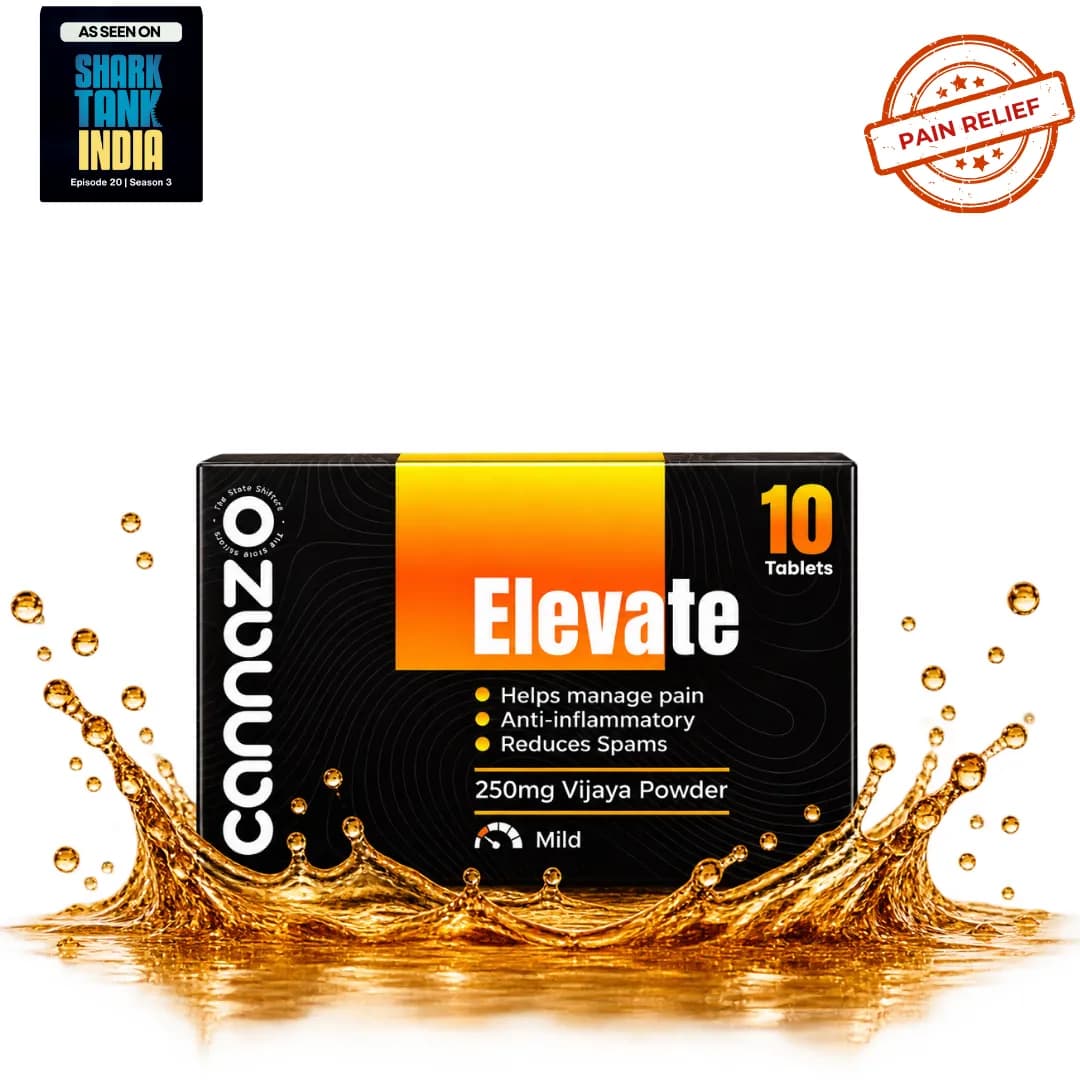
Tablet or pill forms created by combining herbal powders with binding agents. The Sharangadhara Samhita describes various vati preparation methods. Contemporary products like Daaiiimaa Remediees' Canacalm-TS tablets and Elevate Pain Tablets use this traditional format in capsule or tablet form.
3. Taila (तैल)
Oil-based preparations where Vijaya leaf is processed in sesame oil or ghee, often with other herbs. Traditional taila preparation involves slow heating to extract fat-soluble constituents. Modern full-spectrum oils use advanced extraction but maintain the lipid base that traditional formulations employed.
4. Churna (चूर्ण)
Powdered preparations that can be consumed with honey, ghee, or warm milk. The Bhavaprakasha describes specific proportions when Vijaya churna is combined with other herbal powders.
Traditional Combining Herbs (Anupana and Sahapana)
Ayurvedic practice rarely uses single herbs in isolation. Classical texts prescribe anupana (vehicles) and sahapana (adjuvant herbs):
- Black pepper (Piper nigrum): Enhances absorption and bioavailability
- Ginger (Zingiber officinale): Supports digestion, reduces nausea
- Ashwagandha (Withania somnifera): Adaptogenic herb for stress response
- Brahmi (Bacopa monnieri): Traditionally used for cognitive support
- Jatamansi (Nardostachys jatamansi): Calming herb for sleep support
Modern formulations continue this tradition of combining herbs to create balanced preparations.
Browse traditional formulation styles in the Vijaya extract and paste collection and cannabis tinctures and oils section.
Dosage Principles in Ayurvedic Medical Cannabis: Classical Guidelines and Modern Considerations
Traditional Ayurvedic texts provide dosage guidance based on specific units of measurement and individual constitution (prakriti). Understanding these principles helps contextualize modern dosing recommendations.
Classical Measurement Units
The Sharangadhara Samhita defines traditional Ayurvedic measurements:
- 1 Ratti ≈ 125 mg (weight of a gunja seed)
- 1 Masha = 8 Ratti ≈ 1 gram
- 1 Karsha = 12 Masha ≈ 12 grams
Classical texts typically recommend Vijaya leaf powder in doses ranging from 1-4 Ratti (approximately 125-500 mg) depending on preparation method and individual factors.
Factors Influencing Traditional Dosage
Ayurvedic dosing is highly individualized, considering:
- Prakriti (constitution): Vata, Pitta, Kapha, or mixed constitutional types
- Vikruti (current imbalance): Present health state
- Agni (digestive capacity): Strong, variable, or weak digestion
- Age and body strength (bala)
- Season and time of day
- Preparation method: Extracts are more concentrated than raw powder
Modern Standardization
Contemporary Ayurvedic Vijaya products provide standardized dosing information on labels, typically expressed in milligrams of extract or powder per serving. This allows for consistent dosing while maintaining traditional principles.
General Guidelines
- Start low: Begin with the minimum recommended serving
- Go slow: Increase gradually over days or weeks if needed
- Track response: Maintain a simple journal noting time, amount, and effects
- Professional guidance: Work with a registered Ayurvedic practitioner or healthcare provider, especially for Schedule E(1) products
- Time of administration: Traditional texts often specify morning, evening, or before sleep based on intended use
Use our dosage calculator as a starting reference, and always consult a registered practitioner through our doctor consultation service for personalized guidance.
Quality Standards and Authenticity: What to Look for in Ayurvedic Vijaya Products
With growing interest in Ayurvedic medical cannabis, ensuring product quality and authenticity is crucial. Several factors distinguish legitimate, high-quality preparations from questionable products.
Manufacturing Credentials
Essential certifications and licenses:
- Ayurvedic Drug Manufacturing License: Issued by the state drug control authority, this is mandatory for manufacturing Ayurvedic medicines containing Vijaya
- GMP Certification: Good Manufacturing Practices certification ensures quality control standards
- AYUSH Premium Mark: An optional certification from the AYUSH Ministry indicating higher quality standards
- ISO Certifications: International quality management standards
Label requirements:
- Complete ingredient list with botanical names
- Manufacturing license number
- Batch number and manufacturing/expiry dates
- Dosage instructions
- Schedule E(1) warning if applicable: "To be sold by retail on the prescription of a Registered Medical Practitioner only"
- Contraindications and precautions
Testing and Standardization
Quality manufacturers conduct multiple tests:
- Heavy metal screening: Lead, mercury, arsenic, cadmium
- Microbial testing: Bacteria, yeast, mold
- Pesticide residue analysis
- Active constituent standardization: Cannabinoid content verification
- Authenticity testing: Confirming plant identity through various methods
Some manufacturers provide Certificates of Analysis (CoA) documenting test results—a transparency indicator of quality commitment.
Source and Cultivation
The quality of Vijaya leaf depends on cultivation practices:
- Organic cultivation: Minimizes pesticide and chemical exposure
- Controlled environment: Licensed cultivation facilities ensure consistency
- Proper harvest timing: Traditional texts specify optimal harvest periods
- Processing methods: Following classical preparation procedures
Red Flags to Avoid
- No manufacturing license number on label
- No contact information for manufacturer
- Suspiciously low pricing
- Incomplete or vague ingredient lists
Review our health conditions guide for information on appropriate product selection, and always verify manufacturer credentials before purchase.
Safety Profile and Contraindications in Traditional and Modern Contexts
While Ayurvedic texts document Vijaya's traditional use over millennia, they also note contraindications and precautions. Modern understanding adds additional safety considerations.
Traditional Contraindications
Classical Ayurvedic texts advise caution or avoidance in certain situations:
- Pregnancy and lactation: Traditional texts generally advise against use during pregnancy
- Very young children: Dosing, if any, is significantly reduced for pediatric use
- Extreme Pitta imbalance: The heating quality (ushna virya) may aggravate high Pitta states
- Severe weakness (daurbalya): When body strength is very low
- Certain mental states: Classical texts note potential for excessive mental agitation in some individuals
Modern Safety Considerations
Contemporary medical understanding adds specific precautions:
- Drug interactions: May interact with sedatives, blood thinners, and other medications metabolized by liver enzymes
- Cardiovascular considerations: Individuals with heart conditions should consult healthcare providers
- Mental health history: Those with certain psychological conditions should use only under professional supervision
- Operating machinery: May affect coordination and reaction time
- Surgery: Typically discontinued before scheduled surgical procedures
Common Transient Effects
Traditional texts and modern reports note potential transient effects, especially when starting or with higher amounts:
- Dry mouth (mukha shosha)
- Changes in appetite
- Drowsiness or alertness changes
- Mild digestive changes
- Temporary coordination effects
These typically diminish with consistent use at appropriate amounts or by adjusting the serving size.
The Importance of Professional Guidance
Given the Schedule E(1) classification of many Vijaya formulations and the individual nature of Ayurvedic practice, professional guidance is essential:
- A registered Ayurvedic practitioner can assess your prakriti and vikruti
- Healthcare providers can review medication interactions
- Supervised use allows for appropriate dose titration
- Regular follow-up ensures optimal outcomes and safety
Schedule a consultation with registered practitioners through our consultation service before beginning any Ayurvedic Vijaya regimen.
Modern Research on Ayurvedic Cannabis Formulations
While traditional use spans millennia, modern scientific investigation of Ayurvedic medical cannabis is emerging. Several research directions are providing evidence-based context for traditional practices.
Ethnobotanical Documentation
Researchers have systematically documented traditional cannabis use in Ayurveda. Sharma et al. (2019) in the Journal of Ayurveda and Integrative Medicine analyzed 16 classical texts, identifying 191 references to cannabis and documenting traditional preparation methods, dosages, and contexts of use. This provides a foundation for understanding how historical practitioners conceptualized Vijaya.
Phytochemical Analysis of Traditional Preparations
Studies have analyzed the chemical composition of traditionally prepared formulations. Research by Singh et al. (2021) published in Phytochemistry found that traditional fat-based extraction methods (using ghee) efficiently extract cannabinoids while also capturing terpenes and flavonoids, supporting the "whole plant" approach inherent in Ayurvedic practice.
Bioavailability and Traditional Adjuvants
Investigation into traditional combining practices has revealed scientific rationale. A 2018 study in Planta Medica demonstrated that piperine (from black pepper, a common Ayurvedic adjuvant) significantly enhances cannabinoid bioavailability by inhibiting first-pass metabolism—providing molecular explanation for a 2,000-year-old practice.
Safety Profile Studies
Systematic reviews have assessed the safety profile of cannabis leaf preparations. A 2020 meta-analysis by Chesney et al. in Cannabis and Cannabinoid Research examined adverse event rates across multiple studies, finding that leaf-based preparations generally showed favorable safety profiles when used under professional guidance.
Traditional Formulation Standardization
Researchers are working to standardize classical formulations for quality control. The Central Council for Research in Ayurvedic Sciences (CCRAS) has published standardization parameters for several Vijaya-containing formulations, establishing consistency benchmarks for traditional preparations.
Explore evidence-based products at our Vijaya medical cannabis collection and stay informed through our FAQ section.
Integrating Ayurvedic Medical Cannabis into Modern Wellness Practice
For those interested in incorporating Ayurvedic Vijaya formulations into their wellness approach, understanding how traditional practice integrates with contemporary life is important.
The Role of Professional Assessment
Traditional Ayurvedic practice begins with detailed assessment:
- Prakriti determination: Understanding your constitutional type guides formulation selection
- Vikruti assessment: Identifying current imbalances
- Agni evaluation: Assessing digestive capacity, which affects how you process formulations
- Lifestyle review: Diet, sleep, stress, exercise patterns
Registered Ayurvedic practitioners available through our consultation service provide this comprehensive assessment.
Lifestyle Components (Dincharya)
Ayurvedic medicine emphasizes lifestyle alongside botanical preparations:
- Diet (ahara): Eating according to constitution and season
- Sleep (nidra): Consistent sleep-wake cycles
- Exercise (vyayama): Appropriate physical activity for your body type
- Meditation and pranayama: Mental and breath practices
- Seasonal routines (ritucharya): Adjusting practices with seasonal changes
Traditional practitioners view Vijaya formulations as one component within this holistic framework, not as standalone interventions.
Monitoring and Adjustment
Ayurvedic practice involves ongoing refinement:
- Regular check-ins with your practitioner
- Keeping simple notes on your experience
- Seasonal adjustments to formulations or doses
- Modifications based on life changes (stress, travel, health events)
Combining with Conventional Care
Many individuals integrate Ayurvedic approaches with conventional medicine:
- Inform all healthcare providers about any Ayurvedic formulations you use
- Review potential drug interactions
- Coordinate care between your various healthcare practitioners
- Never discontinue prescribed medications without medical guidance
Browse complementary products in our Ayurvedic supplements collection and herbal remedies section.
Comparing Ayurvedic Vijaya Products: Making Informed Choices
With various Ayurvedic medical cannabis formulations available, understanding key differences helps in making appropriate selections. The following comparison highlights major categories:
| Format | Traditional Form | Key Characteristics | Best For |
|---|---|---|---|
| Oil/Drops | Taila | Fat-based extraction; sublingual or oral use; adjustable dosing; faster onset than solid forms | Those preferring flexible dosing and quicker effects; easy to combine with food |
| Extract/Paste | Modaka | Concentrated leaf extract; traditionally combined with ghee, honey, spices; rich formulation | Following traditional Ayurvedic practice; those who prefer classical preparations |
| Tablets/Capsules | Vati/Gutika | Standardized dose per unit; convenient; typically combined with complementary herbs | Convenience; consistent dosing; travel-friendly; no taste consideration |
| Powder | Churna | Ground leaf; mixed with honey, ghee, or warm milk; highly customizable | Traditional practitioners who customize preparations; those following classical methods |
Key Selection Factors
Potency and Standardization: Check product labels for cannabinoid content per serving. Full-spectrum preparations contain the complete range of plant constituents, mirroring traditional whole-plant approaches.
Additional Herbs: Many formulations combine Vijaya with complementary herbs. Consider whether these align with your needs and constitution.
Preparation Method: Products using traditional extraction methods (ghee-based, oil-based) may better reflect classical formulations than those using modern solvent extraction.
Manufacturer Reputation: Look for established manufacturers with proper licensing, transparency about testing, and good manufacturing practices.
Schedule E(1) Status: If a product requires prescription or professional supervision, this indicates stronger potency and the importance of guided use.
Compare specific products at cannabis tinctures and oils and Vijaya extract and paste sections.
The Future of Ayurvedic Medical Cannabis in India
Ayurvedic medical cannabis stands at a unique intersection of ancient wisdom and contemporary science. Several trends are shaping its evolution in India.
Research Expansion
Academic institutions and research councils are increasingly studying traditional formulations:
- The Central Council for Research in Ayurvedic Sciences (CCRAS) has initiated studies on classical Vijaya formulations
- Several Ayurvedic colleges are conducting clinical trials on traditional preparations
- Collaborative research between Ayurvedic practitioners and pharmacologists is growing
- Documentation projects are preserving traditional knowledge before it's lost
Standardization Efforts
Quality control and standardization are advancing:
- Development of pharmacopeial standards for Vijaya formulations
- Good Manufacturing Practice (GMP) adoption by traditional manufacturers
- Third-party testing becoming more common
- Digital tracking of source material to finished product
Policy Evolution
Regulatory frameworks continue to develop:
- State governments issuing clearer guidelines for Ayurvedic cannabis products
- AYUSH Ministry providing policy direction
- Ongoing discussions about licensing, access, and quality standards
- Potential for harmonization across states
Practitioner Training
Educational initiatives are expanding:
- Continuing education courses on Vijaya formulations for Ayurvedic practitioners
- Integration of cannabis medicine into Ayurvedic curriculum
- Workshops connecting classical texts with modern science
- Mentorship programs preserving traditional knowledge
Public Awareness
Understanding of Ayurvedic medical cannabis is growing:
- Increased media coverage distinguishing traditional use from recreational contexts
- Educational resources helping consumers make informed decisions
- De-stigmatization of traditional Ayurvedic formulations
- Growing recognition of India's historical cannabis medicine heritage
Stay informed about developments through our FAQ page and consider membership for access to educational resources and practitioner consultations.
Frequently Asked Questions About Ayurvedic Medical Cannabis
What is the difference between Ayurvedic Vijaya products and other forms of medical cannabis?
Ayurvedic Vijaya products are formulations based on classical Ayurvedic texts and preparation methods, typically using cannabis leaf rather than resin or flower. They follow traditional recipes that combine Vijaya with complementary herbs, use specific extraction methods (ghee, sesame oil), and are manufactured under Ayurvedic drug licenses. Ayurvedic formulations view the plant within a holistic system that considers individual constitution, lifestyle, and seasonal factors. They emphasize whole-plant preparations rather than isolated compounds and are intended for use under the guidance of registered Ayurvedic practitioners.
Do I need a prescription to purchase Ayurvedic cannabis products in India?
Many Ayurvedic Vijaya formulations are classified under Schedule E(1) of the Drugs Rules, 1945, which requires them to be "sold by retail on the prescription of a Registered Medical Practitioner only." This includes not just allopathic doctors but also registered Ayurvedic practitioners. Some lower-potency preparations may not require prescription, but regulations vary by state. Always check product labels for Schedule E(1) warnings and consult with registered practitioners through services like our consultation platform to ensure proper legal and medical guidance.
How do I determine the right Ayurvedic Vijaya formulation for my needs?
Traditional Ayurvedic practice bases formulation selection on your individual constitution (prakriti), current imbalances (vikruti), digestive capacity (agni), and specific health context. This requires assessment by a qualified Ayurvedic practitioner who can evaluate these factors through traditional diagnostic methods including pulse assessment, tongue examination, and detailed questioning. Factors considered include your dominant dosha, the nature of any imbalance, time of day for administration, seasonal influences, and which format (oil, paste, tablet, powder) best suits your situation. Self-selection without professional guidance is not recommended, especially for Schedule E(1) products.
Can I combine Ayurvedic Vijaya products with my current medications?
Cannabis-based formulations can interact with various medications, including blood thinners, sedatives, anti-seizure medications, and drugs metabolized by certain liver enzymes. If you take any prescription medications, you must consult both your prescribing physician and a knowledgeable Ayurvedic practitioner before using Vijaya formulations. Provide complete information about all medications, supplements, and herbs you're taking. Never discontinue prescribed medications without medical supervision. Coordinated care between your healthcare providers ensures safety and allows for monitoring of potential interactions.
How long does it take to notice effects from Ayurvedic cannabis formulations?
The timeframe varies significantly based on formulation type, individual factors, and what aspect you're observing. Sublingual oils may produce noticeable effects within 15-45 minutes, while tablets or pastes taken orally may require 1-2 hours. However, in traditional Ayurvedic practice, the full benefits of herbal formulations often develop over consistent use spanning weeks to months as they work to address underlying imbalances rather than providing immediate symptomatic relief. Ayurvedic practitioners typically recommend an initial trial period of 4-8 weeks with regular monitoring and dose adjustment. Immediate effects should not be the only measure—subtle shifts in sleep quality, stress response, digestion, and overall well-being accumulate over time.
Sources & References
- Sharma, R., et al. (2019). "Cannabis and Cannabinoid Research in Ayurvedic Texts: A Systematic Review." Journal of Ayurveda and Integrative Medicine, 10(3), 191-198.
- Russo, E.B. (2020). "The Case for the Entourage Effect and Conventional Breeding of Clinical Cannabis: No 'Strain,' No Gain." British Journal of Pharmacology, 177(21), 4838-4849.
- Singh, A., et al. (2021). "Phytochemical Analysis of Traditional Ghee-Based Cannabis Leaf Extracts." Phytochemistry, 184, 112-120.
- Gupta, S. & Johnson, K. (2018). "Bioavailability Enhancement of Cannabinoids Through Traditional Ayurvedic Adjuvants." Planta Medica, 84(15), 1089-1095.
- Chesney, E., et al. (2020). "Adverse Effects of Cannabidiol: A Systematic Review and Meta-Analysis of Randomized Clinical Trials." Cannabis and Cannabinoid Research, 5(1), 72-80.
- Central Council for Research in Ayurvedic Sciences (CCRAS). (2018). Standardization of Single Drugs of Ayurveda: Cannabis sativa L. New Delhi: Ministry of AYUSH.
- Thapliyal, R. & Madan, H.R. (2017). "Cannabis in Ayurveda: Perspectives from Classical Literature and Pharmacology." Ancient Science of Life, 37(2), 61-67.
- Ministry of AYUSH. (2016). The Ayurvedic Pharmacopoeia of India, Part I, Volume VIII. Government of India.
- Narcotics Commissioner of India. (1985). Narcotic Drugs and Psychotropic Substances Act, 1985 (as amended). Ministry of Finance, Government of India.
- Sharangadhara. (13th century CE, trans. 2012). Sharangadhara Samhita. Translated by Srikantha Murthy, K.R. Varanasi: Chaukhambha Orientalia.
Begin Your Ayurvedic Vijaya Journey
Ready to explore Ayurvedic medical cannabis formulations rooted in 3,000 years of traditional wisdom? Start with professional guidance:
- Book a consultation with registered Ayurvedic practitioners
- Use the dosage calculator for initial guidance
- Browse Vijaya medical cannabis products from licensed manufacturers
- Review our health conditions guide for targeted information
- Consider membership for ongoing support and exclusive educational resources
Share this article
Written by
THC Store Editorial
Published 12 hours ago