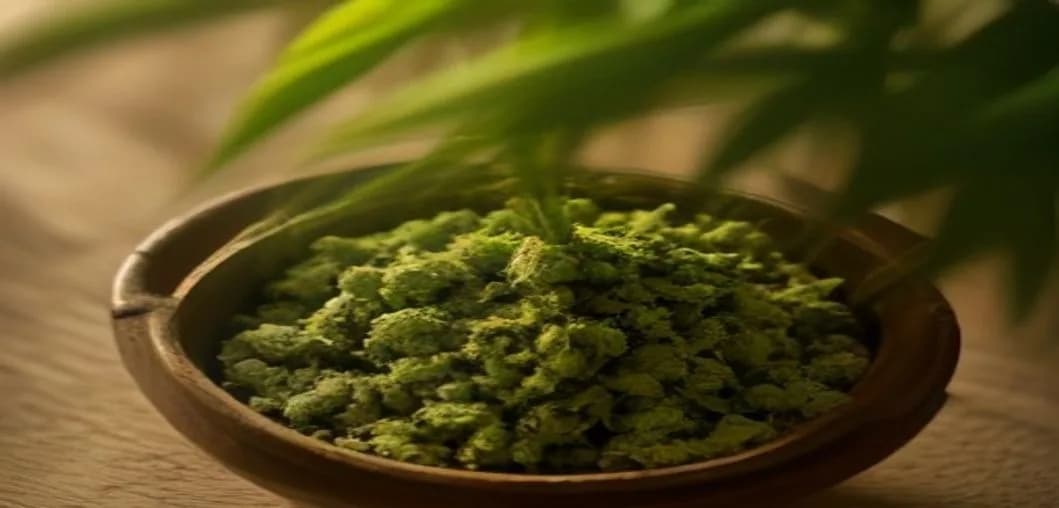
Vijaya Oil Use: Complete Ayurvedic & Safety Guide for India
Article Summary
Vijaya Oil Use: Complete Ayurvedic & Safety Guide for India Vijaya oil—derived from the leaf and flower resin of the plant known in Ayurveda as Vijaya (Cannabis sativa L.)—has been documented in classical Indian texts for over 3,000 years. Today, ove...
Vijaya oil—derived from the leaf and flower resin of the plant known in Ayurveda as Vijaya (Cannabis sativa L.)—has been documented in classical Indian texts for over 3,000 years. Today, over 2.6 million Indians report using vijaya-based preparations according to national survey data, yet confusion persists about what vijaya oil actually is, how it differs from hemp seed oil, how it is traditionally used in Ayurvedic practice, and what the law requires. This comprehensive guide answers every question about vijaya oil use in India, from ancient formulations to modern extract products, safety considerations, and regulatory context.
Whether you are exploring traditional Ayurvedic remedies, researching modern vijaya extract products available through licensed Vijaya & Medical Cannabis collections, or simply seeking accurate information, this evidence-based guide will clarify terminology, explain historical and contemporary applications, and help you make informed decisions in consultation with qualified healthcare practitioners.
Disclaimer: This article is for informational purposes only and does not constitute medical advice. Always consult a qualified healthcare professional before starting any new supplement or treatment. Vijaya-based products may require supervision by a registered Ayurvedic practitioner in India under Drugs Rules, 1945 (Schedule E(1), Rule 161(2)). Book a consultation with our panel doctors for personalized guidance.
What Is Vijaya Oil? Understanding Terminology and Types
The term "vijaya oil" can refer to several distinct products, and clarity on terminology is essential to avoid confusion.
Traditional Ayurvedic Vijaya Taila
In classical Ayurveda, vijaya taila typically refers to a medicated oil prepared by processing vijaya (cannabis) leaves, flowers, or seeds with a base oil (often sesame or coconut) and sometimes other herbs according to traditional taila paka (oil preparation) methods. These formulations appear in texts such as the Bhavaprakasha, Rajanighantu, and Charak Samhita, where vijaya is classified under various ganas (groups) based on its properties.
Modern Vijaya Extract Oil
Contemporary vijaya extract oil—often called cannabis oil or full-spectrum extract—is produced through modern extraction methods (CO₂, ethanol, or oil infusion) to concentrate cannabinoids (the active compounds in the resin) into a carrier oil. These products may contain varying ratios of different compounds and are manufactured under state Ayurvedic or drug manufacturing licences.
Hemp Seed Oil vs. Vijaya Extract Oil
Hemp seed oil is a nutritional oil pressed from Cannabis sativa seeds. It contains no significant cannabinoids (the resinous compounds found in leaves and flowers) and is legally classified as a food product under FSSAI regulations. Vijaya extract oil, by contrast, is derived from the leaf and flower resin and is regulated as a medicine under the NDPS Act and Drugs Rules.
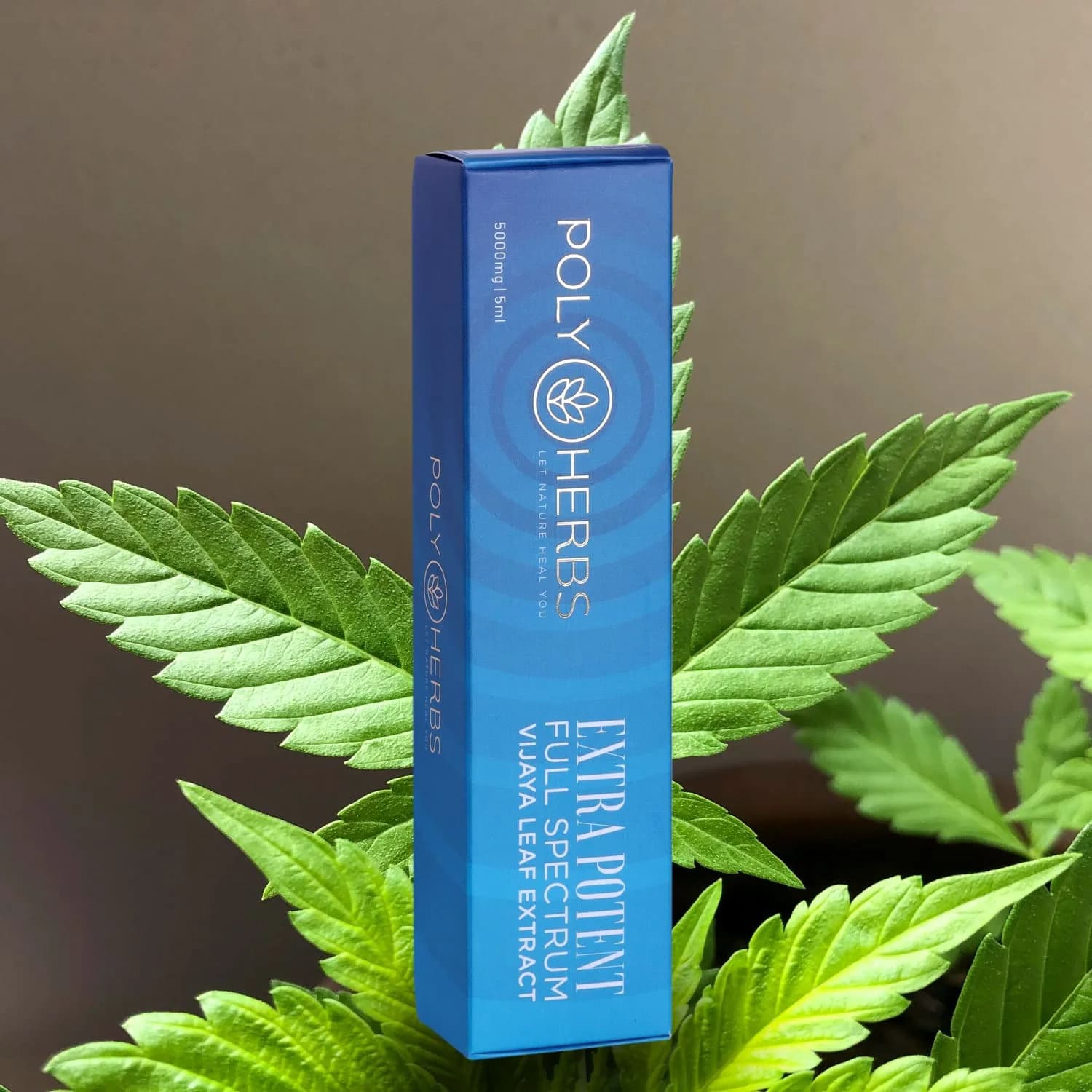
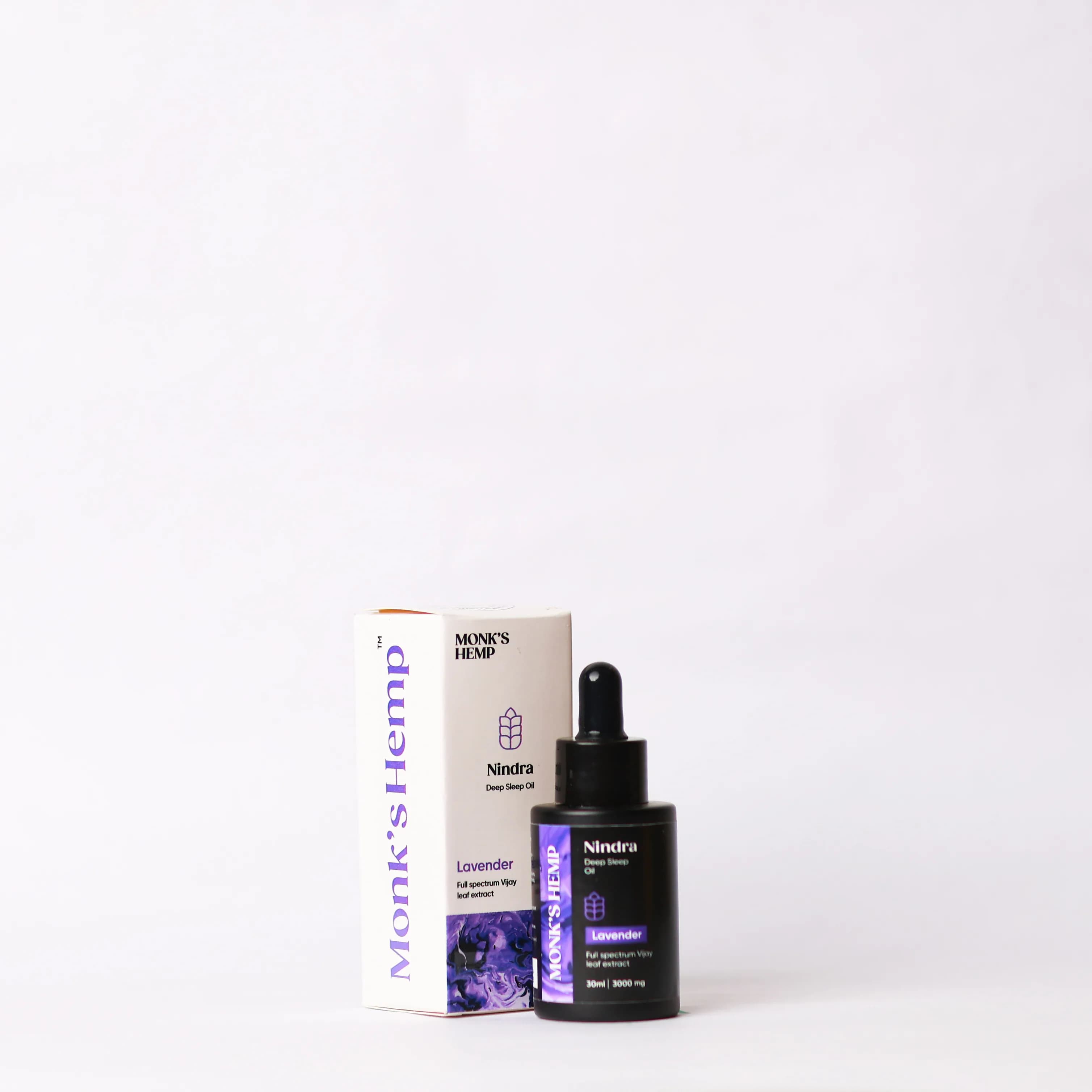
Products such as Extra Potent RSO Oil – Raw Vijaya Leaf Extract and Nindra (1:1) Tinture are examples of modern vijaya extract products formulated according to traditional Ayurvedic principles.
Historical and Traditional Use of Vijaya in Ayurveda
Vijaya holds a unique place in the Indian pharmacopoeia, with references spanning millennia.
Classical Ayurvedic Texts
The Atharva Veda (circa 2000 BCE) lists vijaya among sacred plants. The Sushruta Samhita describes it in the context of surgical practice. Later texts such as the Rajanighantu (15th century) catalogue vijaya's rasa (taste), virya (potency), and vipaka (post-digestive effect), classifying it as heating, pungent, and capable of affecting the doshas (constitutional energies).
Formulations recorded in these texts include vijaya-infused oils, pastes (modakas), and decoctions, often combined with ingredients like ghee, honey, or other botanicals to balance effects and enhance bioavailability.
Traditional Preparation Methods
Classical taila paka involves heating the base oil with plant material and a liquid (often water or herbal decoction) over controlled heat for several hours, allowing water to evaporate and active compounds to infuse into the oil. This method is still used in some traditional Ayurvedic pharmacies today.
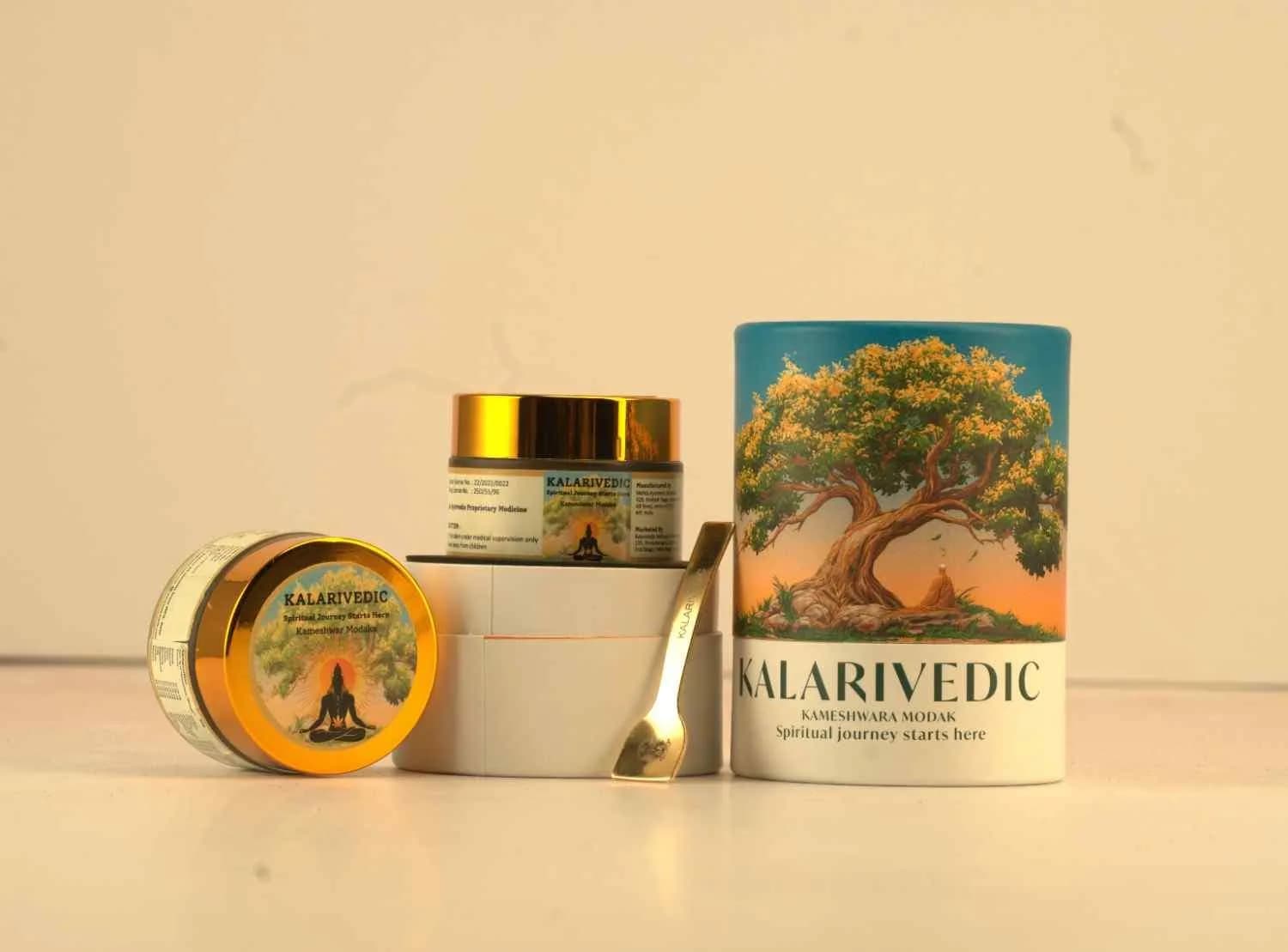
Products like Kalarivedic Kameshwara Modak follow these time-honoured formulation principles, combining vijaya extract with complementary herbs.
How Vijaya Extract Oil Is Used in Contemporary Practice
Modern vijaya extract products are used in India under the guidance of registered Ayurvedic practitioners or other qualified healthcare professionals, as required by law.
Oral Administration
Vijaya extract oil is most commonly administered sublingually (under the tongue) or mixed with food. Sublingual administration allows compounds to enter the bloodstream directly through the oral mucosa, bypassing first-pass liver metabolism.
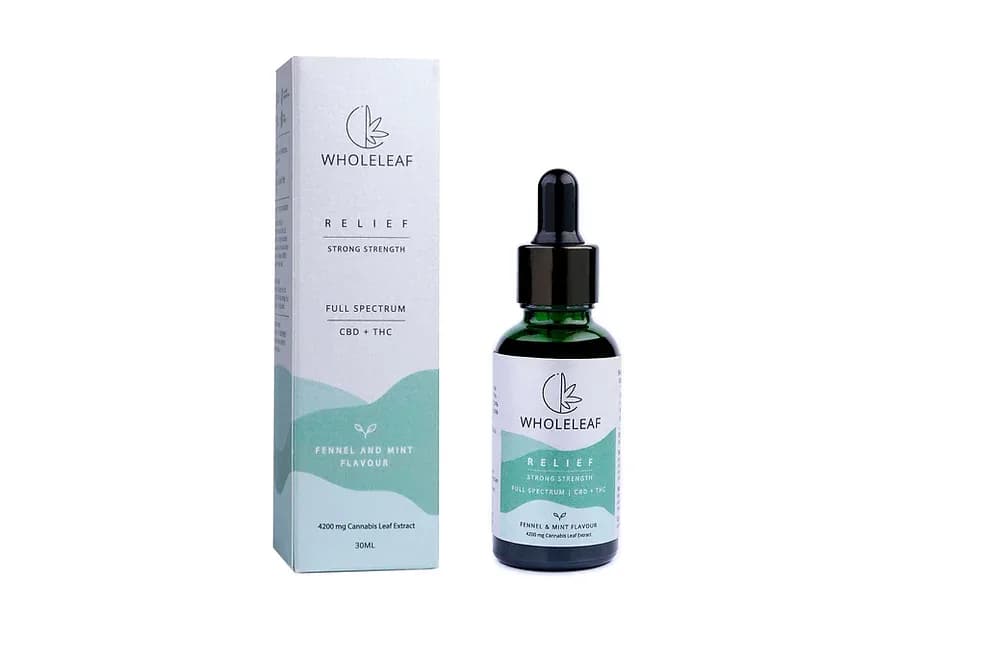
Products such as Wholeleaf Relief Strong Strength – Full Spectrum Oil are formulated as tinctures for this method of use.
Topical Application
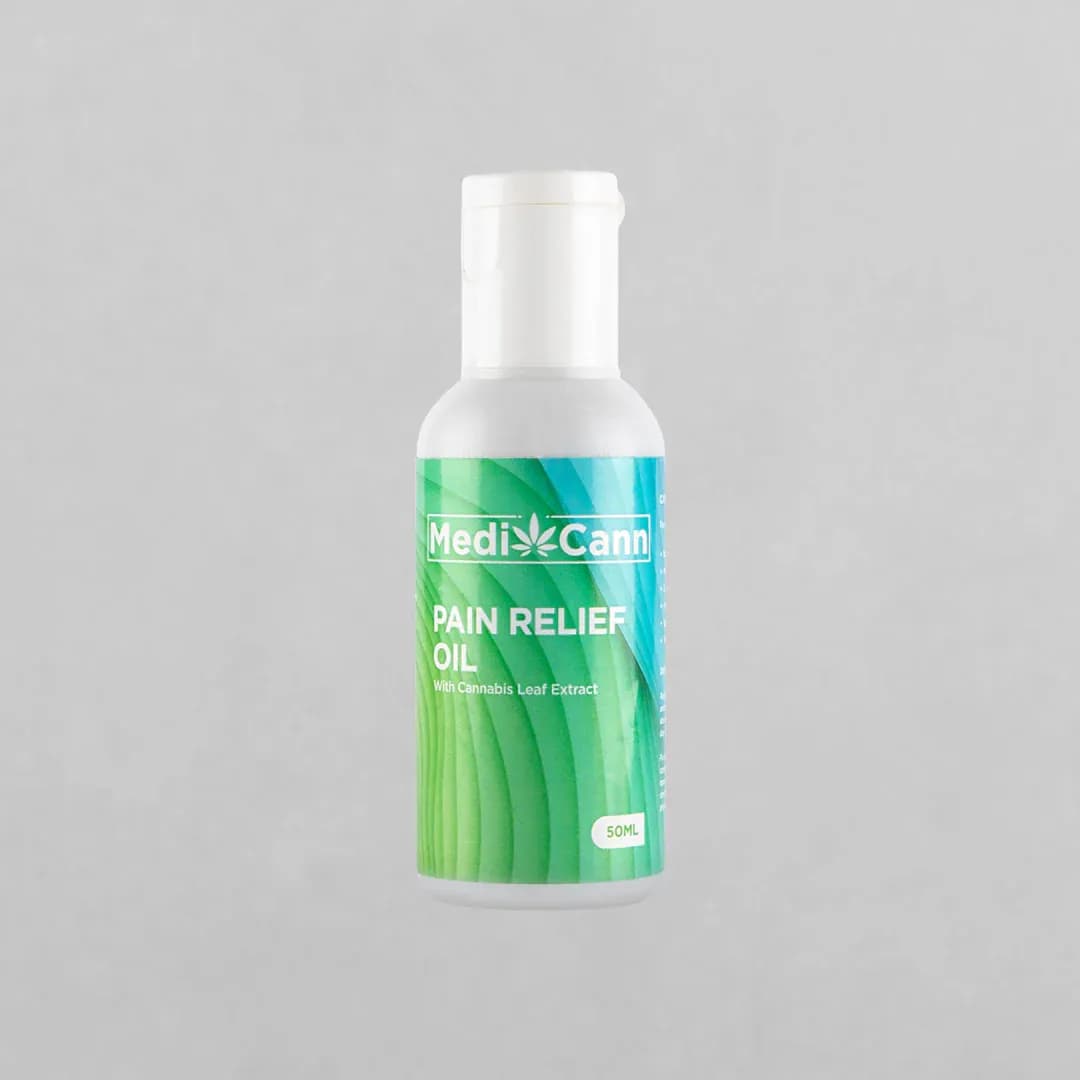
Vijaya-infused oils may also be applied externally. Topical preparations combine vijaya extract with carrier oils and sometimes other botanicals. Cannabis Pain Relief Oil by MEDICANN is an example of a topical vijaya formulation.
Dosage Forms and Strengths
Vijaya extract products are available in various concentrations, typically measured in milligrams of extract per millilitre of carrier oil. Dosing is highly individual and should be determined in consultation with a qualified practitioner using tools like our dosage calculator, which offers general reference ranges based on traditional and contemporary practice.
For personalised guidance, consult with our panel of registered Ayurvedic practitioners who can assess your individual constitution and health status.
Understanding Active Compounds in Vijaya Extract
Vijaya resin contains over 100 distinct compounds called cannabinoids, along with terpenes (aromatic compounds) and flavonoids. The two most studied cannabinoids are:
Cannabidiol (CBD)
A non-intoxicating compound that has been the subject of extensive research. A 2018 review in the journal Frontiers in Pharmacology by Iffland and Grotenhermen examined the safety profile of cannabidiol in human studies.
Tetrahydrocannabinol (THC)
The primary compound responsible for psychoactive effects. Its presence in vijaya preparations is regulated under Indian law.
The Entourage Effect
Full-spectrum vijaya extracts contain multiple cannabinoids and terpenes that may work synergistically—a phenomenon researchers call the "entourage effect." A 2011 review by Russo in the British Journal of Pharmacology discussed this concept and the potential role of terpenes.
Products like Namaste Organics Sleep Rite Tablets are formulated as full-spectrum preparations to preserve this natural compound profile.
Safety Considerations and Potential Side Effects
Like any botanical medicine, vijaya preparations should be used with appropriate caution and professional guidance.
Common Side Effects
Reported effects from vijaya use may include dry mouth, drowsiness, changes in appetite, or digestive discomfort. These effects are often dose-dependent and vary by individual.
Interactions with Medications
Vijaya compounds may interact with certain medications metabolised by liver enzymes (particularly the cytochrome P450 system). A 2017 study by Jiang et al. in Cannabis and Cannabinoid Research examined cannabinoid-drug interactions in detail. Always inform your healthcare provider about all supplements and medications you are taking.
Contraindications
Vijaya preparations are traditionally contraindicated during pregnancy and lactation, and for individuals with certain mental health histories. Professional assessment is essential.
For comprehensive safety information tailored to vijaya extract specifically, see our detailed guide: Vijaya Leaf Extract Side Effects: Complete Safety Guide for India.
Legal Framework for Vijaya Oil in India
The legal status of vijaya products in India is determined by multiple overlapping regulations.
NDPS Act and Cannabis Leaf
The Narcotic Drugs and Psychotropic Substances Act, 1985 regulates "cannabis" (defined as the flowering or fruiting tops of the plant, excluding seeds and leaves not accompanied by tops). Cannabis leaf preparations used for medical or scientific purposes are permitted under the Act, but their sale and use may be regulated by individual state governments through excise rules.
Drugs Rules, 1945 – Schedule E(1)
Cannabis-based medicines are listed in Schedule E(1) of the Drugs Rules, 1945. Rule 161(2) specifies that these preparations may be sold only on the prescription or under the supervision of a registered medical practitioner or a registered Ayurvedic, Unani, or Siddha practitioner.
State-Level Regulation
Each state's excise department determines additional rules about licensing, sale, and distribution. What is permissible in one state may differ in another. There is no uniform "legal across India" status for vijaya products.
FSSAI and Hemp Seed Products
The Food Safety and Standards Authority of India permits hemp seed, hemp seed oil, and hemp seed flour as food ingredients, with specified limits for residual compounds (5 mg/kg in seed and flour, 10 mg/kg in seed oil). These limits do not apply to vijaya leaf extract medicines, which are regulated as drugs.
For a detailed legal analysis, see our comprehensive guide: Is Bhang Legal in India? NDPS Act, State Rules and Vijaya Law.
Last reviewed: May 2025. General information, not legal advice.
Choosing Quality Vijaya Extract Products in India
The quality and safety of vijaya extract products depend on manufacturing standards, testing, and regulatory compliance.
Manufacturing Licences
Reputable manufacturers operate under state Ayurvedic drug manufacturing licences or equivalent pharmaceutical licences. Products should display licence numbers on their packaging.
Third-Party Testing
Quality products are tested by independent laboratories for cannabinoid content, heavy metals, pesticides, microbial contamination, and residual solvents. Look for brands that provide certificates of analysis (COAs).
Full-Spectrum vs. Isolate Products
Full-spectrum extracts contain the natural range of cannabinoids and terpenes from the plant. Isolate products contain a single purified compound. Pure CBD Isolate (100% CBD, 0% THC) is an example of an isolate product.
Transparency and Documentation
Trusted brands provide clear information about cannabinoid content, recommended use, batch numbers, and manufacturing details. Our Vijaya & Medical Cannabis collection features products from licensed manufacturers that meet these criteria.
For a step-by-step framework for evaluating products, see: Vijay Extract India: Complete Science & Buyer's Guide.
Vijaya Extract vs. Other Ayurvedic Preparations
Vijaya is available in multiple traditional and modern forms, each with distinct characteristics.
Vijaya Extract Paste
Paste formulations (leha or avaleha in Ayurveda) combine vijaya extract with honey, ghee, or other carriers to create a thick, spoonable preparation. These are often formulated with complementary herbs. See our guide: Vijaya Extract Paste: Complete Ayurvedic Guide & Usage for India.
Tablets and Vatis
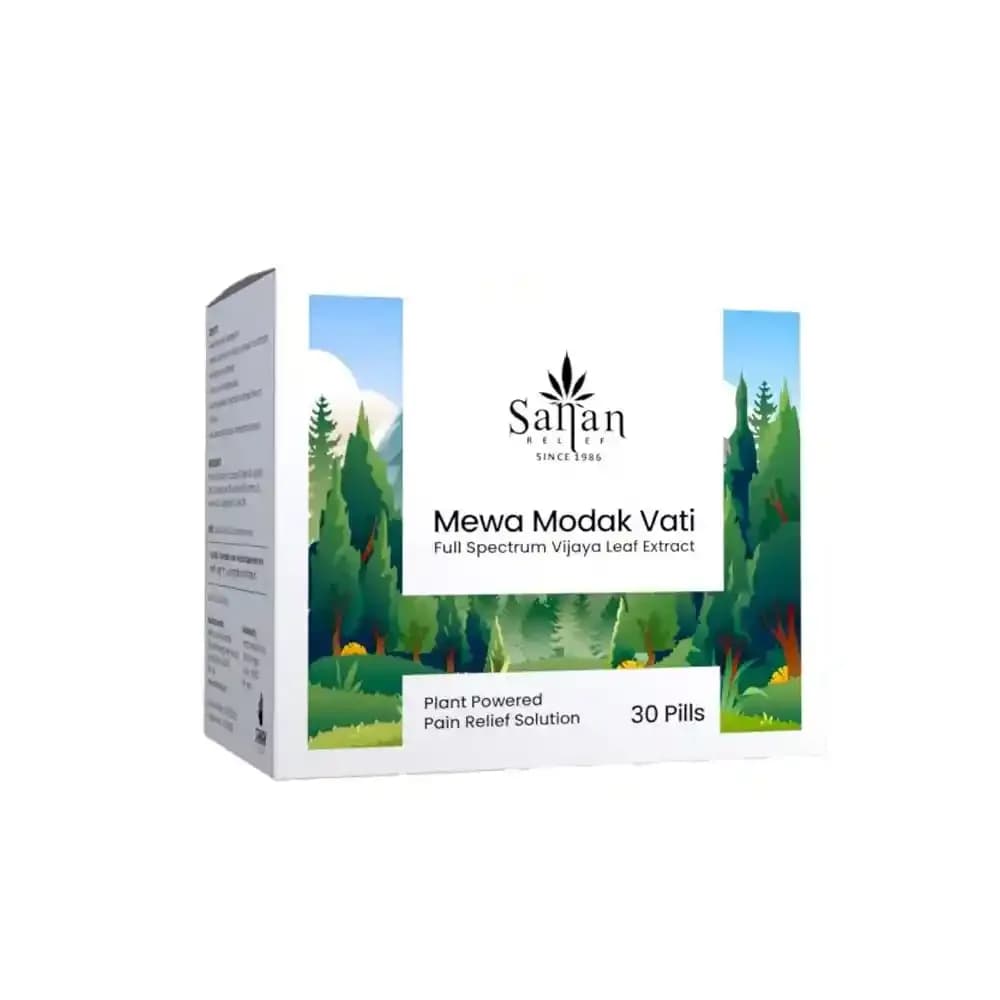
Sanan Mewa Modak Vati Cannabis Edible represents the traditional vati (tablet) form, where vijaya extract is combined with other ingredients and formed into pills.
Gummies and Modern Edibles
Contemporary formulations include gummies and other edible forms. For a comparison of delivery methods, see: Vijaya Oil vs Gummies India: Complete Buyer's Guide & Dosage.
Traditional Bhang
Bhang is a fresh-leaf paste preparation, distinct from modern extracts. Learn more: Bhang in India: Complete Ayurvedic & Legal Guide.
How to Use Vijaya Extract Oil: Practical Guidelines
If you are using vijaya extract oil under professional supervision, these general principles apply:
Start Low, Go Slow
Traditional Ayurvedic practice emphasises beginning with small amounts and gradually adjusting based on individual response. Modern practitioners often recommend the same approach.
Timing and Administration
Vijaya oil may be taken with or without food, though some practitioners recommend taking it with a small amount of fat to enhance absorption. Sublingual administration involves holding the oil under the tongue for 60–90 seconds before swallowing.
Consistency and Documentation
Keeping a simple log of dosage, timing, and observations can help you and your practitioner assess response and adjust use accordingly.
Storage
Store vijaya extract oils in a cool, dark place, away from direct sunlight and heat. Most products remain stable for 12–24 months when properly stored.
Use our dosage calculator for general reference ranges, and always confirm with your practitioner before beginning use.
Research and Evidence on Vijaya Compounds
Scientific interest in vijaya compounds has grown substantially in recent decades.
Preclinical Studies
Laboratory and animal studies have explored the mechanisms by which cannabinoids interact with the endocannabinoid system—a biological system present in all mammals that plays a role in maintaining balance in various physiological processes.
A 2013 review by Pacher and Kunos in the Journal of the American College of Cardiology examined the endocannabinoid system's role in cardiovascular regulation.
Human Studies
Clinical research on cannabinoids has expanded, with studies examining pharmacokinetics, safety profiles, and physiological effects. A 2017 report by the National Academies of Sciences, Engineering, and Medicine (USA) reviewed the existing evidence base from hundreds of studies.
Traditional Knowledge and Modern Science
Researchers are increasingly interested in validating traditional Ayurvedic uses through contemporary scientific methods. A 2019 paper by Sekar and Mariappan in the Journal of Ayurveda and Integrative Medicine discussed the integration of traditional and modern approaches to cannabis research in India.
For ongoing updates on research, visit our wellness blog where we regularly publish summaries of new findings.
Vijaya Extract Products Available in India
A growing number of licensed manufacturers produce vijaya extract products in India under state Ayurvedic or pharmaceutical licences.
Oil and Tincture Products
These liquid formulations allow for precise dosing and sublingual administration. Examples include full-spectrum oils and ratio-specific tinctures with documented cannabinoid content.
Topical Preparations
Vijaya-infused massage oils and balms are applied externally. These products are formulated to deliver compounds through the skin.
Combination Formulations
Many products combine vijaya extract with other Ayurvedic herbs to create synergistic formulations. Holistic Health Pack (Ashwagandha, Guduchi, Triphala, CBD Oil) exemplifies this approach.
Where to Purchase
Licensed vijaya products can be purchased through authorised online and offline channels. Our Vijaya & Medical Cannabis collection features products from verified manufacturers, and our team can help connect you with professional guidance through our consultation service.
For information on purchasing channels, see: Is Vijaya Extract Available in Medical Stores in India? Complete Buyer's Guide.
Working with Healthcare Practitioners
Professional guidance is both legally required and practically important when using vijaya preparations.
Types of Qualified Practitioners
Under Indian law, vijaya products may be supervised by registered Ayurvedic, Unani, Siddha, or allopathic practitioners. Each brings different perspectives and training to the assessment process.
What to Expect in a Consultation
A qualified practitioner will typically assess your health history, current concerns, constitution (in Ayurvedic practice, your prakriti), any medications or supplements you are taking, and contraindications. They will then provide specific recommendations about product selection and use.
Online Consultations
Professional guidance is now accessible through telemedicine platforms. Book a consultation with our panel of registered Ayurvedic practitioners who specialise in vijaya-based formulations and can provide personalised guidance regardless of your location in India.
Ongoing Monitoring
Regular follow-up allows your practitioner to assess response and adjust recommendations as needed. This is especially important when beginning any new botanical medicine.
Comparison: Vijaya Extract Product Types
| Product Type | Administration | Onset Time | Duration | Best For |
|---|---|---|---|---|
| Sublingual Oil/Tincture | Under tongue, 60–90 sec | 15–45 minutes | 4–6 hours | Precise dosing, faster onset |
| Oral Oil (swallowed) | Mixed with food/drink | 45–90 minutes | 6–8 hours | Longer-lasting effects |
| Paste/Modak | Eaten directly or mixed | 60–120 minutes | 6–10 hours | Traditional formulation, sustained effect |
| Tablets/Vati | Swallowed with water | 45–90 minutes | 6–8 hours | Convenience, pre-measured dose |
| Topical Oil/Balm | Applied to skin | 20–60 minutes | 2–4 hours | Localised external use |
| Gummies | Chewed and swallowed | 45–90 minutes | 6–8 hours | Palatability, portability |
Onset and duration times are approximate and vary by individual metabolism, body composition, whether taken with food, and other factors.
Building a Holistic Wellness Approach
Traditional Ayurveda views botanical medicines as one component of a comprehensive approach to health.
Diet and Lifestyle (Ahara and Vihara)
Ayurvedic practice emphasises appropriate diet, daily routine, sleep hygiene, and stress management as foundations of health. Vijaya preparations are traditionally used within this larger context, not as isolated interventions.
Complementary Practices
Yoga, pranayama (breathing exercises), meditation, and other traditional practices may complement the use of botanical medicines. Many practitioners recommend an integrated approach.
Additional Wellness Products
Explore our broader collections for complementary products:
- Ayurvedic Supplements – Traditional formulations for various health goals
- Herbal Remedies – Plant-based wellness products
- Healing Blends – Synergistic herbal combinations
- Sleep & Relaxation – Products formulated to support rest
- Stress & Anxiety – Natural approaches to daily pressures
Membership Benefits
Our membership program offers benefits including priority access to new products, educational resources, and practitioner consultations. Members receive regular updates on new research, product launches, and wellness guidance.
Frequently Asked Questions About Vijaya Oil Use
What is the difference between vijaya oil and hemp seed oil?
Vijaya oil (or vijaya extract oil) is derived from the resin-bearing leaves and flowers of the cannabis plant and contains cannabinoids—the active compounds that have been studied for various physiological effects. Hemp seed oil is pressed from cannabis seeds, contains no significant cannabinoids, and is used as a nutritional supplement rich in omega fatty acids. Vijaya extract oil is regulated as a medicine under the NDPS Act and Drugs Rules; hemp seed oil is regulated as a food under FSSAI. They are entirely different products with different legal status, composition, and traditional uses.
Do I need a prescription to purchase vijaya extract oil in India?
According to the Drugs Rules, 1945 (Schedule E(1), Rule 161(2)), vijaya-based medicines may be sold only on the prescription or under the supervision of a registered medical practitioner or a registered Ayurvedic, Unani, or Siddha practitioner. Different manufacturers and sellers implement this requirement in various ways—some require a formal prescription, others provide consultation as part of the purchase process. Additionally, state excise rules may impose further requirements. It is best to inquire with the specific seller about their process. Our consultation service connects you with registered practitioners who can provide appropriate guidance and documentation.
How do I determine the right dosage of vijaya extract oil for me?
Dosage is highly individual and depends on factors including your body weight, metabolism, health status, the specific product formulation, cannabinoid content, and the guidance of your supervising practitioner. Traditional Ayurvedic practice emphasises starting with a small amount and gradually adjusting based on individual response and practitioner assessment. Our dosage calculator provides general reference ranges based on traditional and contemporary practice guidelines, but these should be confirmed with a qualified practitioner. Never rely solely on online calculators—professional assessment of your individual constitution and health status is essential.
Can vijaya extract oil cause side effects or interact with other medications?
Yes, like any botanical medicine, vijaya preparations can cause side effects and may interact with certain medications. Commonly reported effects include dry mouth, drowsiness, changes in appetite, or digestive discomfort. Cannabinoids may affect how the liver processes certain medications (particularly those metabolised by cytochrome P450 enzymes), potentially altering their effects. Always inform your healthcare provider about all supplements and medications you are taking. If you are on prescription medications, work with your doctor to monitor for interactions. Our comprehensive guide Vijaya Leaf Extract Side Effects: Complete Safety Guide for India covers this topic in detail.
Where can I buy authentic vijaya extract oil in India?
Authentic vijaya extract products should be purchased from licensed manufacturers or authorised sellers who can provide documentation of manufacturing licences, cannabinoid content, and third-party testing. Our Vijaya & Medical Cannabis collection features products from verified manufacturers that operate under state Ayurvedic or pharmaceutical licences. You can also explore our full product catalogue. Because regulations vary by state, availability may differ based on your location. For more information on purchasing channels and what to look for, see: Is Vijaya Extract Available in Medical Stores in India? Complete Buyer's Guide.
Final Thoughts: Informed and Responsible Use
Vijaya oil represents a bridge between ancient Ayurvedic tradition and contemporary botanical medicine. As interest grows and research expands, access to accurate information becomes increasingly important.
Whether you are exploring vijaya preparations for the first time or seeking to deepen your understanding of products you already use, the key principles remain consistent: work with qualified professionals, start with appropriate amounts, use products from licensed manufacturers, understand the legal context, and view botanical medicines as one component of a holistic approach to wellness.
For personalised guidance on vijaya extract products, book a consultation with our panel of registered Ayurvedic practitioners. Our team can help you navigate product selection, understand traditional formulation principles, and develop an approach that respects both ancient wisdom and contemporary safety standards.
Explore our collections:
- Vijaya & Medical Cannabis
- Cannabis Tinctures & Oils
- Vijaya Extract Paste
- CBD Oil
- CBD Oils & Tinctures
Stay informed about new products, research updates, and wellness guidance by subscribing to our newsletter or exploring our complete blog library. For quick access to information about specific health topics, visit our health conditions resource centre.
For any questions about products, consultations, or orders, our support team is available through our FAQ page or you can reach out directly.
Sources & References
- Iffland, K., & Grotenhermen, F. (2018). An Update on Safety and Side Effects of Cannabidiol: A Review of Clinical Data and Relevant Animal Studies. Frontiers in Pharmacology, 9, 1297.
- Russo, E. B. (2011). Taming THC: potential cannabis synergy and phytocannabinoid-terpenoid entourage effects. British Journal of Pharmacology, 163(7), 1344–1364.
- Jiang, R., Yamaori, S., Takeda, S., Yamamoto, I., & Watanabe, K. (2017). Identification of cytochrome P450 enzymes responsible for metabolism of cannabidiol by human liver microsomes. Life Sciences, 51(3), 275–284.
- Pacher, P., & Kunos, G. (2013). Modulating the endocannabinoid system in human health and disease – successes and failures. The FEBS Journal, 280(9), 1918–1943.
- National Academies of Sciences, Engineering, and Medicine. (2017). The Health Effects of Cannabis and Cannabinoids: The Current State of Evidence and Recommendations for Research. Washington, DC: The National Academies Press.
- Sekar, K., & Mariappan, G. (2019). Cannabis in Ayurveda: A critical review. Journal of Ayurveda and Integrative Medicine, 10(4), 290–294.
- Narcotic Drugs and Psychotropic Substances Act, 1985. Government of India.
- The Drugs Rules, 1945 (Schedule E(1), Rule 161(2)). Government of India.
- Food Safety and Standards (Food Products Standards and Food Additives) Amendment Regulations, 2020. FSSAI, Government of India.
Share this article
Written by
THC Store Editorial
Published 4 hours ago