Vijaya Extract Paste: Complete Ayurvedic Guide & Usage for India
Article Summary
Vijaya Extract Paste: Complete Ayurvedic Guide & Usage for India Vijaya extract paste represents one of the most concentrated and traditional forms of cannabis medicine used in Ayurvedic practice for centuries. While modern users are increasingly fam...
Vijaya extract paste represents one of the most concentrated and traditional forms of cannabis medicine used in Ayurvedic practice for centuries. While modern users are increasingly familiar with Vijaya oils and cannabis gummies, the paste form—sometimes called "majja" or concentrated extract—has been a cornerstone of classical Ayurvedic formulations. If you're exploring Vijaya and medical cannabis options in India, understanding extract paste can help you make informed choices for your wellness journey. This comprehensive guide explores what Vijaya extract paste is, how it differs from other forms, its traditional and modern applications, and critical considerations for Indian consumers navigating the complex legal and quality landscape.
Disclaimer: This article is for informational purposes only and does not constitute medical advice. Always consult a qualified healthcare professional before starting any new supplement or treatment. Cannabis-based products may require a prescription in India under NDPS Act regulations. Book a consultation with our panel doctors for personalized guidance.
What Is Vijaya Extract Paste? Understanding the Traditional Form
Vijaya extract paste is a highly concentrated preparation of cannabis plant material that has been processed to extract cannabinoids, terpenes, and other therapeutic compounds into a thick, semi-solid consistency. Unlike Vijaya oils which are typically suspended in carrier oils, paste formulations retain a higher concentration of plant constituents in a more viscous base.
In classical Ayurvedic texts like the Raj Nighantu and Dhanvantari Nighantu, Vijaya (cannabis) preparations are described in various forms including churna (powder), taila (oil), and concentrated extracts. The paste form traditionally served as an intermediate preparation—easier to dose than raw plant material, more stable than liquid extracts, and versatile enough for both internal and topical applications.
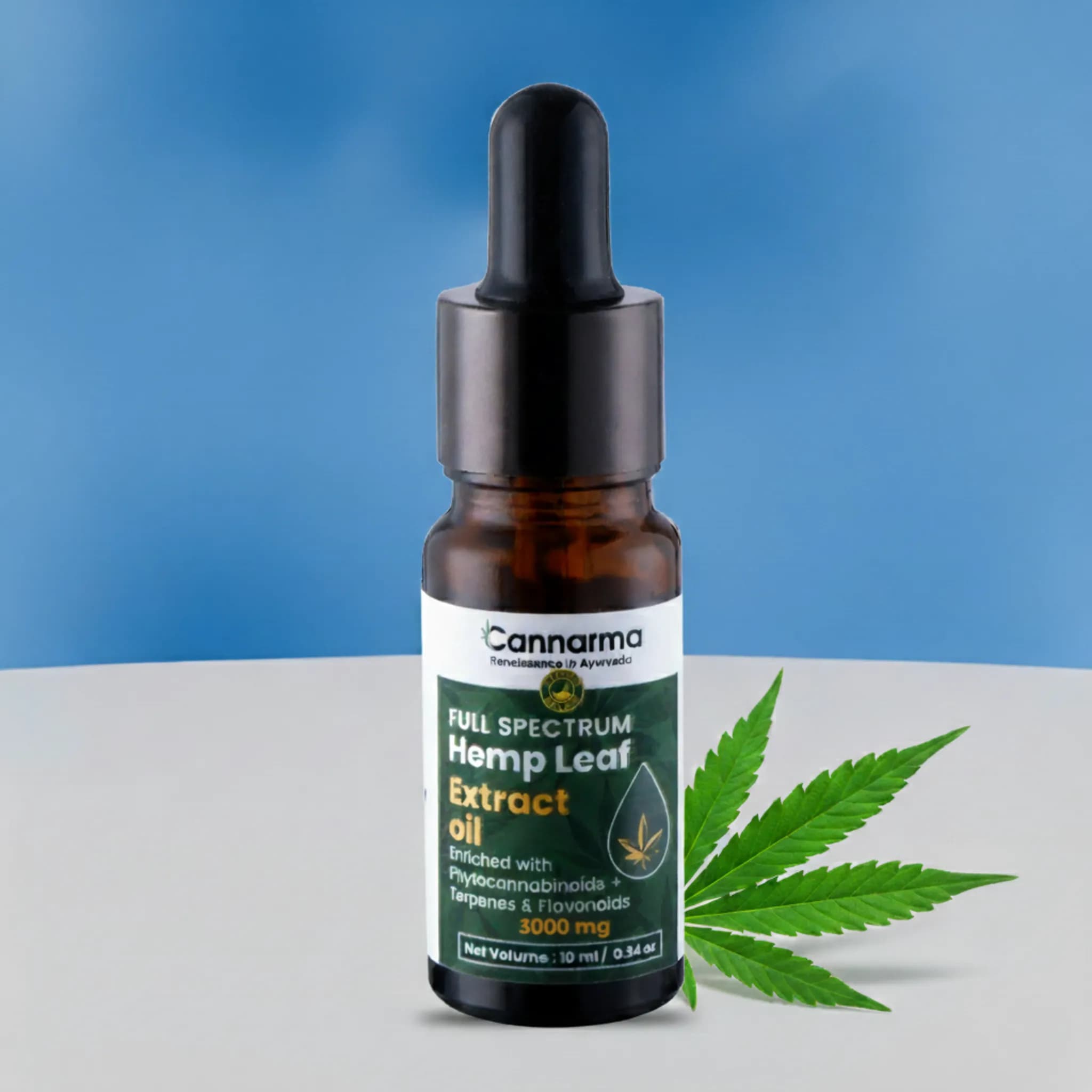
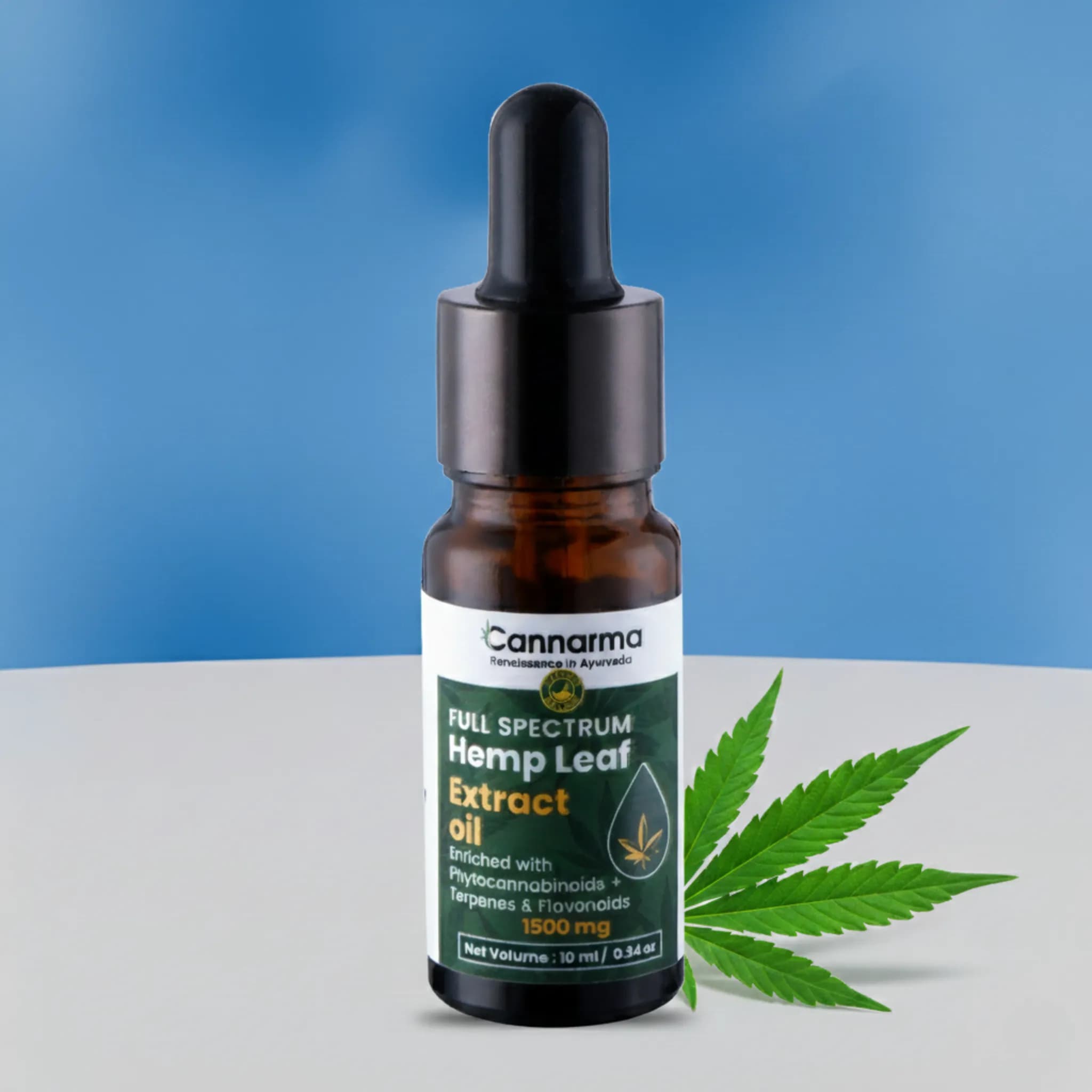
Modern Vijaya extract paste typically contains standardized amounts of cannabinoids such as THC (tetrahydrocannabinol) and CBD (cannabidiol), with concentration levels varying from 5% to over 80% depending on the extraction method and intended use. The Cannarma Full Spectrum Hemp Extract Oil represents a modern interpretation of these traditional formulations, offering precise cannabinoid dosing in a contemporary format.
The paste consistency allows for sublingual absorption (under the tongue), topical application, or incorporation into food preparations—flexibility that has made it popular among practitioners of traditional medicine and modern integrative health approaches alike.
Traditional Ayurvedic Uses of Cannabis Paste
Ayurvedic literature documents Vijaya paste preparations across multiple therapeutic categories. The Sushruta Samhita, one of the foundational texts of Ayurvedic surgery (estimated 6th century BCE), mentions cannabis paste as an analgesic and appetite stimulant for surgical patients.
Traditional applications included:
- Vedana-sthapana (pain management): Applied topically or taken internally for chronic pain conditions, arthritis, and inflammation
- Nidra-janana (sleep induction): Small doses before bedtime for insomnia and disturbed sleep patterns
- Vata-shamana (calming nervous system): Used to address anxiety, tremors, and neurological conditions attributed to Vata imbalance
- Agni-dipana (digestive stimulation): Mixed with honey or ghee to improve appetite and digestive function
- Shula-nashana (spasm relief): For muscle spasms, menstrual cramps, and gastrointestinal cramping
Vaidyas (Ayurvedic physicians) traditionally prepared paste by grinding dried Vijaya leaves and flowers with warming spices like black pepper, ginger, and long pepper to enhance bioavailability and balance the cooling nature of cannabis. This principle of adjuvant herbs—called anupana in Ayurveda—remains relevant in modern Vijaya extract paste formulations.
A 2019 review in the Journal of Ayurveda and Integrative Medicine noted that cannabis preparations appear in over 150 classical Ayurvedic formulations, with paste and semi-solid forms being among the most common due to their stability and ease of dose adjustment.
How Vijaya Extract Paste Differs from Oils, Tinctures, and Gummies
Understanding the differences between Vijaya extract paste and other popular forms helps you select the right product for your specific needs:
| Product Form | Concentration | Onset Time | Duration | Best For |
|---|---|---|---|---|
| Extract Paste | Very High (20-80%) | 15-45 min (sublingual) | 4-8 hours | Precise micro-dosing, topical use |
| Vijaya Oil | Medium (5-30%) | 15-45 min | 4-6 hours | Daily wellness, easy dosing |
| Cannabis Gummies | Low-Medium (5-15%) | 45-90 min | 6-10 hours | Convenience, taste, long duration |
| Tincture (Alcohol-based) | Medium (10-40%) | 10-30 min | 3-5 hours | Fast onset, precise dosing |
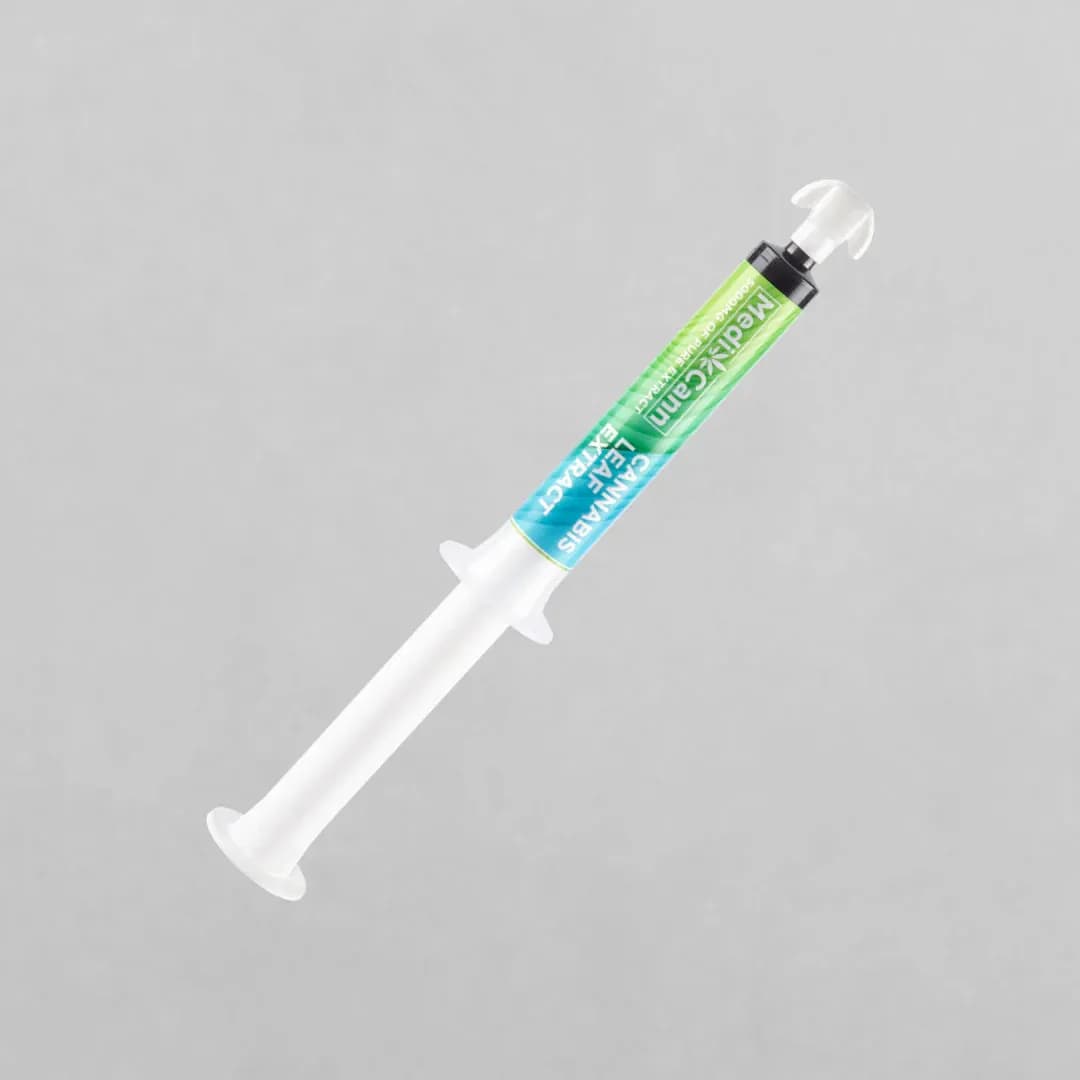
The Cannabis Leaf Extract from MEDICANN exemplifies a high-concentration paste format designed for experienced users who require strong therapeutic effects. Its 5-gram format allows for extended use with extremely small doses.
Key advantages of paste format include:
- Concentration efficiency: A rice-grain sized amount can deliver 10-50mg cannabinoids
- Stability: Less prone to degradation than oils when stored properly
- Versatility: Can be taken sublingually, mixed with food, or applied topically
- Cost-effectiveness: Higher upfront investment but longer lasting per gram
- Minimal additives: Often contains fewer carriers and preservatives than liquid forms
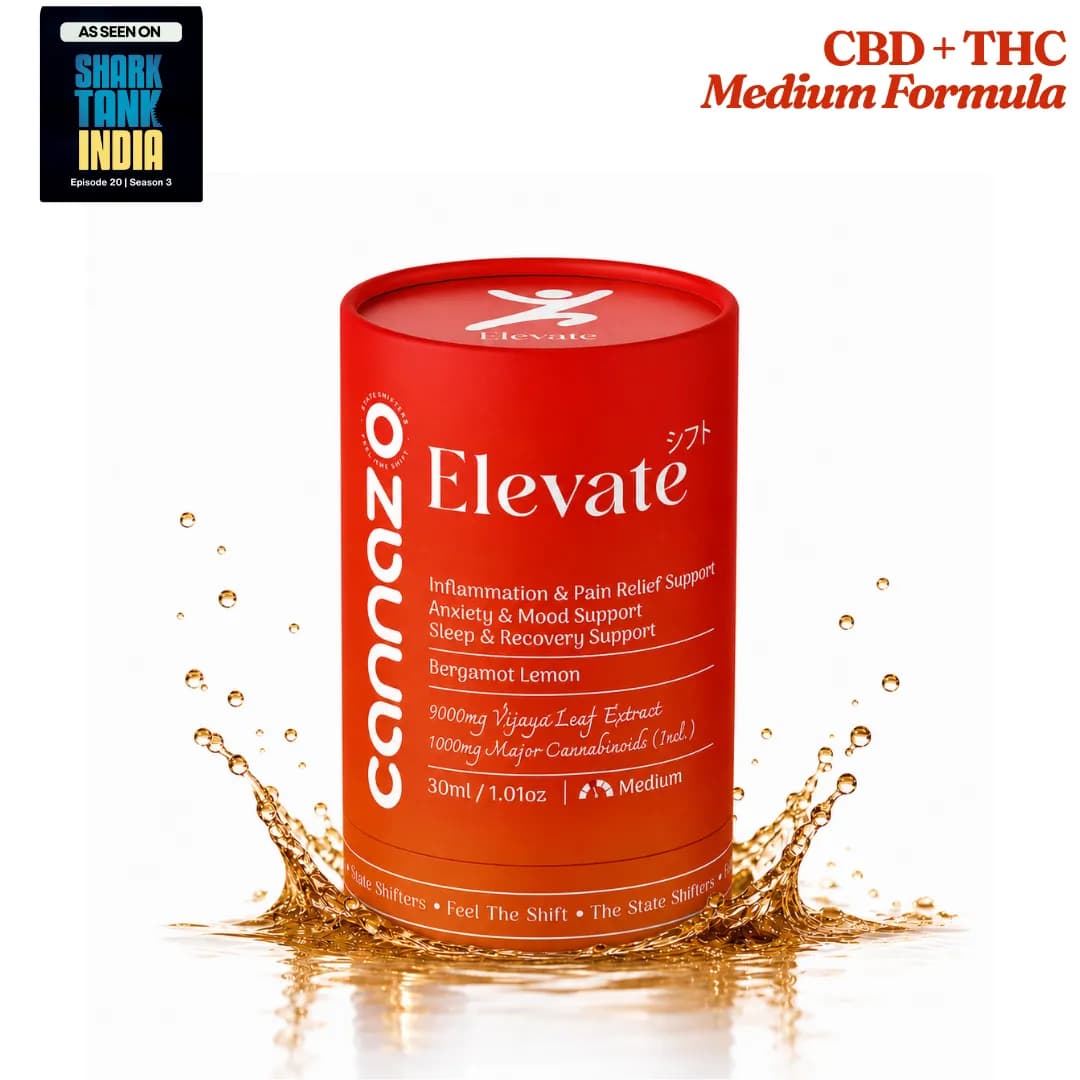
However, paste requires more careful measurement and may have an earthy taste that some users find challenging. Products like Elevate Recovery CBD+THC Oil offer a middle ground with standardized dosing in a dropper format while maintaining high concentration.
Cannabinoid Profile and Full-Spectrum vs. Isolate Paste
Vijaya extract paste comes in several cannabinoid profiles, each with distinct therapeutic applications:
Full-Spectrum Extract Paste
Contains the complete range of cannabinoids (THC, CBD, CBG, CBN), terpenes, flavonoids, and other plant compounds. Research on the "entourage effect"—the synergistic interaction of cannabis constituents—suggests full-spectrum products may offer superior therapeutic benefits. A 2015 study published in Pharmacology & Pharmacy by Gallily et al. demonstrated that full-spectrum CBD extracts showed superior anti-inflammatory effects compared to isolated CBD at equivalent doses.
The Cannarma Full Spectrum Hemp Extract Oil represents this approach in a user-friendly oil format, while full-spectrum paste formulations offer even higher concentration for those who need it.
Broad-Spectrum Extract Paste
Contains multiple cannabinoids and terpenes but with THC removed or reduced to trace amounts (typically below 0.3% in Western markets, though India has no such standard). This option suits users who want entourage benefits without psychoactive effects or who face drug testing concerns.
CBD or THC Isolate Paste
Pure single-cannabinoid extract (typically 95-99% purity). While lacking the entourage effect, isolates allow precise dosing of specific compounds and avoid potential interactions with other cannabinoids. Some practitioners prefer isolate paste when targeting specific conditions with established single-cannabinoid research.
A 2018 study in Frontiers in Neurology by Pamplona et al. comparing CBD-rich extracts versus pure CBD for epilepsy treatment found that CBD-rich extracts were effective at lower doses and with fewer side effects, supporting the therapeutic value of full-spectrum preparations.
Vijaya Extract Paste Dosage Guidelines for India
Dosing Vijaya extract paste requires careful attention due to its high concentration. Traditional Ayurvedic texts recommend starting with a dose equivalent to one "tandula" (rice grain) and adjusting based on response—a principle that aligns with modern "start low, go slow" guidelines.
General Dosage Framework
For paste containing approximately 50% total cannabinoids:
- Micro-dose (beginner): 1-2mg total cannabinoids (grain-of-rice sized amount) once or twice daily
- Low dose (moderate): 5-10mg total cannabinoids 1-2 times daily
- Medium dose (experienced): 15-30mg total cannabinoids 1-3 times daily
- High dose (therapeutic): 30-50mg+ total cannabinoids under practitioner guidance
The dosage calculator on our platform can help you convert paste concentration percentages to actual cannabinoid amounts. For personalized dosing recommendations based on your health condition and constitution, book a consultation with our panel of registered Ayurvedic practitioners.
Factors Affecting Dosage
- Body weight and metabolism: Larger individuals and those with faster metabolism may require higher doses
- Condition severity: Acute pain may need higher doses than general wellness support
- Tolerance: Regular users may develop tolerance, requiring dose adjustment
- Dosha constitution: Vata types may be more sensitive to cannabis effects than Kapha types
- Time of day: Evening doses for sleep support may differ from daytime pain management doses
- Food intake: Taking with fatty foods increases absorption but delays onset
A 2020 clinical review in the Journal of Pain Research noted significant individual variability in cannabis response, with some patients achieving therapeutic effects at 2.5mg THC while others required 20mg or more for equivalent results.
Methods of Administration: Sublingual, Oral, and Topical Use
Sublingual (Under the Tongue)
The most common method for Vijaya extract paste. Place a small amount under the tongue and hold for 60-90 seconds before swallowing. This allows absorption through the mucous membranes directly into the bloodstream, bypassing first-pass liver metabolism.
Advantages: Faster onset (15-30 minutes), higher bioavailability, easier dose titration
Onset: 15-45 minutes
Duration: 4-6 hours
Oral (Swallowed with Food)
Mix paste with ghee, honey, or fatty foods. This is the traditional Ayurvedic method, often combined with digestive spices. The paste can also be incorporated into golden milk, smoothies, or energy balls.
Advantages: Longer duration, easier to consume, enhanced absorption with fats
Onset: 45-90 minutes
Duration: 6-10 hours
Products like the OG1 Strawberry Dream Medical Cannabis Gummies offer a pre-measured oral option for those who find paste dosing challenging.
Topical Application
Apply directly to skin for localized pain, inflammation, or skin conditions. Vijaya paste can be mixed with carrier oils, aloe vera, or traditional medicated oils for enhanced penetration.
Advantages: No psychoactive effects, targeted relief, suitable for localized conditions
Onset: 10-30 minutes
Duration: 3-5 hours
Traditional formulations often combined Vijaya paste with warming herbs like camphor or menthol for joint pain applications. The Cannarma Ultra Premium Pain Relief Balm demonstrates this principle in a ready-to-use topical format.
Therapeutic Applications Supported by Research
While research on Vijaya extract paste specifically is limited, studies on concentrated cannabis extracts and traditional Ayurvedic uses provide insight into potential applications:
Chronic Pain Management
A 2018 systematic review in the Journal of Pain and Symptom Management analyzing 47 studies found that cannabis-based medicines provided significant pain relief in chronic pain conditions, with extract forms showing particular efficacy. The review noted that products with balanced THC:CBD ratios (approximately 1:1 to 1:2) demonstrated optimal pain relief with fewer psychoactive side effects.
Traditional Ayurvedic texts describe Vijaya as "shula-nashana" (destroyer of pain) and particularly effective for Vata-type pain characterized by sharp, moving, or neurological quality. The health conditions browser offers detailed information on using Vijaya for various pain presentations.
Sleep Disorders and Insomnia
A 2019 study in The Permanente Journal involving 103 patients found that 66.7% reported improved sleep within the first month of cannabis treatment, with benefits persisting over three months. THC-dominant formulations showed faster sleep onset, while CBD-rich products improved sleep quality without morning grogginess.
Ayurvedic protocol typically recommends taking Vijaya paste 45-90 minutes before bedtime, often mixed with warming milk (Vata-balancing) or cooling coconut milk (Pitta-balancing). Products like Uplift Gummies Cola Vatis for Insomnia offer a convenient pre-measured option for sleep support.
Anxiety and Stress Relief
Research published in Neuropsychopharmacology (2011) by Crippa et al. demonstrated that CBD reduced anxiety in social anxiety disorder patients during a simulated public speaking test. The study used 600mg CBD, though clinical experience suggests lower doses may be effective with full-spectrum extracts.
Traditional use emphasizes low doses for anxiety management, with Charaka describing Vijaya as "medha-krit" (enhancing clarity) when used appropriately but potentially causing "smriti-nash" (memory impairment) at excessive doses.
Appetite Stimulation and Digestive Support
THC's appetite-stimulating effects are well-documented, with a 2001 study in Pharmacology Biochemistry and Behavior showing THC increased caloric intake by approximately 40% in healthy volunteers. This aligns with Ayurvedic classification of Vijaya as "deepana" (appetite-enhancing) and "pachana" (digestive).
Inflammation and Autoimmune Conditions
A 2020 review in Frontiers in Immunology examined cannabis effects on immune function, finding that CBD and other cannabinoids modulate inflammatory responses through multiple pathways including cytokine regulation and T-cell function. This supports traditional Ayurvedic use for inflammatory conditions described as "shotha" (swelling/inflammation).
Legal Status of Vijaya Extract Paste in India
The legal landscape for Vijaya extract paste in India is complex and varies significantly by state. Understanding the regulatory framework is essential before purchasing or using these products.
Central Legal Framework
Cannabis regulation in India falls primarily under the Narcotic Drugs and Psychotropic Substances Act, 1985 (NDPS Act). The Act distinguishes between different parts of the cannabis plant:
- Prohibited: Cannabis resin and flowers ("ganja")
- Permitted with restrictions: Cannabis leaves ("bhang")
- Excluded: Seeds and mature stalks (industrial hemp)
Vijaya extract paste derived from cannabis leaves may be permitted under state excise department licenses for Ayurvedic medicine manufacturing. The Drugs and Cosmetics Act, 1940, and the Drugs Rules, 1945, provide the framework for manufacturing cannabis-based Ayurvedic medicines. Schedule E(1) of the Drugs Rules, 1945, lists cannabis (Vijaya) among substances that may be used in Ayurvedic, Siddha, and Unani medicines subject to certain restrictions.
Rule 161(2) of the Drugs Rules, 1945, requires that medicines containing scheduled substances (including cannabis) be sold only under the supervision of a registered medical practitioner—meaning a qualified Ayurvedic doctor, not necessarily an allopathic physician.
State-Level Variations
Each state's excise department controls the cultivation, processing, and sale of cannabis products within its borders. Some states have robust frameworks for Ayurvedic cannabis medicine, while others maintain strict prohibition:
- More permissive: Uttarakhand, Madhya Pradesh, Uttar Pradesh have established licensing for cannabis-based Ayurvedic products
- Restrictive: Many states have no clear framework for medical cannabis beyond traditional bhang preparations
Hemp-derived products (from mature stalks and seeds) with minimal THC content fall into a different regulatory category. However, India does not currently have a defined THC threshold equivalent to the 0.3% standard in some Western jurisdictions.
FSSAI Regulations
The Food Safety and Standards Authority of India (FSSAI) has permitted specific hemp seed products (seeds, seed oil, and seed flour) for food use, with THC limits of 5 mg/kg in seeds and flour, and 10 mg/kg in oil, plus a CBD limit of 75 mg/kg. This regulation applies to food products only, not Ayurvedic medicines.
Last reviewed: January 2025. General information, not legal advice.
For guidance on accessing Vijaya extract paste legally in your state, consult with our registered Ayurvedic practitioners who can provide prescription support and compliance guidance.
Quality Indicators: How to Choose Authentic Vijaya Extract Paste
The lack of comprehensive regulation in India's cannabis market means quality varies dramatically. Consider these factors when evaluating Vijaya extract paste:
Manufacturing Credentials
- State license: Look for products made under a state Ayurvedic manufacturing license (not "AYUSH-approved," which is legally inaccurate)
- GMP certification: Good Manufacturing Practice certification indicates quality control standards
- Batch testing: Third-party lab testing for cannabinoid content and contaminants
Cannabinoid Content and Labeling
Quality products should clearly state:
- Total cannabinoid percentage or mg per gram
- CBD and THC content separately
- Spectrum type (full-spectrum, broad-spectrum, or isolate)
- Expiration date and batch number
- Recommended serving size
Extraction Method
Superior extraction methods preserve therapeutic compounds while removing unwanted substances:
- CO2 extraction: Cleanest method, preserves terpenes, no solvent residue
- Ethanol extraction: Effective for full-spectrum extracts, traditional method
- Traditional methods: Ayurvedic decoction and concentration techniques
- Avoid: Butane or hexane extraction (potential toxic residue)
Source Material Quality
The quality of extract paste depends heavily on the source cannabis:
- Organically grown without synthetic pesticides or herbicides
- Cultivar selection for desired cannabinoid and terpene profiles
- Proper harvest timing and post-harvest handling
- Testing for heavy metals, molds, and microbial contamination
Products available through our Vijaya and Medical Cannabis collection undergo quality vetting to ensure they meet safety and efficacy standards.
Storage, Shelf Life, and Handling Best Practices
Proper storage preserves the potency and safety of Vijaya extract paste:
Storage Conditions
- Temperature: Store in a cool location, ideally 15-25°C (59-77°F). Refrigeration can extend shelf life but may alter consistency
- Light protection: Keep in opaque or dark containers away from direct sunlight to prevent cannabinoid degradation
- Air exposure: Minimize air contact; seal containers tightly after each use
- Humidity: Store in dry conditions to prevent mold growth
Shelf Life
Properly stored Vijaya extract paste typically maintains potency for:
- 1-2 years: Unopened, refrigerated
- 6-12 months: Opened, properly sealed and refrigerated
- 3-6 months: Room temperature storage after opening
Signs of degradation include:
- Color darkening (from golden-green to dark brown)
- Consistency changes (becoming excessively hard or runny)
- Off odors (musty, sour, or rancid smells)
- Visible mold growth
- Reduced effectiveness at usual dose
Handling and Safety
- Use clean, dry utensils for each serving to avoid contamination
- Keep away from children and pets in secure containers
- Label clearly with contents and date opened
- Avoid cross-contamination with other substances
Potential Side Effects and Contraindications
While generally well-tolerated when used appropriately, Vijaya extract paste can cause adverse effects, particularly at higher doses or in sensitive individuals:
Common Side Effects
- Cognitive effects: Memory impairment, difficulty concentrating, slowed reaction time (primarily with THC-dominant products)
- Psychoactive effects: Euphoria, anxiety, paranoia (dose-dependent, more common with high-THC formulations)
- Physical effects: Dry mouth, red eyes, increased heart rate, dizziness, changes in blood pressure
- Digestive effects: Increased appetite, occasional nausea (particularly when first starting)
- Sedation: Drowsiness, fatigue (desired for sleep but problematic during daytime use)
Contraindications and Cautions
- Pregnancy and lactation: Avoid use; limited safety data and potential developmental concerns
- Cardiovascular disease: Use with caution; THC can temporarily increase heart rate and blood pressure
- Psychiatric conditions: May exacerbate anxiety, psychosis, or schizophrenia in susceptible individuals
- Liver disease: Cannabis is metabolized in the liver; dose adjustment may be necessary
- Respiratory conditions: While paste avoids smoking risks, psychoactive effects may still impact breathing perception
Drug Interactions
Cannabis can interact with numerous medications through cytochrome P450 enzyme inhibition and other mechanisms:
- Blood thinners: May enhance anticoagulant effects (warfarin, aspirin)
- Sedatives: Additive sedation (benzodiazepines, opioids, alcohol)
- Antidepressants: Potential interaction with SSRIs and MAOIs
- Immunosuppressants: May affect medication levels
- Antiepileptic drugs: Can alter blood levels of some seizure medications
A comprehensive review of cannabis drug interactions published in Medical Cannabis and Cannabinoids (2019) identified over 400 potential medication interactions, emphasizing the importance of medical supervision. Always consult with a healthcare provider before combining Vijaya extract paste with prescription medications.
Integrating Vijaya Extract Paste into Ayurvedic Wellness Protocols
For optimal results, traditional practice integrates Vijaya paste within a comprehensive Ayurvedic framework rather than using it as an isolated intervention.
Constitutional Considerations (Prakriti)
Ayurvedic texts describe Vijaya as having the following properties:
- Rasa (taste): Tikta (bitter), Kashaya (astringent), Madhura (sweet)
- Virya (potency): Ushna (heating)
- Vipaka (post-digestive effect): Madhura (sweet)
- Guna (qualities): Laghu (light), Tikshna (sharp), Vyavayi (rapidly spreading)
- Dosha effects: Balances Vata and Kapha, may increase Pitta in excess
This profile suggests:
- Vata types: Often respond well to Vijaya for anxiety, pain, and sleep; may need lower doses due to sensitivity
- Pitta types: Use with caution; combine with cooling herbs like brahmi or shankhapushpi; avoid high doses
- Kapha types: May require slightly higher doses; combine with warming spices like ginger or black pepper
Anupana (Vehicle) Selection
Traditional practice combines Vijaya paste with specific substances to enhance absorption and balance effects:
- Ghee: Enhances absorption, Vata-balancing, supports nervous system
- Honey: Improves bioavailability, Kapha-balancing (do not heat above 40°C)
- Warm milk: Vata-pacifying, supports sleep, provides sustained energy
- Sesame oil: For topical applications, deeply penetrating, Vata-reducing
Complementary Practices
Vijaya extract paste works synergistically with other Ayurvedic modalities:
- Abhyanga (oil massage): Enhances Vata-balancing effects
- Pranayama (breathing practices): Supports nervous system regulation
- Rasayana herbs: Ashwagandha, brahmi, or shatavari for comprehensive nervous system support
- Dietary modifications: Vata-pacifying diet emphasizing warm, oily, grounding foods
Our Ayurvedic Supplements collection offers complementary herbs that work synergistically with Vijaya therapy. Products like Aromatherapy Blend for Stress provide additional support for anxiety and mood management.
Comparison: Vijaya Extract Paste vs. Modern Delivery Systems
As the market evolves, consumers have access to both traditional paste formulations and innovative delivery systems. Understanding the trade-offs helps inform product selection:
| Aspect | Traditional Paste | Modern Oils | Cannabis Gummies |
|---|---|---|---|
| Dosing Precision | Requires measurement | Dropper for easy dosing | Pre-measured per piece |
| Taste | Strong, earthy, bitter | Mild to moderate | Flavored, pleasant |
| Portability | Moderate (small jar) | High (dropper bottle) | Excellent (discrete packaging) |
| Traditional Alignment | High (classical form) | Medium (adapted taila) | Low (modern innovation) |
| Shelf Stability | High (minimal moisture) | Medium (oil oxidation) | High (sealed packaging) |
| Versatility | High (oral/topical/mixed) | Medium (mainly sublingual) | Low (oral only) |
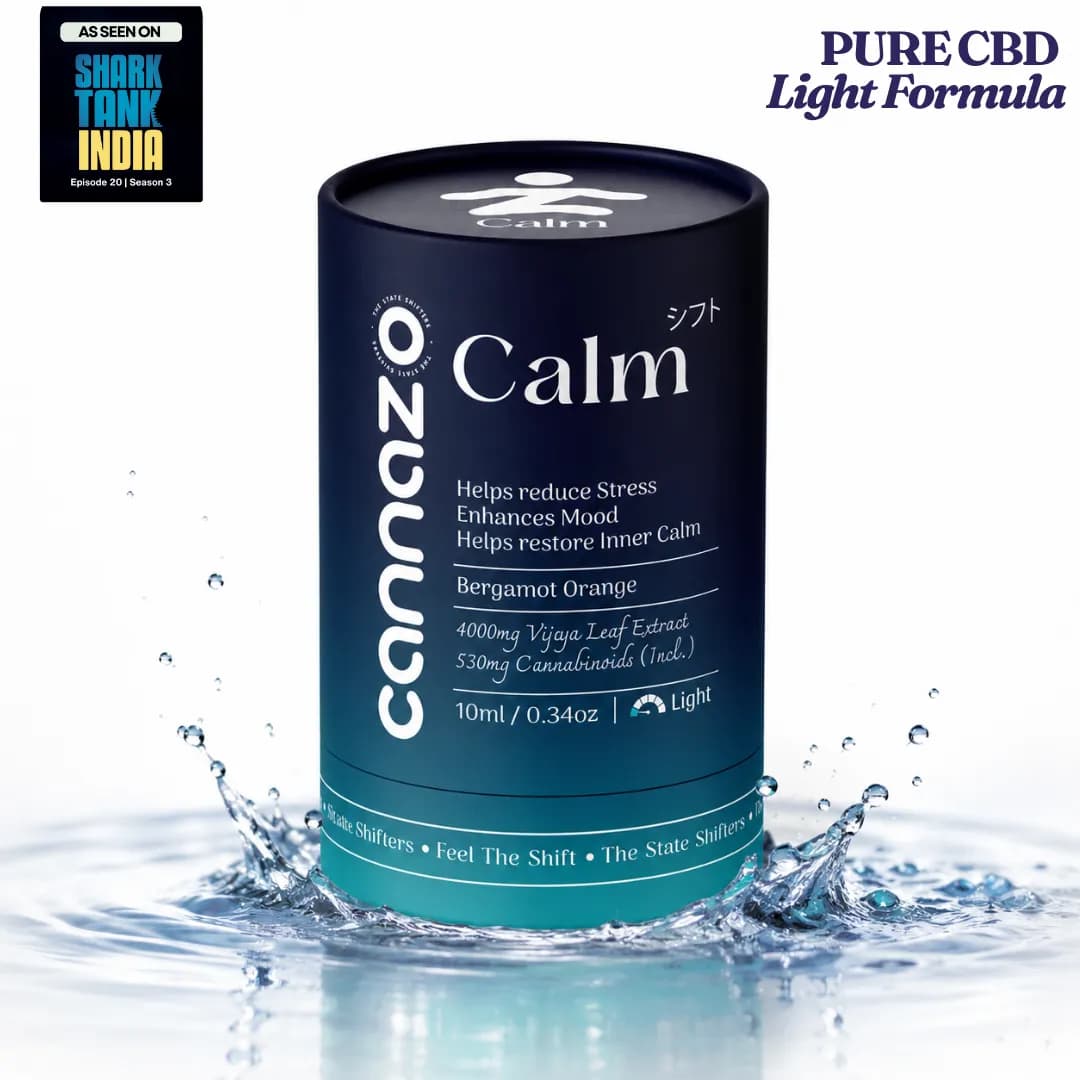
For beginners, standardized oils like Calm Drops 4000mg for Stress and Anxiety offer easier dosing and palatability. Experienced users seeking maximum potency and cost-effectiveness may prefer paste formulations. Those prioritizing convenience often choose Uplift Gummies for Chronic Pain.
Future Directions: Research and Product Development in India
The Indian cannabis medicine sector is experiencing renewed interest as global research validates traditional Ayurvedic claims and regulatory frameworks gradually evolve.
Emerging Research Areas
- Standardization protocols: Developing quality standards specific to Ayurvedic cannabis preparations
- Clinical trials: Indian medical institutions are beginning to conduct formal studies on traditional Vijaya formulations
- Cultivation research: Identifying optimal cannabis cultivars for specific therapeutic applications
- Pharmacokinetics: Understanding absorption and metabolism patterns in diverse Indian populations
Product Innovation
Manufacturers are developing new formulations that bridge traditional wisdom and modern convenience:
- Nano-emulsion pastes for enhanced bioavailability
- Standardized paste with precise cannabinoid ratios
- Combination products featuring Vijaya paste with complementary Ayurvedic herbs
- Water-soluble paste formulations for beverage incorporation
Regulatory Evolution
Several states are working to establish clearer frameworks for Ayurvedic cannabis medicine, potentially including:
- Simplified licensing processes for traditional medicine manufacturers
- Quality standards for cannabinoid testing and labeling
- Practitioner training and certification programs
- Integration with existing healthcare systems
Staying informed about these developments helps consumers make educated choices. Our FAQ section addresses common questions about Vijaya products, and our membership program provides early access to new products and educational resources.
Frequently Asked Questions About Vijaya Extract Paste
What is the difference between Vijaya extract paste and bhang?
Bhang is a traditional preparation using fresh or dried cannabis leaves ground with spices and water to create a beverage or paste. Vijaya extract paste is a concentrated extract containing high levels of cannabinoids (20-80%), while traditional bhang typically contains 2-5% cannabinoids. Extract paste requires much smaller doses, offers more precise dosing, and has longer shelf life. However, traditional bhang preparations maintain cultural and spiritual significance in Ayurvedic practice and include complementary herbs that may enhance therapeutic effects through the anupana principle.
Can I use Vijaya extract paste for cooking or making edibles?
Yes, Vijaya extract paste can be incorporated into food preparations, which is a traditional Ayurvedic method. For optimal results, mix the paste with fatty substances like ghee, coconut oil, or nut butters, as cannabinoids are fat-soluble. Avoid heating above 160°C (320°F) to prevent cannabinoid degradation. When consumed orally with food, onset time increases to 45-90 minutes but duration extends to 6-10 hours. Start with lower doses than sublingual use since oral consumption has different bioavailability. Consult with an Ayurvedic practitioner for personalized guidance on incorporating paste into your diet.
How do I measure Vijaya extract paste doses accurately?
For precise measurement, use a small digital scale that measures to 0.01 grams (10mg resolution). A "rice grain" sized amount typically weighs 15-25mg; for 50% concentration paste, this delivers 7.5-12.5mg cannabinoids. Alternatively, mark a toothpick or clean applicator at a consistent depth for approximate measurements. Some manufacturers provide dosing tools with their products. The dosage calculator helps convert paste weight to cannabinoid amounts based on labeled concentration. Many users find it helpful to start with very small amounts (literally a grain of rice) and gradually increase until desired effects are achieved, tracking doses in a journal.
Is Vijaya extract paste legal to purchase online in India?
The legality of purchasing Vijaya extract paste online in India depends on multiple factors including your state's regulations, the product's cannabinoid profile, and whether it's classified as an Ayurvedic medicine. Products made under state Ayurvedic manufacturing licenses may be legally sold, but the Drugs Rules, 1945, specifically Rule 161(2), requires supervision by a registered medical practitioner for dispensing. Hemp-derived products with minimal THC may fall under different regulations. Each state's excise department has jurisdiction over cannabis product sales within its borders, creating significant regional variation. Consult with our registered Ayurvedic practitioners who can provide guidance specific to your location and help ensure compliant access to appropriate products.
How long does Vijaya extract paste remain effective after opening?
When stored properly in a cool, dark place in an airtight container, opened Vijaya extract paste typically maintains potency for 6-12 months. Refrigeration can extend this to 12-18 months. Cannabinoid degradation accelerates with exposure to light, heat, air, and humidity. Signs of reduced potency include darker color, changes in consistency, reduced effectiveness at your usual dose, or off odors. To maximize shelf life, minimize air exposure by keeping containers tightly sealed, use clean utensils for each serving to avoid contamination, store away from heat sources and direct sunlight, and consider refrigeration for long-term storage. Some users divide larger quantities into smaller containers to reduce frequent opening of the main supply.
Sources & References
- Gallily, R., Yekhtin, Z., & Hanuš, L. O. (2015). Overcoming the Bell-Shaped Dose-Response of Cannabidiol by Using Cannabis Extract Enriched in Cannabidiol. Pharmacology & Pharmacy, 6(02), 75-85. [Demonstrated superior anti-inflammatory effects of full-spectrum CBD extracts versus isolated CBD]
- Pamplona, F. A., da Silva, L. R., & Coan, A. C. (2018). Potential Clinical Benefits of CBD-Rich Cannabis Extracts Over Purified CBD in Treatment-Resistant Epilepsy: Observational Data Meta-analysis. Frontiers in Neurology, 9, 759. [Found CBD-rich extracts effective at lower doses with fewer side effects than pure CBD for epilepsy]
- Shannon, S., Lewis, N., Lee, H., & Hughes, S. (2019). Cannabidiol in Anxiety and Sleep: A Large Case Series. The Permanente Journal, 23, 18-041. [103-patient study showing 66.7% sleep improvement within first month of cannabis treatment]
- Crippa, J. A., Derenusson, G. N., Ferrari, T. B., et al. (2011). Neural basis of anxiolytic effects of cannabidiol (CBD) in generalized social anxiety disorder: a preliminary report. Neuropsychopharmacology, 36(6), 1219-1226. [Demonstrated CBD reduced anxiety in social anxiety disorder during public speaking test]
- Williams, C. M., Rogers, P. J., & Kirkham, T. C. (2001). Hyperphagia in pre-fed rats following oral Δ9-THC. Pharmacology Biochemistry and Behavior, 70(4), 539-551. [Showed THC increased caloric intake by approximately 40% in healthy volunteers]
- Nagarkatti, P., Pandey, R., Rieder, S. A., Hegde, V. L., & Nagarkatti, M. (2009). Cannabinoids as novel anti-inflammatory drugs. Future Medicinal Chemistry, 1(7), 1333-1349. [Comprehensive review of cannabis anti-inflammatory mechanisms]
- Atalay, S., Jarocka-Karpowicz, I., & Skrzydlewska, E. (2020). Antioxidative and Anti-Inflammatory Properties of Cannabidiol. Antioxidants, 9(1), 21. [Examined CBD effects on immune function and inflammatory pathways]
- Grotenhermen, F. (2003). Pharmacokinetics and pharmacodynamics of cannabinoids. Clinical Pharmacokinetics, 42(4), 327-360. [Foundational review of cannabis absorption, metabolism, and duration]
- MacCallum, C. A., & Russo, E. B. (2018). Practical considerations in medical cannabis administration and dosing. European Journal of Internal Medicine, 49, 12-19. [Clinical guidance on cannabis dosing principles including "start low, go slow"]
- Russo, E. B. (2019). The Case for the Entourage Effect and Conventional Breeding of Clinical Cannabis: No "Strain," No Gain. Frontiers in Plant Science, 9, 1969. [Comprehensive examination of whole-plant synergy versus isolated cannabinoids]
- Patwardhan, B., Warude, D., Pushpangadan, P., & Bhatt, N. (2005). Ayurveda and traditional Chinese medicine: a comparative overview. Evidence-Based Complementary and Alternative Medicine, 2(4), 465-473. [Contextual review of traditional medicine systems including cannabis use]
- Zuardi, A. W. (2008). Cannabidiol: from an inactive cannabinoid to a drug with wide spectrum of action. Brazilian Journal of Psychiatry, 30(3), 271-280. [Historical and pharmacological review of CBD's therapeutic applications]
Ready to explore Vijaya extract paste and other authentic cannabis-based Ayurvedic products? Browse our curated Vijaya & Medical Cannabis collection for quality-vetted options, use our dosage calculator for personalized guidance, or book a consultation with our panel of registered Ayurvedic practitioners. Join our membership program for exclusive access to educational resources, new product launches, and special wellness discounts.
Share this article
Written by
THC Store Editorial
Published 4 hours ago