How to Eat Hemp Seeds: Cereal, Smoothie Bowls, Yoghurt and Flour
Article Summary
To eat hemp seeds, use the shelled seed (hemp hearts) as it comes: no cooking is needed, and the simplest way is to stir a spoonful into breakfast cereal, a smoothie bowl or yoghurt. Ground into flour, the same seed goes into bread, muffins and prote...
To eat hemp seeds, use the shelled seed (hemp hearts) as it comes: no cooking is needed, and the simplest way is to stir a spoonful into breakfast cereal, a smoothie bowl or yoghurt. Ground into flour, the same seed goes into bread, muffins and protein bars as a gluten-free option. If you are still choosing what to buy, the hemp seeds collection lists the shelled seeds, powders and other forms.
Disclaimer: This article is for informational purposes only and does not constitute medical advice. Always consult a qualified healthcare professional before starting any new supplement or treatment. Cannabis-based products may require a prescription in India under NDPS Act regulations. Book a consultation with our panel doctors for personalized guidance.
How to eat hemp seeds
Hemp seeds are eaten in two main forms: as whole shelled seeds added to food, and as flour or powder used in cooking and baking. A review of hempseed in the diet describes hemp seed ingredients being added to breakfast cereals, smoothie bowls and yoghurt products.[1] The same review says hempseed flour can be used in baking bread, muffins and protein bars, as a gluten-free alternative.[1]
The sections below take each way of eating them in turn, then cover nutrition, allergies, the law and how to choose a pack.
Eating hemp seeds raw: cereal, smoothie bowls and yoghurt
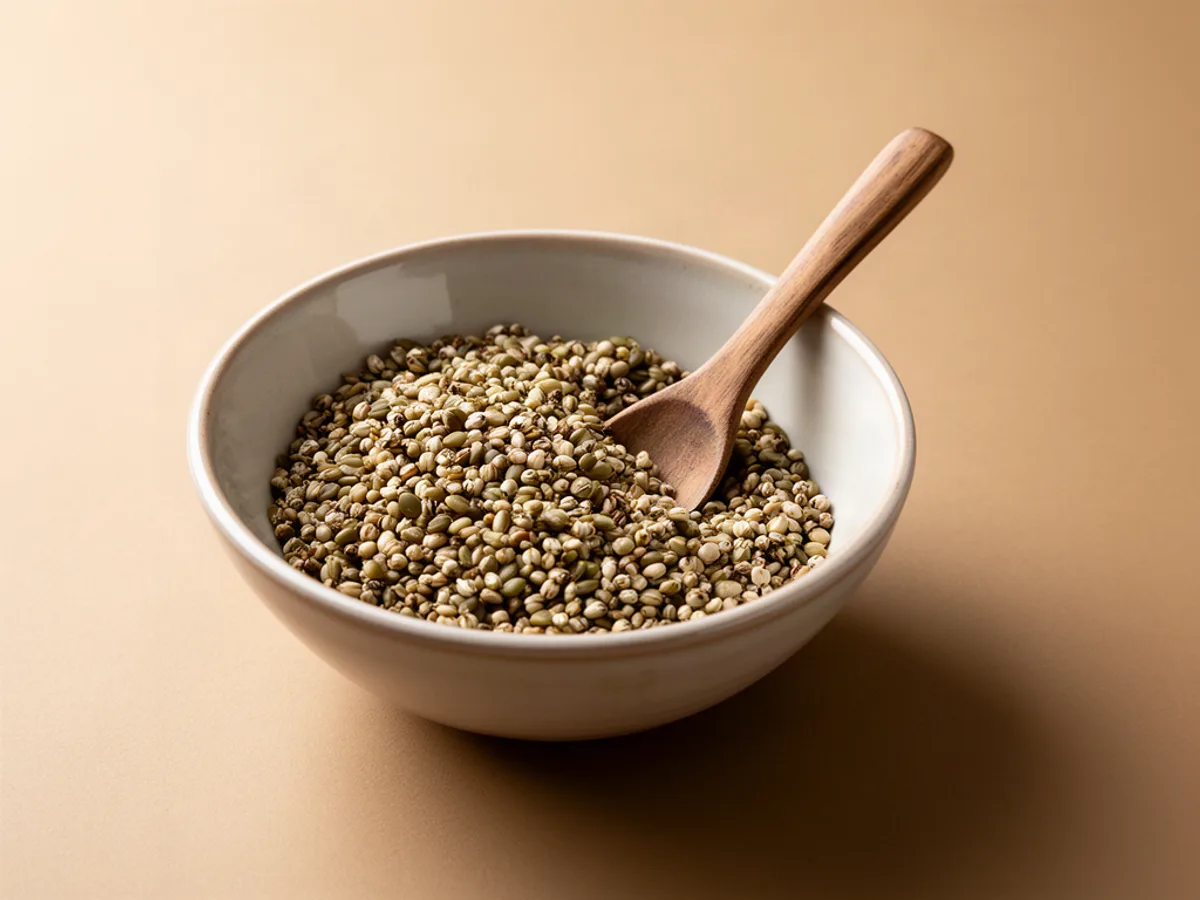
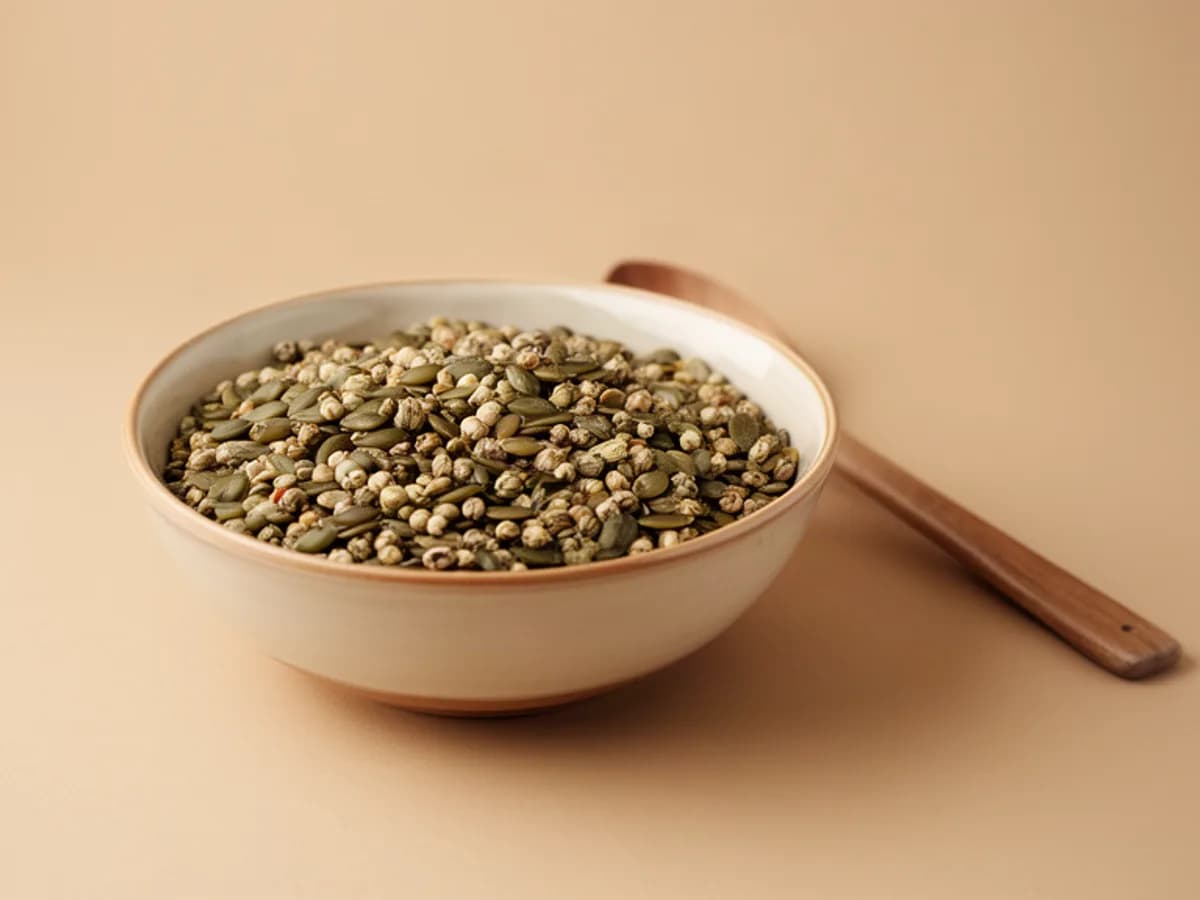
Hemp hearts can be eaten raw, straight from the pack, because the hard outer shell has already been removed. What is left is soft, mild and slightly nutty, so it sits well on top of food or stirred through it.
Breakfast cereal, smoothie bowls and yoghurt are the uses the hempseed review names, where the seed is an ingredient added to the dish rather than the dish itself.[1] In an Indian kitchen that translates easily:
- Stirred into a bowl of curd or dahi, plain or with fruit.
- Sprinkled over poha or upma once it is off the stove.
- Blended into a fruit smoothie or a lassi.
- Scattered over oats, muesli or cornflakes.
- Mixed into raita or sprinkled over a salad or chaat.
Add the seeds after cooking where you can. Stirring them in at the table keeps their soft bite and saves you thinking about heat at all.
Start with a small spoonful and see how you like the taste and texture before using more. Hemp hearts do not need soaking; grinding them is optional and only useful if you want them to vanish into a drink or chutney.
Using hemp seed flour and powder in baking
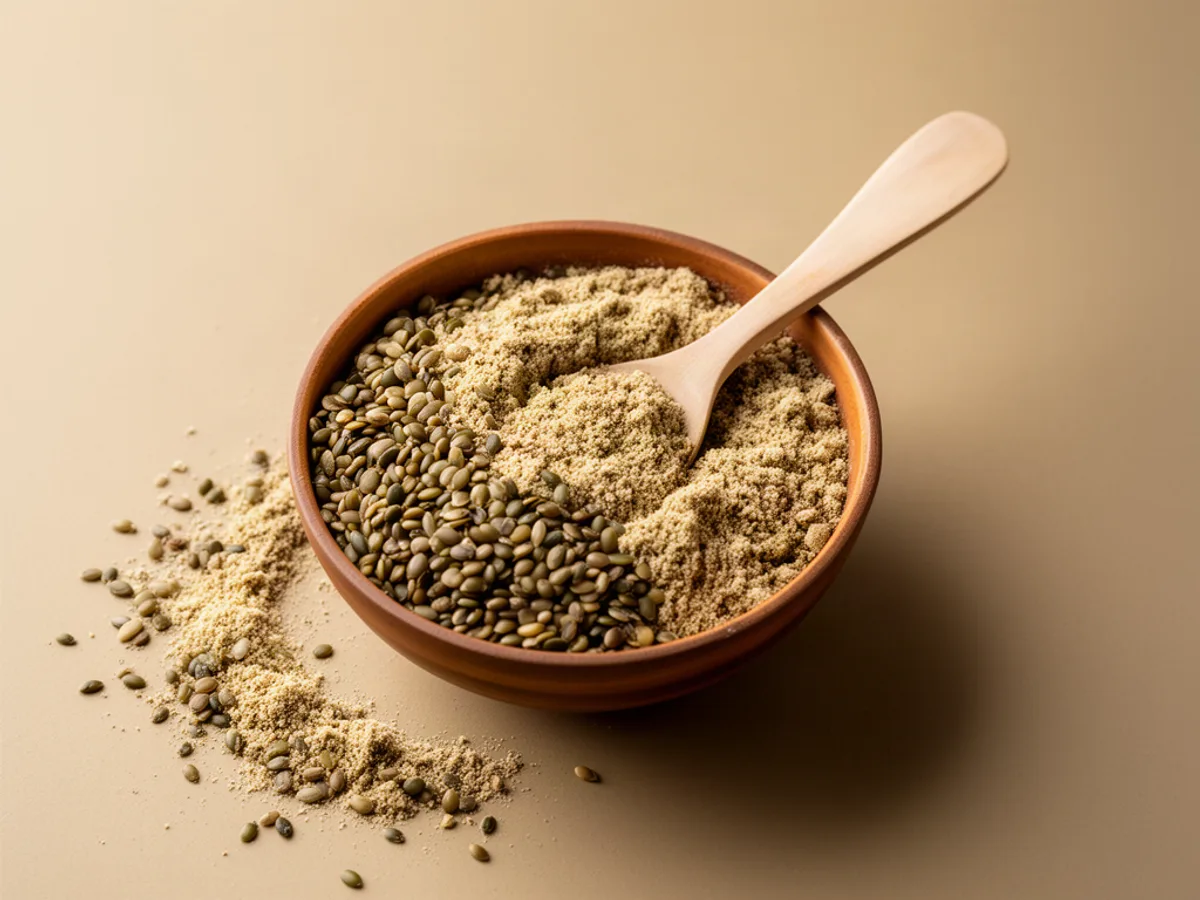
Hemp seed flour is ground hemp seed used in baked foods, and the hempseed review lists bread, muffins and protein bars as uses, describing it as a gluten-free alternative.[1] If you avoid gluten for health reasons, still read the pack for any note about shared processing with wheat.
Hemp flour is usually mixed with other flours rather than used on its own, because it does not behave like wheat flour in a dough. Home bakers often start by replacing a small part of their usual flour in rotis, parathas, cheela batter or muffins, and adjust from there.
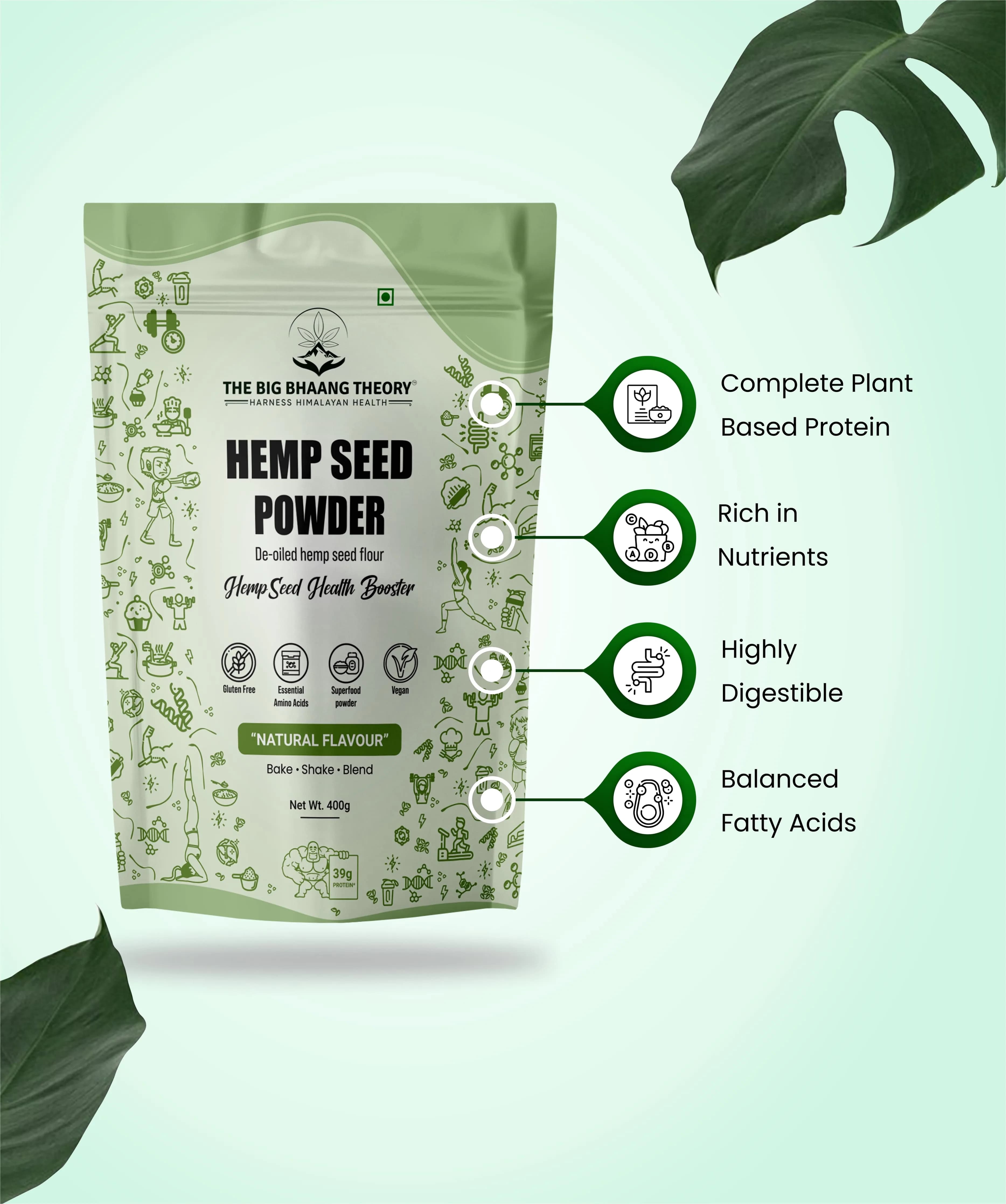
Ready-made powder is the easiest form if you do not want to grind seeds yourself. A product such as The Big Bhaang Theory natural hemp seed powder is a plain ground seed that can be stirred into drinks, batters or dough.
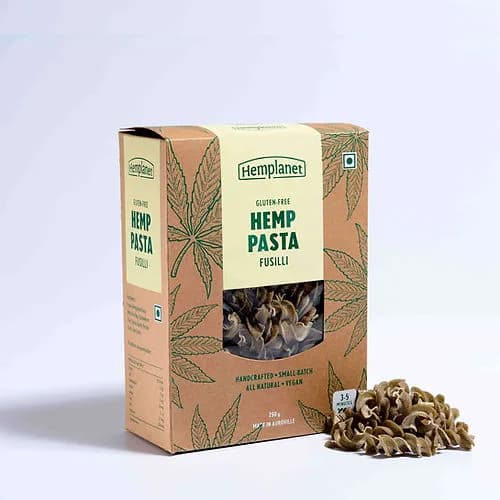
For people who would rather not bake, ready-to-use foods also exist, such as hemp seed salt blends for sprinkling and pasta made with hemp, for example Hemplanet gluten-free hemp fusilli, which is cooked like any other pasta.
What hemp seeds give you nutritionally
Hemp seeds are a food that supplies protein, fats and minerals. A review of hemp in vegetarian nutrition describes hemp seed and its derivatives as a valuable source of protein, essential fatty acids and minerals.[2] That makes the seed a useful addition for the many people in India who eat a vegetarian diet.
The balance of fats in hemp seed holds up when the seed is turned into other foods. A food-composition study found the omega-6 to omega-3 ratio in hemp seed-based foods was between 3:1 and 4:1 and was not altered by food processing.[3] In practical terms, flour and other products made from the seed keep the same fat balance as the whole seed.
This is nutrition information about a food, not a promise of any health result. For the protein side in more detail, our guide to hemp protein powder and its nutrition covers it.
Allergies and who should check first
Hemp seed can be an allergen for some people, so anyone with a known seed or nut allergy should check with a doctor before eating it. If you notice itching, swelling, a rash or stomach upset after eating hemp seeds, stop and speak to a doctor.
Processing may change this for flour, but the evidence is thin. A hempseed review notes that the thermal processing and proteolysis (breaking proteins down) used to make commercial hempseed flour can reduce its allergenicity, while also saying more research is needed.[1] Processed hemp flour should not be assumed safe for someone with an allergy.
If you are pregnant, take regular medicines or have an ongoing medical condition, ask your doctor before making hemp seeds a regular part of your diet.
Are hemp seeds the same as ganja under Indian law?
Hemp seeds are not the same as ganja under India's central narcotics law. Under Section 2 of the NDPS Act, 1985, ganja means the flowering or fruiting tops of the cannabis plant, and the definition excludes seeds and leaves when they are not accompanied by the tops.[4]
That definition is only one part of the picture. Hemp seed sold as food also falls under India's food safety rules, and each state's excise law decides the rest, so what applies can differ from state to state.
Last reviewed: 23 November 2026. General information, not legal advice.
Choosing hemp seeds to eat
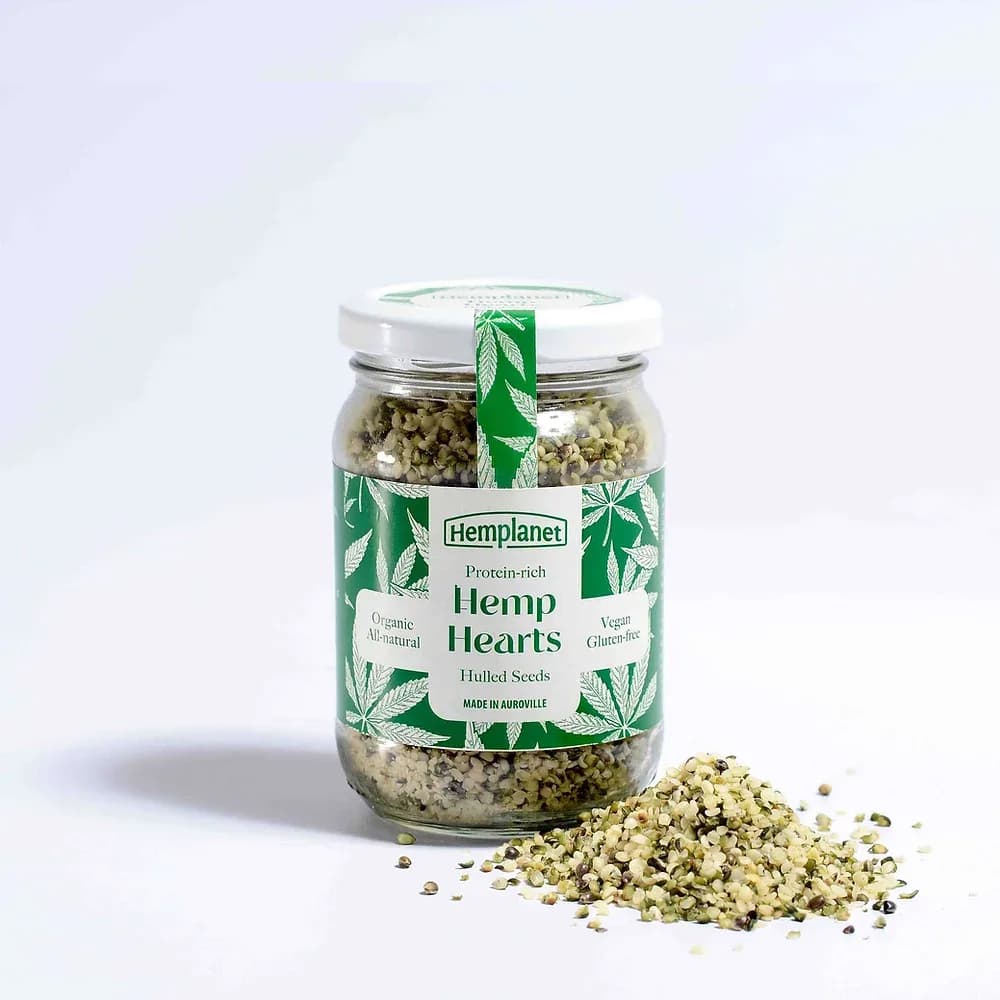
Choose a pack labelled as shelled hemp seeds or hemp hearts meant for eating, and not an oil, cream or other non-food item that happens to sit on the same shelf. The hemp seeds collection lets you compare packs side by side; Hemplanet hemp hearts are one example of the shelled seed. Hemp seed foods usually sell for around ₹300–₹850.
Before you buy and once the pack is home, check these points:
- The ingredients list says hemp seed or hemp hearts, with nothing unexpected added.
- The pack shows a manufacturing date, a best-before date and storage instructions.
- Once opened, the seeds go into an airtight jar kept away from heat and sunlight.
- Seeds that smell bitter, sharp or like old paint have gone stale and are best thrown away.
Seeds rich in oil turn stale faster in warm kitchens, so many people keep an opened pack in the fridge. For more on the seed itself, including its local names, read about hemp seeds in Tamil or hemp hearts in Hindi.
?Frequently Asked Questions
Can I eat hemp seeds raw?
How do I eat hemp seeds for breakfast?
Can I add hemp seeds to smoothies and curd?
Is hemp seed flour gluten-free?
Do I need to soak or grind hemp seeds before eating them?
Are hemp seeds the same as ganja or bhang?
Can someone with a nut or seed allergy eat hemp seeds?
Sources
Share this article
Written by
THC Store Editorial
Published 3 hours ago