Hemp Oil vs CBD Oil: What Each Is and How They Differ
THC Store EditorialPublished November 24, 20268 min read
Article Summary
Hemp oil and CBD oil are not the same product, and each one is made for a different purpose. Hemp oil usually means hemp seed oil, a food oil pressed from the seeds and sold alongside other seed foods in our hemp nutrition range , while CBD oil is a ...
Hemp oil and CBD oil are not the same product, and each one is made for a different purpose. Hemp oil usually means hemp seed oil, a food oil pressed from the seeds and sold alongside other seed foods in our hemp nutrition range, while CBD oil is a plant extract made to deliver cannabidiol (CBD), a compound from the cannabis plant. The two differ in what they contain and how they are judged, so the ingredient list, not the front label, tells you which one you have.
Disclaimer: This article is for informational purposes only and does not constitute medical advice. Always consult a qualified healthcare professional before starting any new supplement or treatment. Cannabis-based products may require a prescription in India under NDPS Act regulations. Book a consultation with our panel doctors for personalized guidance.
Hemp oil vs CBD oil: the short answer
Hemp oil and CBD oil are two different products that share a plant. Hemp seed oil is pressed from the seeds and is valued as a fat. CBD oil is an extract of the plant, usually mixed into a carrier oil, and is valued for how much cannabidiol it holds.
Because of this, the two are judged on different things. A hemp seed oil is judged on its fatty-acid make-up and how fresh it is. A CBD oil is judged on its stated cannabidiol content and whether a test report backs that figure.
The words "hemp oil" on a label can mean either product. Some sellers use the phrase for seed oil and others for an extract, which is why the ingredient line matters more than the product name.
What hemp seed oil is and what is in it
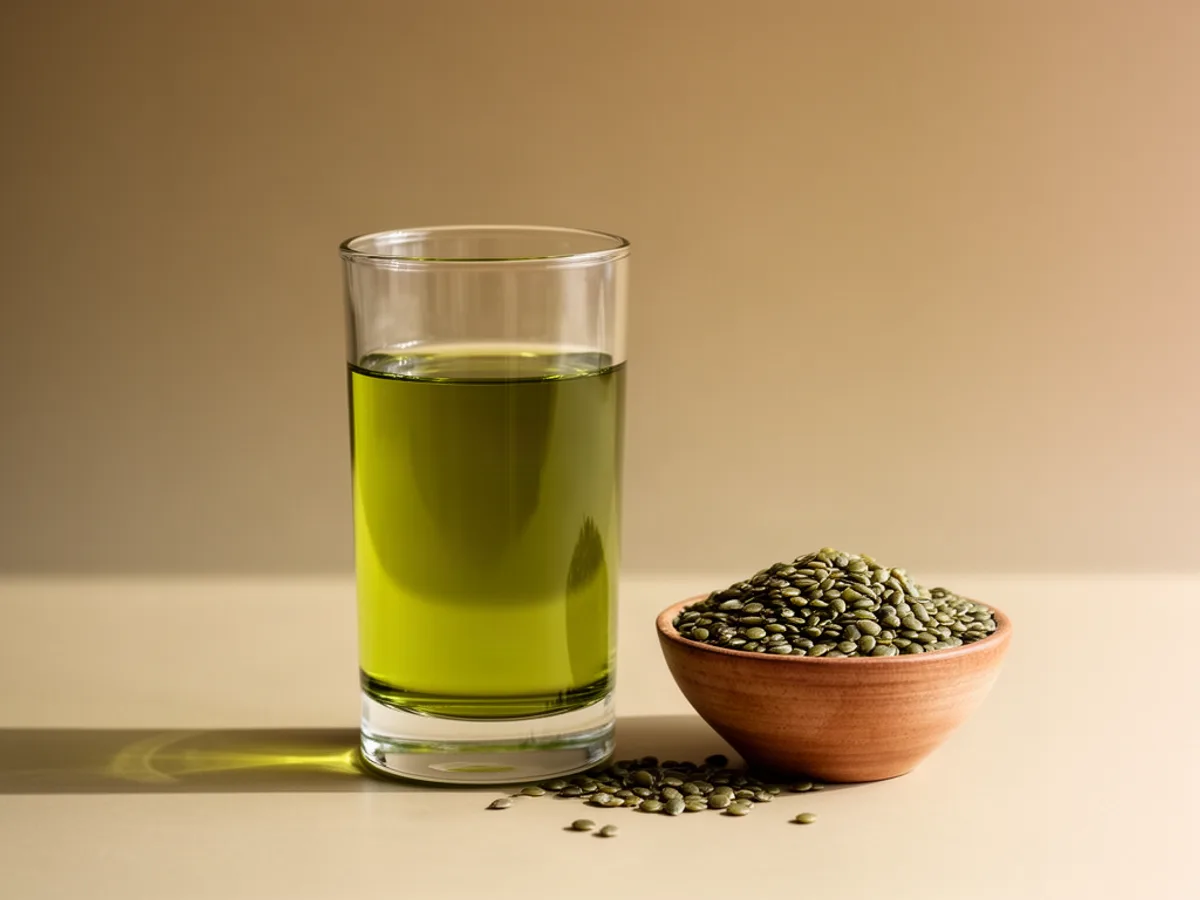
Hemp seed oil is the oil pressed from hemp seeds, used as a food oil and in skin and hair products. It is usually green to yellow-green when unrefined and has a nutty, grassy taste. In India it is mostly drizzled over salads, chutneys or cooked dishes after cooking rather than used for frying, because heat breaks down its delicate fats.
Hemp seed oil is mostly made of polyunsaturated fatty acids. One study of hemp seed oil and its emulsions reports linoleic acid at about 55 wt % and alpha-linolenic acid at about 20 wt %.[1] A separate chemical analysis of hemp seed oil found linoleic acid (55%), alpha-linolenic acid (16%) and oleic acid (11%) to be the most abundant fatty acids.[2]
These results agree on linoleic acid but give different values for alpha-linolenic acid, so read that figure as a range that varies by seed and batch rather than a fixed number. Linoleic acid is an omega-6 fat and alpha-linolenic acid is an omega-3 fat; both are called essential because the body cannot make them.
Hemp seed oil is not sold for cannabidiol. Its value is as a fat, so quality comes down to freshness and handling. When choosing one, look for:
- unrefined or cold-pressed oil, which means it was pressed without high heat;
- a pressing date or a best-before date;
- a dark glass bottle, which slows the oil going rancid;
- storage advice, usually a cool, dark place or the fridge once opened.
For the other ways the seed is used in Indian kitchens, read our guide to hemp seed uses in India, from food and oil to flour.
What CBD oil is and how it differs
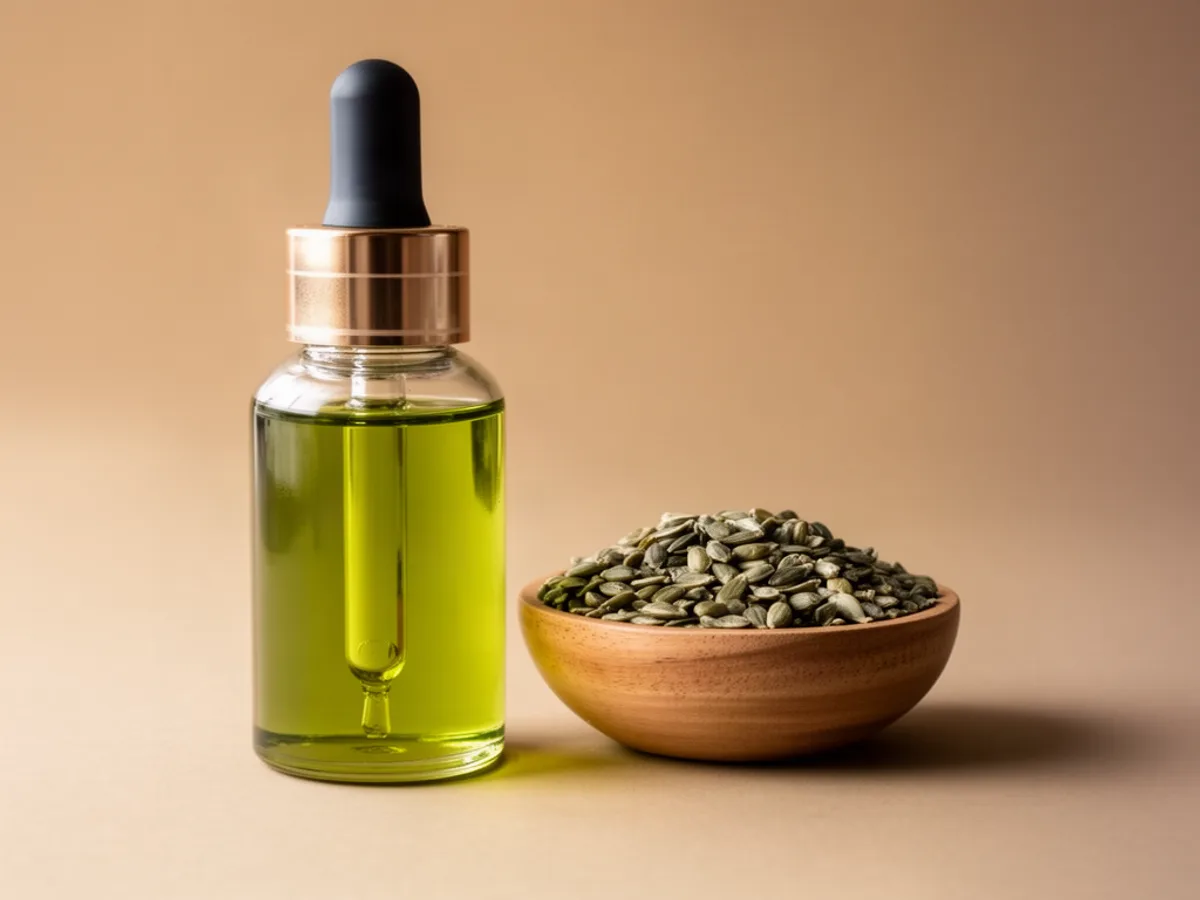
CBD oil is an extract of the cannabis plant, usually diluted in a carrier oil, and is sold for its cannabidiol content, which the label shows in milligrams per bottle. The extract comes from the plant's aerial parts rather than from pressing the seed.
The carrier oil in a CBD product is sometimes hemp seed oil. That is one reason labels confuse people: a bottle can honestly list hemp seed oil and still be a CBD product, because the cannabidiol comes from the extract added to it.
CBD oils come in three main types, which differ in what else from the plant is left in the extract:
- Full spectrum: the extract keeps most of the plant's other compounds alongside CBD.
- Broad spectrum: the extract keeps many of those compounds but has had THC, the compound behind the high, removed.
- Isolate: the extract is CBD on its own, with the other plant compounds removed.
The label and the batch test report should say which type a product is. You can compare examples in our CBD oil collection, and our guide to the science and use of CBD oil in India covers how people use it.
| Hemp seed oil | CBD oil | |
|---|---|---|
| Made from | Seeds, pressed | Plant extract in a carrier oil |
| Main content | Fatty acids | Cannabidiol |
| Judged on | Fat profile, pressing method, freshness | Stated CBD content, type, batch test report |
| Usual use | Food oil, skin and hair products | Measured drops of an extract |
| Store shelf | Hemp nutrition | CBD oils |
What is known about CBD and its side effects
CBD on its own is not considered a drug of abuse by the World Health Organization's expert committee. The WHO Expert Committee on Drug Dependence recommended that preparations considered to be pure cannabidiol not be placed under international drug control, as the substance was not found to have psychoactive properties and presents no potential for abuse or dependence.[3]
That recommendation covers preparations considered to be pure CBD, not every bottle on a shelf.[3] It says nothing about what a particular product actually contains, which only its label and test report can show.
CBD does have reported adverse effects in people. A review of the safety of non-pharmaceutical CBD products reports changes in appetite, gastrointestinal discomfort, fatigue and raised liver enzyme readings in humans.[4]
A meta-analysis of randomized clinical trials found that, once studies in children with a seizure disorder were set aside, the only adverse outcome linked with CBD was diarrhoea.[5] In that meta-analysis, the links with abnormal liver tests and sleepiness were limited to those children's studies, where CBD may have interacted with other medicines the children were taking.[5]
Anyone on prescribed medicines, pregnant, or with a liver concern should speak to a doctor before using CBD. Neither hemp seed oil nor CBD oil should be used in place of medical care.
How Indian rules read each one
The central law reads seed products and plant extracts differently; each state's excise law decides the rest, so what follows is the central position only and not a promise about any product.
Under the NDPS Act, 1985, "cannabis (hemp)" covers charas, the resin, and ganja, the flowering or fruiting tops, and ganja is defined to exclude the seeds and leaves when they are not accompanied by the tops.[6] This is why products made from seed, such as hemp seed oil, are read differently from products made from the plant's tops.
The NDPS Act, 1985 defines "medicinal cannabis" as any extract or tincture of cannabis (hemp).[7] That definition is the category an extract-based oil is read against, which is a different starting point from a seed oil.
Hemp seed, hemp seed oil and hemp seed flour are the hemp products sold in India as foods. A plant extract is not one of them, and India has no single THC percentage threshold that turns an extract into a food.
Medicines made from cannabis leaf carry their own labelling rule. Rule 161(2) of the Drugs and Cosmetics Rules, 1945 requires the container of an internal-use medicine made from a Schedule E(1) substance to carry the caution "to be taken under medical supervision" in both English and Hindi.[8] That wording comes from the Drugs Rules, not from the NDPS Act.[8]
For a cannabis-based Ayurvedic medicine, the person to ask is a registered Ayurvedic practitioner, and the product should be made under a state Ayurvedic manufacturing licence. Our guide to Ayurvedic Vijaya extracts explains how these medicines are prepared and labelled.
Last reviewed: 24 November 2026. General information, not legal advice.
What to check on a label before choosing
The ingredient line is the first thing to check on any hemp or CBD label. "Hemp seed oil" or "Cannabis sativa seed oil" means the food or skin oil. "Cannabidiol", "CBD" or "extract" next to a milligram figure means the extract.
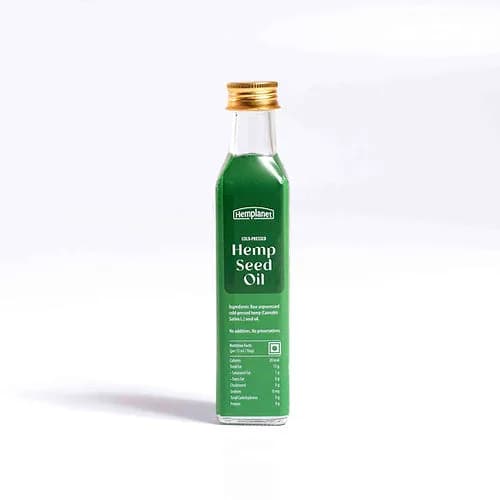
A bottle that says only "hemp oil", with no ingredient detail, is a reason to ask the seller for more information before using it. Two labels from our own shelves show the difference: the Broad Spectrum CBD Oil is an extract label that states its CBD content, while the Hemplanet Hemp Seed Oil is a food oil sold by weight.
For a CBD oil, look for:
- the milligrams of CBD in the whole bottle;
- the type: full spectrum, broad spectrum or isolate;
- the carrier oil it is mixed into;
- a batch test report that matches the batch number on the bottle.
For a hemp seed oil, look for:
- the pressing method, ideally cold-pressed;
- a pressing or best-before date;
- storage advice, since it is a food fat and freshness matters.
Do not look for a CBD milligram figure on a hemp seed oil, or judge a CBD oil by its fatty acids. The two numbers answer different questions, and reading one product by the other's measure is how most of the confusion between them starts.
?Frequently Asked Questions
Is hemp oil the same as CBD oil?
Does hemp seed oil contain CBD?
Which is better, hemp oil or CBD oil?
Can hemp seed oil make you feel drowsy or affect your reactions like CBD?
What are the side effects of CBD oil?
Is hemp oil the same as hemp seed oil?
Hemp oil aur CBD oil mein kya fark hai?
Sources
Share this article
Written by
THC Store Editorial
Published 3 hours ago