Sleep Gummies Side Effects: Melatonin, CBD and Label Accuracy
THC Store EditorialPublished November 24, 20266 min read
Article Summary
Sleep gummies side effects depend on the ingredient, and most sleep gummies, like many in our edibles and gummies collection , contain melatonin, CBD or both. Melatonin most often causes daytime sleepiness and sleep changes, and headache, dizziness a...
Sleep gummies side effects depend on the ingredient, and most sleep gummies, like many in our edibles and gummies collection, contain melatonin, CBD or both. Melatonin most often causes daytime sleepiness and sleep changes, and headache, dizziness and stomach upset are also reported.[1] CBD is usually well tolerated but can cause drowsiness, tiredness or an upset stomach, and both ingredients can interact with other medicines. Label accuracy is a safety point too, because laboratory tests of gummies have found melatonin amounts very different from the printed figure.[2]
Disclaimer: This article is for informational purposes only and does not constitute medical advice. Always consult a qualified healthcare professional before starting any new supplement or treatment. Cannabis-based products may require a prescription in India under NDPS Act regulations. Book a consultation with our panel doctors for personalized guidance.
Sleep gummies side effects in short
Sleep gummies are chewable sweets that carry a sleep ingredient, almost always melatonin, CBD (cannabidiol, a compound from the hemp plant) or a mix of the two, and the unwanted effects follow the ingredient. The table sets the two side by side.
| What to know | Melatonin gummies | CBD gummies |
|---|---|---|
| Most common effects | Daytime sleepiness and sleep changes[1] | Diarrhoea, fatigue, vomiting and drowsiness reported in human studies[3] |
| Overall picture | Headache, dizziness and stomach upset also reported[1] | Well tolerated in randomised trials, with relatively few serious adverse effects[4] |
| Medicine interactions | Medicines and supplements that slow blood clotting, alter immune function, lower blood pressure or act against seizures[5] | Interactions with other medicines should be monitored carefully[4] |
| Label accuracy in one analysis | Measured 74% to 347% of the labelled amount[2] | Measured 104% to 118% of the labelled amount[2] |
A gummy that combines the two ingredients brings both sets of effects, and drowsiness from each one adds up.
Melatonin gummy side effects
Melatonin gummies most often cause daytime sleepiness and changes in sleep, according to GoodRx.[1] GoodRx also lists headache, dizziness and stomach upset among the reported effects.[1]
The Sleep Foundation says research shows that extended-release products and higher doses of melatonin are more likely to cause unwanted effects.[5] The Sleep Foundation also notes that there is currently no data on the long-term consequences of using melatonin.[5]
Feeling groggy the morning after is the clearest sign that a melatonin gummy does not suit you, or that the amount is more than you need. A gummy is not a milder form of melatonin because it tastes like a sweet; the active ingredient is the same as in a tablet.
CBD sleep gummy side effects
CBD sleep gummies are generally well tolerated: a systematic review and meta-analysis of randomised trials concluded that CBD has relatively few serious adverse effects.[4]
CBD is not risk-free, though. A toxicity review in Current Neuropharmacology notes that human studies of CBD reported diarrhoea, fatigue, vomiting and somnolence, the medical word for drowsiness.[3]
Drowsiness is the effect that matters most in a sleep gummy, so do not drive or operate machinery after taking one.
Both reviews flag medicine interactions. The meta-analysis says interactions with other medications should be monitored carefully.[4] The toxicity review lists drug-drug interactions among the problems reported in human studies.[3]
These reviews looked at CBD in general, not at any particular gummy, so what a given gummy holds depends on its maker and its label. If you are unsure how CBD products differ from hemp seed products, our guide to how hemp oil and CBD oil differ sets out what each one is.
Can you trust the label on a sleep gummy?
The label on a melatonin sleep gummy cannot always be trusted: in a JAMA analysis of 25 melatonin gummy products, the measured melatonin ranged from 74% to 347% of the amount on the label.[2] In the same study, the CBD in the gummies that contained it measured 104% to 118% of the labelled amount.[2]
Label accuracy is a safety matter because unwanted effects of melatonin are more likely at higher doses, so a gummy holding more than its label states can bring more next-day drowsiness or stomach upset than you expect.[5]
Before trusting the number on a sleep gummy, check for these:
- A batch-specific certificate of analysis, which is a lab report for that production batch, from an independent lab.
- The amount of each active ingredient per gummy, not only per pack.
- A full ingredient list, including any melatonin, added herbs and sugar.
- The maker's name, a batch number and an expiry date that match the lab report.
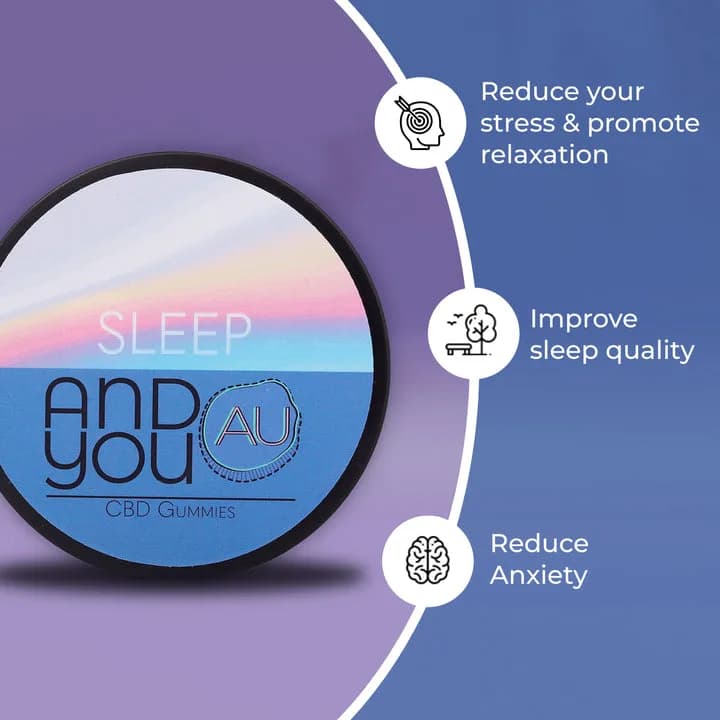
Combination gummies need extra care, because they put two ingredients that can each cause drowsiness into one sweet. Sleep&U gummies from And You are an example of a gummy that combines CBD and melatonin, while PolyHerbs SLEEP Strong CBD Gummies are a CBD gummy sold for sleep. For any gummy of this kind, read the per-gummy amounts on the label and the lab report before the first one.
Who should be careful with sleep gummies
People who take other medicines should be most careful with sleep gummies, because melatonin gummies can affect medicines and supplements that slow blood clotting, alter immune function, lower blood pressure or act against seizures.[5] CBD can interact with other medicines as well, and the meta-analysis of randomised trials advises monitoring those interactions carefully.[4]
Ask a doctor before using a sleep gummy if any of these apply:
- You take regular medicines, especially blood thinners, blood-pressure medicines, medicines that act on the immune system or anti-seizure medicines.
- You are pregnant or breastfeeding.
- The gummy is meant for a child.
- You need to be alert soon after taking it, for example before driving or a night shift.
- You already take another sleep product or drink alcohol in the evening.
Keep sleep gummies out of children's reach, since they look and taste like ordinary sweets.
Questions to ask a doctor or Ayurvedic practitioner
Anyone who takes regular medicines should ask a doctor or a registered Ayurvedic practitioner before starting a sleep gummy, and should bring the product's ingredient list and the amount per gummy. You can book a consultation with one of our panel doctors if you do not have someone to ask.
Useful questions to take to the appointment:
- Can melatonin or CBD interact with anything I take now?
- Is the amount in one gummy suitable for me, or should I start with less?
- How long is it reasonable to keep taking it?
- Does my trouble sleeping need its own check-up?
Whether poor sleep needs medical attention is a question for a doctor, and a gummy cannot settle it. Stop taking a gummy and seek advice if you get persistent dizziness, vomiting or any other effect that worries you, and do not combine several sleep products without advice.
?Frequently Asked Questions
What are the side effects of sleep gummies?
Can melatonin gummies make you feel groggy the next day?
Are CBD sleep gummies safe to take every night?
Do sleep gummies interact with other medicines?
Is the melatonin amount on a gummy label accurate?
Can sleep gummies cause an upset stomach or headache?
Who should not take sleep gummies?
Sources
Share this article
Written by
THC Store Editorial
Published 0 hours ago