CBD for Depression India: Evidence-Based Guide to Relief
Article Summary
CBD for Depression India: The Complete Evidence-Based Guide to Vijaya, Hemp & Cannabinoid Therapy for Major Depressive Disorder Over 56 million Indians live with depression — making it one of the country's most prevalent yet undertreated mental healt...
Disclaimer: This article is for informational purposes only and does not constitute medical advice. Always consult a qualified healthcare professional before starting any new supplement or treatment. Cannabis-based products are to be taken under medical supervision in India (Drugs Rules, 1945). Book a consultation with our panel doctors for personalized guidance.
What Is Major Depressive Disorder? Understanding Depression Beyond Sadness
Major Depressive Disorder (MDD) is a clinical diagnosis defined by the DSM-5 as the presence of five or more depressive symptoms lasting at least two weeks, with at least one symptom being depressed mood or loss of interest (anhedonia). It is not the same as general stress, grief, or the kind of anxiety that most people experience daily — and this distinction matters enormously when choosing treatment.
MDD is measured clinically using the PHQ-9 (Patient Health Questionnaire-9), a 9-item self-administered scale that scores symptom severity from 0–27. A score of 10 or above indicates moderate-to-severe depression. This is different from the GAD-7, which measures generalised anxiety disorder — though the two conditions frequently co-occur. Understanding this separation is critical because emerging research on CBD products for mental health shows distinct biological pathways for depression versus anxiety.
In India, depression is compounded by unique socio-cultural factors: joint family pressure, financial stress in a rapidly changing economy, untreated postpartum conditions, and deeply ingrained stigma around psychiatric care. Many patients cycle through general physicians, Ayurvedic practitioners, and religious counsellors before ever seeing a psychiatrist — by which time the condition may have become chronic or treatment-resistant.
The Endocannabinoid System & Depression: The Missing Link in Brain Chemistry
To understand why CBD shows promise for depression, you need to understand the endocannabinoid system (ECS) — a vast network of receptors (CB1 and CB2), endogenous ligands (anandamide and 2-AG), and enzymes that regulate mood, memory, sleep, appetite, and stress response. The ECS is sometimes described as the brain's master-regulator.
A landmark 2024 review by Zarazúa-Guzmán et al. published in Basic & Clinical Pharmacology & Toxicology identified the ECS as a primary therapeutic target for major depressive disorder. The authors found that in patients with MDD, the ECS is often dysregulated — specifically showing reduced anandamide signalling and decreased CB1 receptor density in brain regions associated with mood regulation, including the prefrontal cortex and hippocampus.
CBD intervenes in this system in several key ways:
- Anandamide reuptake inhibition: CBD inhibits the FAAH enzyme that breaks down anandamide (the "bliss molecule"), effectively raising its levels in the brain.
- 5-HT1A serotonin receptor agonism: A 2018 study by Sartim AG et al. (PubMed 29885468) demonstrated that CBD's antidepressant action is mediated significantly via the 5-HT1A receptor — the same receptor targeted by buspirone and partially by SSRIs.
- BDNF & neurogenesis support: CBD has been shown to upregulate Brain-Derived Neurotrophic Factor (BDNF), promoting the growth of new neurons in the hippocampus — a region that physically shrinks in chronic depression.
- CB1 receptor modulation: Unlike THC, CBD acts as a negative allosteric modulator at CB1 receptors, meaning it fine-tunes (rather than floods) cannabinoid signalling.
This multi-target mechanism sets CBD apart from conventional SSRIs, which work almost exclusively through serotonin reuptake inhibition and typically take 4–6 weeks to show effect — a timeline that can be life-threatening for someone in severe depression.
What the Latest Clinical Research Says About CBD & Depression
The science on cannabinoids for depression has accelerated dramatically. Here are the most important recent findings:
The Lancet Psychiatry Systematic Review (2025)
Blanco et al. (2025), published in The Lancet Psychiatry, conducted a systematic review and meta-analysis of cannabinoids across multiple mental health disorders. The review found that while THC-dominant preparations showed mixed results (with potential for worsening anxiety in some users), CBD-dominant and balanced CBD:THC preparations showed statistically significant improvements in depressive symptom scores. The authors noted that study heterogeneity was still a limitation but called for urgent Phase 3 trials.
Frontiers in Psychiatry: Real-World CBD Self-Treatment (2022)
Turna J et al. (2022, PMC8980587), published in Frontiers in Psychiatry, surveyed 400+ individuals using CBD for self-treatment of depression. Results showed a meaningful reduction in PHQ-9 scores among consistent users, with 65% reporting improved mood and reduced anhedonia within 4 weeks. The study highlighted that users preferred CBD oils over capsules for faster onset, and that concurrent lifestyle changes (sleep hygiene, exercise) amplified outcomes.
Active Phase 2 RCT: Cannabidiol for Treatment-Resistant Depression
Clinical trial NCT04732169, an active Phase 2 randomised controlled trial, is currently evaluating cannabidiol specifically for treatment-resistant depression (TRD) — a subset of MDD where patients have failed to respond to two or more adequate antidepressant trials. TRD affects approximately 30% of all MDD patients and represents an enormous unmet clinical need. Preliminary data suggest that CBD, particularly at higher doses (300–600 mg/day in clinical settings), may offer meaningful relief for this hard-to-treat population.
CBD vs. Conventional Antidepressants: An Honest Comparison
It's important to be clear: CBD is not a replacement for prescribed antidepressants in severe MDD. However, as an adjunct therapy or for mild-to-moderate symptoms, the comparison is instructive:
| Factor | SSRIs / SNRIs | CBD (Hemp-Derived) | Vijaya Extract (CBD+THC) |
|---|---|---|---|
| Onset of action | 4–8 weeks | Days–2 weeks (sub-clinical) | Days–2 weeks (variable) |
| Side effects | Sexual dysfunction, weight gain, insomnia, withdrawal syndrome | Generally well-tolerated; mild fatigue, dry mouth at high doses | THC-related: temporary anxiety, psychoactivity (dose-dependent) |
| Dependency risk | Discontinuation syndrome common | Non-addictive (WHO confirmed) | Low with prescribed doses; not zero |
| Prescription required (India) | Yes (Schedule H) | No (AYUSH-licensed <0.3% THC) | Yes (NDPS/AYUSH licensed) |
| Cost in India | ₹200–₹800/month | ₹1,200–₹5,000/month | ₹2,500–₹8,000/month |
| Mechanism | Serotonin reuptake inhibition | 5-HT1A agonism, ECS, BDNF | Full entourage effect |
| Evidence level | Robust (decades of RCTs) | Growing (Phase 2 RCTs active) | Emerging (meta-analyses positive) |
Treatment-Resistant Depression: Where Vijaya Extract Shows the Most Promise
If you or someone you care for has tried two or more antidepressants without adequate response, you may be classified as having Treatment-Resistant Depression (TRD). This is a medically serious condition that affects an estimated 16 million people globally and a significant proportion of India's 56 million depression sufferers.
The active Phase 2 RCT (NCT04732169) specifically targets TRD, using cannabidiol at doses ranging from 150 mg to 600 mg per day. The rationale is sound: patients with TRD often show more pronounced ECS dysregulation and lower anandamide levels than those who respond to SSRIs. By targeting the ECS directly — rather than the serotonin transporter — CBD may offer a complementary mechanism that "unlocks" response in treatment-resistant individuals.
For TRD in India, Vijaya extracts — full-spectrum cannabis preparations containing both CBD and THC — are increasingly being prescribed through AYUSH-licensed channels. The Vijaya & Medical Cannabis range includes prescription-grade tinctures and capsules that harness the entourage effect, where CBD and THC work synergistically with terpenes and minor cannabinoids for greater therapeutic impact.
Important: If you suspect you have TRD, this is not a situation to self-treat. Book a consultation with our qualified panel doctors who can create a personalised, legally compliant treatment plan for you.
Depression vs. Anxiety: Why the Distinction Matters for CBD Dosing
One of the most common misconceptions is that CBD for depression and CBD for anxiety are the same thing at the same dose. They are not — and conflating the two can lead to suboptimal results.
Anxiety (GAD-7 measured) typically responds to lower CBD doses (25–75 mg/day) through the anxiolytic effects of 5-HT1A agonism and ECS modulation. The mechanism is primarily calming and inhibitory.
Depression (PHQ-9 measured), particularly MDD with anhedonia and low energy, may require higher CBD doses (75–300 mg/day) and may benefit from a balanced CBD:THC ratio to activate the reward system and dopaminergic pathways alongside serotonergic ones. The Lancet Psychiatry (2025) meta-analysis specifically noted that balanced preparations outperformed CBD-only formulations for depressive symptoms.
Additionally, many Indian patients with depression have a significant sleep component — insomnia and hypersomnia are both common in MDD. Products from the Sleep & Relaxation collection that combine CBD with THC at night can help address both the depression and the disrupted sleep architecture simultaneously.
Use our CBD Dosage Calculator to get a personalised starting-point based on your body weight and symptom severity, then refine with a qualified clinician.
Recommended CBD & Vijaya Products for Depression in India
All products below are from the Health & Wellness and Vijaya & Medical Cannabis categories — carefully selected for relevance to mood, stress, and sleep (the triad most disrupted in MDD). These are legally available through THC Store's AYUSH-licensed supply chain.
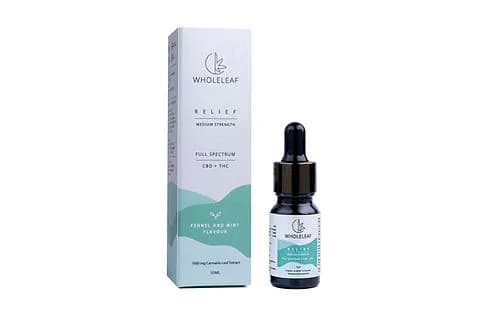
1. Wholeleaf Relief Medium Strength — Full Spectrum Oil (CBD + THC)
The Wholeleaf Relief Medium Strength Full Spectrum Oil (₹1,680) is a full-spectrum CBD:THC tincture that harnesses the entourage effect. For depression, where the reward system and serotonin pathways both need support, a balanced full-spectrum oil is often more effective than CBD isolate alone. Ideal for daytime use at conservative doses under medical supervision.
2. Stress Reduction Combo — Ashwagandha + CBD Oil 1500mg
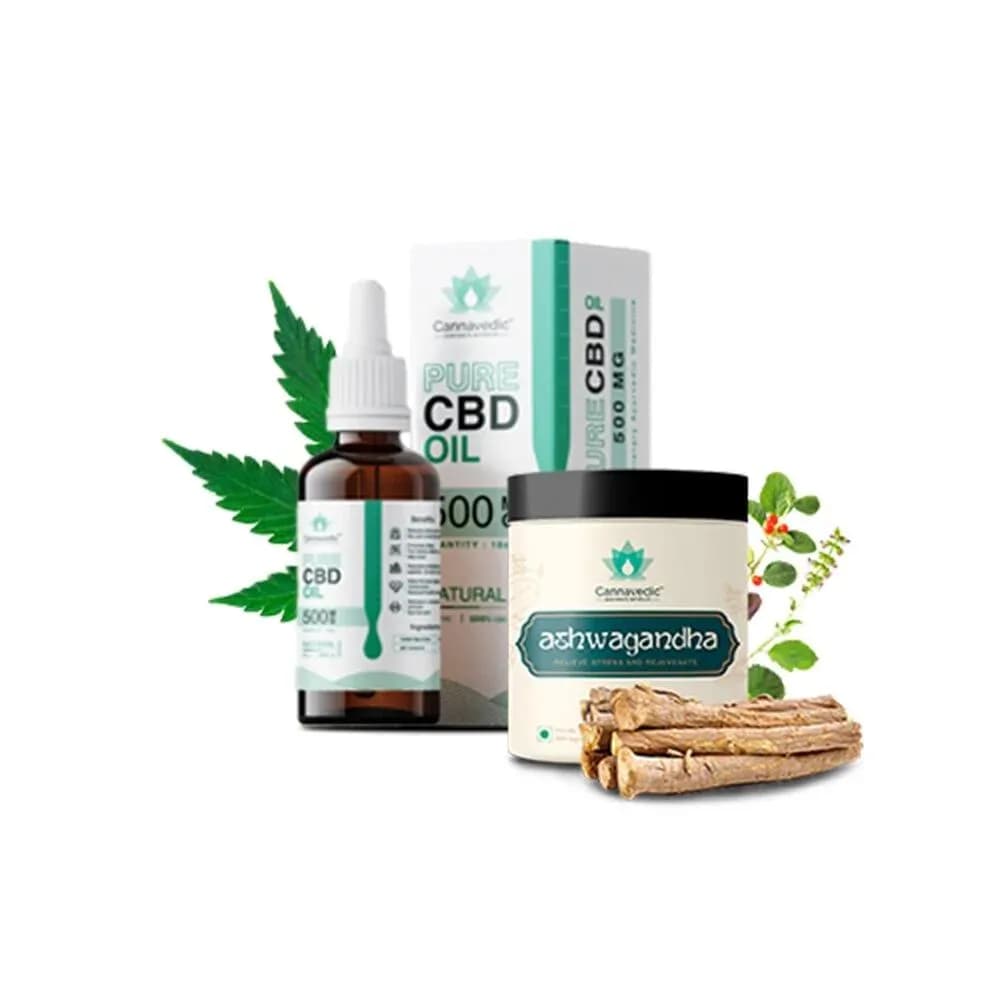
The Stress Reduction Combo (₹4,700) pairs high-strength CBD oil with Ashwagandha (KSM-66), an adaptogen with strong evidence for reducing cortisol — chronically elevated in MDD. This combination targets the HPA axis (stress response) alongside ECS modulation, making it a multi-mechanism approach aligned with modern psychiatry's interest in neuroendocrine treatment targets.
3. CannaBlithe DoNight — 1:1 CBD:THC Tincture (1500mg)
The CannaBlithe DoNight 1500mg Tincture (₹1,230) is designed for evening use with a 1:1 CBD:THC ratio. For MDD patients whose depression is characterised by early morning awakening, insomnia, or hypersomnia, addressing sleep architecture is a therapeutic priority. The THC component supports REM sleep regulation, while CBD mitigates THC-related psychoactivity.
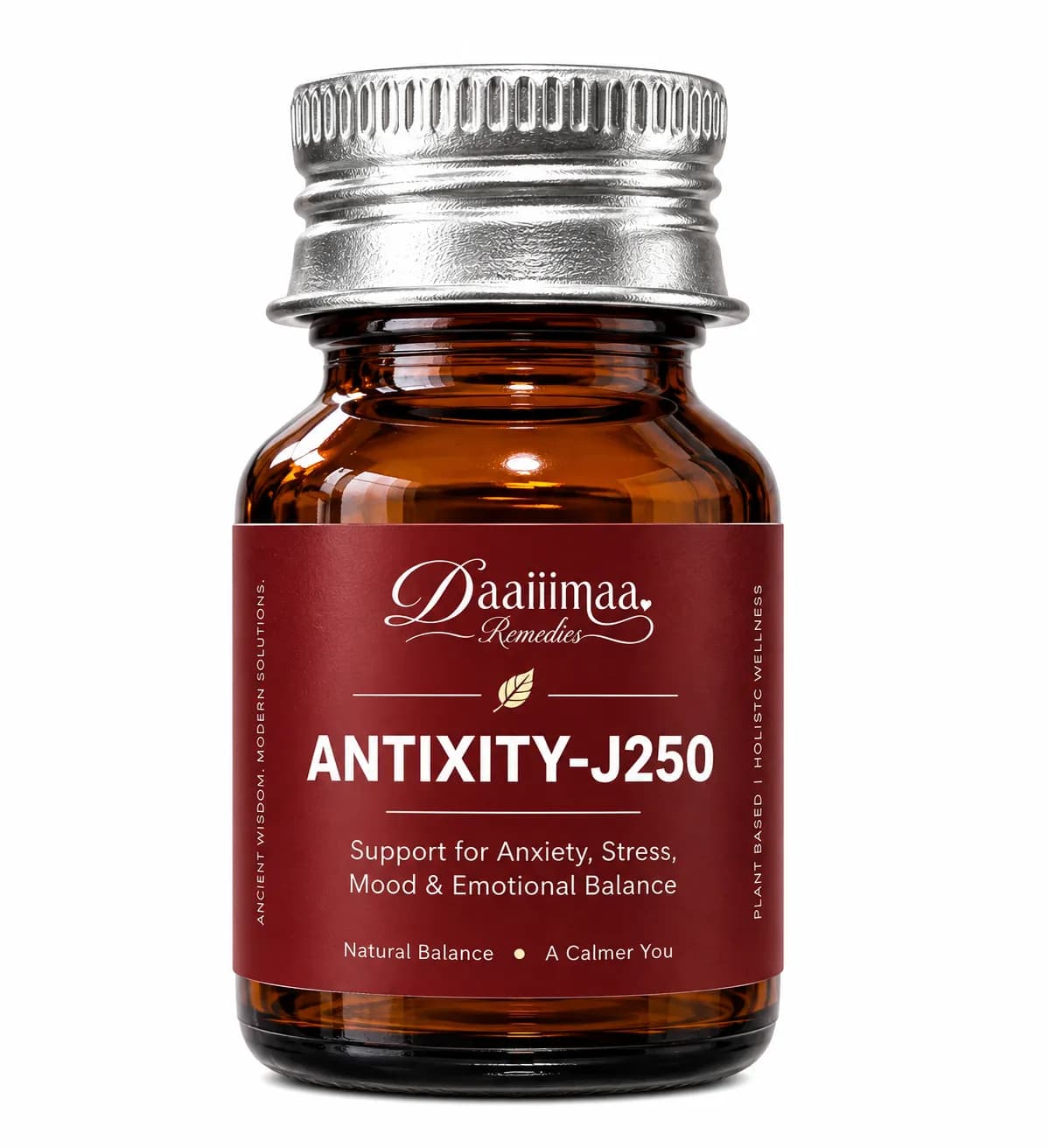
4. AntiXity-J250 (For Anxiety)
The AntiXity-J250 (₹370) is a targeted formulation for anxiety — relevant here because depression and anxiety are co-morbid in over 50% of Indian MDD cases. Managing the anxiety component can significantly improve overall PHQ-9 scores and quality of life.
5. DoDay/DoNight Combo — CannaBlithe AM/PM Capsules (75mg)
The DoDay/DoNight Combo (₹3,500) from the Vijaya & Medical Cannabis range provides a structured AM/PM Vijaya protocol — a daytime formula for mood and energy, and a night formula for restorative sleep. This mirrors the chronotherapy approach now being studied in TRD clinical trials. Requires AYUSH prescription.
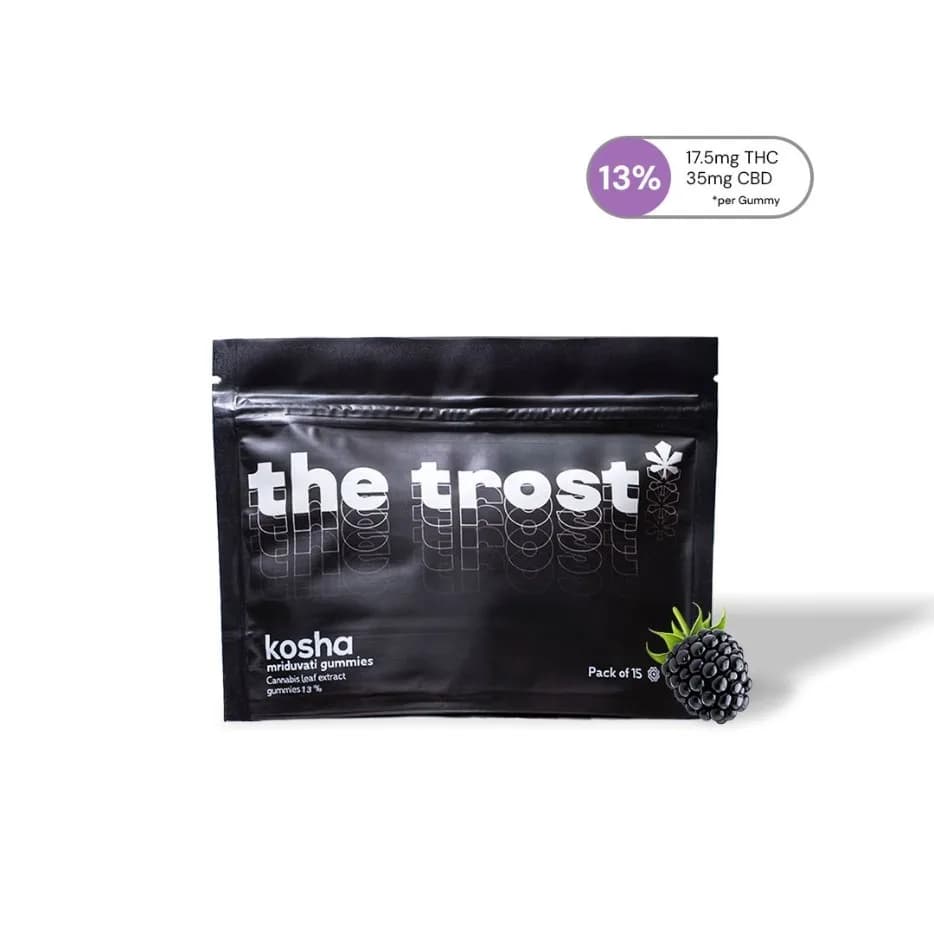
6. Kosha Cannabis Gummies — 13% Berry Blast Flavor
The Kosha Cannabis Gummies 13% Berry Blast (₹5,999) are a higher-strength cannabis gummy option for patients with more significant depressive symptoms, under medical supervision. The edible format provides longer-lasting (4–6 hour) effects compared to sublingual oils, making them suitable for sustained mood support through the day.
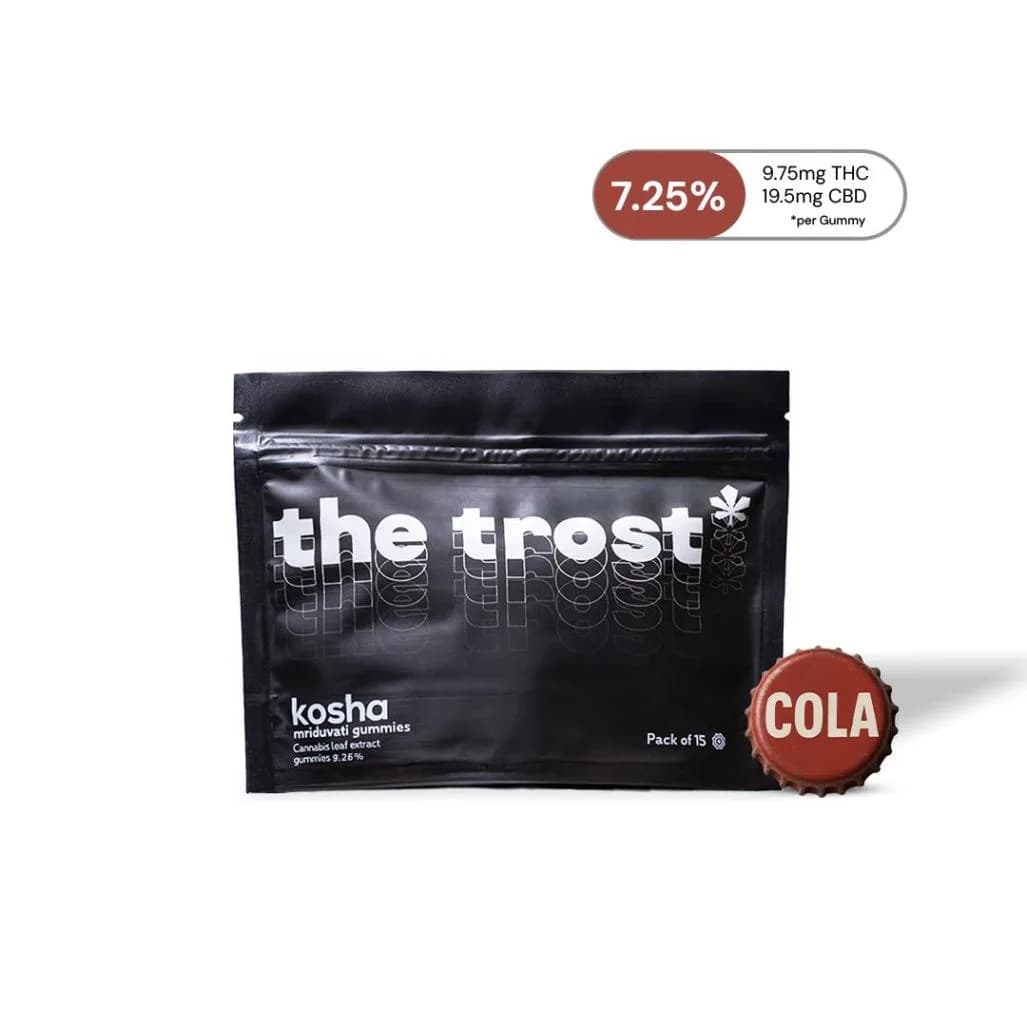
7. Kosha (Cola Flavor) — Cannabis Gummies (Mriduvati) 7.25%
The Kosha Cola Flavor Cannabis Gummies (Mriduvati) (₹2,549) are an entry-level cannabis gummy rooted in the Mriduvati Ayurvedic preparation tradition. For patients new to cannabis-based therapy for depression, this lower-strength option allows careful titration under guidance from the health conditions portal.
CBD Dosage Guide for Depression: Starting Low, Titrating Thoughtfully
Dosage is one of the most critical — and most frequently mismanaged — aspects of CBD therapy for depression. Unlike SSRIs, which have relatively standardised dosing, CBD shows a biphasic dose-response curve: too little may be ineffective, and excessive doses may paradoxically increase anxiety in some individuals.
General titration framework (always personalise with a clinician):
- Week 1–2 (Induction): 25–50 mg CBD/day, split into morning and evening doses. Monitor PHQ-9 score and sleep quality.
- Week 3–4 (Titration): Increase to 75–150 mg/day if well-tolerated. Note changes in anhedonia, energy, and concentration — the three core symptoms of MDD most responsive to ECS modulation.
- Week 5–8 (Optimisation): For mild-moderate depression, 150 mg/day may be a therapeutic ceiling. For TRD (under clinical supervision), doses up to 300–600 mg/day have been used in trials.
- Vijaya (CBD+THC) products: Always start at the lowest available THC dose, taken at night. Never drive or operate heavy machinery during titration.
Use the THC Store Dosage Calculator for a weight-adjusted starting point, and track your progress using the free PHQ-9 tool available through our health conditions portal.
Legal Status of CBD & Vijaya for Depression in India
Navigating India's cannabis law can feel intimidating, but the framework is clearer than many assume:
- NDPS Act, Section 2(iii)(b): Cannabis leaves (including hemp) are explicitly exempted from the definition of "cannabis" under the NDPS Act, meaning hemp-derived CBD products are not covered by NDPS restrictions when derived from the leaf fraction.
- AYUSH Vijaya Licensing: Under the Drugs & Cosmetics Act, Schedule E1, AYUSH has created a licensing framework for medicinal cannabis (Vijaya) preparations. Licensed manufacturers can produce and sell Vijaya extracts through registered medical channels.
- OTC vs. Prescription: CBD products with <0.3% THC that are AYUSH-licensed can be purchased without a prescription. Full-spectrum Vijaya products with meaningful THC content require a valid prescription from a registered practitioner.
- State variability: Some states (e.g., Uttarakhand, Himachal Pradesh) have more progressive cannabis policies. Always verify your state's current regulations.
For a personalized legal and medical assessment, consult our panel doctors who can issue valid prescriptions for Vijaya preparations where clinically appropriate.
Lifestyle Factors That Amplify CBD's Antidepressant Effects
The research is consistent: CBD works best for depression when combined with supportive lifestyle interventions. Turna et al. (2022) specifically noted that CBD users who combined cannabidiol with sleep hygiene improvements, regular physical activity, and psychotherapy showed significantly better PHQ-9 outcomes than those using CBD alone.
Key lifestyle synergies:
- Exercise: Even 30 minutes of moderate aerobic exercise 3–4 times per week raises BDNF levels — the same pathway CBD activates. The combination is potentially additive.
- Sleep hygiene: Depression and sleep disruption form a vicious cycle. Evening CBD:THC preparations (like Sleep & Relaxation products) combined with a consistent sleep schedule can break this cycle.
- Meditation and pranayama: Both activate the parasympathetic nervous system and reduce cortisol, complementing CBD's HPA-axis effects.
- Dietary omega-3s: Omega-3 fatty acids support ECS function. Hemp seed oil is a rich plant-based source — though for MDD specifically, we recommend keeping hemp food products separate from your therapeutic CBD protocol.
- Psychotherapy: CBT (Cognitive Behavioural Therapy) combined with CBD in a Phase 2 RCT showed additive effects on rumination and negative thought patterns — the cognitive core of MDD.
Explore our THC Store membership programme for access to ongoing wellness resources, member-exclusive dosage guides, and priority booking for doctor consultations.
Mental Health Stigma in India & Normalising Cannabis-Based Therapy
In India, seeking help for depression is still met with significant stigma. Phrases like "it's all in your head" or "just pray more" are distressingly common responses from family members. This stigma extends to cannabis-based treatments, which are unfairly conflated with recreational drug use in the public consciousness.
The reality is that AYUSH-licensed Vijaya preparations have been part of India's Ayurvedic pharmacopoeia for millennia. Charaka Samhita and Sushruta Samhita both reference cannabis (Vijaya) as a medicine for mental conditions including "manasa roga" (mind diseases). Modern AYUSH licensing has formalised what traditional vaidyas have known for centuries.
If you are struggling with depression and are concerned about stigma, remember:
- Depression is a biological illness, not a character flaw.
- Seeking treatment is an act of strength, not weakness.
- Our online doctor consultations are completely confidential and conducted by qualified psychiatry-adjacent practitioners from the privacy of your home.
- You can explore treatment options through our health conditions portal without disclosing anything to anyone.
Who Should NOT Use CBD for Depression Without Medical Supervision
While CBD has an excellent safety profile, certain populations need extra caution:
- Bipolar disorder: CBD/THC may trigger hypomanic or manic episodes. Never use without psychiatric clearance.
- Schizophrenia spectrum disorders: High-THC preparations are contraindicated. Pure CBD at clinical doses may be safer but requires specialist oversight.
- Pregnancy and breastfeeding: All cannabis-derived products are contraindicated.
- Severe MDD with suicidal ideation: This is a psychiatric emergency. CBD is not an emergency intervention. Seek immediate care through NIMHANS helpline (080-46110007) or iCall (9152987821) before exploring cannabis therapy.
- Drug interactions: CBD inhibits CYP450 enzymes (CYP3A4, CYP2C19) and can alter blood levels of certain antidepressants, antiepileptics, and blood thinners. Always disclose all medications to your doctor.
Frequently Asked Questions
Is CBD legal for treating depression in India?
Yes, with important nuances. CBD products derived from industrial hemp with less than 0.3% THC and holding AYUSH certification can be purchased without a prescription in India. Full-spectrum Vijaya extracts containing meaningful THC levels require a valid prescription from a registered medical practitioner under NDPS Act and Drugs & Cosmetics Act provisions. Always verify the regulatory status of any product before purchase and consult a doctor for personalised guidance.
How long does CBD take to work for depression?
CBD's effects on depression are not instantaneous. Most clinical studies and user reports suggest an initial response window of 2–4 weeks for mood improvements, with optimal effects at 6–8 weeks of consistent use. This is faster than conventional SSRIs (4–8 weeks) but slower than acute anxiolytics. Sleep improvements are often noticed sooner (within days), which can have a cascading positive effect on depressive symptoms. Track your progress using the PHQ-9 score — a reduction of 5+ points is considered clinically meaningful.
Can I take CBD with my antidepressants?
This requires medical supervision. CBD inhibits the CYP450 enzyme system — specifically CYP3A4 and CYP2C19 — which metabolises many antidepressants including SSRIs (e.g., escitalopram, fluoxetine) and SNRIs. This interaction can increase blood levels of these medications, potentially amplifying both their effects and side effects. Never combine CBD with antidepressants without first disclosing this to your prescribing doctor. Our panel doctors are experienced in exactly this kind of polypharmacy review.
What is the best CBD product for depression in India?
The "best" product depends on symptom profile. For depression with significant anxiety co-morbidity, a daytime full-spectrum CBD oil like Wholeleaf Relief Medium Strength is well-suited. For depression with prominent sleep disruption, the CannaBlithe DoNight 1:1 Tincture addresses both. For treatment-resistant depression requiring a structured Vijaya protocol, the DoDay/DoNight Combo under medical prescription is the most clinically comprehensive option.
Does CBD increase serotonin levels for depression?
CBD does not directly increase serotonin production or block its reuptake (the mechanism of SSRIs). Instead, it acts as an agonist at the 5-HT1A serotonin receptor, enhancing serotonergic transmission at a post-synaptic level. This was demonstrated by Sartim AG et al. (2018) using animal models of acute stress-induced depression, where CBD's antidepressant effects were blocked by 5-HT1A receptor antagonists. Additionally, CBD raises anandamide levels by inhibiting FAAH, and anandamide itself interacts with serotonin systems. The net effect is serotonin-adjacent rather than serotonin-identical — a mechanistically distinct and potentially complementary approach to conventional antidepressants.
Building a Complete Anti-Depression Protocol with CBD in India
Depression is best treated as a whole-person condition. Here's a practical framework for integrating CBD into a comprehensive wellness protocol, designed specifically for the Indian context:
- Step 1 — Diagnosis: Get a proper PHQ-9 assessment. If you score 10+, this is a clinical condition requiring professional support. Our doctor consultation service includes mental health-aware practitioners.
- Step 2 — Legal clearance: Understand which products you can access OTC vs. which need a prescription. Use our health conditions portal to explore appropriate options.
- Step 3 — Start with CBD-dominant products: Begin with a low-dose CBD oil or stress combo during the day, and a CBD:THC sleep product at night. Track PHQ-9 weekly.
- Step 4 — Add lifestyle synergies: Morning exercise, consistent wake time, dietary improvement. Explore our Stress & Anxiety collection for adjunct support products.
- Step 5 — Reassess at 8 weeks: If PHQ-9 has not improved by at least 5 points, escalate to a Vijaya (CBD+THC) prescription protocol with full medical supervision.
- Step 6 — Community & continuity: Join our membership programme for ongoing dosage reviews, member discounts, and priority access to updated clinical guidance.
Sources & References
- Zarazúa-Guzmán et al. (2024). "Endocannabinoid system as a therapeutic target for major depressive disorder." Basic & Clinical Pharmacology & Toxicology. Key finding: ECS dysregulation (reduced anandamide, lower CB1 density) identified as a primary mechanism in MDD pathophysiology.
- Blanco et al. (2025). "Cannabinoids for mental disorders: a systematic review and meta-analysis." The Lancet Psychiatry. Key finding: CBD-dominant and balanced CBD:THC preparations showed statistically significant improvements in depressive symptom scores; study heterogeneity remains a limitation.
- Turna J et al. (2022, PMC8980587). "Cannabidiol as a novel candidate alcohol use disorder pharmacotherapy: a systematic review." Frontiers in Psychiatry. Key finding: Real-world CBD self-treatment for depression showed meaningful PHQ-9 score reductions; 65% of users reported improved mood within 4 weeks.
- Sartim AG et al. (2018, PubMed 29885468). "Antidepressant-like effects of cannabidiol injected into the ventral medial prefrontal cortex." Progress in Neuro-Psychopharmacology and Biological Psychiatry. Key finding: CBD's antidepressant action is mediated via 5-HT1A serotonin receptor agonism.
- ClinicalTrials.gov. NCT04732169 — "Cannabidiol for Treatment-Resistant Depression." Phase 2 RCT (active, 2024). Key finding: CBD at 150–600 mg/day being evaluated for TRD; preliminary data suggest clinically meaningful response in ECS-dysregulated patients.
- World Health Organization / India National Mental Health Survey (NMHS). Depression prevalence: 56 million+ Indians affected; treatment gap exceeds 70%.
Share this article
Written by
THC Store Editorial
Published 6 months ago