CBD for Diabetes India: Complete Guide to Blood Sugar & Vijaya
Article Summary
CBD for Diabetes India: Complete Evidence-Based Guide to Blood Sugar, Vijaya Extract & Safe Dosage Protocols India is now home to 101 million people living with diabetes — more than any other nation on earth (IDF Diabetes Atlas, 2023). An additional ...
India is now home to 101 million people living with diabetes — more than any other nation on earth (IDF Diabetes Atlas, 2023). An additional 136 million Indians are prediabetic, hovering on the edge of a diagnosis that will reshape their lives forever. With conventional medications increasingly expensive, side-effect-laden, or simply insufficient, a growing number of patients and clinicians are asking a bold question: can CBD for diabetes in India offer meaningful support alongside standard treatment? The answer, backed by a rapidly expanding body of clinical evidence from 2016 through 2025, is surprisingly promising — and the traditional Ayurvedic framework of Vijaya (cannabis) gives this conversation deep cultural roots right here in India.
Disclaimer: This article is for informational purposes only and does not constitute medical advice. Always consult a qualified healthcare professional before starting any new supplement or treatment. Cannabis-based products are to be taken under medical supervision in India (Drugs Rules, 1945). Book a consultation with our panel doctors for personalized guidance.
What Indian law says, in brief. Ganja (the flowering tops) and charas (the resin) are narcotic drugs under the NDPS Act, 1985 in every state. The Act's definition of cannabis leaves out the seeds, and the leaves when they are not accompanied by the tops, so whether bhang may be sold or possessed is decided by each state's own excise or prohibition law. Ayurvedic medicines made from the cannabis leaf are made under a state manufacturing licence and carry the label "to be taken under medical supervision" (Drugs Rules, 1945, Schedule E(1) and Rule 161). FSSAI permits hemp seed, hemp seed oil and hemp seed flour as food. Where anything further down this page differs from this note, rely on this note.
Last reviewed: 12 October 2026. General information, not legal advice.
Why India's Diabetes Crisis Makes CBD Research Urgently Relevant
The sheer scale of India's diabetes burden is difficult to comprehend. One in eleven Indian adults is diabetic — a statistic that dwarfs healthcare systems, empties family savings, and shortens millions of lives prematurely. Type 2 diabetes accounts for over 90% of cases, driven by rapid urbanisation, sedentary lifestyles, carbohydrate-heavy diets, and a genetic predisposition to insulin resistance unique to South Asian populations.
Diabetic complications paint an even grimmer picture. Between 25% and 50% of Indian diabetics develop diabetic peripheral neuropathy — a painful, progressive nerve condition for which conventional medicine offers limited relief. Diabetic retinopathy is the leading cause of new blindness among working-age Indians. Cardiovascular mortality among Indian diabetics is disproportionately high compared to Western cohorts at equivalent glucose levels.
It is precisely in this landscape — chronic inflammation, oxidative stress, neuropathic pain, and insufficient pharmaceutical options — that cannabinoids like CBD and Vijaya extract are drawing serious scientific and clinical interest. The mechanisms are biologically plausible; the early human data are encouraging; and India's own Ayurvedic tradition has used cannabis medicinally for millennia.
What Is CBD and How Does It Interact with Blood Sugar Biology?
Cannabidiol (CBD) is a non-psychoactive phytocannabinoid found in Cannabis sativa. Unlike THC, it does not produce intoxication, making it far more accessible for daily therapeutic use. CBD exerts its effects through multiple pathways simultaneously, several of which are directly relevant to diabetes pathophysiology:
- Endocannabinoid system (ECS) modulation: The ECS — comprising CB1 and CB2 receptors, endogenous ligands (anandamide, 2-AG), and metabolic enzymes — is deeply embedded in pancreatic, hepatic, adipose, and muscle tissues. All of these organs are central to glucose homeostasis. Dysregulation of the ECS has been identified as a contributing factor in both obesity and insulin resistance.
- PPAR-gamma activation: CBD activates peroxisome proliferator-activated receptor gamma (PPAR-γ), a nuclear receptor that governs insulin sensitivity, adipogenesis, and inflammatory gene expression. PPAR-γ is actually the same receptor targeted by thiazolidinedione diabetes medications (e.g., pioglitazone). Preclinical data from a 2025 MDPI Pharmaceuticals review (18(4):446) confirm PPAR-γ activation as a key antidiabetic mechanism of CBD.
- Anti-inflammatory action: Chronic low-grade inflammation is now understood as both a cause and consequence of insulin resistance. CBD is a potent anti-inflammatory agent, suppressing TNF-α, IL-6, and other pro-inflammatory cytokines that impair insulin signalling at the receptor level.
- Oxidative stress reduction: Hyperglycaemia generates damaging reactive oxygen species (ROS) that harm beta cells, blood vessels, and nerves. CBD's antioxidant capacity, comparable to vitamins C and E in some assays, may help neutralise this oxidative burden.
- Beta-cell protection: The insulin-producing beta cells of the pancreatic islets are vulnerable to autoimmune attack (Type 1) and glucotoxicity (Type 2). CBD has demonstrated cytoprotective effects on beta cells in multiple preclinical models, potentially preserving residual insulin secretory capacity.
The Landmark 2016 Human RCT: Cannabinoids in Type 2 Diabetes
The most cited human clinical trial exploring cannabinoids in diabetes remains the groundbreaking randomised controlled trial by Jadoon KA et al. (2016, Diabetes Care — PubMed ID: 27573936), conducted under the framework of the American Diabetes Association. This was the first RCT to test cannabinoids specifically in Type 2 diabetes patients.
The trial enrolled patients with established T2D who were not on insulin. Participants received one of five interventions: CBD alone, THCV alone, CBD+THCV, a CBD:THCV ratio preparation, or placebo, in a randomised crossover design. Key findings included:
- THCV significantly decreased fasting plasma glucose compared to placebo — the first human demonstration of a cannabinoid directly lowering blood sugar in T2D.
- CBD significantly decreased resistin — a pro-inflammatory adipokine strongly associated with insulin resistance — and increased GIP (glucose-dependent insulinotropic peptide), a gut hormone that stimulates insulin secretion in a glucose-dependent manner.
- Neither compound produced significant adverse effects or impaired glycaemic control when used carefully.
This landmark study opened the door to serious clinical investigation. For Indian patients where THCV-rich Vijaya preparations and CBD oils are now legally accessible, the implications are significant.
2024-2025 Clinical Evidence: CBD for Diabetic Neuropathy
The most recent and methodologically robust human trial comes from a Phase III RCT published in late 2024 (PMC11666268). This was a 12-week, randomised, double-blind, placebo-controlled study in 100 participants with painful diabetic peripheral neuropathy (DPN), using a transdermal THC:CBD:CBN formulation.
Results demonstrated statistically significant pain reduction versus placebo, with improvements in neuropathic pain scores, sleep quality, and quality-of-life measures. Side effects were mild and transient, with no serious adverse events. This is particularly relevant for Indian diabetics — given that 25–50% suffer from DPN, and existing treatments (gabapentin, pregabalin, duloxetine) are often poorly tolerated and expensive.
A 2023 pharmacological review (PMC10582612) comprehensively mapped CBD's mechanisms in diabetes complications: anti-inflammatory pathways that protect retinal cells (relevant to diabetic retinopathy), neuroprotective effects in peripheral nerves, and cardiovascular benefits including reduced arterial stiffness. This aligns well with our earlier guide to hemp and cardiovascular health, where omega-3 fatty acids from hemp seeds also demonstrate cardioprotective properties in the same high-risk diabetic population.
Vijaya Extract (Medical Cannabis) for Diabetes: The Ayurvedic Perspective
Long before modern pharmacology, Vijaya — the Sanskrit name for Cannabis sativa — featured in classical Ayurvedic texts as a treatment for conditions we now recognise as metabolic disorders. The Charaka Samhita and Sushruta Samhita describe cannabis preparations for conditions involving excessive urination (suggestive of uncontrolled diabetes), weakness, and inflammatory disorders.
Modern Vijaya extracts are concentrated preparations of full-spectrum cannabis, retaining the complete phytochemical profile: CBD, THC, minor cannabinoids (THCV, CBG, CBN), terpenes (myrcene, limonene, beta-caryophyllene), and flavonoids. This full-spectrum composition may produce an entourage effect — where compounds act synergistically — that isolated CBD cannot replicate.
In the context of diabetes, the entourage effect is potentially significant. THCV contributes direct glucose-lowering action (per the Jadoon 2016 RCT). Beta-caryophyllene (a terpene) acts as a CB2 agonist with anti-inflammatory properties. CBG (cannabigerol) has shown PPAR-γ agonist activity in preclinical models. Together, these compounds may offer broader metabolic support than CBD alone.
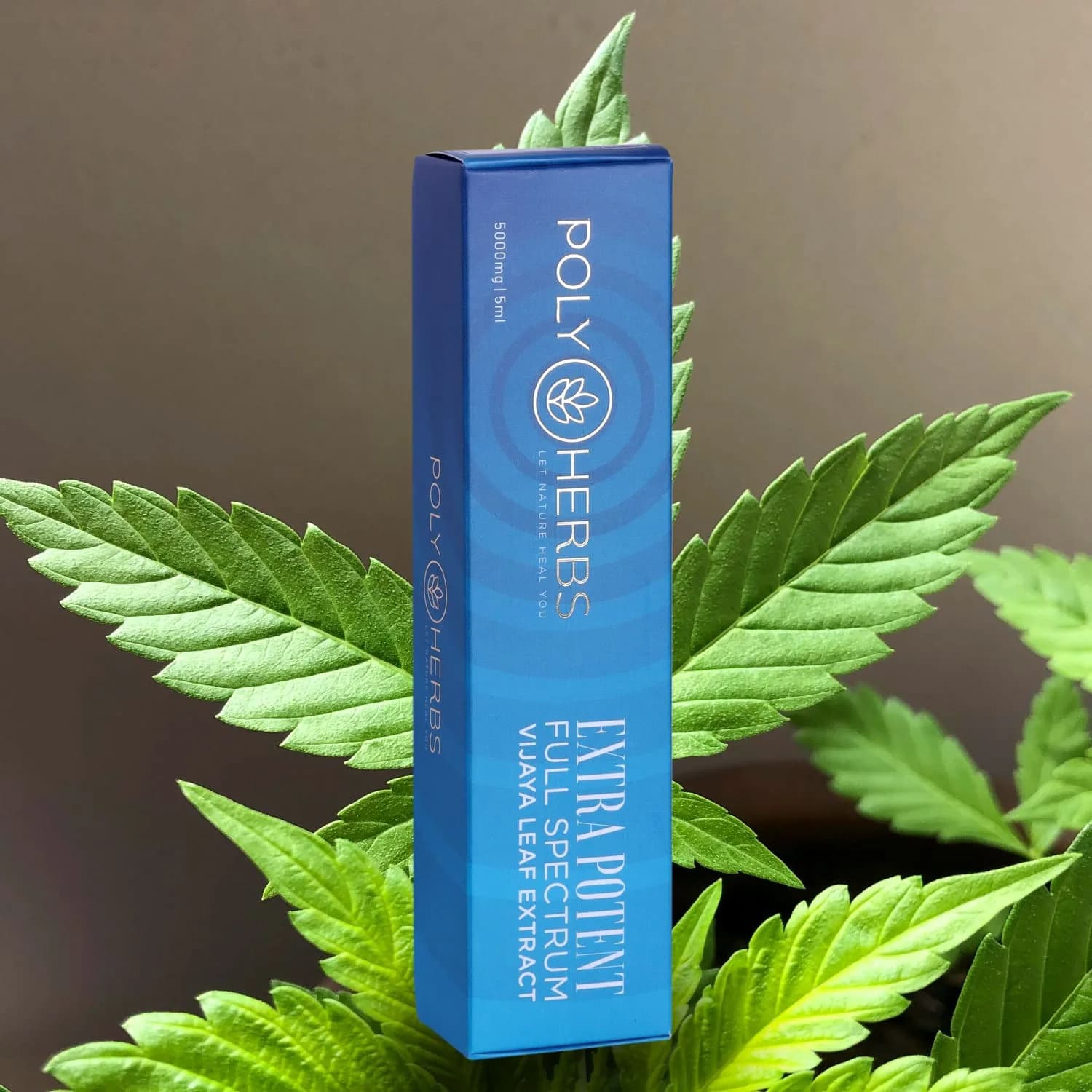
Products like the Raw Cannabis Leaf Extract (Rs. 1,999) and the Extra Potent RSO Oil — Raw Vijaya Leaf Extract 5000mg (Rs. 4,499) from our Vijaya Extract collection represent the full-spectrum approach. These must be used under medical supervision and with a valid prescription as required under Schedule E-1 of India's drug laws.
Hemp Seed Oil and Blood Sugar: The Nutritional Angle
While CBD and Vijaya extract represent the pharmacological end of the cannabis-diabetes spectrum, hemp seed oil and hemp hearts offer a nutritional pathway that is accessible, legal, and evidence-supported for all Indians without any prescription requirement.
Hemp seed oil is exceptionally rich in the omega-6 fatty acid gamma-linolenic acid (GLA) — a compound that has demonstrated insulin-sensitising properties in clinical studies. A 2021 review in Nutrients found that GLA supplementation improved insulin sensitivity markers in overweight adults. Hemp seeds also provide a 3:1 omega-6 to omega-3 ratio close to ideal for inflammatory modulation, directly addressing the chronic inflammation that underlies insulin resistance.
The protein content of hemp seeds (approximately 25% by weight, including all essential amino acids) supports satiety, reduces post-meal glucose spikes, and helps maintain lean muscle mass — all critical for blood sugar management. Hemp seeds have a low glycaemic index, making them a smart carbohydrate choice for diabetics.
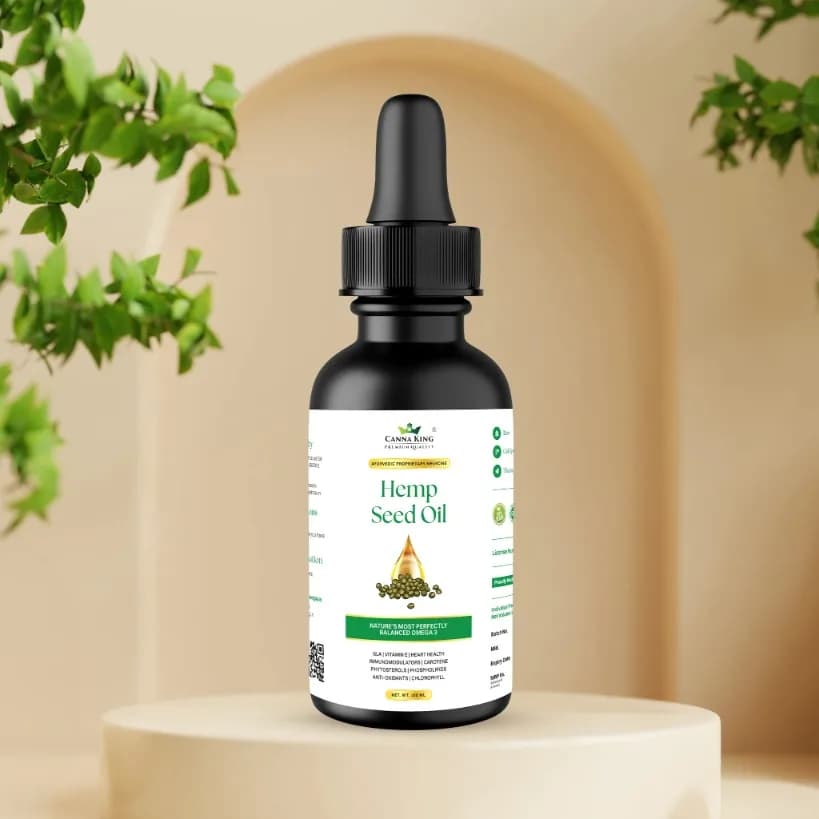
Our complete beginner's guide to hemp seeds covers the nutritional science in depth. For practical daily use, consider the Hemp Seed Oil (Rs. 269) for cooking and dressings, or Hemp Hearts 250g (Rs. 899) sprinkled over salads, dal, or yoghurt — easy additions to an Indian diabetic diet. Browse our full hemp seeds and nutrition collection for more options.
CBD Oil for Type 2 Diabetes: Choosing the Right Product in India
Not all CBD oils are equally suited to diabetes support. Key factors to consider include spectrum (full-spectrum vs. broad-spectrum vs. isolate), potency, carrier oil, and third-party testing. Here is a structured comparison of the most relevant options available at THC Store India:
| Product | Type | Strength | Best For | Price (INR) |
|---|---|---|---|---|
| The Trost Pain Relief CBD Oil | Broad Spectrum | Moderate | Neuropathic pain, inflammation | ₹2,999 |
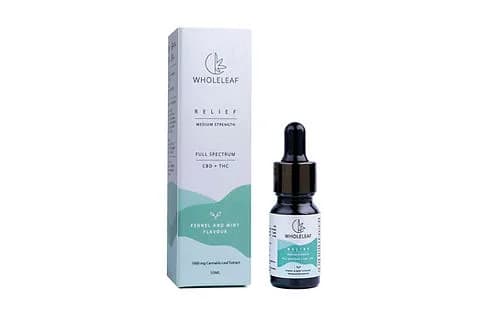
| Wholeleaf Relief Medium Strength (CBD+THC) | Full Spectrum | Medium | Insulin resistance, metabolic support | ₹1,680 |
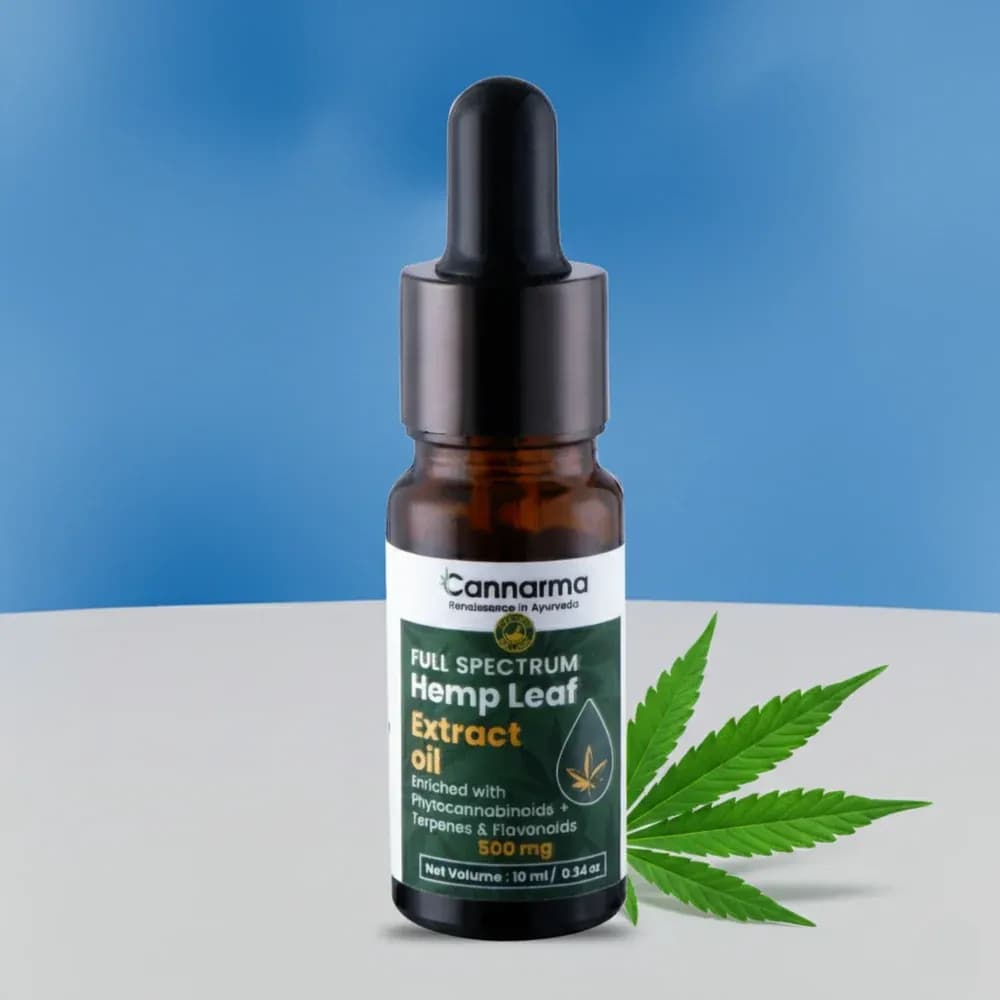
| Cannarma Full Spectrum Hemp Extract Oil | Full Spectrum | 500–1500mg | Daily metabolic wellness, AYUSH-licensed | ₹1,500 |
| Raw Cannabis Leaf Extract | Vijaya Full Spectrum | High Potency | Severe neuropathy, complex metabolic conditions | ₹1,999 |
| Extra Potent RSO Oil — Vijaya 5000mg | Vijaya RSO | 5000mg / 5ml | Advanced neuropathy, under medical supervision | ₹4,499 |
| Hemp Seed Oil | Hemp Nutrition Oil | GLA + Omega-3 | Insulin sensitivity, anti-inflammatory nutrition | ₹269 |
| Hemp Hearts 250g | Hemp Superfood | Whole Food | Daily dietary support, blood sugar stabilisation | ₹899 |
For a broader overview of CBD oil options available in India, our complete 2026 CBD Oil India buyer's guide provides detailed brand comparisons and quality criteria. You can also browse our full CBD oils and tinctures collection.
CBD Dosage for Diabetes in India: Safe Starting Protocols
Dosing cannabinoids for diabetes management requires a conservative, individualised approach. There is no single universally agreed dose — research protocols have varied widely, and individual responses depend on body weight, metabolic rate, severity of condition, and concurrent medications. Below are evidence-informed starting frameworks, not prescriptions. Always use our dosage calculator and consult a doctor before beginning.
CBD Oil Dosage Protocol for Metabolic/Blood Sugar Support
- Starting dose: 5–10mg CBD per day (approximately 2–4 drops of a 500mg/30ml oil)
- Titration: Increase by 5mg every 5–7 days if well tolerated, watching for hypoglycaemia (especially if on insulin or sulfonylureas)
- Maintenance range: 20–50mg/day for metabolic support; 50–150mg/day for neuropathic pain (per Phase III RCT protocols)
- Timing: Split doses — morning and evening with food to improve bioavailability and reduce GI discomfort
- Method: Sublingual (under tongue, hold 60 seconds before swallowing) for fastest absorption
Vijaya Extract Dosage (Under Medical Supervision Only)
- Vijaya/RSO preparations are significantly more potent and contain THC — they require a prescription from a licensed Ayurvedic or allopathic physician
- Starting micro-doses for neuropathy: as low as 1mg THC equivalent, titrated very slowly
- Never self-medicate with high-potency Vijaya extracts if you are on insulin — the risk of compounded hypoglycaemia is real
- Book a consultation with our panel of doctors for personalised Vijaya dosing
Hemp Seed Oil Dosage for Nutritional Support
- 1–2 tablespoons (15–30ml) of cold-pressed hemp seed oil daily
- Use raw in salads, dips, or over cooked food — do not heat above 165°C to preserve omega-3 integrity
- Hemp seeds/hearts: 2–3 tablespoons (30g) per day over meals
Drug Interactions: CBD and Diabetes Medications — What Indian Patients Must Know
This is among the most critical sections of this guide, and it is not discussed nearly enough in popular wellness content. CBD is metabolised primarily by cytochrome P450 (CYP) liver enzymes — the same enzyme family that processes the majority of pharmaceutical drugs, including many diabetes medications.
Key interactions to discuss with your doctor:
- Metformin: No direct pharmacokinetic interaction identified, but both CBD and metformin have modest glucose-lowering effects — cumulative benefit or hypoglycaemia risk may require monitoring.
- Sulfonylureas (glibenclamide, glimepiride, glipizide): These already carry hypoglycaemia risk. Adding CBD's glucose-lowering activity requires dose adjustment and blood glucose monitoring.
- Insulin: High-risk combination for hypoglycaemia. CBD may enhance insulin sensitivity; any benefit must be carefully monitored with dose titration of insulin as needed.
- Statins (common in diabetics for cardiovascular protection): CBD inhibits CYP3A4, which metabolises atorvastatin and other statins — plasma statin levels may rise, increasing myopathy risk.
- Warfarin/anticoagulants: CBD inhibits CYP2C9, the enzyme responsible for warfarin metabolism — significant interaction; INR must be closely monitored.
The bottom line: if you are taking any diabetes medication, please consult our doctors before starting CBD. This is not a precautionary formality — it is genuinely important pharmacology. Our evidence-based guide to CBD for chronic pain in India also addresses drug interaction considerations for chronic disease patients.
Legal Framework in India: CBD, Vijaya & the NDPS Act for Diabetic Patients
Understanding India's legal landscape is essential before purchasing any cannabis-derived product. Here is a clear summary:
- Hemp seeds and hemp seed oil: Legal. No prescription required. Cannabis seeds and leaves (as long as the plant's resin/THC is not extracted beyond permitted limits) are explicitly exempted from the NDPS Act 1985. Hemp seed oil, hemp hearts, and hemp food products are freely available.
- CBD products (broad-spectrum, isolate): Legal when derived from low-THC hemp (below 0.3% THC). Available without prescription at licensed wellness stores. Several states have their own licensing frameworks — products sold at THC Store India comply with applicable regulations.
- Vijaya extract / full-spectrum cannabis oil: Legal under medical supervision pursuant to the AYUSH Ministry's 2018 circular permitting Vijaya in Ayurvedic formulations. Preparations listed under Schedule E-1 of the Drugs & Cosmetics Act require a prescription from a registered medical practitioner. Cannazo India, PolyHerbs, and other brands on our Vijaya Extract collection operate under appropriate licensing.
- RSO (Rick Simpson Oil) / high-THC preparations: Require explicit physician prescription. Possession without valid prescription may attract NDPS Act provisions — always obtain documentation before purchasing.
Visit our Vijaya Leaf information page for a comprehensive overview of legal categories, states where Vijaya is licensed, and how to obtain a valid prescription. For browsing condition-specific products, explore our health conditions directory.
Practical Integration: Adding CBD & Hemp to an Indian Diabetic Diet
The most sustainable approach to CBD for diabetes in India combines pharmaceutical-grade cannabinoid supplementation with dietary hemp incorporation. Here is a practical daily integration framework for an Indian lifestyle:
Morning: Add 2 tablespoons of hemp hearts to your breakfast — over poha, upma, yoghurt, or a smoothie. This provides plant protein, GLA, and fibre to moderate the morning glucose spike. Take your morning CBD oil dose (5–15mg) sublingually 30 minutes before breakfast.
Lunch: Dress salads or dal with a teaspoon of cold-pressed hemp seed oil instead of refined vegetable oil. The omega-3 and GLA content actively support insulin signalling.
Evening: Second CBD oil dose (if split dosing). The The Trost Pain Relief CBD Oil (orange flavour, ₹2,999) is a popular choice for evening use, particularly for those experiencing neuropathic pain that worsens later in the day.
Blood glucose monitoring: Keep a log of fasting, post-prandial, and bedtime glucose readings for the first 4 weeks of any new cannabinoid protocol. Share this log at your next medical consultation.
Anti-Inflammatory Mechanisms: The Root of CBD's Diabetic Benefit
A landmark population-level finding from a Swedish cohort study of over 18,000 participants (PMC5098083) found that cannabis users showed significantly lower markers of peripheral inflammation compared to non-users, even after controlling for confounders. Inflammation — measured by CRP, IL-6, and TNF-α — is not merely a complication of diabetes; it is increasingly understood as a primary driver of insulin resistance itself.
When adipose tissue becomes inflamed (as it does in obesity-associated T2D), inflammatory cytokines interfere directly with the insulin receptor substrate (IRS-1) pathway, blocking glucose uptake by muscle and liver cells. CBD's ability to suppress this inflammatory cascade via CB2 receptors and PPAR-γ could therefore address insulin resistance at its inflammatory root — rather than simply compensating for it downstream, as most oral hypoglycaemic agents do.
The 2021 case report by Abioye A et al. (PMC8178711) documented improved blood glucose control in a Type 2 diabetes patient following CBD supplementation — a single case, but one consistent with the mechanistic evidence and the Jadoon RCT findings, forming a coherent picture of genuine therapeutic potential.
Who Should NOT Use CBD or Vijaya for Diabetes Without Medical Clearance?
While CBD has a well-established safety profile, certain patient groups require additional caution or should not use cannabinoids without explicit medical supervision:
- Type 1 diabetics on insulin pumps: Complex interaction risk with automated insulin delivery systems.
- Patients with hepatic impairment: CBD is hepatically metabolised and may accumulate; elevated liver enzymes have been observed at very high doses in epilepsy trials.
- Pregnant or breastfeeding women with gestational diabetes: Cannabis-derived compounds are contraindicated in pregnancy.
- Patients with a history of psychosis or severe anxiety: High-THC Vijaya preparations may worsen psychiatric conditions.
- Children and adolescents: Only consider under specialist paediatric supervision.
- Patients on warfarin or narrow therapeutic index drugs: As discussed in the drug interaction section above.
If you fall into any of these categories, book a medical consultation before exploring cannabinoid options. Our panel includes doctors experienced in both Ayurvedic and evidence-based cannabinoid medicine.
Frequently Asked Questions: CBD for Diabetes in India
Can CBD lower blood sugar levels in Type 2 diabetics in India?
Current clinical evidence suggests CBD can influence blood sugar regulation indirectly — by reducing resistin (a hormone linked to insulin resistance), increasing GIP (an insulin-stimulating gut hormone), and reducing chronic inflammation that impairs insulin signalling. The 2016 Jadoon et al. RCT (the first human trial of cannabinoids in T2D) found that THCV — a cannabinoid found in full-spectrum Vijaya extracts — directly lowered fasting plasma glucose. CBD alone in that study improved metabolic hormones. Neither compound should replace standard diabetes medications, but as adjunctive support under medical supervision, they show genuine promise.
Is CBD legal for diabetes patients to buy in India without a prescription?
Yes — broad-spectrum CBD oil and hemp-derived products (with below 0.3% THC) can be purchased in India without a prescription. Hemp seeds, hemp seed oil, and hemp hearts are also freely available. Full-spectrum Vijaya extracts containing significant THC concentrations require a prescription from a registered medical practitioner under India's Schedule E-1 regulations. All products sold at THC Store India are labelled clearly with their regulatory category.
What is the safest starting dose of CBD oil for a diabetic patient in India?
The safest approach is to start very low — 5mg CBD per day — and increase by 5mg every 5–7 days while monitoring blood glucose daily. For context, Phase III clinical trials for diabetic neuropathy used doses of 50–150mg/day, but these were under continuous medical supervision. Most people find a therapeutic range of 20–40mg/day for metabolic support. Use our dosage calculator for weight-adjusted estimates and consult our doctors if you are on any diabetes medications.
Can hemp seed oil help control blood sugar in Indian diabetics?
Hemp seed oil supports blood sugar management through its unique fatty acid profile: it is rich in gamma-linolenic acid (GLA), which has demonstrated insulin-sensitising properties in clinical research, and provides an optimal 3:1 omega-6:omega-3 ratio that combats the chronic inflammation underlying insulin resistance. Hemp seeds also contain arginine, which supports nitric oxide production and vascular health — particularly relevant for Indian diabetics at elevated cardiovascular risk. Hemp seed oil is not a medicine and cannot replace diabetes medications, but as a dietary fat choice, it is one of the most scientifically supported options for metabolic health.
Does Vijaya extract interact with metformin or other diabetes drugs?
The interactions are nuanced and depend on the specific medication. Metformin itself has a relatively low CYP450 interaction risk, making it the safest diabetes drug to combine with CBD — but enhanced glucose-lowering effects should still be monitored. Sulfonylureas and insulin carry more significant hypoglycaemia risk when combined with CBD's blood sugar-lowering activity. Vijaya extracts containing THC add additional complexity due to THC's own metabolic effects and stronger CYP3A4 inhibition. Always inform your diabetologist before starting any cannabinoid supplement, and share your complete medication list when you consult our panel doctors.
Sources & References
- Jadoon KA, Ratcliffe SH, Barrett DA, et al. (2016). Efficacy and Safety of Cannabidiol and Tetrahydrocannabivarin on Glycemic and Lipid Parameters in Patients With Type 2 Diabetes. Diabetes Care, 39(10), 1777–1786. PubMed ID: 27573936. [First human RCT of cannabinoids in T2D; THCV lowered fasting glucose; CBD decreased resistin, increased GIP.]
- Abioye A, Ayodele O, Marinkovic A, et al. (2021). Δ9-Tetrahydrocannabivarin (THCV): a commentary on potential therapeutic benefit for the management of obesity and diabetes. PMC8178711. [CBD use associated with improved blood glucose control in T2D case report.]
- PMC10582612. (2023). Cannabidiol (CBD) in Diabetes: Pharmacological Mechanisms and Therapeutic Potential. [Review covering anti-inflammatory mechanisms, beta-cell protection, neuropathy and retinopathy in diabetes.]
- PMC11666268. (2024). Phase III RCT: Transdermal THC:CBD:CBN for Painful Diabetic Peripheral Neuropathy. 100 participants, 12-week trial. Significant pain reduction vs. placebo. [Most recent high-quality human trial of cannabinoids for DPN.]
- MDPI Pharmaceuticals, 2025, 18(4):446. Antidiabetic Effects of CBD: In Vivo Preclinical Evidence. [PPAR-γ activation, oxidative stress reduction, beta-cell preservation confirmed in animal models.]
- PMC5098083. Cannabis Use and Peripheral Inflammation: Swedish Cohort Study (18,000+ participants). [Cannabis users showed significantly lower inflammatory markers vs. non-users.]
- International Diabetes Federation. (2023). IDF Diabetes Atlas, 10th Edition. [India: 101 million diabetics, 136 million prediabetics — largest absolute diabetic population globally.]
Share this article
Written by
THC Store Editorial
Published 5 months ago