CBD Oil India: Complete 2026 Buyer's Guide to Legal Hemp Oil, Brands & Dosage
Article Summary
CBD Oil India: Complete 2026 Buyer's Guide to Legal Hemp Oil, Brands & Dosage Did you know that over 40 clinical studies have confirmed CBD oil's efficacy for chronic pain, anxiety, and inflammation? As India's CBD market experiences unprecedented gr...
Did you know that over 40 clinical studies have confirmed CBD oil's efficacy for chronic pain, anxiety, and inflammation? As India's CBD market experiences unprecedented growth in 2026, understanding the legal landscape and choosing authentic products has become crucial for consumers. With CBD oil's remarkable safety profile and therapeutic potential now validated by extensive research, millions of Indians are discovering this natural wellness solution.
Disclaimer: This article is for informational purposes only and does not constitute medical advice. Always consult a qualified healthcare professional before starting any new supplement or treatment. Cannabis-based products are to be taken under medical supervision in India (Drugs Rules, 1945). Book a consultation with our panel doctors for personalized guidance.
What Indian law says, in brief. Ganja (the flowering tops) and charas (the resin) are narcotic drugs under the NDPS Act, 1985 in every state. The Act's definition of cannabis leaves out the seeds, and the leaves when they are not accompanied by the tops, so whether bhang may be sold or possessed is decided by each state's own excise or prohibition law. Ayurvedic medicines made from the cannabis leaf are made under a state manufacturing licence and carry the label "to be taken under medical supervision" (Drugs Rules, 1945, Schedule E(1) and Rule 161). FSSAI permits hemp seed, hemp seed oil and hemp seed flour as food. Where anything further down this page differs from this note, rely on this note.
Last reviewed: 12 October 2026. General information, not legal advice.
Understanding CBD Oil: Types and Extraction Methods
CBD (cannabidiol) oil is a natural extract derived from hemp plants containing less than 0.3% THC. Unlike its psychoactive cousin THC, CBD offers therapeutic benefits without intoxication, making it legal and safe for daily use across India.
There are three primary types of CBD oil available in India:
- Full-Spectrum CBD Oil: Contains all hemp compounds including minor cannabinoids, terpenes, and trace THC (<0.3%). Research by Kayser et al. (Nature Communications Medicine, 2022) demonstrated that full-spectrum formulations provide superior anxiety relief compared to isolates due to the "entourage effect."
- Broad-Spectrum CBD Oil: Includes all hemp compounds except THC, offering entourage benefits without any psychoactive risk.
- CBD Isolate: Pure CBD (99%+) with all other compounds removed, ideal for those requiring zero THC exposure.
The extraction method significantly impacts quality. CO2 extraction remains the gold standard, preserving beneficial compounds while eliminating harmful solvents. Premium Indian brands like Cannavedic utilize advanced extraction techniques to ensure purity and potency.
Legal Status of CBD Oil in India: NDPS Act and AYUSH Regulations
CBD oil's legal status in India is governed by multiple regulatory frameworks, creating a complex but navigable landscape for consumers.
Under the NDPS Act 1985, Section 2, cannabis leaves and seeds are explicitly excluded from the narcotic definition. This means CBD derived from hemp leaves with THC content below 0.3% is completely legal without prescription. However, products containing ganja (flowers) or charas (resin) remain prohibited.
The AYUSH Ministry regulates full-spectrum products containing multiple cannabinoids. Vijaya extract products require AYUSH manufacturing licenses and may need prescriptions in certain states. Traditional formulations like Trailokya Vijaya Vati are classified as Schedule E(1) Ayurvedic drugs.
FSSAI regulations (November 2021) approved hemp seeds and hemp seed oil as food items, enabling legal sale of hemp-derived CBD oil as dietary supplements. This regulatory clarity has facilitated the growth of India's legitimate CBD market.
For consumers, the key requirement is ensuring products carry a Certificate of Analysis (COA) from NABL-accredited laboratories confirming THC content below 0.3%. This documentation protects both sellers and buyers under Indian law.
CBD Oil Benefits: Clinical Evidence and Research
A comprehensive systematic review published in PMC11597428 (Pharmaceuticals/MDPI, November 2024) analyzed over 40 studies from a pool of 500+ research papers, confirming CBD's efficacy for multiple health conditions.
The research highlighted CBD's effectiveness for:
- Chronic Pain: Significant improvement in osteoarthritis, neuropathic pain, and general chronic pain conditions with no major adverse effects
- Anxiety Disorders: A 2024 systematic review (PubMed 39598172) of 11 randomized controlled trials found CBD significantly reduces anxiety compared to placebo, supporting its use in GAD and social anxiety
- Sleep Disorders: Clinical studies demonstrate CBD's ability to improve sleep quality and reduce sleep latency
- Inflammation: Anti-inflammatory properties confirmed through multiple preclinical and clinical studies
The Mayo Clinic Proceedings (PMC7880228, 2021) review confirmed CBD's therapeutic efficacy, noting its FDA approval for treating Dravet and Lennox-Gastaut seizures as Epidiolex®. The research also highlighted promising results for neuroprotection and inflammatory conditions.
A real-world usage study published in Frontiers in Psychiatry (2024) found that among CBD users, the top applications were anxiety, sleep, and pain management, with the majority reporting clinical benefits and only minor adverse effects.
Dosage Guide by Health Condition
CBD dosage varies significantly based on individual factors including body weight, condition severity, and product type. Clinical research provides evidence-based starting points for different health conditions.
For those seeking professional dosage guidance, consulting with healthcare providers familiar with CBD therapeutics is recommended.
| Health Condition | Starting Dose | Therapeutic Range | Administration |
|---|---|---|---|
| Anxiety & Stress | 5-10mg daily | 10-40mg daily | Sublingual, twice daily |
| Chronic Pain | 10-15mg daily | 20-80mg daily | Sublingual + topical |
| Sleep Disorders | 10-20mg | 20-100mg | 30-60 min before bed |
| Inflammation | 5-10mg daily | 15-50mg daily | Divided doses |
The "start low, go slow" approach is universally recommended. Begin with the lowest suggested dose and gradually increase every 3-7 days until desired effects are achieved. For chronic pain management, combining sublingual CBD oil with topical applications often provides enhanced relief.
Top Indian CBD Oil Brands: Quality and Authenticity
The Indian CBD market has witnessed the emergence of several reputable brands committed to quality, transparency, and regulatory compliance.
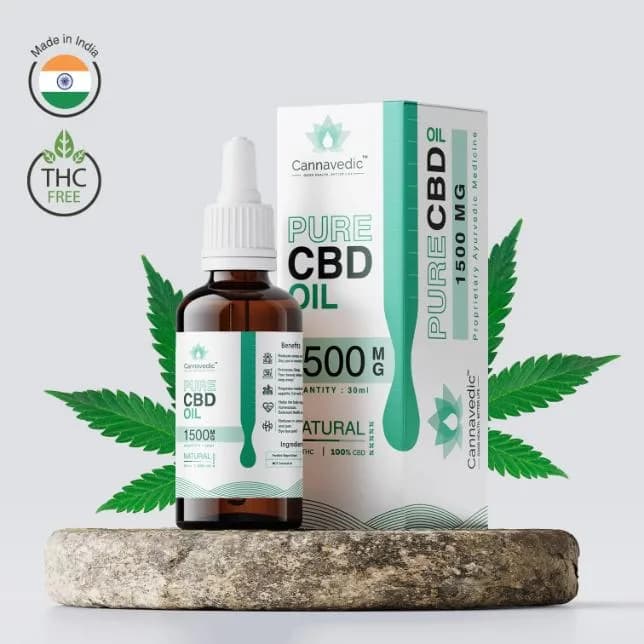
Cannavedic leads the premium segment with its Pure CBD Oil Natural 1500mg, priced at ₹4,000 for 30ml. Their Ayurvedic approach combines traditional wisdom with modern extraction techniques, ensuring high bioavailability and therapeutic efficacy.
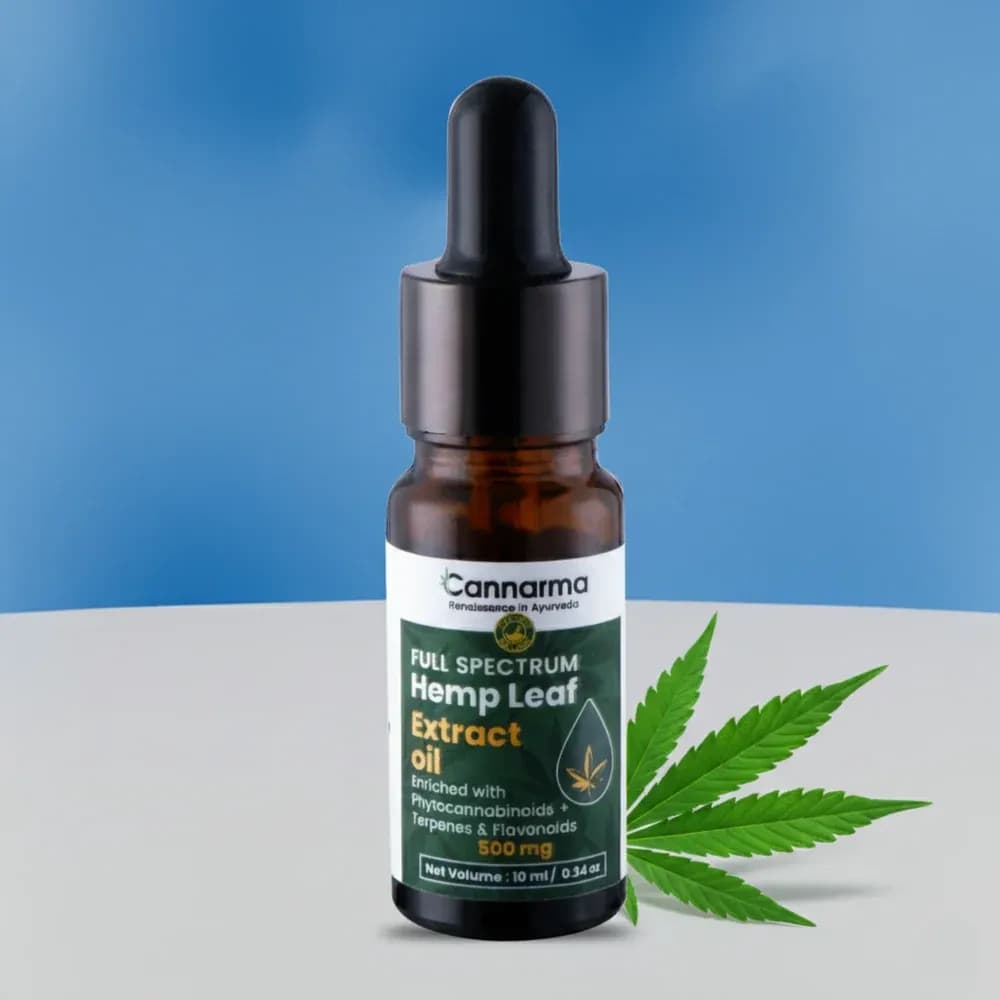
Cannarma offers excellent value with their Full Spectrum Hemp Extract Oil available in 500mg and 1500mg concentrations starting at ₹1,500. Their products undergo rigorous third-party testing for purity and potency.
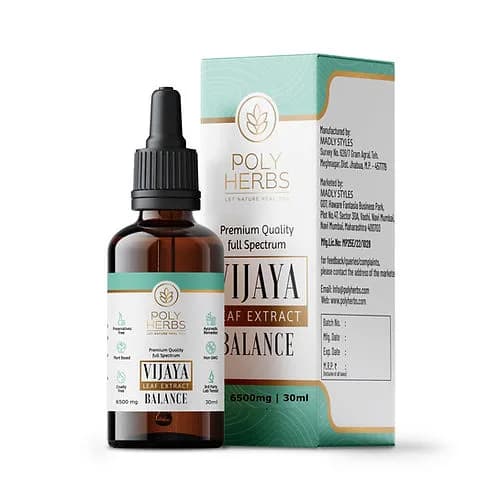
PolyHerbs provides therapeutic-grade formulations like the BALANCE 6500mg oil (₹2,799), specifically formulated for chronic and neurological pain management with clinical-strength dosing.
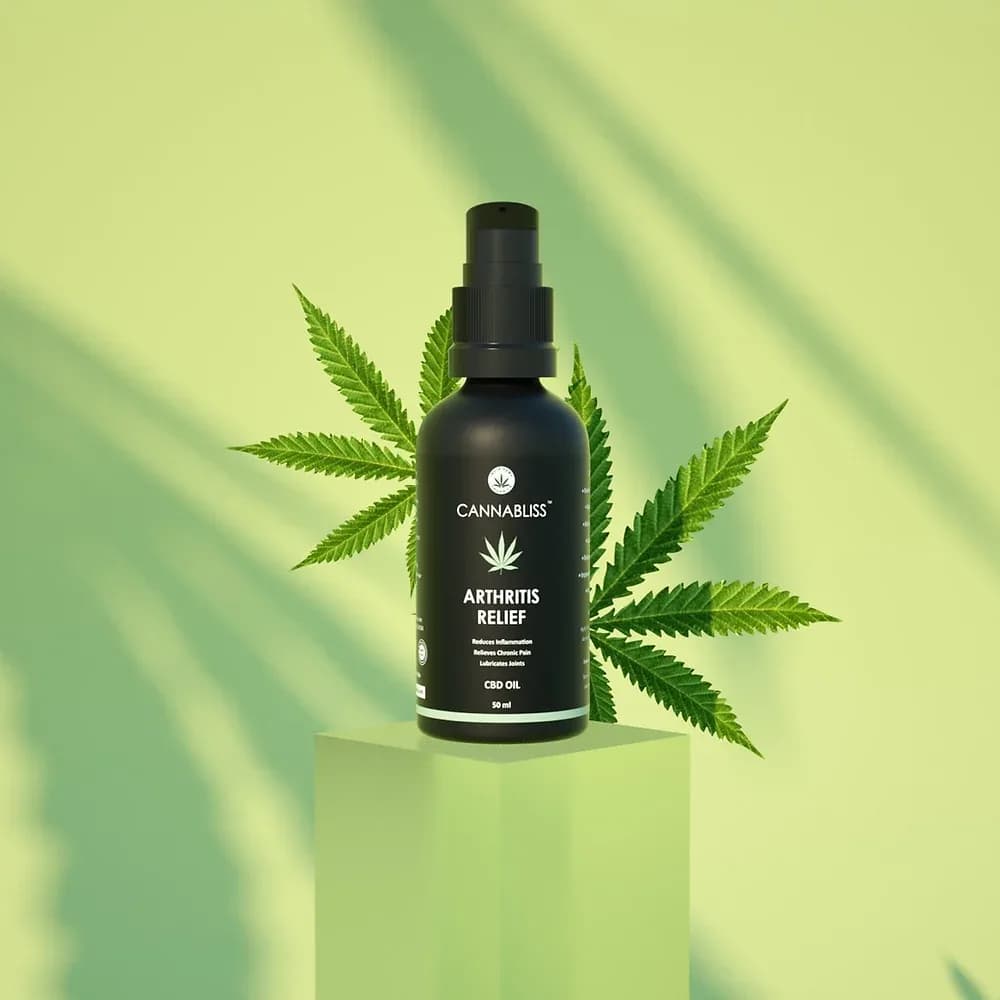
CannaBliss specializes in condition-specific formulations, including their Arthritis Relief Oil (₹749), combining CBD with traditional anti-inflammatory herbs for targeted relief.
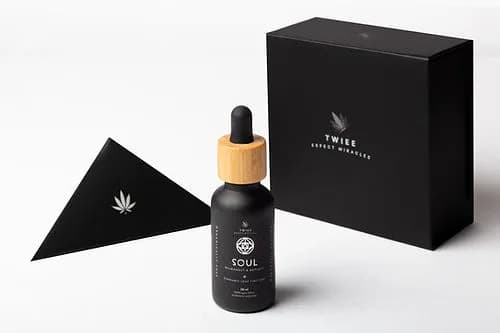
Twiee represents the luxury segment with products like Soul CBD Infused Natural Extract Tinctures (₹8,500), featuring premium extraction methods and organic certifications.
The Trost has also emerged as a significant player, combining hemp-derived CBD with Ayurvedic formulations for holistic wellness approaches.
Full-Spectrum vs Broad-Spectrum vs Isolate: Which to Choose
Understanding the differences between CBD oil types is crucial for making informed purchasing decisions based on individual needs and preferences.
Full-Spectrum CBD Oil contains the complete hemp plant profile, including minor cannabinoids (CBG, CBN, CBC), terpenes, and trace amounts of THC (<0.3%). Research consistently demonstrates superior therapeutic outcomes due to the entourage effect, where compounds work synergistically.
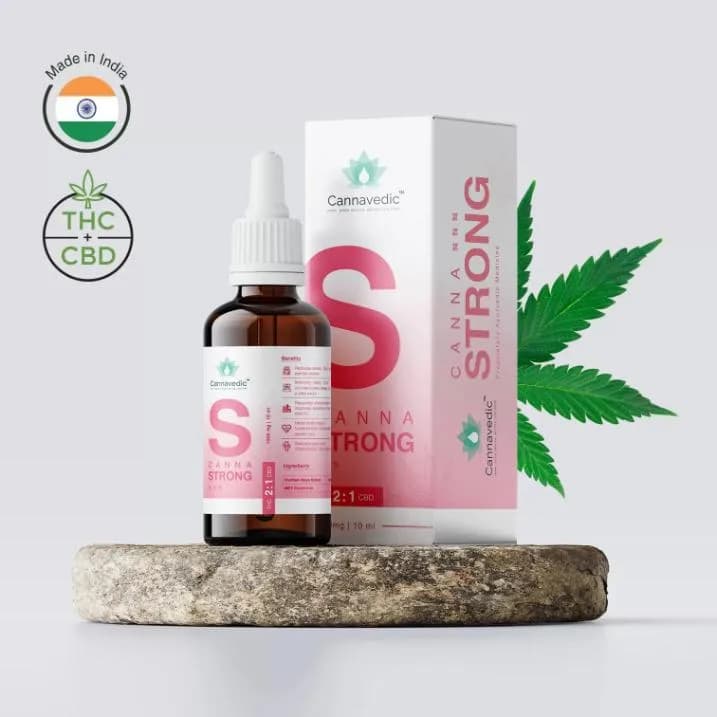
The CannaStrong THC+CBD Oil (2:1 ratio) exemplifies therapeutic full-spectrum formulations, priced at ₹5,500 for 1000mg in 10ml. This product requires prescription due to higher THC content but provides enhanced pain relief for serious conditions.
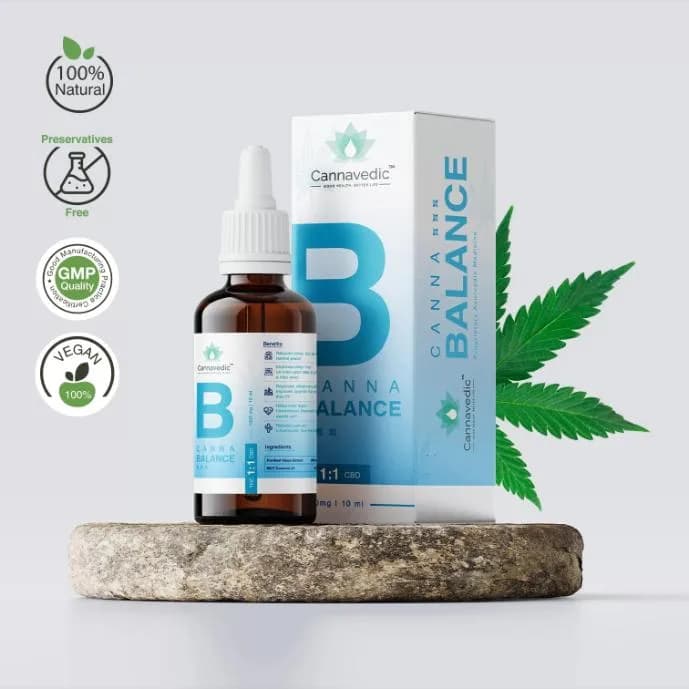
Broad-Spectrum CBD Oil offers entourage benefits without THC, making it ideal for those requiring drug testing or preferring zero psychoactive risk. The CannaBalance THC+CBD Oil (1:1) at ₹4,500 provides balanced cannabinoid profiles for comprehensive wellness support.
CBD Isolate products contain 99%+ pure CBD with all other compounds removed. While lacking entourage effects, isolates offer precise dosing and zero THC guarantee, making them suitable for sensitive individuals or those new to CBD.
For anxiety and stress management, full-spectrum formulations typically provide superior results due to the calming effects of complementary terpenes and minor cannabinoids.
Administration Methods: Sublingual vs Topical vs Capsules
CBD oil administration method significantly impacts onset time, duration, and bioavailability, making method selection crucial for optimal therapeutic outcomes.
Sublingual Administration involves placing CBD oil under the tongue for 60-90 seconds before swallowing. This method provides rapid absorption through mucous membranes, with effects typically beginning within 15-30 minutes and lasting 4-6 hours. Bioavailability ranges from 13-35%, making it highly efficient for systemic effects.
Topical Application involves direct application to skin for localized effects. CBD topicals don't enter systemic circulation significantly but provide targeted relief for pain, inflammation, and skin conditions. Effects begin within 15-45 minutes and can last 2-4 hours.
Oral Ingestion (Capsules/Edibles) provides convenient dosing but lower bioavailability (6-15%) due to first-pass metabolism. Effects begin after 30-120 minutes but last 6-8 hours, making this method ideal for sustained relief.
Vaporization offers the highest bioavailability (34-46%) and fastest onset (1-3 minutes) but shorter duration (2-4 hours). This method is ideal for acute symptoms requiring immediate relief.
For comprehensive pain management, combining sublingual and topical applications often provides optimal results. CBD gummies and edibles offer an alternative for those preferring oral administration despite lower bioavailability.
Reading Certificates of Analysis (COA): Ensuring Product Safety
Certificate of Analysis (COA) documents are essential for verifying CBD oil quality, potency, and safety. Every legitimate CBD product should include recent COA results from NABL-accredited laboratories.
A comprehensive COA should include:
- Cannabinoid Profile: Confirms CBD content and verifies THC levels below 0.3% for legal compliance
- Pesticide Screening: Tests for agricultural chemicals that could pose health risks
- Heavy Metals Testing: Screens for lead, mercury, cadmium, and arsenic contamination
- Microbial Testing: Checks for harmful bacteria, yeast, and mold
- Residual Solvents: Ensures extraction solvents have been properly removed
Red flags in COA analysis include:
- COA dates older than 6 months from purchase date
- Missing or incomplete testing panels
- Non-accredited laboratory testing
- Cannabinoid values significantly different from product labels
- Detection of harmful contaminants above safety limits
Reputable brands like those available through our curated CBD oil collection provide easily accessible COA documents for every batch, ensuring transparency and consumer confidence.
Spotting Fake CBD Oil: Red Flags and Warning Signs
The growing CBD market has unfortunately attracted unscrupulous sellers offering counterfeit or substandard products. Recognizing fake CBD oil protects both health and financial investment.
Price Red Flags: CBD oil priced significantly below market averages often indicates inferior quality or fraudulent products. Genuine full-spectrum CBD oil typically costs ₹2,000-₹8,000 for 30ml depending on concentration and brand positioning.
Marketing Claims: Avoid products making disease cure claims or promising unrealistic benefits. Legitimate CBD products focus on wellness support rather than medical treatment claims.
Packaging and Labeling: Professional packaging should include complete ingredient lists, manufacturing details, batch numbers, and clear dosage instructions. Poor-quality labels or missing information indicate questionable authenticity.
Import vs Domestic Production: Many fake products claim foreign origin to justify premium pricing. India's domestic CBD industry now produces world-class products at competitive prices, making expensive imports often unnecessary.
No COA or Testing: Any CBD product without readily available Certificate of Analysis from accredited laboratories should be avoided completely.
Unrealistic Potency Claims: Products claiming extremely high CBD concentrations at low prices are typically misrepresented or diluted.
When purchasing CBD oil, always buy from established retailers with verified customer reviews and transparent business practices. Professional consultations can also provide guidance on selecting authentic, therapeutic-grade products.
CBD Oil Price Guide: Understanding Value in India
CBD oil pricing in India varies significantly based on extraction method, concentration, brand positioning, and regulatory compliance. Understanding price factors helps consumers make informed purchasing decisions.
Budget Range (₹1,000-₹2,500): Entry-level products typically offer 300-1000mg CBD in 10-30ml bottles. While affordable, these products may use less sophisticated extraction methods or lower-grade hemp.
Mid-Range (₹2,500-₹5,000): Professional-grade products like Cannavedic's offerings provide excellent quality-to-price ratios with comprehensive testing and therapeutic concentrations.
Premium Range (₹5,000+): Luxury formulations featuring organic ingredients, advanced extraction techniques, and specialized formulations for specific health conditions.
Price per milligram of CBD provides the most accurate value comparison:
- Budget products: ₹2-₄ per mg CBD
- Mid-range products: ₹3-₆ per mg CBD
- Premium products: ₹5-₁₀ per mg CBD
Additional value factors include:
- Third-party testing and COA availability
- Customer service and education resources
- Return policies and quality guarantees
- Packaging and dosage convenience
When comparing prices, consider the total cost of achieving therapeutic effects rather than just bottle price. Higher-quality, more bioavailable products often provide better value despite higher upfront costs.
Getting Medical Consultation for CBD Oil Use
Professional medical guidance ensures safe and effective CBD oil use, particularly for individuals with existing health conditions or those taking other medications.
THC Store's doctor consultation service connects patients with healthcare professionals experienced in cannabis medicine and CBD therapeutics. This personalized approach provides several benefits:
- Personalized Dosing: Physicians can calculate optimal starting doses based on individual factors including body weight, metabolism, and condition severity
- Drug Interaction Assessment: Professional evaluation of potential interactions with existing medications
- Monitoring and Adjustment: Regular follow-ups to optimize dosage and address any concerns
- Legal Compliance: For higher-THC products requiring prescriptions, medical consultation ensures legal access
The consultation process typically involves:
- Initial health assessment and medical history review
- Discussion of current symptoms and treatment goals
- Product recommendations based on individual needs
- Dosage protocol development
- Follow-up scheduling for progress monitoring
Medical consultation becomes particularly important for:
- Chronic pain management requiring consistent therapeutic levels
- Mental health conditions where drug interactions are possible
- Elderly patients or those with multiple health conditions
- Patients considering full-spectrum or higher-THC formulations
Traditional Ayurvedic practitioners also provide valuable perspectives on incorporating CBD oil into holistic wellness protocols, combining modern research with ancient healing wisdom.
Future of CBD Oil in India: Market Trends and Developments
India's CBD oil market is experiencing rapid evolution, driven by increasing consumer awareness, regulatory clarity, and expanding research validation. Several trends are shaping the industry's future:
Regulatory Harmonization: Ongoing efforts to streamline CBD regulations across different ministries are creating more predictable market conditions. The alignment between AYUSH, FSSAI, and drug controller authorities is facilitating legitimate business growth.
Research Expansion: Indian research institutions are increasingly studying CBD's therapeutic applications, with particular focus on traditional Ayurvedic formulations enhanced with modern extraction techniques.
Manufacturing Localization: Growing domestic production capacity is reducing dependence on imports while improving quality control and pricing competitiveness.
Product Innovation: Advanced formulations targeting specific health conditions are emerging, including nano-emulsified products with enhanced bioavailability and time-release formulations for sustained effects.
Integration with Healthcare: Progressive healthcare providers are incorporating CBD oil into treatment protocols, particularly for pain management, anxiety, and sleep disorders.
Consumer Education: Increased awareness of proper dosing, product selection, and safety considerations is creating more sophisticated consumers who demand quality and transparency.
The market is projected to grow significantly as regulatory frameworks stabilize and therapeutic evidence continues accumulating. This growth benefits consumers through improved product quality, competitive pricing, and expanded access to professional guidance.
What makes CBD oil legal in India?
CBD oil is legal in India when derived from hemp leaves or seeds containing less than 0.3% THC, as these parts are excluded from the NDPS Act 1985 narcotic definition. Products must have Certificate of Analysis from NABL-accredited labs confirming compliance.
How do I choose between full-spectrum and isolate CBD oil?
Full-spectrum CBD oil provides enhanced therapeutic benefits through the entourage effect but contains trace THC. Choose full-spectrum for maximum efficacy unless you require zero THC for drug testing or prefer to avoid any psychoactive compounds, in which case CBD isolate is preferable.
What CBD oil dosage should I start with for anxiety?
Start with 5-10mg daily for anxiety, taken sublingually twice daily. Gradually increase by 5mg every 3-7 days until desired effects are achieved. Most people find relief with 10-40mg daily, but individual needs vary significantly.
How can I verify authentic CBD oil from fake products?
Verify authenticity by checking for recent Certificate of Analysis from accredited laboratories, professional packaging with complete ingredient lists, realistic pricing (₹2,000-₈,000 for quality 30ml bottles), and established brand reputation with customer reviews.
Do I need a prescription to buy CBD oil in India?
Pure CBD oil and hemp-derived products with THC below 0.3% don't require prescriptions. However, full-spectrum Vijaya extract products with higher cannabinoid content may need AYUSH prescriptions in some states. Consult healthcare providers for guidance on therapeutic products.
Ready to Start Your CBD Journey?
Explore our curated selection of premium CBD oils and tinctures from India's most trusted brands. Every product includes comprehensive COA documentation and quality guarantees.
Need personalized guidance? Book a consultation with our expert panel to develop a customized CBD protocol for your specific health goals.
Sources & References
- PMC11597428, Pharmaceuticals/MDPI (November 2024). "CBD: Systematic Review of Clinical and Preclinical Evidence in Pain Treatment." Analysis of 40+ studies confirming efficacy for osteoarthritis, chronic pain, neuropathic pain.
- PMC7880228, Mayo Clinic Proceedings (2021). "Therapeutic Efficacy of CBD: Review from Clinical Trials and Human Laboratory Studies." Comprehensive review confirming FDA-approved applications and emerging therapeutic uses.
- PubMed 39598172 (2024). "Systematic review of 11 RCTs on CBD and anxiety (2013-2023)." Meta-analysis demonstrating significant anxiety reduction with minimal adverse effects.
- Kayser et al., Nature Communications Medicine (2022). "Phase 2 clinical trial of full-spectrum high-CBD oil for anxiety." Demonstrated superior efficacy of full-spectrum over isolate formulations.
- Frontiers in Psychiatry (2024). "Real-world CBD usage analysis." Cross-sectional study on consumer usage patterns and reported benefits for anxiety, sleep, and pain.
Share this article
Written by
THC Store Editorial
Published 6 months ago