What Are Hemp Seeds? Complete Beginner's Guide to India's Superfood
Article Summary
What Are Hemp Seeds? Complete Beginner's Guide to India's Superfood Are you curious about hemp seeds but unsure what they actually are? You're not alone — hemp seeds are one of India's most misunderstood superfoods, with 73% of consumers confusing th...
Are you curious about hemp seeds but unsure what they actually are? You're not alone — hemp seeds are one of India's most misunderstood superfoods, with 73% of consumers confusing them with cannabis despite being completely different products. Hemp seeds are the nutrient-packed seeds of the Cannabis sativa plant that contain less than 0.3% THC, making them legal and non-psychoactive in India under FSSAI regulations.
Disclaimer: This article is for informational purposes only and does not constitute medical advice. Always consult a qualified healthcare professional before starting any new supplement or treatment. Cannabis-based products are to be taken under medical supervision in India (Drugs Rules, 1945). Book a consultation with our panel doctors for personalized guidance.
What Indian law says, in brief. Ganja (the flowering tops) and charas (the resin) are narcotic drugs under the NDPS Act, 1985 in every state. The Act's definition of cannabis leaves out the seeds, and the leaves when they are not accompanied by the tops, so whether bhang may be sold or possessed is decided by each state's own excise or prohibition law. Ayurvedic medicines made from the cannabis leaf are made under a state manufacturing licence and carry the label "to be taken under medical supervision" (Drugs Rules, 1945, Schedule E(1) and Rule 161). FSSAI permits hemp seed, hemp seed oil and hemp seed flour as food. Where anything further down this page differs from this note, rely on this note.
Last reviewed: 12 October 2026. General information, not legal advice.
This complete guide answers every question about hemp seeds — from their nutritional profile to legal status in India, health benefits backed by clinical research, and practical ways to incorporate them into your daily diet.
What Exactly Are Hemp Seeds? The Simple Answer
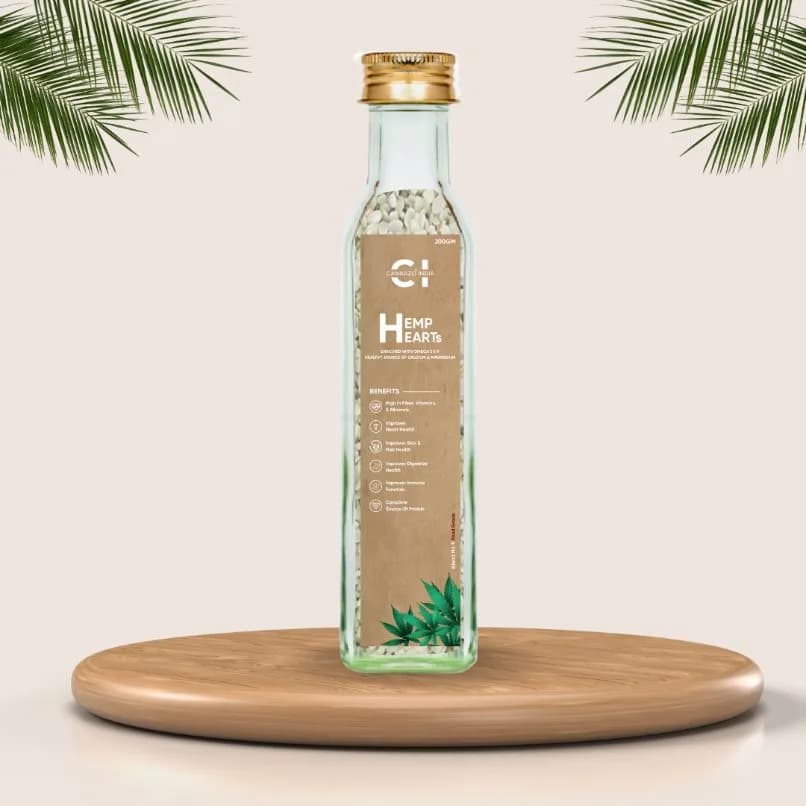
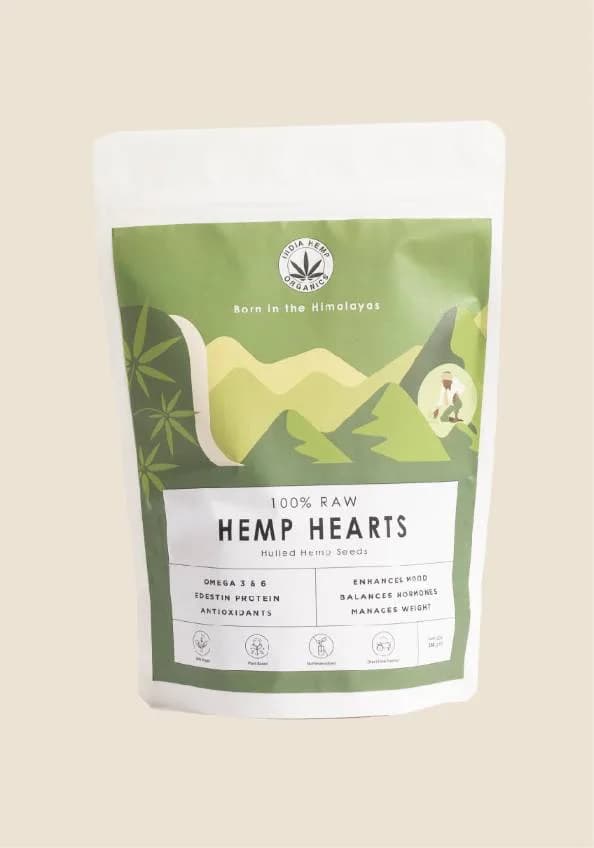
Hemp seeds, also known as hemp hearts when hulled, are small, brown seeds harvested from the Cannabis sativa L. plant. Unlike marijuana or Vijaya extract, hemp seeds contain virtually no THC (less than 0.3%) and cannot produce any psychoactive effects.
According to research published in PMC11085560 (Nutrients, 2024), hemp seeds contain over 30% oil content and approximately 25% complete protein, making them one of nature's most nutritionally dense foods. The study by Irakli et al. identifies hemp seeds as valuable sources of natural ingredients for functional foods.
Key characteristics of hemp seeds include:
- Nutty, mild flavor similar to sunflower seeds
- Soft, chewy texture when hulled (hemp hearts)
- Complete protein source with all essential amino acids
- Rich in healthy omega fatty acids
- Naturally gluten-free and vegan
- Legal food ingredient in India since November 2021
Hemp seeds are harvested from industrial hemp plants grown specifically for nutritional purposes, completely separate from cannabis cultivation for medical or recreational use.
Hemp Seeds vs Hemp Hearts: Understanding the Difference
Many people wonder about the difference between hemp seeds and hemp hearts. Here's the simple breakdown:
Hemp Seeds (Whole): The complete seed with its outer shell intact. The shell is edible but adds a crunchy texture and slightly bitter taste.
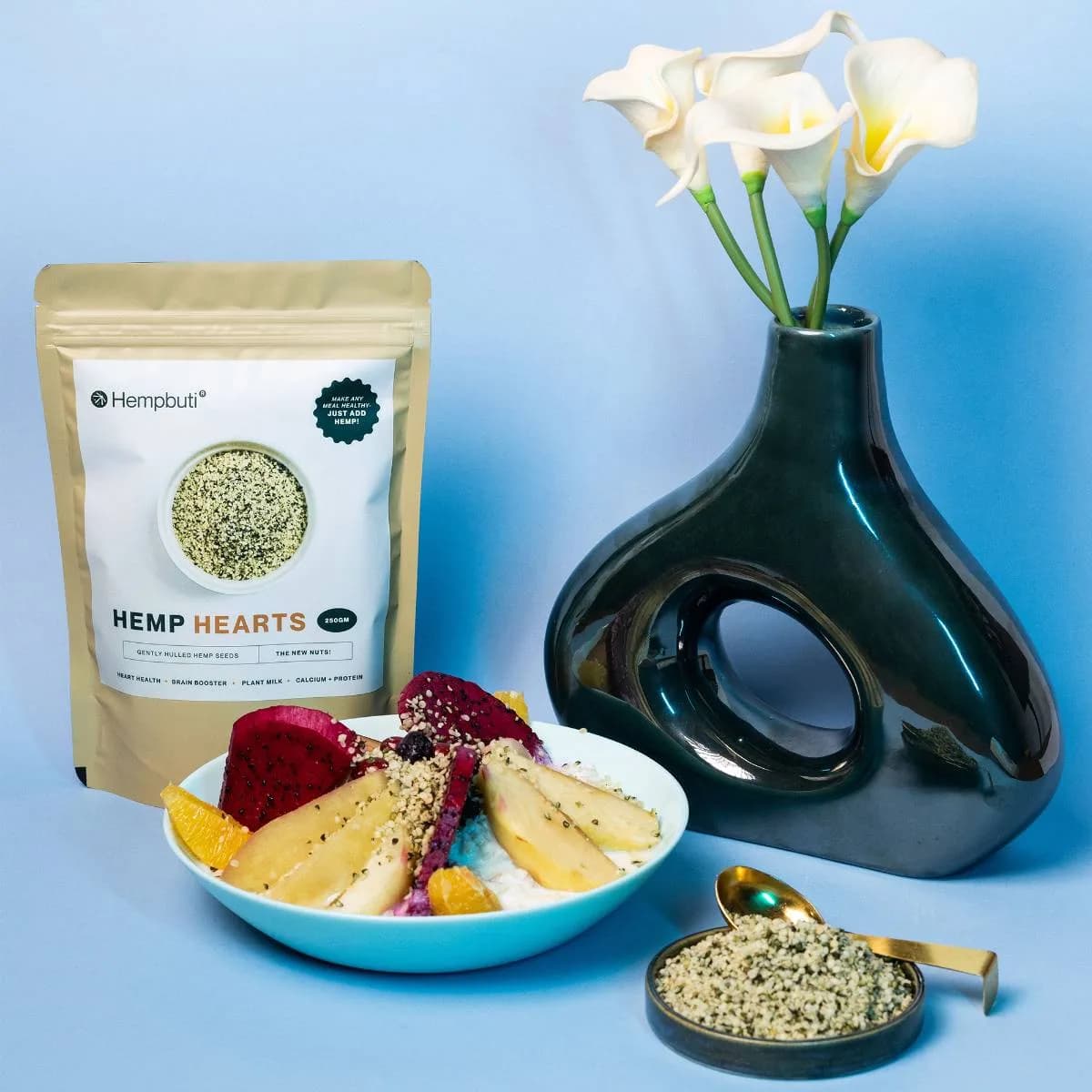
Hemp Hearts (Hulled): Hemp seeds with the outer shell removed, revealing the soft, creamy interior. These have a milder flavor and are easier to digest.
Most nutritional benefits come from the inner seed (hemp heart), which is why many prefer hulled hemp hearts for daily consumption. The hulling process doesn't reduce nutritional content — it simply makes the seeds more palatable and digestible.
Complete Nutritional Profile: What Makes Hemp Seeds Special
Hemp seeds are nutritional powerhouses packed with essential nutrients in optimal ratios. Based on clinical analysis from PMC11085560, here's the complete nutritional breakdown per 30g serving (3 tablespoons):
| Nutrient | Amount per 30g | % Daily Value |
|---|---|---|
| Calories | 170 | 8.5% |
| Protein | 10g | 20% |
| Total Fat | 12g | 15% |
| Omega-6 (Linoleic) | 8.7g | — |
| Omega-3 (ALA) | 2.6g | 162% |
| Magnesium | 210mg | 50% |
| Iron | 2.8mg | 15% |
| Zinc | 3mg | 27% |
The optimal omega-6 to omega-3 ratio in hemp seeds ranges from 2:1 to 3:1, which closely matches human nutritional needs. This ratio is superior to most other plant-based sources, making hemp hearts an ideal addition to Indian diets.
Complete Protein Powerhouse: Edestin and Albumin
Hemp seeds are one of the few plant foods containing complete proteins with all nine essential amino acids in optimal proportions. The protein content consists primarily of two high-quality proteins:
Edestin (65% of hemp protein): Easy-to-digest globular protein similar to proteins found in human blood plasma. Rich in arginine, which supports cardiovascular health and immune function.
Albumin (35% of hemp protein): Highly bioavailable protein that aids in muscle development and recovery.
Research shows hemp protein digestibility rates of 85-95%, comparable to animal proteins but without lactose, cholesterol, or potential allergens. This makes hemp seed products particularly valuable for vegetarians and vegans in India seeking complete protein sources.
The high arginine content (up to 14% of total amino acids) supports nitric oxide production, potentially benefiting cardiovascular health — a key concern given India's rising heart disease rates.
Science-Backed Health Benefits of Hemp Seeds
Clinical research reveals multiple health benefits of regular hemp seed consumption, particularly relevant for common health challenges in India:
Cardiovascular Health Benefits
A 2025 study in Frontiers in Nutrition (PMC12540152) by Toth et al. examined dietary hempseed and cardiovascular health. Key findings include:
- Hemp seed oil contains >80% polyunsaturated fatty acids (PUFAs)
- Preclinical studies show improved lipid profiles
- Reduced blood pressure in animal models
- Decreased oxidative stress markers
- Lower inflammation levels
Earlier research by Prociuk et al. (2008, PMC2868018) demonstrated that n-3 PUFAs from hempseed reduce thrombosis risk and platelet aggregation, potentially lowering heart attack and stroke risk.
For detailed cardiovascular benefits, read our comprehensive guide on hemp and heart health in India.
Anti-Inflammatory Properties
A 2024 ScienceDirect study highlighted the nutraceutical potential of hemp seeds, particularly their gamma-linolenic acid (GLA) content. GLA is a rare omega-6 fatty acid with powerful anti-inflammatory properties, potentially beneficial for:
- Arthritis and joint pain
- Skin conditions like eczema
- Autoimmune disorders
- Chronic inflammation
Digestive Health Support
Hemp seeds provide both soluble and insoluble fiber, promoting healthy digestion and gut microbiome balance. The soft texture of hemp hearts makes them easily digestible, unlike many other seeds that can cause gastric discomfort.
Legal Status of Hemp Seeds in India: Complete Regulatory Overview
Understanding the legal status of hemp seeds in India is crucial for consumers and businesses. Here's the complete regulatory framework:
FSSAI Approval (November 2021)
The Food Safety and Standards Authority of India (FSSAI) officially approved hemp seeds as legal food ingredients under Chapter 2.16 in November 2021. Approved hemp food products include:
- Hemp seeds (whole and hulled)
- Hemp seed oil
- Hemp flour/protein powder
- Hemp-based food products
NDPS Act Compliance
Under the Narcotic Drugs and Psychotropic Substances (NDPS) Act 1985, cannabis seeds and leaves are explicitly excluded from the definition of 'cannabis.' This means hemp seeds are completely legal for cultivation, processing, sale, and consumption in India.
Key regulatory requirements:
- Maximum THC content: 5.0 mg/kg in hemp seeds
- Maximum THC in hemp beverages: 0.2 mg/kg
- FSSAI registration/license required for hemp food businesses
- Products cannot be labeled as containing CBD
- Hemp cultivation requires state government permits
It's important to distinguish between hemp seeds (legal food) and Vijaya extract products (medical cannabis requiring prescriptions), as they serve entirely different purposes and have different legal frameworks.
How to Use Hemp Seeds in Indian Cooking
Hemp seeds adapt beautifully to Indian cuisine, adding nutrition without altering traditional flavors. Here are popular ways to incorporate them:
Direct Consumption Methods
- Raw snacking: 1-2 tablespoons of hemp hearts as a mid-morning or evening snack
- Smoothie boost: Blend 1 tablespoon into mango lassi or banana smoothies
- Yogurt topping: Sprinkle over curd or Greek yogurt with honey
- Cereal addition: Mix into upma, poha, or oatmeal
Cooking Applications
- Dal enhancement: Stir hemp hearts into cooked dal for extra protein
- Roti stuffing: Mix hemp flour into wheat flour for protein-rich rotis
- Salad topping: Sprinkle over Indian-style salads and raitas
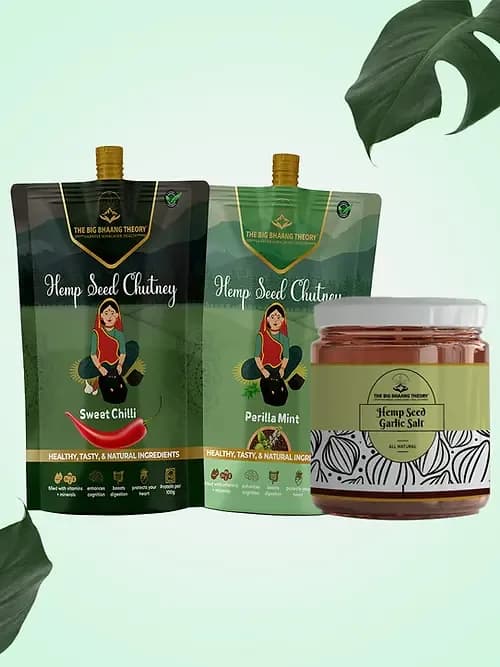
- Chutney ingredient: Blend into mint or coriander chutneys
Hemp seed oil can replace or supplement other cooking oils, though it's best used for finishing dishes or salads rather than high-heat cooking to preserve nutritional content.
Dosage Guidelines and Safety Considerations
While hemp seeds are generally safe for most people, proper dosage ensures optimal benefits without digestive discomfort:
Recommended Daily Intake
- Beginners: Start with 1 tablespoon (10g) daily
- Regular users: 2-3 tablespoons (20-30g) daily
- Athletes/Active individuals: Up to 4 tablespoons (40g) daily
Timing Recommendations
- Morning: Add to breakfast for sustained energy
- Pre-workout: 30 minutes before exercise for protein support
- Post-workout: Within 30 minutes for muscle recovery
- Evening: Light serving with dinner for overnight recovery
For personalized dosage recommendations, especially if you have existing health conditions, consider booking a consultation with our panel doctors.
Potential Side Effects and Precautions
Hemp seeds are generally well-tolerated, but some individuals may experience:
Mild Side Effects
- Digestive discomfort when consuming large amounts initially
- Loose stools if intake exceeds 4 tablespoons daily
- Mild throat irritation from whole seeds (resolved by choosing hulled versions)
Drug Interactions
- Blood thinners: Hemp seeds may enhance anticoagulant effects
- Cardiac medications: Consult doctors before use if on heart medications
- Immunosuppressants: May interact due to immune-supporting properties
Contraindications
- Severe seed allergies (rare but possible)
- Scheduled surgeries (discontinue 2 weeks prior due to bleeding risk)
- Pregnancy/lactation (insufficient safety data, consult healthcare providers)
Always start with small amounts and gradually increase to assess individual tolerance.
Best Hemp Seed Products Available in India
The Indian hemp food market offers various high-quality options for different preferences and needs:
Whole Hemp Seeds
Ideal for those who enjoy the crunchy texture and want maximum fiber content. Popular options include tester packs for beginners wanting to try different varieties.
Hemp Hearts (Hulled Seeds)
Soft, creamy texture preferred by most consumers. Top choices include premium hemp hearts and bulk options for regular users.
Hemp Seed Oil
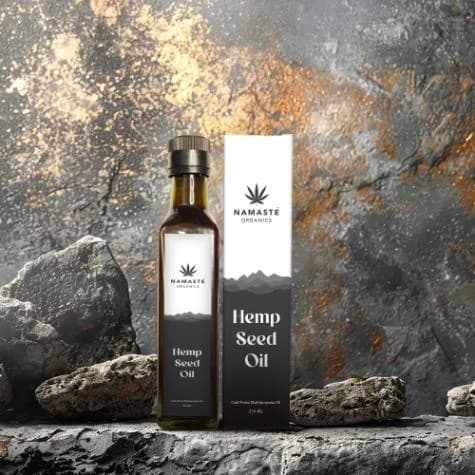
Cold-pressed oils retain maximum nutritional value. Consider certified organic options from established brands for cooking and direct consumption.
Flavored Varieties
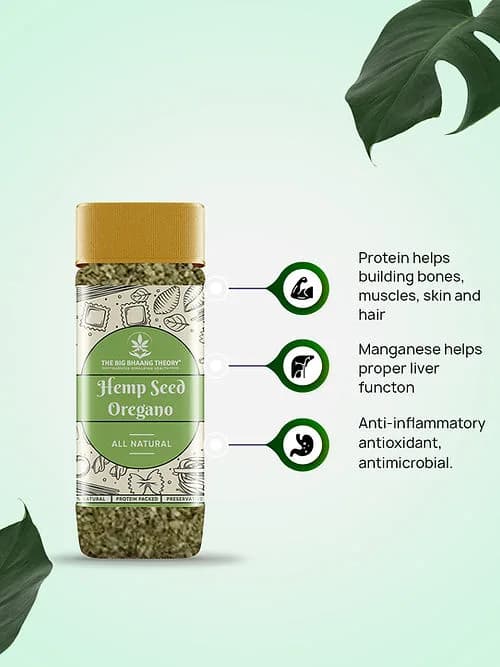
For those seeking variety, products like oregano-flavored hemp seeds add culinary excitement while maintaining nutritional benefits.
Hemp Food Products
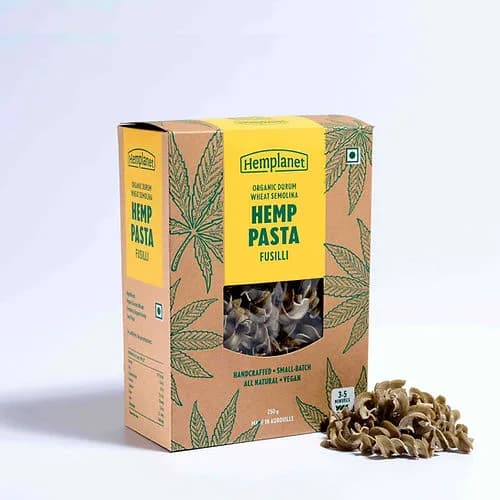
Processed foods like hemp pasta offer convenient ways to incorporate hemp nutrition into familiar meals.
Hemp Seeds vs Other Superfoods: Nutritional Comparison
How do hemp seeds stack up against other popular superfoods in India? Here's a comprehensive comparison:
| Superfood (30g) | Protein | Omega-3 | Fiber | Key Advantage |
|---|---|---|---|---|
| Hemp Seeds | 10g | 2.6g | 1.2g | Complete amino acids |
| Chia Seeds | 5g | 5.1g | 10g | Higher fiber |
| Flax Seeds | 5g | 6.4g | 8g | Highest omega-3 |
| Pumpkin Seeds | 9g | 0.1g | 1.7g | High zinc |
| Sunflower Seeds | 6g | 0g | 3g | Vitamin E |
Hemp seeds offer the best overall protein quality with complete amino acids, making them superior for muscle building and recovery compared to other plant-based options.
Hemp Seeds for Specific Health Goals
Different health objectives benefit from targeted hemp seed consumption strategies:
Weight Management
Hemp seeds support healthy weight management through:
- High protein content promoting satiety
- Healthy fats supporting hormone production
- Fiber aiding digestive health
- Balanced nutrition preventing cravings
Recommended: 2 tablespoons daily, preferably before meals to enhance fullness.
Muscle Building & Recovery
The complete amino acid profile, particularly high arginine content, supports muscle development and recovery. Combine with exercise for optimal results.
For additional muscle support, explore our wellness edibles that complement hemp seed nutrition.
Skin & Hair Health
Essential fatty acids in hemp seeds support skin barrier function and hair health. The optimal omega ratio helps reduce inflammation that contributes to skin conditions.
Learn more about hemp's topical benefits in our guide to hemp personal care and skincare.
Immune System Support
Hemp seeds contain immune-supporting nutrients including zinc, magnesium, and antioxidants. Regular consumption may help maintain immune function.
For comprehensive immune support, consider combining with other natural immunity boosters available in Indian wellness traditions.
Storage and Freshness Tips
Proper storage maintains hemp seed nutritional value and prevents rancidity:
Storage Guidelines
- Unopened packages: Store in cool, dry place for up to 2 years
- Opened packages: Refrigerate and use within 3-4 months
- Hemp hearts: More perishable; refrigerate and use within 6 weeks
- Hemp seed oil: Refrigerate after opening; use within 2 months
Signs of Spoilage
- Rancid or bitter smell
- Off taste or unusual flavors
- Visible mold or discoloration
- Oily or sticky texture in dry seeds
Quality hemp seeds should have a fresh, nutty aroma and pleasant taste. When in doubt, discard and purchase fresh products.
Future of Hemp Foods in India
The hemp food industry in India is experiencing rapid growth following FSSAI approval. Market trends indicate:
- Increasing consumer awareness of nutritional benefits
- Growing availability in mainstream retail
- Product innovation in hemp-based foods
- Rising acceptance among health-conscious consumers
- Expansion of domestic hemp cultivation
As research continues and regulations evolve, hemp seeds are positioned to become a staple in Indian nutrition, similar to traditional superfoods like millets and quinoa.
For the latest updates on cannabis and hemp developments, stay informed through our cannabis education resources and natural wellness guides.
Frequently Asked Questions About Hemp Seeds
Are hemp seeds legal to buy and consume in India?
Yes, hemp seeds are legal in India following FSSAI approval in November 2021. They are classified as food ingredients and can be purchased, sold, and consumed without restrictions. Hemp seeds contain less than 0.3% THC and are explicitly excluded from NDPS Act prohibitions.
Will hemp seeds show up on drug tests?
High-quality hemp seeds should not cause positive drug tests as they contain negligible THC levels (below 5 mg/kg as per FSSAI standards). However, contamination during processing could theoretically cause issues, so purchase from reputable brands and inform testing authorities of hemp seed consumption if necessary.
How long does it take to see health benefits from hemp seeds?
Initial benefits like improved digestion and sustained energy may be noticed within a few days. Cardiovascular and anti-inflammatory benefits typically become apparent after 4-6 weeks of regular consumption. Skin and hair improvements may take 2-3 months of consistent use.
Can hemp seeds replace protein powder for fitness goals?
Hemp seeds provide high-quality complete protein but in smaller concentrations than protein powders. While 30g of hemp seeds provides 10g protein, the same amount of protein powder might provide 20-25g. Hemp seeds offer additional benefits like healthy fats and minerals that protein powders lack.
What's the difference between hemp seeds and cannabis seeds?
Hemp seeds and cannabis seeds come from the same plant species (Cannabis sativa) but different varieties. Hemp is specifically cultivated for low THC content (<0.3%) and high nutritional value, while cannabis seeds for marijuana cultivation contain higher THC genetics. Only hemp seeds are legal for food use in India.
Sources & References
- Irakli, M., et al. (2024). "Hemp Seeds as Valuable Source of Natural Ingredients for Functional Foods." Nutrients, PMC11085560.
- Toth, A., et al. (2025). "Dietary hempseed and cardiovascular health." Frontiers in Nutrition, PMC12540152.
- Prociuk, M.A., et al. (2008). "Cardiac and haemostatic effects of dietary hempseed." European Journal of Nutrition, PMC2868018.
- MDPI Foods. (2025). "Hemp Seed-Based Foods Are Sustainable Rich Sources of Nutrients." Foods 14(5)875.
- Food Safety and Standards Authority of India. (2021). "Food Safety and Standards (Food Products Standards and Food Additives) Regulations, Chapter 2.16."
- Government of India. (1985). "The Narcotic Drugs and Psychotropic Substances Act, 1985."
- ScienceDirect. (2024). "Nutraceutical potential of hemp seed Cannabis sativa L." Various journals compilation.
Share this article
Written by
THC Store Editorial
Published 6 months ago