Cannabis Candy India: Complete Legal Guide to Vijaya Sweets, Gummies & Edible Confectionery
Article Summary
Cannabis candy India is one of the fastest-growing search categories in the country's legal herbal wellness space — and for good reason. From Vijaya extract gummies and Ayurvedic modak sweets to hemp-infused chocolates and herbal laddoos, a new gener...
Cannabis candy India is one of the fastest-growing search categories in the country's herbal wellness space — and for good reason. From Vijaya extract gummies and Ayurvedic modak sweets to hemp-infused chocolates and herbal laddoos, a new generation of cannabis-based confectionery is reshaping how Indians consume therapeutic plant medicine. Whether you're a curious first-timer or a patient exploring edible options, this guide covers everything you need to know about cannabis candy in India — the legal framework, types available, dosage guidance, clinical science, and where to buy safely with a valid prescription.
Disclaimer: This article is for informational purposes only and does not constitute medical advice. Always consult a qualified healthcare professional before starting any new supplement or treatment. Cannabis-based products are to be taken under medical supervision in India (Drugs Rules, 1945). Book a consultation with our panel doctors for personalized guidance.
What Indian law says, in brief. Ganja (the flowering tops) and charas (the resin) are narcotic drugs under the NDPS Act, 1985 in every state. The Act's definition of cannabis leaves out the seeds, and the leaves when they are not accompanied by the tops, so whether bhang may be sold or possessed is decided by each state's own excise or prohibition law. Ayurvedic medicines made from the cannabis leaf are made under a state manufacturing licence and carry the label "to be taken under medical supervision" (Drugs Rules, 1945, Schedule E(1) and Rule 161). FSSAI permits hemp seed, hemp seed oil and hemp seed flour as food. Where anything further down this page differs from this note, rely on this note.
Last reviewed: 12 October 2026. General information, not legal advice.
What Is Cannabis Candy? Understanding the Basics
Cannabis candy refers to any confectionery product — gummies, lollipops, chocolates, laddoos, modak sweets, caramels, or hard candies — that contains cannabis-derived compounds such as cannabidiol (CBD), tetrahydrocannabinol (THC), or full-spectrum Vijaya extract. In India's regulatory framework, the specific compounds and their source determine legality: products made from cannabis leaves (Vijaya) can be sold only as licensed Ayurvedic medicines, while ganja (flowering tops) and charas (resin) are narcotic drugs under the NDPS Act 1985.
The category includes both Ayurvedic classical preparations — such as Mewa Modak Vati (a traditional cannabis-infused sweet) — and modern pharmaceutical-grade edible gummies made by brands holding a state Ayurvedic manufacturing licence. The common thread is oral ingestion: when you eat a cannabis candy, the active compounds travel through your digestive system and liver before entering the bloodstream, creating a distinct and longer-lasting effect profile compared to other routes of administration.
Legal Status of Cannabis Candy in India — NDPS Act 2026 Update
India's legal landscape for cannabis candy is nuanced. Under the Narcotic Drugs and Psychotropic Substances (NDPS) Act 1985, the following applies:
- Prohibited: Cannabis flower (ganja), resin (charas), and any preparation derived from these are narcotic drugs; making, selling or possessing them is prohibited except for medical or scientific purposes as the Act provides.
- Outside the definition: Cannabis seeds and leaves (the leaf is called Vijaya in Ayurveda) are left out of the NDPS Act's definition of cannabis when not accompanied by the flowering tops; whether they may be sold or possessed is decided by each state's excise or prohibition law.
- AYUSH-licensed: Ayurvedic preparations containing Vijaya leaf extract — including edible formulations — fall under Schedule E(1) of the Drugs Rules, 1945: they need a state manufacturing licence and must carry the label "to be taken under medical supervision".
- Hemp seed foods: FSSAI permits only hemp seed, hemp seed oil and hemp seed flour as food, with total THC capped at 5 mg/kg (10 mg/kg for oil) and naturally occurring CBD at 75 mg/kg; there is no 0.3% THC limit, and health claims about CBD are not allowed.
Practically speaking, a cannabis candy or gummy has a route to sale in India only as a licensed Ayurvedic medicine made from Vijaya leaf — not from ganja or charas. Always consult a registered Ayurvedic doctor before purchasing, and check your state's excise or prohibition law.
How Cannabis-Leaf Medicines Are Regulated — Schedule E(1)
Cannabis leaf (Bhanga/Vijaya, except the seeds) is listed in Schedule E(1) of the Drugs Rules, 1945 as a poisonous substance under the Ayurvedic system, so it can be an ingredient of a licensed Ayurvedic medicine. We could not confirm any 2018 Ministry of Ayush ruling; the Ministry says it does not certify or approve any company or medicine. Licensed manufacturers sell products such as:
- Cannabis gummies and chewable tablets
- Traditional Ayurvedic modak sweets containing Vijaya extract
- Herbal laddoos with cannabis leaf extract
- Hemp seed foods within FSSAI's hemp seed standard (cannabis-infused chocolate is outside it)
- Herbal teas and lozenges containing Vijaya
The key requirements: a manufacturing licence from the State Licensing Authority under the Drugs and Cosmetics Act 1940 (granted, since an August 2024 Ministry of Ayush order, only after Central Government clearance), and the label "Caution: to be taken under medical supervision" required by Rule 161(2) of the Drugs Rules, 1945. Bhang preparations, another traditional form, are governed by each state's excise or prohibition law; Uttar Pradesh and Odisha, for example, license retail bhang shops.
Types of Cannabis Candy Available in India
The Indian market now offers a diverse range of cannabis-leaf candy and edible formats. Here's what you'll find on reputable platforms:
1. Vijaya Extract Gummies
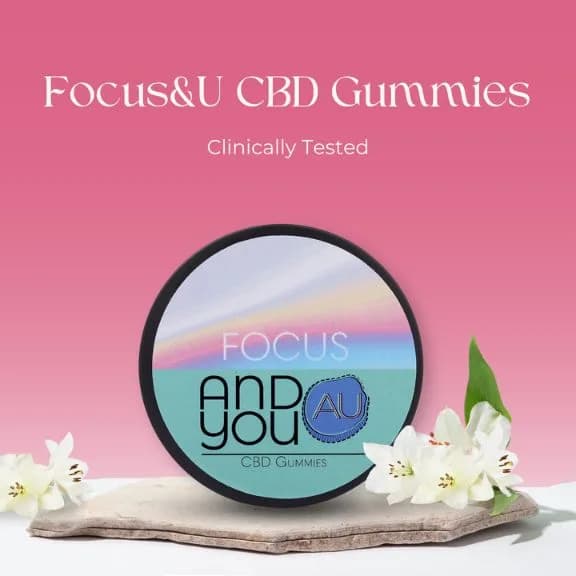
Modern pharmaceutical-grade gummies are the most popular cannabis candy format in India today. Products like Focus&U Gummies (200mg CBD) by AND YOU deliver precise doses of cannabidiol in a convenient, pleasant-tasting format. These are formulated for specific therapeutic goals — sleep, focus, anxiety relief — and typically cost ₹800–₹1,500 per pack of 30 gummies.
2. Mewa Modak Vati — Classical Ayurvedic Cannabis Sweets
Mewa Modak Vati is a traditional Ayurvedic preparation from brands like Sanan that combines Vijaya extract with a base of dried fruits (mewa) and herbal binders in a modak (laddoo) shape. These are sold as classical Ayurvedic preparations and need a state manufacturing licence, like other cannabis edibles sold as Ayurvedic medicines in India. Typically available in packs of 5–10 modaks, priced ₹600–₹2,000 depending on potency.
3. Hemp Seed Chocolates & Infused Foods
FSSAI's standard covers only hemp seed, hemp seed oil and hemp seed flour (total THC up to 5 mg/kg, naturally occurring CBD up to 75 mg/kg). Chocolate infused with CBD isolate or hemp extract is outside that standard, and FSSAI allows no health claims about CBD. Hemp seed chocolate from an FSSAI-licensed manufacturer is the food option.
4. Vijaya Vati / Medicated Lozenges
Classical Ayurvedic Vijaya Vati are medicated tablets or lozenges — technically a candy form — containing standardized Vijaya extract alongside supporting herbs like ashwagandha, brahmi, or trikatu. Available by prescription from Ayurvedic physicians and licensed Ayurvedic pharmacies.
5. Bhang-Based Sweets
In states that license retail bhang (Uttar Pradesh and Odisha, for example), bhang-infused traditional sweets such as bhang ki barfi, bhang ki laddoo, and bhang thandai are sold at licensed shops; elsewhere it depends on the state's excise or prohibition law. These are culturally significant but carry variable potency and are not recommended without guidance from a knowledgeable practitioner.
Cannabis Candy vs Other Delivery Methods — Comparison Table
Understanding how cannabis candy compares to other delivery formats helps you choose the right form for your therapeutic needs:
| Delivery Format | Onset Time | Duration | Bioavailability | Status in India | Typical INR Cost |
|---|---|---|---|---|---|
| Cannabis Candy / Gummies | 30–120 minutes | 4–8 hours | 10–20% (variable) | Only as a licensed Ayurvedic leaf medicine | ₹600–₹2,500/pack |
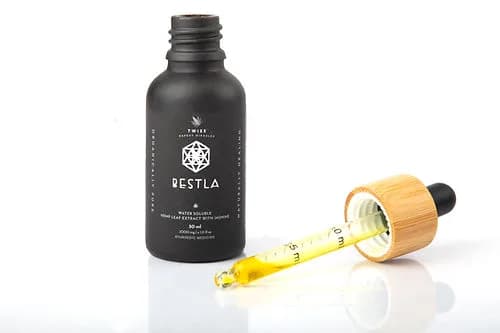
| Vijaya Extract Oil / Tincture | 15–45 minutes | 4–6 hours | 13–35% (sublingual) | Licensed Ayurvedic leaf medicine, or hemp seed oil as food | ₹800–₹6,000/bottle |
| Hemp Cigarette (Smoking) | 5–10 minutes | 1–3 hours | 25–50% (inhaled) | ⚠️ No legal category found; flowering tops are ganja | ₹100–₹400/cigarette |
| CBD Capsules | 30–90 minutes | 6–8 hours | 6–15% | No rule names CBD; only as a licensed Ayurvedic leaf medicine | ₹800–₹2,500/bottle |
| Traditional Modak Vati | 45–120 minutes | 5–8 hours | Variable | Licensed Ayurvedic medicine | ₹600–₹2,000/pack |
| Cannabis Vaporizer | 5–15 minutes | 2–4 hours | 40–60% (inhaled) | ⚠️ No legal category found | ₹2,000–₹10,000 |
How Cannabis Candy Works in the Body — The Science of Edible Pharmacokinetics
When you eat a cannabis candy, the pharmacokinetics differ significantly from other consumption methods. This is critical for dosing correctly and avoiding accidental overconsumption.
First-pass hepatic metabolism: After ingestion, cannabinoids (THC, CBD) are absorbed through the gut lining and enter the hepatic portal system, where the liver converts delta-9-THC into 11-hydroxy-THC — a more potent metabolite that crosses the blood-brain barrier more efficiently than delta-9-THC itself. This is why cannabis edibles feel stronger and last longer than inhaled forms at equivalent doses.
Onset delay: The delayed onset (30–120 minutes depending on formulation, fat content, and individual metabolism) is the leading cause of accidental overconsumption. A 2025 Johns Hopkins clinical trial (NCT05602649) examining THC-infused chocolates, gummies, and drinks at doses of 0, 10, and 25mg THC in 40 healthy adults highlighted significant inter-individual variability in absorption kinetics — reinforcing the need for personalized dosing guidance from a qualified practitioner.
Fat-solubility matters: Cannabinoids are lipophilic (fat-soluble). Cannabis candy consumed with a fat-containing meal shows up to 3x greater bioavailability than when taken on an empty stomach. For therapeutic users in India, this means taking your cannabis candy after a meal containing ghee, coconut oil, or healthy fats significantly improves effectiveness at lower doses.
CBD-THC interaction: Research from Johns Hopkins Medicine (2023) found that CBD may increase the adverse effects of THC in edible cannabis products by modulating THC metabolism, underscoring the importance of product transparency and standardized dosing. Rule 161(1) of the Drugs Rules, 1945 requires the label of an Ayurvedic medicine to list its ingredients with their quantities.
Want a personalized dosing plan based on your condition and body weight? Book a consultation with our Ayurvedic doctors for evidence-based guidance.
Dosage Guide for Cannabis Candy in India
Dosing cannabis candy correctly is the most important factor in a safe, beneficial experience. The following guidelines are based on the principle of "start low, go slow" — widely used by Ayurvedic practitioners.
General Dosage Framework:
- Beginners (0–2 mg CBD or 2.5–5 mg THC-equivalent via Vijaya): Start with the lowest-dose product available. One small Vijaya gummy or half a modak vati is appropriate for a first trial. Wait 2 hours before considering a second dose.
- Moderate users (5–10 mg CBD or 5–10 mg Vijaya extract): Patients who have established tolerance and are using cannabis candy for specific conditions like chronic pain, anxiety, or sleep disorders. Always under physician guidance.
- Experienced therapeutic users (10–25 mg and above): Only with documented Ayurvedic/medical prescription and regular monitoring.
Condition-specific considerations:
- Pain (arthritis, neuropathy): Full-spectrum Vijaya gummies with higher THC ratios may be more effective for pain; onset 45–90 minutes, plan dosing 90 min before anticipated pain peaks.
- Anxiety/stress: CBD-dominant candy is preferred; smaller doses (5–10 mg CBD) are typically effective. Avoid high-THC cannabis candy, which may paradoxically worsen anxiety at high doses.
- Sleep disorders: Evening dosing (30–60 min before bedtime) with indica-profile Vijaya extract or CBD + melatonin formulations.
- Chronic inflammation: Full-spectrum or broad-spectrum CBD candy taken consistently twice daily tends to produce best results via the entourage effect.
Critical reminder: Dosage in cannabis candy is not one-size-fits-all. Factors including body weight, metabolic rate, liver function, concurrent medications, and the specific condition being treated all influence optimal dosing. Connect with a qualified doctor on our platform to receive a personalized prescription and dosage plan.
Cannabis-Leaf Candy Products in India — What to Look For
When shopping for cannabis candy in India, these quality markers distinguish properly licensed, tested products from substandard alternatives:
- State manufacturing licence: The manufacturer must hold an Ayurvedic manufacturing licence granted by the State Licensing Authority under the Drugs and Cosmetics Act.
- Certificate of Analysis (CoA): Every batch should have third-party laboratory testing confirming cannabinoid content, THC limits, and absence of pesticides, heavy metals, and microbial contaminants.
- Declared cannabinoid content: Look for clear mg-per-piece labelling. Avoid products that only state "contains cannabis extract" without specifying amounts.
- Source of Vijaya/hemp: Ask the manufacturer where its Vijaya leaf comes from; growing the cannabis plant is an NDPS offence unless the government permits it, and state cultivation rules could not be verified.
- Medical supervision: Medicines containing cannabis leaf (Schedule E(1)) must carry the label "to be taken under medical supervision", and the Ministry of Ayush says they are to be taken under a registered practitioner's supervision. Reputable platforms will ask for a prescription.
- Shelf life and packaging: Cannabis candy degrades in heat and humidity — India's climate demands airtight, light-resistant packaging with clear expiry dates.
Browse our curated selection of AYUSH-licensed Ayurvedic cannabis preparations and CBD products from verified brands on THC Store.
Cannabis Candy for Specific Health Conditions
Cannabis-leaf candy in India is increasingly being explored as an adjunct therapeutic option for several conditions. Here's what the current evidence suggests:
Chronic Pain & Neuropathy
A 2024 ScienceDirect critical appraisal of cannabis for medicine and food noted that the endocannabinoid system's role in pain modulation — via CB1 and CB2 receptors in the spinal cord and peripheral nervous system — is why cannabinoid edibles are being studied for conditions like fibromyalgia, diabetic neuropathy, and arthritis. Products like Canatica-H100 for neuralgic pain represent this category in India's market.
Anxiety & Stress
CBD-dominant cannabis candy is one of the most studied applications. A 2025 scoping review (PMC12695116) examining cannabinoids for anxiety and sleep found consistent anxiolytic signals in human trials at CBD doses of 300–600 mg daily, though effective doses in naturalistic settings are often lower. For India's growing urban stress burden, edible formats are an area of research rather than an established treatment.
Sleep Disorders & Insomnia
Cannabis candy taken 30–60 minutes before bed has been used traditionally in Ayurveda (Vijaya is referenced in the Charaka Samhita for promoting nidra — sleep) and is now being studied in modern research. A 2019 pilot RCT (PMC6326553) found significant improvements in both anxiety scores and sleep quality in a CBD cohort, with effects maintained over a 3-month follow-up. The Calmosis Sleep Mantra range on THC Store combines Vijaya extract with Ayurvedic sleep herbs for a comprehensive approach.
Inflammation & Autoimmune Conditions
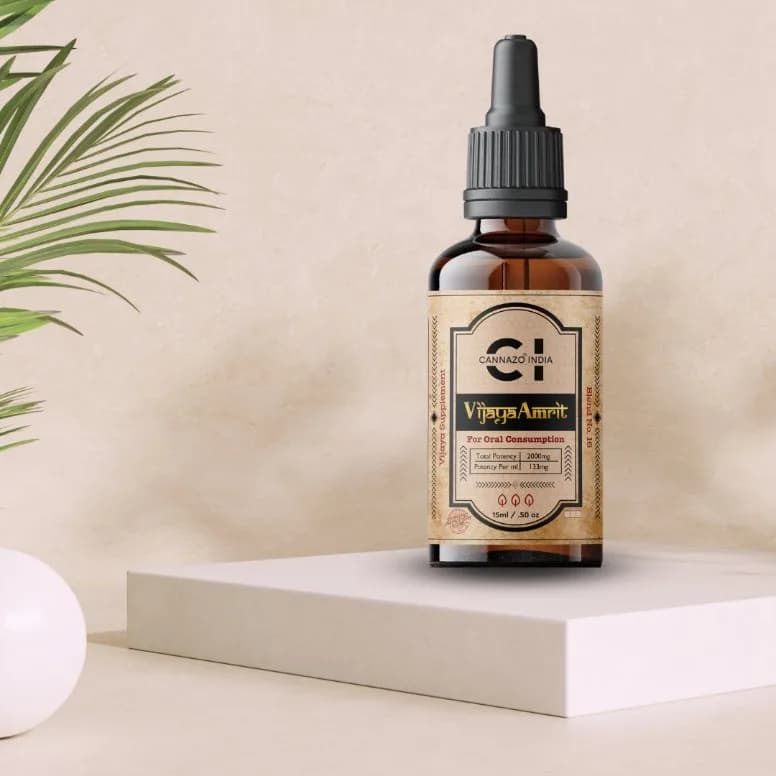
Full-spectrum Vijaya extract — available through products like Vijaya Amrit (4:1 ratio) — is described as acting on CB2 receptors together with terpenes (the so-called entourage effect). These products are not a proven treatment for conditions like rheumatoid arthritis, lupus, and inflammatory bowel disease; discuss any such condition with your doctor.
For all the above applications, professional medical guidance is strongly recommended before initiating cannabis candy as a therapeutic tool.
Side Effects, Drug Interactions & Safety Precautions
Cannabis candy is generally well-tolerated at therapeutic doses, but the following risks merit awareness:
- Delayed onset overconsumption: The #1 risk with cannabis candy. The 30–120-minute delay causes some users to take additional doses, leading to unintentionally high exposures. Always wait the full 2 hours before re-dosing.
- THC-related adverse effects: At high doses, Vijaya extract preparations with significant THC can cause tachycardia (rapid heartbeat), temporary anxiety or paranoia, impaired coordination, and sedation. These are self-limiting but uncomfortable.
- Drug interactions: CBD inhibits cytochrome P450 (CYP3A4, CYP2C9) enzymes, potentially altering blood levels of medications including warfarin, antiepileptics, and some antiretrovirals. Disclose all medications to your physician before starting cannabis candy.
- Contraindications: Cannabis candy is not recommended during pregnancy, breastfeeding, in children, or in individuals with a personal or family history of psychosis or severe anxiety disorders without specialist supervision.
- Liver considerations: Very high-dose CBD (above 1,500 mg/day) has been associated with elevated liver enzymes in some clinical trials. Standard wellness doses (5–50 mg CBD/day in candy form) are well below this threshold.
- Heat degradation: THC and CBD degrade at temperatures above 40°C — India's summer temperatures can reach 45°C+. Store cannabis candy in a cool, dry, dark location, ideally refrigerated.
How to Store Cannabis Candy in India's Climate
India's heat and humidity are the biggest enemies of cannabis candy quality. Best practices:
- Refrigerate or store below 25°C: Most cannabis gummies and chocolates should be stored below 25°C; refrigeration is ideal in Indian summers.
- Airtight containers: Exposure to air causes oxidation of cannabinoids. Keep in original sealed packaging or transfer to an airtight glass container.
- Away from light: UV light degrades cannabinoids rapidly. Dark cupboards or amber glass jars are ideal.
- Away from children: Cannabis candy looks exactly like regular candy. Store in locked cabinets — accidental pediatric ingestion is a preventable emergency.
- Check expiry: Properly stored cannabis candy typically has a shelf life of 12–18 months. Degraded product loses potency but is generally not harmful.
Where to Buy Cannabis-Leaf Candy in India
Buying medicines made by licensed Ayurvedic manufacturers is essential for safety. THC Store is a health and wellness marketplace, listing products from licensed brands including:
- Edibles & Gummies Collection — gummies, modak vati, chewable formats
- Ayurvedic & Herbal Collection — classical preparations, Vijaya vati
- CBD Products Collection — tinctures, oils, capsules for edible use
For prescription-only Vijaya preparations, our integrated doctor consultation service connects you with registered AYUSH practitioners who can issue valid prescriptions and provide ongoing monitoring — all from the comfort of your home. Learn more about Vijaya leaf and its therapeutic applications on our knowledge hub.
Frequently Asked Questions About Cannabis Candy in India
Is cannabis candy legal in India in 2026?
No law creates a category called cannabis candy. A product made from Vijaya leaf extract can be sold only as an Ayurvedic medicine made under a state manufacturing licence and labelled "to be taken under medical supervision"; your state's excise or prohibition law also applies. Cannabis flowers (ganja) and resin (charas) are narcotic drugs under the NDPS Act. FSSAI permits only hemp seed foods, with total THC capped at 5 mg/kg, so there is no 0.3% rule and no food route for CBD candy. Get your prescription online through our doctor consultation platform.
How long does cannabis candy take to work in India?
Cannabis candy typically takes 30–120 minutes to produce effects, depending on your metabolism, whether you've eaten, the formulation type, and your individual endocannabinoid system sensitivity. A Johns Hopkins clinical trial (NCT05602649, 2025) documented significant individual variability in onset timing across chocolates, gummies, and drink formats. Always start with a low dose and wait a full 2 hours before considering more. Effects typically last 4–8 hours — much longer than inhaled forms.
What is the difference between cannabis candy and bhang sweets?
Bhang sweets — like bhang ki laddoo or bhang barfi — use the traditional preparation of cannabis leaves ground with spices, milk, or sugar. They have a long cultural history in India and are sold at licensed bhang shops in some states (Uttar Pradesh and Odisha, for example). Modern cannabis candy (Vijaya gummies, modak vati, CBD chocolates) uses standardized, laboratory-tested extracts with declared cannabinoid content, offering more predictable dosing. Read our complete bhang guide for a detailed comparison.
Can I buy cannabis candy online in India without a prescription?
FSSAI's standard covers only hemp seed foods (total THC up to 5 mg/kg, naturally occurring CBD up to 75 mg/kg); CBD candy is outside it, and there is no 0.3% THC rule. Vijaya extract preparations are Schedule E(1) Ayurvedic medicines: the label must say "to be taken under medical supervision", and the Ministry of Ayush says they are to be taken under a registered practitioner's supervision. Our platform integrates same-day online consultations with AYUSH-registered doctors who can assess your eligibility and issue a prescription digitally — making the process seamless and compliant.
How is cannabis candy different from regular CBD oil for a first-time user?
The main differences are onset, duration, and ease of use. CBD oil placed under the tongue (sublingual) absorbs in 15–45 minutes with a moderate duration of 4–6 hours. Cannabis candy digests through your gut, producing a slower onset (30–120 min) but longer, more sustained effects (4–8 hours). Candy is also more palatable and easier to dose consistently. The trade-off is lower and more variable bioavailability with edibles. For new users, starting with a low-dose gummy is often the most user-friendly approach — just remember to be patient with the onset time. Browse our complete THC gummies science guide for more.
Are Mewa Modak Vati and Sanan Gummies the same as cannabis candy?
Yes — Mewa Modak Vati and Sanan Gummy Vati are traditional Ayurvedic cannabis candy formats. They are made with Vijaya extract combined with classical Ayurvedic herbal ingredients and shaped into a sweet, chewable form. They function like modern gummies but use time-tested classical formulations referenced in ancient texts. They are sold as licensed Ayurvedic medicines, like other cannabis edibles in India's 2026 marketplace.
Sources & References
- Johns Hopkins Medicine Clinical Trial NCT05602649 (2025): "The Impact of Product Formulation on the Pharmacokinetics and Pharmacodynamics of Cannabis Edibles." Examined 0, 10, 25 mg THC doses in chocolates, gummies, and drinks across 40 healthy adults. Key finding: significant individual variability in onset and peak plasma concentrations. ClinicalTrials.gov, April 2025 update.
- Spindle TR et al. (2023): "CBD May Increase the Adverse Effects of THC in Edible Cannabis Products." Johns Hopkins Medicine News Release. CBD's inhibition of THC metabolism via hepatic enzymes increases THC exposure and adverse effect risk in combined edible formulations.
- Shannon S, Lewis N, Lee H, Hughes S (2019): "Cannabidiol in Anxiety and Sleep: A Large Case Series." Permanente Journal, PMC6326553. CBD (25 mg/day) improved sleep scores in 66.7% and anxiety scores in 79.2% of patients within one month.
- Atalay S et al. (2021): "Cannabis for medicine and food: A benefit vs risk critical appraisal." ScienceDirect, Industrial Crops and Products, 2024. Comprehensive review of clinical evidence for cannabis-derived products in pain, inflammation, and metabolic conditions.
- Drugs Rules, 1945, Rule 161(2) and Schedule E(1): cannabis leaf (Bhanga, except seeds) is listed as a poisonous substance under the Ayurvedic system, and internal-use medicines containing it must carry the label "Caution: to be taken under medical supervision". Government of India.
Share this article
Written by
THC Store Editorial
Published 3 months ago