Benefits of Bhang: Complete Ayurvedic & Clinical Guide to India's Sacred Cannabis
Article Summary
The benefits of bhang have been documented in Indian Ayurvedic texts for over 3,000 years — long before the term "medical cannabis" entered modern parlance. As India's oldest legal cannabis preparation, bhang occupies a unique position: revered in Ve...
The benefits of bhang have been documented in Indian Ayurvedic texts for over 3,000 years — long before the term "medical cannabis" entered modern parlance. As India's oldest legal cannabis preparation, bhang occupies a unique position: revered in Vedic scripture, sold openly in licensed government shops in Rajasthan and Uttar Pradesh, and now validated by an expanding body of phytochemical and clinical research. Whether you are curious about bhang's traditional healing properties or seeking modern legal alternatives in India, this complete guide covers everything you need to know.
Disclaimer: This article is for informational purposes only and does not constitute medical advice. Always consult a qualified healthcare professional before starting any new supplement or treatment. Cannabis-based products are to be taken under medical supervision in India (Drugs Rules, 1945). Book a consultation with our panel doctors for personalized guidance.
What Indian law says, in brief. Ganja (the flowering tops) and charas (the resin) are narcotic drugs under the NDPS Act, 1985 in every state. The Act's definition of cannabis leaves out the seeds, and the leaves when they are not accompanied by the tops, so whether bhang may be sold or possessed is decided by each state's own excise or prohibition law. Ayurvedic medicines made from the cannabis leaf are made under a state manufacturing licence and carry the label "to be taken under medical supervision" (Drugs Rules, 1945, Schedule E(1) and Rule 161). FSSAI permits hemp seed, hemp seed oil and hemp seed flour as food. Where anything further down this page differs from this note, rely on this note.
Last reviewed: 12 October 2026. General information, not legal advice.
What Is Bhang? India's Ancient Sacred Cannabis Preparation
Bhang is an edible preparation made from the leaves and seeds of the Cannabis sativa L. plant — specifically the parts explicitly permitted under India's Narcotic Drugs and Psychotropic Substances (NDPS) Act, 1985. Unlike ganja (cannabis flowers) or charas (cannabis resin), which are controlled substances, bhang is prepared exclusively from the leaves and does not carry the same prohibition. This legal distinction is critical for every Indian consumer to understand.
Traditionally, bhang is prepared by grinding fresh cannabis leaves into a fine paste, then mixing with milk, spices, sweeteners such as sugar or jaggery, and sometimes nuts or saffron to create the iconic bhang lassi or thandai. It is also compressed into balls called "bhang ki goli" and consumed as churan (herbal powder). The preparation varies significantly across India's regions — each state bringing its own Ayurvedic formula and cultural significance.
In Ayurvedic pharmacology, bhang is classified as a tamasic substance that can be therapeutically harnessed when properly prepared and dosed under expert guidance. It appears prominently in both the Vijaya (cannabis) leaf tradition and classical formulations referenced in foundational texts like the Charaka Samhita and Sushruta Samhita.
Vedic & Ayurvedic Roots — 3,000 Years of Bhang in India
The history of bhang in India is inseparable from the country's spiritual and medicinal traditions. The Atharva Veda (circa 1,000 BCE) lists cannabis among the five sacred plants, calling it a source of happiness and liberation from anxiety. Ancient Ayurvedic physicians documented bhang under the name Vijaya — meaning "victory" — acknowledging its ability to aid the mind and body when applied with wisdom.
The Charaka Samhita references cannabis leaf preparations for conditions ranging from fever to digestive weakness. The Sushruta Samhita, the surgical text of Ayurveda, mentions bhang as an analgesic during medical procedures. In the medieval period, Unani physicians incorporated bhang into compound formulations for pain management and respiratory health, creating cross-cultural validation of its benefits.
Today, bhang's living cultural legacy is most visible during Holi and Mahashivratri festivals in Rajasthan, Uttar Pradesh, Bihar, and Madhya Pradesh, where licensed government bhang shops legally dispense thandai. This state-sanctioned consumption traces directly to the ancient relationship between vijaya leaf and Indian civilization.
If you want to understand the contemporary clinical and regulatory context of cannabis-based medicine in India, our guide on What Is Vijaya Extract explains how Ayurvedic traditions are being translated into AYUSH-licensed formulations today.
What Makes Bhang Unique — Phytochemistry of Cannabis Leaves
Understanding the benefits of bhang requires appreciating what the cannabis leaf actually contains. Bhang leaf is phytochemically distinct from cannabis flowers in several important ways:
- Lower THC content: Cannabis leaves contain significantly lower tetrahydrocannabinol (THC) concentrations than flowers (typically 1–3% vs 10–25% in cultivated flower). This means bhang produces milder psychoactive effects, making it better suited to therapeutic use across a wider population.
- Significant CBD presence: Young cannabis leaves often carry meaningful cannabidiol (CBD) levels, lending anti-inflammatory, anxiolytic, and neuroprotective properties even without high THC.
- Rich terpene profile: Myrcene, limonene, linalool, and beta-caryophyllene are present in bhang leaf and contribute to its sedative, anti-anxiety, and anti-inflammatory synergy (the "entourage effect").
- Flavonoids and polyphenols: Cannabis leaves contain quercetin, kaempferol, and orientin — compounds with antioxidant and anti-inflammatory activity found across many Ayurvedic herbs.
- Chlorophyll and nutrients: Raw cannabis leaf is nutritionally rich in iron, calcium, magnesium, and vitamins K and C, adding a micronutrient dimension to its therapeutic profile.
To understand how THC interacts with the human body, see our detailed science guide covering the endocannabinoid system and receptor pharmacology.
Core Benefits of Bhang in Ayurvedic Medicine
Classical Ayurvedic texts enumerate bhang's properties using Sanskrit categories that map neatly to modern pharmacology:
- Vedanasthapana (analgesic): Bhang was used for pain management in surgical procedures and musculoskeletal conditions. Modern research confirms that cannabinoids modulate pain perception through CB1 and CB2 endocannabinoid receptors.
- Nidrajanana (sleep-inducing): Ayurvedic physicians prescribed bhang for insomnia (anidra) and restless sleep. Modern sleep research shows cannabis leaf cannabinoids reduce sleep latency and increase slow-wave sleep.
- Grahi (digestive / antidiarrhoeal): Bhang was historically used to treat loose stools, IBS-like conditions, and weak digestive fire (mandagni). CB1 receptors in the gut regulate motility — the mechanism underlying this Ayurvedic observation.
- Pachana (digestive stimulant): Low doses of bhang were used to stimulate appetite (deepana) in conditions of anorexia and cachexia, a property now recognised as the "munchies effect" and explored for HIV and chemotherapy patients.
- Medhya (nootropic / mind-supporting): In careful sub-therapeutic doses, bhang was considered medhya (mind-nourishing) for focus and creativity — a controversial benefit that is dose-dependent.
- Vishaghna (detoxifying): Some Ayurvedic formulations use cannabis leaf as a rasayana (rejuvenating) component in detoxification protocols.
These classical applications align well with the growing evidence base for cannabis-based Ayurvedic formulations. Consult a THC Store panel doctor to explore whether traditional bhang alternatives might suit your specific health needs.
Clinical Evidence: What Modern Science Says About Bhang and Cannabis Leaves
While bhang-specific randomised controlled trials remain limited, the broader cannabis research literature provides compelling support for the benefits attributed to bhang's active constituents:
- Whiting et al. (2015), JAMA: A systematic review of 79 randomised trials found moderate-quality evidence that cannabinoids are effective for chronic pain, muscle spasticity, and chemotherapy-induced nausea. The benefit profile corresponds directly to Ayurvedic indications for bhang.
- PMC8525216 — "Cannabis, a Miracle Drug with Polyvalent Therapeutic Utility" (2021): A comprehensive preclinical and clinical review cataloguing cannabis's pharmacological activity across pain, anxiety, epilepsy, cancer, and metabolic disease pathways. Cannabis leaf's lower-THC, higher-CBD profile is highlighted as ideal for daytime or therapeutic use.
- PMC11628280 — "Charting the Therapeutic Landscape" (2024): An evidence mapping study published in 2024 covering 120+ systematic reviews found strongest evidence for cannabis in chronic neuropathic pain, insomnia, anxiety disorders, and appetite stimulation — precisely the domains where bhang has been used for millennia.
- Russo EB (2011), British Journal of Pharmacology: The landmark paper establishing the "entourage effect" — where terpenes and minor cannabinoids in whole-plant preparations like bhang enhance therapeutic outcomes beyond isolated CBD or THC. This provides a molecular basis for why traditional bhang formulations may outperform single-molecule supplements.
- Charaka Samhita (classical text): Documents vijaya leaf as beneficial for "diseases of the chest, debility, poor digestive strength, and loss of appetite" — correlating with modern indications for respiratory, metabolic, and appetite-related conditions.
It is important to acknowledge that bhang as a specific preparation has not been studied in large-scale modern clinical trials. Most evidence is extrapolated from cannabis leaf and cannabinoid research. For personalised therapeutic guidance, book a consultation with our doctors who specialise in Ayurvedic and integrative cannabis medicine.
Benefits of Bhang for Pain Relief & Inflammation
Pain is among the most well-documented indications for cannabis-based preparations, and bhang's analgesic benefit is among its oldest recorded uses. Cannabinoids in bhang leaf modulate pain through three primary mechanisms:
- CB1 receptor activation in the central nervous system reduces pain signal transmission, similar in mechanism to opioid analgesia but without respiratory depression risk.
- CB2 receptor activation in peripheral immune cells reduces pro-inflammatory cytokines including TNF-α and IL-6 — targeting the inflammatory cascade underlying arthritis, muscle soreness, and chronic pain.
- TRPV1 channel modulation by CBD desensitises the "heat and pain" receptor, providing an additional non-opioid analgesic pathway.
In Indian traditional medicine, bhang leaf paste was applied topically to joints in rheumatoid arthritis (amavata) and lower back pain. Modern Vijaya extract formulations build on this foundation with standardised cannabinoid profiles and AYUSH licensing.
For contemporary pain management, products like medical cannabis tinctures and CBD pain oils provide a standardised, dosage-controlled alternative to traditional bhang for chronic pain conditions.
Bhang for Sleep, Insomnia & Relaxation
Insomnia (anidra) is one of the most cited therapeutic uses of bhang in Ayurvedic literature. The sleep-promoting benefits of bhang are mediated by several mechanisms:
- THC's sedative effect: Even the modest THC levels in bhang leaf are sufficient to reduce sleep latency (time to fall asleep) and increase total sleep time.
- Linalool and myrcene terpenes: These terpenes in bhang leaf produce sedative effects independently of THC — explaining why low-dose bhang preparations were used for sleep without significant intoxication.
- Anxiolytic action: By reducing anxiety and cortisol-mediated arousal, bhang's CBD and anxiolytic terpenes indirectly improve sleep quality.
- Circadian rhythm support: Animal models suggest endocannabinoid system modulation can align circadian rhythms, supporting sleep-wake cycle regulation.
Modern alternatives to bhang for sleep include CBD for sleep formulations available in India as AYUSH-licensed tinctures and capsules — providing a standardised, prescription-free approach for mild insomnia.
Digestive & Metabolic Benefits of Bhang
One of the less-discussed but clinically meaningful benefits of bhang involves the gastrointestinal system. The enteric nervous system — sometimes called the "second brain" — contains a high density of endocannabinoid CB1 receptors, making it highly responsive to the cannabinoids in bhang leaf.
Key digestive benefits documented in Ayurvedic and preclinical literature:
- IBS and intestinal motility: Cannabis leaf cannabinoids reduce excessive gut motility, offering relief in diarrhoea-predominant IBS. The Charaka Samhita specifically lists bhang as "grahi" (binding/antidiarrhoeal).
- Appetite stimulation: THC activates hypothalamic CB1 receptors to increase ghrelin (hunger hormone) — used traditionally for patients with weak digestive fire (mandagni) and modern patients with cancer cachexia.
- Nausea and vomiting: Cannabis-based antiemetics (dronabinol, nabilone) are FDA-approved for chemotherapy nausea. Bhang's lower-potency equivalents were used for centuries in India for morning sickness and post-surgical nausea.
- Gut inflammation: CBD's anti-inflammatory action in the gut lining shows promise for inflammatory bowel conditions — an active area of research that validates traditional bhang use for gut disorders.
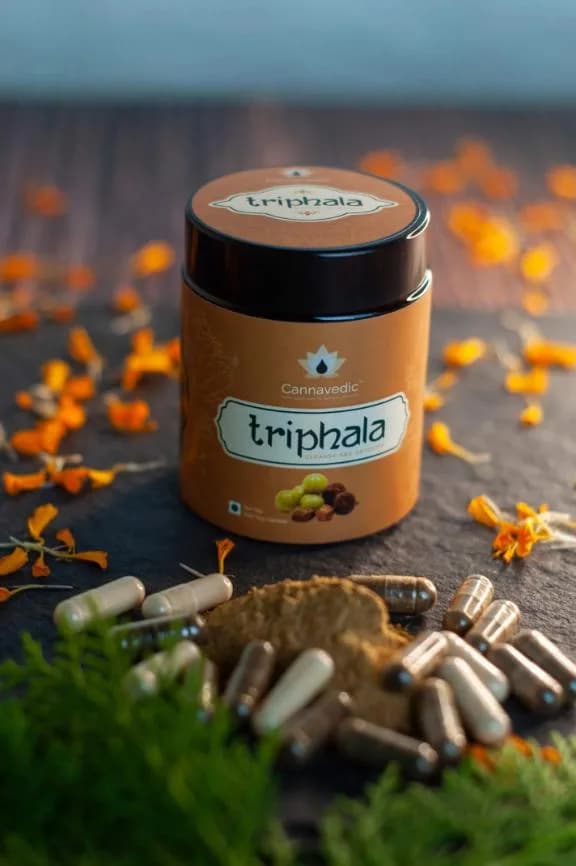
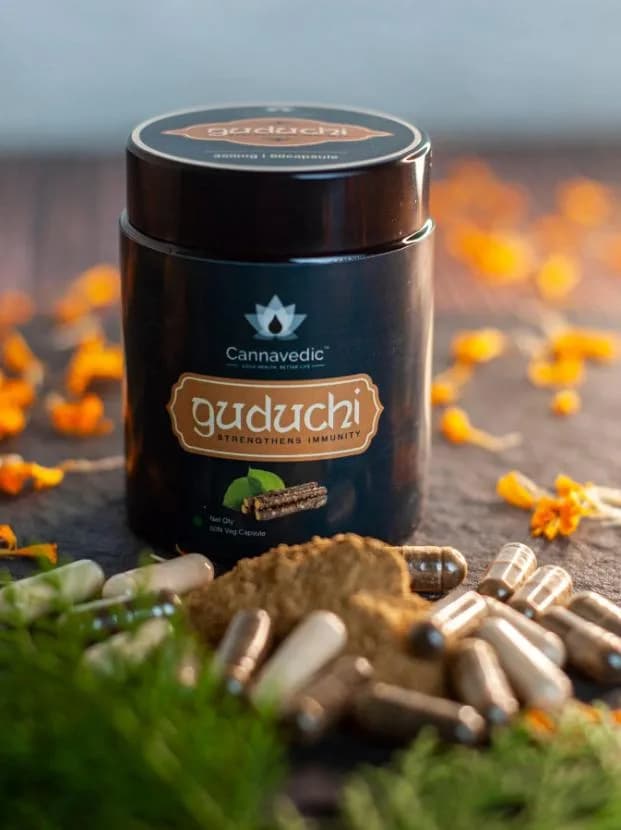
Ayurvedic herbal formulations that complement bhang's digestive benefits include classics like triphala and guduchi — available as Ayurvedic supplements from our curated range.
Bhang for Anxiety, Stress & Mental Clarity
Bhang's effects on mental health are dose-dependent and nuanced — a key reason why Ayurvedic physicians prescribed it with strict dosage guidelines. At low doses, bhang's CBD content and anxiolytic terpenes produce calming, clarity-enhancing effects. At higher doses, bhang's THC component can paradoxically increase anxiety in susceptible individuals.
Mental health benefits of bhang at appropriate doses:
- Anxiolytic action (anti-anxiety): CBD modulates 5-HT1A serotonin receptors — the same target as some anti-anxiety medications. A 2024 meta-analysis (PMC12695116) found CBD significantly reduces anxiety across multiple study designs.
- Cortisol regulation: Cannabis leaf cannabinoids reduce hypothalamic-pituitary-adrenal (HPA) axis hyperactivation — blunting the chronic stress response that underlies many modern anxiety disorders.
- Neuroprotection: CBD's antioxidant properties protect neurons from oxidative stress — potentially relevant to long-term cognitive resilience in stress-exposed individuals.
- Social anxiety: Controlled trials have demonstrated that CBD reduces social anxiety comparable to diazepam without the dependency risk.
For those seeking evidence-based guidance on cannabis and mental health, our article on CBD for depression in India provides a detailed clinical review. If you are experiencing anxiety or depression, consult our panel doctors for safe, personalised guidance on appropriate Vijaya/cannabis formulations.
Bhang vs Vijaya Extract — Key Differences Compared
Understanding how traditional bhang compares with modern Vijaya extract products helps consumers and patients make informed choices. The following table summarises the key differences:
| Parameter | Traditional Bhang | Modern Vijaya Extract |
|---|---|---|
| Plant Part Used | Leaves and seeds only | Full plant extract (licensed) |
| THC Content | Low (1–3% typical) | Variable (up to 30%, standardised) |
| CBD Content | Moderate (variable) | Standardised (e.g. 4500 mg/bottle) |
| Legal Status (India) | Legal (leaves/seeds under NDPS); state-regulated | Legal with AYUSH licence + prescription |
| Standardisation | None — variable potency | Lab-tested, consistent dosing |
| Delivery Form | Drink (lassi/thandai), balls, churan | Tincture, capsules, gummies, oil |
| Onset & Duration | Oral — 30–90 min onset, 4–8 hrs | Sub-lingual 5–20 min; oral 30–90 min |
| Safety Profile | Unregulated; risk of overdose from variable potency | GMP-manufactured, prescribed by doctors |
| Cultural Context | Festivals (Holi, Mahashivratri), temples | Medical/wellness dispensaries, licensed pharmacies |
| Price (India) | ₹50–200 per serving (bhang shops) | ₹1,999–₹9,000 per bottle (standardised) |
For consumers seeking the therapeutic benefits of bhang with modern safety standards, Vijaya extract products represent the best of both traditions — Ayurvedic plant wisdom combined with pharmaceutical-grade manufacturing and clinical oversight.
Legal Status of Bhang in India — NDPS Act, AYUSH & State Laws
The legal framework governing bhang in India is nuanced and often misunderstood. Here is a clear summary for 2026:
Under the NDPS Act, 1985: Section 2(iii)(b) defines "cannabis" as including ganja (flowering tops) and charas (resin). Critically, the leaves and seeds of the cannabis plant are explicitly excluded from the definition of cannabis under the NDPS Act. This means bhang — prepared from leaves — is not covered by the Act's prohibition at the central level.
State-Level Authority: The NDPS Act grants states the power to regulate (or ban) bhang independently. Key state positions as of 2026:
- Rajasthan, Uttar Pradesh, Bihar, Madhya Pradesh: Licensed bhang shops operate legally under state excise regulation. Bhang lassi and thandai are openly sold.
- Assam: Banned under the Assam Ganja and Bhang Prohibition Act, 1958.
- Maharashtra: Regulated — requires a licence under the Bombay Prohibition Act, 1949.
- Delhi: Bhang consumption is permitted but not formally regulated; unlicensed sales exist in grey areas.
AYUSH Ministry (2018 Directive): The Ministry of AYUSH formally permitted the use of cannabis (Vijaya) in licensed Ayurvedic, Siddha, and Unani formulations. This opened the door for AYUSH-licensed Vijaya products that capture bhang's therapeutic benefits in standardised, doctor-prescribed form — addressing the quality and safety gaps in traditional bhang preparations.
FSSAI Position: Hemp seeds and hemp seed oil are legal food ingredients in India (FSSAI, November 2021). This does not extend to bhang preparation for food use; bhang sold in licensed shops operates under state excise law, not FSSAI food regulations.
For a comprehensive overview of cannabis law in India, see our guides on cannabis edibles legality in India and THC in India.
How to Use Bhang Safely — Dosage, Forms & Precautions
Traditional Ayurvedic physicians were very precise about bhang dosage — recognising that the margin between therapeutic and adverse effects is narrow. Modern pharmacological understanding validates this caution.
Dosage principles for traditional bhang:
- Start low: A beginner's dose is approximately 1–2 grams of dried bhang leaf in preparation. Given bhang's variable potency, starting with the smallest amount and waiting 60–90 minutes before redosing is essential.
- Route matters: Oral/edible bhang (lassi, goli) has delayed onset (30–90 minutes) and prolonged duration (4–8 hours). Users must not redose before onset — the most common cause of overconsumption.
- Food amplifies effect: Taking bhang with high-fat milk or ghee increases cannabinoid absorption, intensifying effects.
- Avoid if contraindicated: Bhang is contraindicated in pregnancy, lactation, active psychosis, severe anxiety disorders, heart arrhythmias, and prior to operating heavy machinery or driving.
- Drug interactions: Cannabis can interact with blood thinners (warfarin), sedatives (benzodiazepines), and immunosuppressants. Always disclose use to your physician.
Traditional Ayurvedic precautions (Pathya-Apathya): Classical texts recommend taking bhang only in the evening or at night for sleep and pain applications. Daytime use was reserved for specific therapeutic protocols under physician supervision — a principle that aligns well with modern clinical guidance.
Given the inherent variability of traditional bhang potency, many Indian healthcare providers now recommend standardised Vijaya extract products prescribed by qualified doctors as a safer alternative that preserves the therapeutic benefits of bhang leaf without the unpredictability. Book a doctor consultation at THC Store to explore your options.
Bhang Side Effects: What You Must Know Before Consuming
Any honest evaluation of bhang benefits and side effects must give equal weight to the risks. Bhang's side effects range from mild and transient to potentially serious depending on dose, frequency, individual constitution, and concurrent medications.
Acute (Short-Term) Side Effects
- Psychoactive intoxication: Even at moderate doses, bhang can cause altered perception, time distortion, heightened sensory experience, and in some individuals, anxiety or panic — especially in cannabis-naïve users. These effects typically peak 1-3 hours after oral consumption and resolve within 4-6 hours.
- Red eyes and dry mouth: Caused by cannabinoid action on lacrimal and salivary glands — uncomfortable but harmless. Stay well hydrated.
- Increased heart rate (tachycardia): THC temporarily raises heart rate by 20-50 bpm. People with pre-existing cardiac conditions should avoid bhang without medical clearance — book a consultation first.
- Impaired coordination and reaction time: Do not operate vehicles or heavy machinery after bhang consumption. Festival-related road accidents increase significantly during Holi due to intoxicated driving — plan your bhang experience responsibly.
- Gastrointestinal discomfort: Nausea and vomiting can occur, especially at higher doses, from both the cannabis itself and the rich milk/nut base of traditional thandai preparations.
Cognitive and Psychological Side Effects
- Acute cannabis psychosis: High doses of bhang — particularly potent preparations or unusually large quantities — can trigger an acute psychotic episode in vulnerable individuals (those with personal or family history of schizophrenia or bipolar disorder). This risk is dose-dependent and significantly higher with high-THC ganja or charas than with traditional low-THC bhang leaf, but it is not zero. The 2024 PMC12032589 review explicitly flags this as a documented risk even with cannabis leaf preparations at high doses.
- Memory impairment: Cannabis THC temporarily impairs short-term memory consolidation. Occasional bhang use at festivals is unlikely to cause lasting damage, but regular use in adolescents and young adults has been associated with long-term cognitive effects in longitudinal studies.
- Cannabis use disorder (CUD): Regular daily consumption of bhang can lead to psychological dependence in approximately 9% of adult users (rising to ~17% in those who begin as adolescents). Tolerance develops rapidly, requiring increasing doses for the same effect.
Long-Term Side Effects with Regular Use
- Sleep architecture disruption: While bhang can initially improve sleep, chronic daily use suppresses REM sleep, leading to REM rebound (vivid, disturbing dreams) upon cessation. Regular users often experience significant sleep disruption for 2-4 weeks after stopping. See our complete guide to cannabis withdrawal and REM rebound.
- Hormonal effects: Long-term heavy cannabis use may lower testosterone in men and disrupt menstrual cycles in women, though this evidence is primarily from high-frequency use of potent preparations, not occasional bhang consumption.
- Respiratory effects (if smoked): Traditional bhang is consumed orally — not smoked — so this risk is minimised. If bhang is mixed with tobacco for smoking (a practice in some regions), the respiratory risks of tobacco apply.
Who Should Avoid Bhang: Medical Contraindications
Despite its long traditional history, bhang is not suitable for everyone. The following groups should avoid bhang or use it only under direct medical supervision:
- Pregnant and breastfeeding women: Cannabis compounds cross the placental barrier and appear in breast milk; foetal exposure to THC is associated with developmental risks
- Individuals under 21: Adolescent brain development is significantly impaired by regular cannabis exposure; even occasional use carries risk during this period
- People with cardiac conditions: Tachycardia (rapid heart rate) from THC is a genuine risk for those with arrhythmias, coronary artery disease, or heart failure
- Those with personal or family history of psychosis or schizophrenia: Cannabis use is a documented risk factor for triggering psychotic episodes in genetically predisposed individuals
- Individuals on blood thinners (warfarin), immunosuppressants, or psychiatric medications: Cannabis is metabolised by the CYP450 liver enzyme system and can significantly alter the blood levels of many common drugs
- Those with liver disease: Cannabinoid metabolism may be impaired, increasing the risk of accumulation and side effects
If you fall into any of the above categories and are interested in the therapeutic benefits of cannabis, please speak with our panel doctors before consuming any cannabis preparation including bhang.
Bhang Preparation Methods: Traditional vs. Modern Approaches
The way bhang is prepared significantly influences both its potency and the side effect profile you experience. Here is a comparison of traditional and modern methods:
Traditional Bhang Thandai Preparation:
- Bhang leaves are washed thoroughly and ground in a stone mortar with a small amount of water into a smooth paste
- The paste is strained through muslin cloth, extracting the water-soluble compounds
- Ghee or warm milk is sometimes added to extract the fat-soluble cannabinoids (THC is lipophilic)
- The extract is blended with rose water, cardamom, fennel, black pepper, and saffron for traditional thandai
- Chilled and served with ice — onset typically 45-90 minutes
The fat content (milk, ghee, nuts) in traditional preparation is not accidental — it dramatically increases the bioavailability of fat-soluble cannabinoids like THC, making a fat-rich thandai significantly more potent than a lean water extract.
Modern Standardised Alternatives: For therapeutic applications, explore standardised Vijaya extract products available through licensed Ayurvedic manufacturers — these offer consistent dosing that traditional bhang preparations cannot match. See recommended products below.
Bhang for Mental Health: Balancing Benefits and Risks
Bhang's relationship with mental health is perhaps the most nuanced aspect of this topic. On one hand, traditional texts and modern research both support cannabis leaf preparations for anxiety, stress, and mood elevation. On the other hand, the same compounds — particularly THC at higher doses — can trigger or worsen anxiety, paranoia, and psychosis in vulnerable individuals.
The key variables that shift the risk-benefit balance include:
- THC:CBD ratio: Higher CBD content relative to THC is consistently associated with better tolerability and lower psychosis risk. Traditional bhang leaf preparations have a naturally lower THC:CBD ratio than cannabis flower preparations.
- Dose: The anxiolytic effect is dose-dependent — very low doses reduce anxiety; high doses can induce it.
- Frequency: Occasional use (e.g., festival seasons) carries a very different risk profile from daily chronic use.
- Pre-existing mental health conditions: Individuals with anxiety disorders, PTSD, or psychosis history should approach with caution and under medical supervision.
For those with mental health concerns, consider booking a consultation with our specialist doctors who can recommend the right cannabis formulation and dosage for your specific situation.
Understanding Rasayana in Ayurvedic Medicine
Rasayana is a key part of Ayurvedic medicine. It focuses on making us feel young and healthy again. It helps our body fight off sickness and slows down aging.
Definition and Purpose of Rasayana
Rasayana comes from Sanskrit, meaning "path of essence." It's about using special treatments and foods to make our body and mind strong. The main goal is to keep our cells healthy and balanced.
Traditional Ingredients in Rasayana Formulations
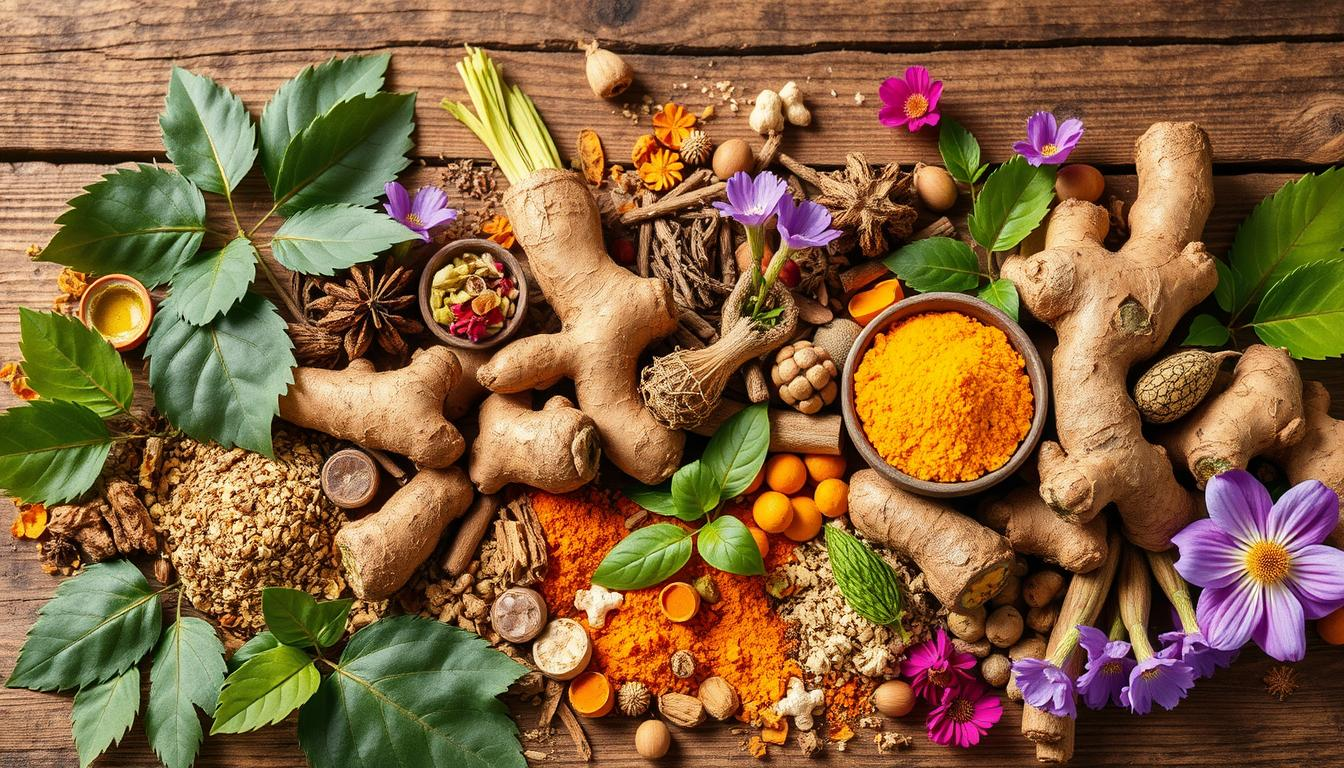
Rasayana recipes use powerful herbs to make us feel young again. Bhringraj (Eclipta Alba) is one of these herbs. It has special compounds that help it work well as a tonic for rejuvenation.
Herb | Key Compounds | Benefits |
|---|---|---|
Bhringraj | Ecliptine, Wedololactone | Hair care, Liver health |
Ashwagandha | Withanolides | Stress reduction, Immunity boost |
Amla | Vitamin C | Antioxidant, Skin health |
The Role of Rejuvenation in Ayurveda
In Ayurvedic medicine, staying young and healthy is very important. Rasayana helps our body fight off sickness and makes new cells. By using these methods, we can live a longer and better life.
"The science of Rasayana is a special branch of Ayurveda dealing with the maintenance of youthfulness, increasing longevity, and promoting mental and physical health."
Traditional Indian Practices Involving Bhang
Bhang is a big part of many Indian festivals and religious events. It's not just for fun. It's deeply connected to Indian traditions, like during Holi and Maha Shivaratri.
At Holi, people drink bhang-infused drinks together. It shows unity and happiness. At Maha Shivaratri, some drink bhang as a spiritual act.
In India, bhang is used in folk medicine too. It helps with digestion and skin problems. Some believe it even helps hair grow.
Festival | Bhang Usage | Cultural Significance |
|---|---|---|
Holi | Bhang-infused drinks | Unity, joy, social bonding |
Maha Shivaratri | Bhang offerings | Spiritual connection, devotion |
Kumbh Mela | Bhang consumption by sadhus | Ascetic practices, and meditation aid |
Bhang is also a part of social events. It's shared among friends and family at festivals. This shows its importance in Indian culture.
Comparing Bhang to Other Ayurvedic Rasayanas
Bhang is special among Ayurvedic rasayanas. Studies show it has both similarities and differences with other traditional formulas. We look at how it compares to other Ayurvedic herbs.
Ayurvedic rasayana aims to increase longevity and well-being. Bhang, like Ashwagandha and Brahmi, helps the body handle stress. But, bhang's unique chemical makeup makes it stand out.
Rasayana | Key Properties | Unique Characteristics |
|---|---|---|
Bhang | Adaptogenic, Neuroprotective | Contains cannabinoids |
Ashwagandha | Adaptogenic, Immune-boosting | Rich in withanolides |
Brahmi | Cognitive enhancer, Antioxidant | Contains bacosides |
These Ayurvedic herbs are rejuvenating, but they're used differently. Bhang's ability to alter mood makes it unique. This has led to many uses in culture and medicine.
Traditionally, bhang is mixed with other herbs to boost its effects. This blending is key in Ayurveda, creating strong remedies.
As we learn more about Ayurvedic herbs, bhang's complex chemistry is exciting. It opens up new areas for research and use in holistic health.
Modern Bhang Alternatives Available in India
For those seeking the documented benefits of bhang in a standardised, quality-controlled, and medically guided form, several excellent options are now available in India through AYUSH-licensed manufacturers and dispensaries:
Ayurvedic Formulations:
- Sanan Ayurvedic Mewa Modak Vati — A traditional Ayurvedic cannabis leaf preparation in tablet form, following classical formulation guidelines. Ideal for digestive conditions and general wellness. Available from ₹1,274.
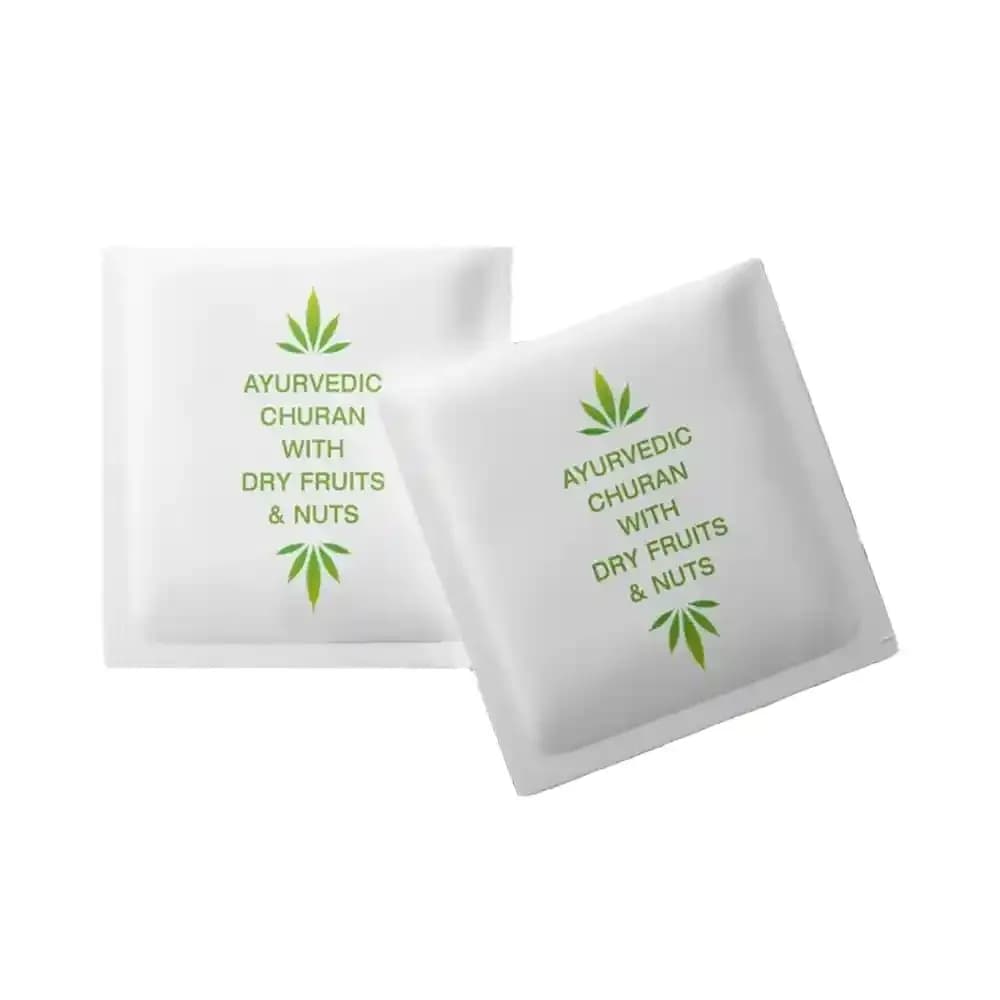
- Sanan Relief Classic 350 Sugarfree Churan — An Ayurvedic herbal powder blend that incorporates classical cannabis leaf along with other therapeutic herbs for digestive and pain relief. Available from ₹1,274.
- Guduchi (Tinospora cordifolia) Capsules — A complementary Ayurvedic adaptogen that amplifies bhang's immune-modulating benefits. Guduchi is classified as a rasayana and works synergistically with cannabis formulations. Available from ₹425.
- Triphala Extract Capsules — Classical Ayurvedic digestive formula that pairs well with bhang's gut benefits for comprehensive digestive health. Available from ₹800.
Standardised Vijaya Extract (Medical Cannabis):
- Raw Cannabis Leaf Extract — A potency-standardised extract from the cannabis leaf (same botanical source as bhang) prepared under GMP conditions. For conditions requiring precise dosing. Available from ₹1,999.
- Medical Cannabis Tincture | 4500MG | ZenOnco — A full-spectrum medical-grade cannabis tincture providing 4,500 mg of standardised cannabinoids. Prescribed for serious medical conditions. Available from ₹9,000.
- CBD:THC Extract — Balanced cannabinoid ratio formulation for conditions requiring both CBD's anti-inflammatory action and THC's analgesic properties. Available from ₹14,399.
Explore the complete range of medical cannabis and Vijaya extract products and Ayurvedic herbal supplements at THC Store. All products ship across India with discreet packaging and certified cold chain where required.
Frequently Asked Questions About the Benefits of Bhang
Is bhang legal in India in 2026?
Yes, bhang is legal at the central level in India because it is prepared from cannabis leaves and seeds, which are explicitly excluded from the NDPS Act's definition of "cannabis." However, regulation varies significantly by state. Rajasthan, UP, Bihar, and MP have licensed bhang shops. Some states like Assam prohibit it entirely. Always check your state's specific laws before purchasing or consuming bhang. Modern AYUSH-licensed Vijaya extract products are a legally clearer alternative available with a doctor's prescription nationwide.
What are the main health benefits of bhang?
The documented benefits of bhang include: pain relief and anti-inflammation (arthritis, muscle pain), improved sleep and insomnia management, digestive health (IBS, nausea, appetite stimulation), anxiety and stress reduction, and antioxidant/neuroprotective effects. These benefits are supported by both 3,000 years of Ayurvedic practice and a growing body of modern cannabis research. However, bhang's therapeutic effects are dose-dependent and can vary significantly based on preparation. Consult a doctor for personalised guidance.
How does bhang differ from ganja or charas?
The critical distinction is botanical: bhang is made from leaves and seeds, while ganja uses the flowering tops (buds) and charas is the resin (hashish). Under the NDPS Act, ganja and charas are controlled substances with severe penalties for possession and distribution. Bhang leaves are not covered by the Act's prohibition. Pharmacologically, bhang has significantly lower THC concentration than ganja (1–3% vs 10–25%+), producing milder psychoactive effects and a more favourable safety profile for therapeutic use. See our detailed guide on Vijaya extract in India for a full legal breakdown.
Can I use bhang for anxiety and sleep problems?
Bhang has documented anxiolytic and sleep-promoting properties at low doses. The CBD and terpene content of bhang leaf supports the anxiety-reducing and sedative effects. However, at higher doses, the THC in bhang can paradoxically worsen anxiety in some individuals. For therapeutic anxiety and sleep management, standardised CBD sleep products and AYUSH-licensed Vijaya extract formulations are safer because they provide consistent, doctor-guided dosing. Please consult one of our panel doctors before using any cannabis preparation for anxiety or sleep disorders.
Is bhang the same as Vijaya extract?
Bhang and Vijaya extract both derive from Cannabis sativa L. and share many active compounds, but they are distinct preparations. Bhang is a traditional preparation from cannabis leaves, with variable potency and no quality standardisation. Vijaya extract is an AYUSH-licensed pharmaceutical-grade preparation with standardised cannabinoid profiles, GMP manufacturing, and clinical dosage guidance. Think of the relationship as similar to chewing willow bark (traditional) versus taking aspirin (standardised pharmaceutical) — the same active chemistry, very different safety and reliability profiles.
Where can I buy legal bhang alternatives online in India?
Traditional bhang is only legally available from licensed state bhang shops in states that permit it (Rajasthan, UP, Bihar, MP). For nationwide access to bhang's benefits in a safe, standardised form, THC Store offers AYUSH-licensed Vijaya extract tinctures, Ayurvedic cannabis formulations like Mewa Modak Vati, and CBD products that deliver similar therapeutic profiles. Browse our full range at Vijaya & Medical Cannabis or Ayurvedic Herbal collections. Nationwide delivery with discreet packaging available. Not sure which product is right for you? Book a free doctor consultation.
Sources & References
- Whiting PF et al. (2015). "Cannabinoids for Medical Use: A Systematic Review and Meta-analysis." JAMA, 313(24):2456–2473. Key finding: moderate evidence for cannabis efficacy in chronic pain, spasticity, and nausea.
- Bhatt M et al. (2021). "Cannabis, a Miracle Drug with Polyvalent Therapeutic Utility: Preclinical and Clinical-Based Evidence." PMC8525216. Key finding: cannabis leaf extracts demonstrate analgesic, anti-inflammatory, anxiolytic, and neuroprotective activity across multiple models.
- Russo EB (2011). "Taming THC: potential cannabis synergy and phytocannabinoid-terpenoid entourage effects." British Journal of Pharmacology, 163(7):1344–1364. Key finding: whole-plant cannabis preparations (including bhang-type leaf extracts) produce synergistic therapeutic effects via the entourage mechanism.
- Aviram J & Samuelly-Leichtag G (2024). "Charting the Therapeutic Landscape: A Comprehensive Evidence Map on Medical Cannabis for Health Outcomes." PMC11628280. Key finding: strongest evidence for cannabis in neuropathic pain, insomnia, anxiety, and appetite disorders.
- Ministry of AYUSH, Government of India (2018). Circular on Inclusion of Cannabis (Vijaya) in Schedule E-1 Ayurvedic Formulations. Formal recognition of cannabis leaf in licensed Ayurvedic, Siddha, and Unani preparations — the regulatory foundation for modern bhang-equivalent products in India.
Share this article
Written by
THC Store Editorial
Published 4 months ago