Cannabis Withdrawal Vivid Dreams & REM Rebound: The Complete Science Guide
Article Summary
If you have recently stopped using cannabis and are experiencing shockingly vivid dreams, terrifying nightmares, or lying awake with racing thoughts at 3 AM, you are not alone — and there is a precise neurological explanation backed by cannabis withd...
If you have recently stopped using cannabis and are experiencing shockingly vivid dreams, terrifying nightmares, or lying awake with racing thoughts at 3 AM, you are not alone — and there is a precise neurological explanation backed by cannabis withdrawal vivid dreams REM rebound research published in peer-reviewed PubMed journals. This comprehensive science guide explains exactly what is happening in your brain, how long it will last, and what AYUSH-licensed Indian wellness tools can help you reclaim restful sleep. Understanding this phenomenon is the first step toward navigating cannabis withdrawal with confidence, whether you are tapering your Vijaya extract prescription or simply taking a tolerance break.
Disclaimer: This article is for informational purposes only and does not constitute medical advice. Always consult a qualified healthcare professional before starting any new supplement or treatment. Cannabis-based products are to be taken under medical supervision in India (Drugs Rules, 1945). Book a consultation with our panel doctors for personalized guidance.
What Indian law says, in brief. Ganja (the flowering tops) and charas (the resin) are narcotic drugs under the NDPS Act, 1985 in every state. The Act's definition of cannabis leaves out the seeds, and the leaves when they are not accompanied by the tops, so whether bhang may be sold or possessed is decided by each state's own excise or prohibition law. Ayurvedic medicines made from the cannabis leaf are made under a state manufacturing licence and carry the label "to be taken under medical supervision" (Drugs Rules, 1945, Schedule E(1) and Rule 161). FSSAI permits hemp seed, hemp seed oil and hemp seed flour as food. Where anything further down this page differs from this note, rely on this note.
Last reviewed: 12 October 2026. General information, not legal advice.
What Is REM Sleep and Why Does Cannabis Suppress It?
Rapid Eye Movement (REM) sleep is the fourth and most neurologically active stage of the human sleep cycle. During REM, your brain consolidates memories, processes emotional experiences, and — crucially — generates dreams. A healthy adult spends approximately 20 to 25 percent of their total sleep time in REM, with REM periods growing progressively longer as the night progresses.
The primary psychoactive compound in cannabis, delta-9-tetrahydrocannabinol (THC), acts as a powerful suppressor of REM sleep. THC binds to CB1 cannabinoid receptors distributed throughout the brain — particularly in the basal ganglia, limbic system, and brainstem structures that govern sleep stage transitions. When CB1 receptors in the dorsal raphe nucleus and laterodorsal tegmentum are activated by THC, they reduce the acetylcholine release that normally initiates REM-onset. The result is that heavy cannabis users spend dramatically less time in REM sleep — studies from the NCBI Bookshelf have documented REM suppression of 30 to 40 percent compared to non-users.
This explains why regular cannabis users often report rarely dreaming or remembering dreams. The brain's dream machinery is partially shut down. For more on how THC works in the brain and its clinical pharmacology, see our detailed guide.
The Science of REM Rebound: What PubMed Research Reveals
REM rebound is one of the most well-documented phenomena in sleep medicine. When a substance that suppresses REM is abruptly removed, the brain responds with a powerful compensatory surge — spending dramatically more time in REM than it would under normal, drug-free conditions. This rebound can be so intense that it feels like sleeping with your brain on overdrive.
The 2025 systematic review and meta-analysis published in the journal Sleep Medicine Reviews (ScienceDirect) examined polysomnographic (PSG) data from multiple controlled studies and confirmed: cannabis withdrawal is consistently associated with measurable increases in REM sleep percentage, REM density, and dream recall frequency. The effect begins within 24 to 48 hours of cessation and peaks around days 5 to 10.
The StatPearls review (NCBI Bookshelf, NBK560713) characterises REM rebound as a homeostatic response — the brain is attempting to compensate for accumulated REM debt. Just as someone deprived of food will eat more than usual when food becomes available, a brain deprived of REM sleep will "binge" on REM at the first opportunity. Read our earlier overview of REM rebound after stopping cannabis for a timeline-focused companion guide.
Key findings from the PMC study on cannabis withdrawal sleep (PMC8928162) found that sleep disturbances including REM rebound, increased total sleep time, and heightened nightmare intensity are among the most frequently reported and clinically significant features of cannabis withdrawal syndrome.
Why Do You Get Vivid Dreams During Cannabis Withdrawal?
The vivid, often emotionally overwhelming dreams that accompany cannabis withdrawal vivid dreams REM rebound are a direct consequence of REM overshoot. During a REM rebound period, not only does REM duration increase — the REM itself is qualitatively different. Research shows:
- Higher REM density: More rapid eye movements per minute, indicating more intense neurological activity and correspondingly more vivid dream content
- Greater emotional content: Dreams during REM rebound are more emotionally charged, more memorable, and more likely to involve themes of anxiety or threat — likely because the brain is processing emotional experiences that were "frozen" during the suppression phase
- Earlier REM onset: During rebound, REM-onset occurs sooner after sleep initiation, meaning your brain enters dream states before completing the restorative slow-wave sleep stages first
- Higher dream recall: Waking during or shortly after REM leads to vivid dream recall — and during rebound, you are more likely to wake during REM because the stage is so intense
The endocannabinoid system also plays a role in memory consolidation during sleep. With THC removed, the hippocampus processes memories more actively during REM, which may contribute to dream content drawn from recent waking experiences — making the dreams feel eerily realistic. If the emotional intensity of withdrawal is affecting your mood beyond just sleep, explore our guide to CBD for depression in India.
Cannabis Withdrawal Sleep Timeline: Night by Night
Understanding the clinical timeline of cannabis withdrawal sleep disruption india helps set realistic expectations and reduces the anxiety that comes from not knowing when symptoms will end. Based on clinical research (PMC9110555) and patient reports, here is what most people experience:
Hours 1–24 after last use: Subtle anxiety, mild restlessness, possibly difficulty falling asleep as the sedating effect of THC wears off. Dreams may begin to return if you do sleep.
Days 1–3: Sleep onset becomes more difficult. Irritability and anxiety peak. Some people experience rebound insomnia — lying in bed for hours unable to sleep. When sleep does come, early vivid dreams begin.
Days 4–7 (peak): This is when vivid dreams after stopping cannabis india are most intense. REM rebound is at maximum. Dreams are vivid, sometimes frightening, highly memorable. Night sweats may accompany the dreams. Total sleep time may be shorter than baseline despite fatigue during the day.
Days 8–14: Gradual improvement begins. Dreams remain vivid but become less intense. Sleep onset latency starts to decrease. Mood begins stabilising.
Weeks 3–4: Most acute withdrawal symptoms have resolved for casual to moderate users. Sleep architecture is normalising. Dream intensity continues to decrease toward baseline.
Weeks 4–8 (heavy users): For individuals who used high-THC products daily for years, some residual sleep disruption may persist. This is where professional support and a consultation with a cannabis medicine doctor becomes most valuable for managing the transition safely.
The Endocannabinoid System and Sleep Regulation
To understand why cannabis withdrawal disrupts sleep so profoundly, you need to understand the cannabis sleep cycle endocannabinoid india connection. The endocannabinoid system (ECS) is not simply a receptor system for THC — it is a fundamental regulator of human sleep architecture.
The ECS produces endogenous cannabinoids (endocannabinoids) including anandamide and 2-AG. Anandamide has been directly implicated in sleep regulation — it increases in concentration during wakefulness and promotes sleep onset. CB1 receptors in the brain regulate the transition between sleep stages, modulate adenosine signalling (the brain's primary sleep pressure molecule), and influence circadian rhythm gene expression.
When exogenous THC is consumed regularly, the brain's own endocannabinoid production is suppressed (downregulation) because it receives cannabinoid signalling from an external source. CB1 receptor density also decreases. When THC is removed, the brain faces a temporary deficit — endocannabinoid production hasn't recovered to full capacity, CB1 receptor density is reduced, and the normal sleep-regulation signals are disrupted. This neuroadaptation explains why withdrawal symptoms, including sleep disruption, can persist for weeks even after THC has been fully cleared from the body.
Learn more about Vijaya leaf and the endocannabinoid system, and how Ayurvedic traditions understood cannabis-based healing long before Western pharmacology named the receptors.
Who Experiences the Most Intense REM Rebound?
Not everyone experiences cannabis withdrawal sleep disruption to the same degree. Research and clinical observation have identified several factors that predict more intense REM rebound and more severe withdrawal sleep symptoms:
Duration of use: Long-term daily users (years rather than months) have more deeply adapted ECS function and experience more prolonged withdrawal. The StatPearls REM Rebound review (NBK560713) notes that the severity and duration of REM rebound correlates with the extent of prior REM suppression.
Potency and product type: Higher-THC products cause greater REM suppression and thus larger rebound. Someone using high-THC Vijaya extract for medical conditions may experience more intense rebound than someone using lower-potency products.
Method of cessation: Abrupt cessation causes sharper and more intense rebound than a gradual taper. Medical tapering protocols (which require doctor guidance) can significantly reduce symptom severity.
Pre-existing sleep disorders: People with underlying insomnia, sleep apnoea, or anxiety disorders experience more severe cannabis withdrawal sleep disruption, as withdrawal unmasks the conditions that cannabis was originally helping manage.
Concurrent caffeine and alcohol use: Both caffeine (which interferes with adenosine sleep pressure) and alcohol (which suppresses REM) compound the sleep disruption during cannabis withdrawal.
Clinical Research from PubMed: Key Studies Explained
The cannabis withdrawal vivid dreams rem rebound phenomenon is well-supported in the peer-reviewed literature. Here are the most clinically important studies:
1. Schierenbeck et al. (2008), Sleep Medicine Reviews: The foundational systematic review of cannabis and sleep. Found that acute THC administration reduces REM sleep, increases slow-wave sleep (SWS), and that withdrawal consistently produces REM rebound with increased dream recall. Established the baseline understanding still cited in current guidelines.
2. NCBI StatPearls — REM Rebound Effect (NBK560713): Characterises REM rebound as a homeostatic compensatory mechanism. Critically notes that REM rebound occurs after any REM-suppressing substance is withdrawn, including alcohol and benzodiazepines — cannabis withdrawal is one of the most commonly reported triggers. Reviews polysomnographic evidence across multiple populations.
3. Gorelick et al. — Clinical management of cannabis withdrawal (PMC9110555): Published in the British Journal of Pharmacology. This clinical guideline addresses the full spectrum of cannabis withdrawal syndrome including sleep disturbance and recommends cognitive behavioural therapy for insomnia (CBT-I) as first-line treatment. Also discusses the evidence base for pharmacological support.
4. Cannabis Withdrawal and Sleep: Systematic Review (ResearchGate, Bhagya et al.): Reviewed human studies specifically examining the sleep consequences of cannabis withdrawal. Confirmed that disrupted sleep is one of the most consistent and distressing features of cannabis withdrawal across all populations studied, and noted that sleep disruption is a significant predictor of relapse.
5. Cannabis and Sleep Architecture — 2025 Meta-Analysis (ScienceDirect): The most recent large-scale analysis of polysomnographic data from cannabis users and people in withdrawal. Confirmed via quantitative synthesis that REM suppression during use and REM rebound during withdrawal are robust, replicable effects across different THC doses, routes of administration, and populations.
REM Rebound vs. Normal Sleep: A Clinical Comparison
The following table compares key sleep parameters across active cannabis use, acute withdrawal (weeks 1–2), and the recovery period (weeks 3–4) to help you understand where you are in the process:
| Sleep Parameter | Active Cannabis Use | Withdrawal Wks 1–2 | Recovery Wks 3–4 |
|---|---|---|---|
| REM sleep duration | Suppressed ↓30–40% | Dramatically increased (REM rebound) | Returning to baseline |
| Dream recall | Very low / absent | Very high and vivid | Moderate, normalising |
| Sleep onset latency | Faster (THC sedation) | Delayed (insomnia) | Improving |
| Slow-wave (deep) sleep | Increased during use | Reduced | Normalising |
| Total sleep time | Normal to increased | Reduced despite fatigue | Normalising |
| Nightmare frequency | Very rare | Very high | Low, returning to baseline |
| Morning refreshment | Variable | Poor | Improving |
Managing REM Rebound Naturally — India's Ayurvedic Approach
India has a rich tradition of managing sleep disruption with botanical medicine. The AYUSH Ministry's endorsement of cannabis (Vijaya) as an Ayurvedic plant material opens pathways for using plant-based tools to navigate the transition period of rem sleep rebound cannabis cessation. Here are evidence-informed approaches:
Ashwagandha (Withania somnifera): The most extensively studied Ayurvedic adaptogen for sleep. A 2019 randomised controlled trial (PMC) found that ashwagandha root extract (300mg twice daily) significantly improved sleep quality, sleep onset latency, and total sleep time in adults with insomnia. It works partly by modulating the hypothalamic-pituitary-adrenal (HPA) axis, reducing the cortisol elevation that characterises cannabis withdrawal.
Brahmi (Bacopa monnieri): A classical nervine tonic that reduces anxiety and supports memory consolidation — both relevant to cannabis withdrawal. Brahmi has shown anxiolytic properties in multiple human trials and may reduce the anxiety-driven insomnia of early withdrawal.
Jatamansi (Nardostachys jatamansi): One of Ayurveda's most specific herbs for sleep, historically used to manage disturbed sleep and nightmares — precisely the complaints of cannabis withdrawal. Animal models suggest it works via GABA-ergic mechanisms similar to benzodiazepines but without dependence risk.
CBD-dominant Vijaya products: Lower-THC, CBD-dominant formulations occupy an interesting space during cannabis withdrawal. CBD for sleep has been studied specifically in anxiety-related insomnia contexts. CBD does not suppress REM sleep the way THC does, meaning it can be used to reduce withdrawal anxiety without re-triggering REM suppression — potentially easing the transition while allowing the ECS to recalibrate. Speak to a doctor about whether a CBD-dominant product is appropriate for your situation.
The sleep and wellness collection at THC Store features several AYUSH-informed products designed to support healthy sleep architecture without disrupting the natural recovery process.
AYUSH-Licensed Products for Cannabis Withdrawal Sleep Support in India
For Indian consumers navigating vivid dreams after stopping cannabis india, there are now several AYUSH-licensed and clinically validated options available on prescription. These products are designed to support the ECS during recalibration, reduce withdrawal anxiety, and improve sleep quality without creating new dependencies.
The key distinction in India's regulatory framework is that products containing less than 0.3% THC (hemp-derived) are legal under FSSAI and can be purchased without a prescription. Products with higher THC content (Vijaya extracts) require a valid prescription under Schedule E(1) of the Drugs Rules, 1945 and Ministry of AYUSH guidelines. Learn more about Vijaya extract regulation and how to legally access these products in India.
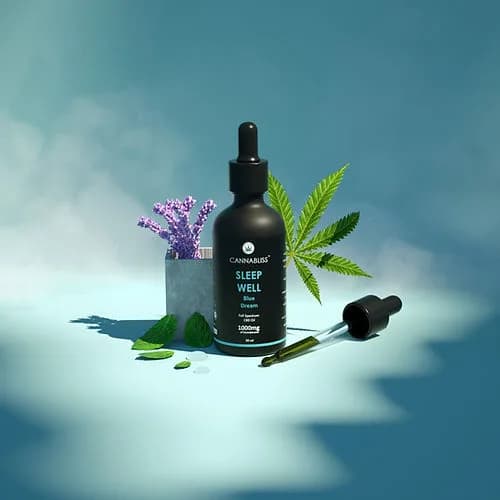
CBD-dominant products from the CBD tinctures collection are particularly relevant here — they provide phytocannabinoid support without re-triggering the REM suppression that created the withdrawal syndrome in the first place. Products like full-spectrum CBD sleep oils combine CBD with sleep-supporting terpenes (myrcene, linalool) and Ayurvedic herbs to create a comprehensive sleep support formula.
Key products available on THC Store India for sleep support during or after cannabis use:
- Full Spectrum CBD Sleep Oil: CBD + sleep terpenes, no REM suppression, anxiety-reducing. Prices start at ₹1,200.
- Sleep Rite Oral Oil: Formulated specifically for insomnia, combines CBD with Ashwagandha and Brahmi. ₹1,800–₹3,200 depending on volume.
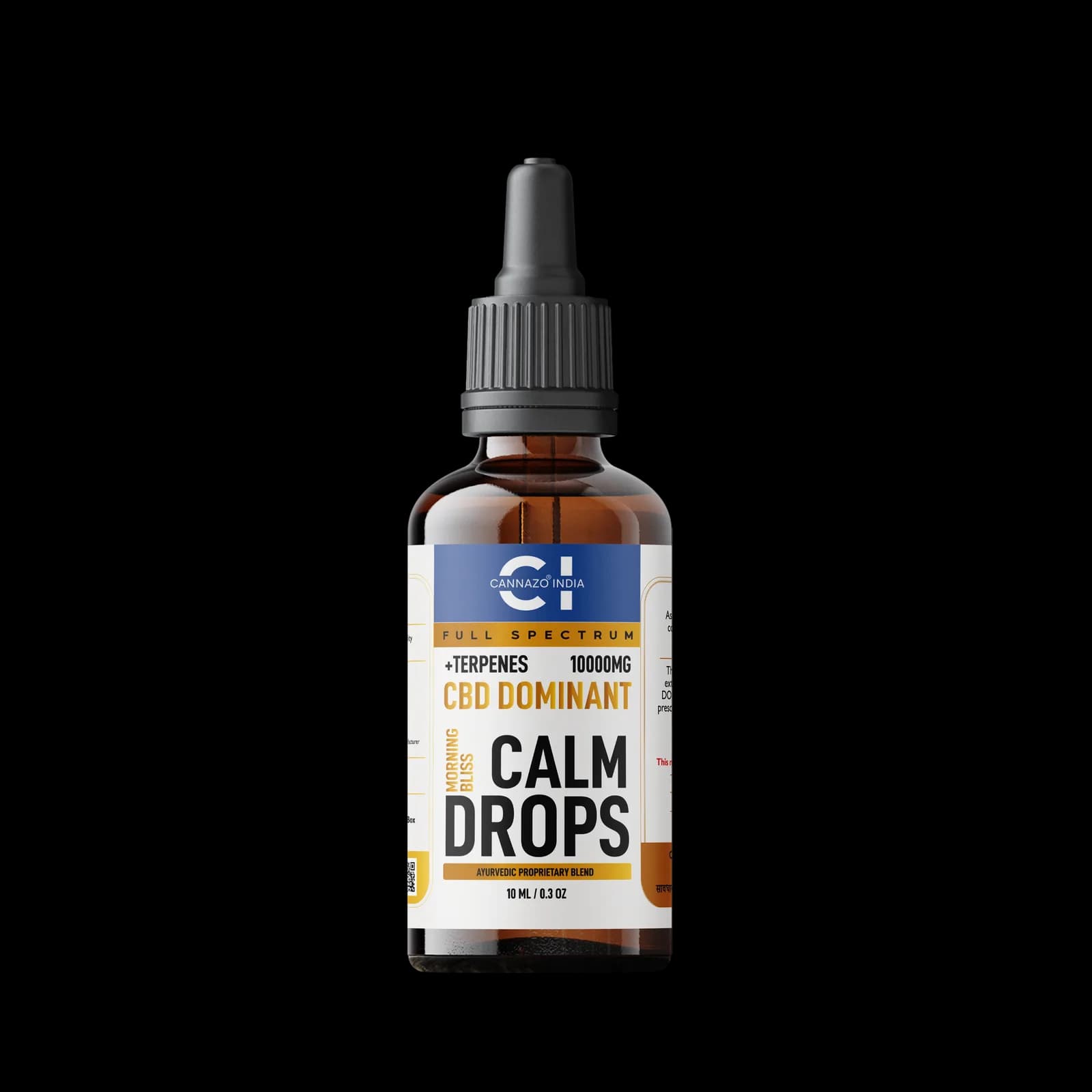
- Calm Drops — CBD Dominant: Daytime anxiety management that reduces the hyperarousal driving withdrawal insomnia. ₹1,500.
- Aromatherapy Roll-on for Sleep: Topical application of sleep-promoting essential oils including lavender and jatamansi. ₹800–₹900.
- Sleep Rite Tablets: Vijaya-based tablet formulation for prescription use in managing sleep during medically supervised withdrawal. Requires NDPS-compliant prescription.
India's Legal Framework: NDPS Act and Cannabis Withdrawal Treatment
Understanding the legal landscape is essential for any Indian consumer seeking cbd for cannabis withdrawal sleep india support. Here is the key regulatory context:
The Narcotic Drugs and Psychotropic Substances (NDPS) Act of 1985 prohibits the production, manufacture, possession, sale, and consumption of ganja (cannabis flowers) and charas (cannabis resin) throughout India. However, the statute specifically exempts cannabis leaves and seeds from its Schedule I prohibitions — a legal distinction that forms the basis for Vijaya-based Ayurvedic medicines.
In 2018, a pivotal regulatory development occurred: the Ministry of AYUSH formally permitted the use of cannabis (referred to as "Vijaya" in the Ayurvedic tradition) in Ayurvedic, Siddha, and Unani medicines. This created the legal pathway for Vijaya extract prescriptions issued by licensed Ayurvedic practitioners (BAMS or MD Ayurveda) under Schedule E1 of the Drugs and Cosmetics Act.
For cannabis withdrawal specifically, this means that a licensed Ayurvedic doctor in India can legally prescribe a Vijaya formulation (such as Trailokya Vijaya Vati or similar) to help a patient taper their cannabis use or manage withdrawal symptoms under medical supervision. This is clinically analogous to how methadone is used for opioid withdrawal — using a controlled taper to reduce the severity of cessation effects. If you are considering this approach, book a telemedicine consultation with one of THC Store's panel doctors in India.
A 2026 clinical trial (NCT07202351) currently recruiting in India specifically targets sleep disorder interventions during cannabis cessation therapy — reflecting the growing recognition of this problem in the Indian medical community and the need for evidence-based protocols.
For more on how cannabis products are regulated in India, including what requires a prescription and what does not, see our comprehensive legal guide.
Cognitive Behavioural Approaches for Withdrawal Insomnia
The clinical guideline published in PMC9110555 recommends Cognitive Behavioural Therapy for Insomnia (CBT-I) as the most effective non-pharmacological intervention for cannabis withdrawal sleep disruption. CBT-I is a structured programme that changes the thoughts and behaviours causing or worsening insomnia. Key components include:
Sleep restriction therapy: Counterintuitively, temporarily restricting time in bed (to match actual sleep ability) consolidates sleep and improves sleep quality rapidly. Start with only being in bed when genuinely sleepy.
Stimulus control: Use the bed only for sleep and sex. Avoid screens, work, and anxiety-provoking activities in the bedroom. This re-associates the bed with sleep rather than wakefulness.
Sleep hygiene: Fixed wake times regardless of how poorly you slept the night before (do not compensate with late sleeping — this disrupts circadian rhythm). Cool, dark room. No caffeine after 2 PM. Light exercise but not within 4 hours of sleep.
Cognitive restructuring: Challenge catastrophic thoughts about sleep loss ("I'll never sleep again," "This is ruining my health"). Most adults can function adequately on 5–6 hours even if it feels terrible. The anxiety about not sleeping often causes more sleep disruption than the insomnia itself.
Relaxation techniques: Progressive muscle relaxation, 4-7-8 breathing, and yoga nidra have evidence for improving sleep onset in anxiety-related insomnia — all relevant to cannabis withdrawal. The Ayurvedic practice of Yoga Nidra (yogic sleep) is particularly powerful for calming the sympathetic nervous system overactivation of withdrawal.
If REM rebound and vivid dreams are severe enough to cause significant daytime impairment or are interfering with your ability to maintain abstinence, this is a clinical situation that warrants professional support.
When to Seek Medical Help for Cannabis Withdrawal Sleep Problems
While cannabis withdrawal sleep disruption is uncomfortable, it is rarely medically dangerous for most people. However, there are situations where professional medical support is essential:
- Severe sleep deprivation: Less than 3–4 hours of sleep per night for more than 5 consecutive days, causing significant impairment in work, relationships, or basic functioning
- Psychosis or dissociation: Rare but documented in heavy, long-term users — visual disturbances, thought disorganisation, or feeling disconnected from reality during withdrawal require urgent assessment
- Suicidal ideation: Depression is common during cannabis withdrawal; if suicidal thoughts emerge, seek immediate psychiatric assessment
- Pre-existing conditions: If you use cannabis to manage PTSD, anxiety disorder, or a chronic pain condition, cessation without a transition plan may cause the original condition to resurface severely
- Failed attempts at self-managed cessation: If you have tried to stop cannabis multiple times and sleep disruption is consistently causing you to relapse, a medically supervised taper may be appropriate
THC Store's panel of cannabis medicine specialists includes doctors experienced in both Ayurvedic and conventional approaches to cannabis withdrawal management in India. A telemedicine consultation can help you design a personalised tapering or support plan. Book your consultation here.
Vijaya Extract for Withdrawal Management — What the Science Says
One emerging area of interest is whether vijaya extract withdrawal management india — using carefully titrated, CBD-dominant Vijaya formulations — can reduce withdrawal severity while allowing the ECS to gradually recalibrate. This approach mirrors the harm reduction model used in opioid and alcohol medicine.
The rationale is scientifically logical: since the withdrawal symptoms result from ECS downregulation (reduced CB1 receptor density and reduced endocannabinoid production), providing exogenous phytocannabinoids during the transition may reduce the severity of receptor "starvation" while the system recovers. CBD, which acts indirectly on the ECS (inhibiting FAAH enzyme which breaks down anandamide, thus increasing anandamide levels), may be particularly well-suited to this role because it does not directly suppress REM sleep.
However, the evidence base for this specific application in human trials is still developing. The most recent relevant data comes from the CBD for sleep research showing CBD's anxiolytic and sleep-promoting effects, which are directly relevant to the withdrawal context even if not studied specifically in withdrawal populations. Always discuss this approach with a licensed practitioner before implementing it — the dosing, timing, and product selection all matter enormously.
Frequently Asked Questions About Cannabis Withdrawal Vivid Dreams
How long will vivid dreams last after stopping cannabis?
For most casual to moderate users (using cannabis several times per week for less than a year), vivid dreams during REM rebound typically peak between days 5 and 10 after cessation and become significantly less intense by weeks 3–4. For heavy daily users (using for multiple years), vivid dreams and disrupted sleep may persist for 6 to 8 weeks. Gradual taper rather than abrupt cessation significantly reduces the intensity and duration of REM rebound.
Are the vivid dreams during cannabis withdrawal dangerous?
For the vast majority of people, vivid dreams during cannabis withdrawal are uncomfortable but not dangerous. They are a normal neurological process — your brain compensating for suppressed REM sleep. However, if dreams are so terrifying that they cause severe anxiety or sleep avoidance, or if they are accompanied by other psychotic features (like difficulty distinguishing dreams from reality), this warrants a medical consultation to rule out a more serious condition.
Can CBD help reduce vivid dreams and REM rebound during withdrawal?
Unlike THC, CBD does not suppress REM sleep. CBD's main relevant mechanisms during withdrawal are: reducing withdrawal-related anxiety (which improves sleep quality), supporting the ECS through anandamide preservation, and potentially smoothing the cortisol peaks of withdrawal that drive nocturnal arousal. Many people find CBD-dominant products helpful for managing the anxiety component of withdrawal, which indirectly improves sleep. However, the evidence specifically in withdrawal populations is limited — consult a specialist for personalised guidance.
Can I use a Vijaya prescription product to help with cannabis withdrawal in India?
Yes, under certain conditions. In India, a licensed Ayurvedic practitioner (BAMS, MD Ayurveda) can prescribe Vijaya leaf extract formulations under Schedule E(1) of the Drugs Rules, 1945 and Ministry of AYUSH guidelines. For cannabis withdrawal, a doctor might prescribe a low-THC or CBD-dominant Vijaya preparation to support a medically supervised taper, reducing the severity of REM rebound and other withdrawal symptoms. This is a specialised area — learn more about Vijaya prescriptions in India and book a consultation with a cannabis medicine doctor.
Does everyone experience REM rebound when stopping cannabis?
Not everyone experiences significant REM rebound. Factors that predict more intense rebound include: longer duration of use, higher potency products, abrupt rather than tapered cessation, and pre-existing sleep disorders. Occasional or infrequent cannabis users may experience minimal sleep disruption upon stopping. The phenomenon is most pronounced and clinically significant in daily heavy users who have used for more than a year.
Is cannabis withdrawal sleep disruption recognised by Indian medical authorities?
Cannabis Use Disorder (CUD) and its associated withdrawal syndrome, including sleep disruption, are recognised in India under the DSM-5 and ICD-11 diagnostic frameworks used by Indian psychiatrists and addiction medicine specialists. The National Drug Dependence Treatment Centre (NDDTC) at AIIMS, Delhi, has published clinical guidelines for managing cannabis withdrawal. While India's primary drug control authority (the NDPS Act system) focuses on law enforcement rather than medical treatment, the medical establishment — particularly AIIMS, NIMHANS, and Ayurvedic institutions — recognises cannabis withdrawal syndrome as a treatable medical condition.
What is the difference between cannabis withdrawal and REM rebound in terms of symptoms?
REM rebound is one component of cannabis withdrawal syndrome, not a separate condition. Cannabis withdrawal syndrome includes: irritability, anxiety, depressed mood, loss of appetite, restlessness, headaches, and sleep disturbance (of which REM rebound is the most prominent feature). REM rebound is specifically the compensatory increase in REM sleep that causes vivid dreams and nightmares. It typically peaks earlier (days 5–10) than some other withdrawal symptoms and resolves faster than mood changes, which may persist for several weeks in heavy users. See our detailed exploration of REM rebound after cannabis cessation.
Sources & References
- NCBI StatPearls — REM Rebound Effect (Ramar K, Malhotra RK, et al.) NBK560713. National Library of Medicine. Characterises REM rebound as a homeostatic compensatory mechanism following REM suppression by THC and other substances.
- Gorelick DA, Goodwin RS, Schwilke E, et al. — Clinical management of cannabis withdrawal. PMC9110555. British Journal of Pharmacology. First-line guidelines for treating cannabis withdrawal including sleep disturbance; recommends CBT-I as primary intervention.
- Cannabis and Sleep Architecture: A Systematic Review and Meta-Analysis — ScienceDirect / Sleep Medicine Reviews. 2025. Quantitative synthesis of polysomnographic data confirming REM suppression during cannabis use and REM rebound during withdrawal across multiple populations and doses.
- Cannabis Withdrawal and Sleep: A Systematic Review of Human Studies — ResearchGate (Bhagya et al.). Comprehensive review of human sleep studies during cannabis withdrawal; confirms REM rebound and vivid dreams as most consistent and distressing features.
- P039 REM Sleep and Dream Reports in Frequent Cannabis Users — ResearchGate / Sleep Research Society. Direct comparison of REM sleep architecture and dream content between cannabis users and non-users; found significantly reduced REM density and dream recall in active users versus intense rebound on cessation.
Share this article
Written by
THC Store Editorial
Published 4 months ago