THC India: Complete 2026 Guide to Legal Cannabis, Vijaya Extract & Where to Buy
Article Summary
THC India — two words that are reshaping how millions of Indians think about pain relief, sleep, anxiety, and wellness. Tetrahydrocannabinol (THC) is the primary active compound in the cannabis plant, and in India it exists within a carefully regulat...
THC India — two words that are reshaping how millions of Indians think about pain relief, sleep, anxiety, and wellness. Tetrahydrocannabinol (THC) is the primary active compound in the cannabis plant, and in India it exists within a carefully regulated legal framework that most people simply don't know about. If you've landed here searching for "THC India," you're likely curious about whether it's legal, how to access it medically, what products are available, and how Vijaya extract fits into Ayurvedic tradition. This comprehensive 2026 guide answers every question — from the science of THC to what the NDPS Act says and the medical-supervision rule in the Drugs Rules, 1945.
Disclaimer: This article is for informational purposes only and does not constitute medical advice. Always consult a qualified healthcare professional before starting any new supplement or treatment. Cannabis-based products are to be taken under medical supervision in India (Drugs Rules, 1945). Book a consultation with our panel doctors for personalized guidance.
What Indian law says, in brief. Ganja (the flowering tops) and charas (the resin) are narcotic drugs under the NDPS Act, 1985 in every state. The Act's definition of cannabis leaves out the seeds, and the leaves when they are not accompanied by the tops, so whether bhang may be sold or possessed is decided by each state's own excise or prohibition law. Ayurvedic medicines made from the cannabis leaf are made under a state manufacturing licence and carry the label "to be taken under medical supervision" (Drugs Rules, 1945, Schedule E(1) and Rule 161). FSSAI permits hemp seed, hemp seed oil and hemp seed flour as food. Where anything further down this page differs from this note, rely on this note.
Last reviewed: 12 October 2026. General information, not legal advice.
What is THC? The Science Behind Tetrahydrocannabinol
Δ9-Tetrahydrocannabinol — universally abbreviated as THC — is the principal psychoactive phytocannabinoid produced by the Cannabis sativa plant. It was first isolated and synthesised by Israeli chemist Raphael Mechoulam in 1964. THC produces its pharmacological effects primarily by binding to CB1 receptors, which are densely concentrated in the central nervous system, and CB2 receptors found in immune tissues and peripheral organs. This receptor binding activates the body's own endocannabinoid system (ECS) — a lipid-based retrograde neurotransmitter network that regulates mood, pain perception, appetite, sleep, and inflammatory response.
In the context of THC India, what matters most is understanding that THC is not simply a "recreational drug" — it has been formally recognised by global regulatory bodies including the WHO as having legitimate medical value for conditions such as neuropathic pain, chemotherapy-induced nausea, spasticity, and appetite stimulation in wasting syndromes. India's own ancient Ayurvedic texts document cannabis use in pain management dating back thousands of years, and today this knowledge is being formalised through modern clinical research. Learn more about THC's full form and pharmacology in our dedicated guide.
THC Legal Status in India 2026 — Understanding the NDPS Act
The Narcotic Drugs and Psychotropic Substances (NDPS) Act 1985 is the cornerstone of India's cannabis law. Under the NDPS Act, the cannabis plant is divided into legally distinct parts:
- Ganja (cannabis flowers/buds) — a narcotic drug under the Act's definitions; production, sale, and possession are prohibited except for medical or scientific purposes as the Act provides.
- Charas (cannabis resin/hashish) — The separated resin; also a narcotic drug under the Act.
- Cannabis leaves and seeds — Left outside the definition of cannabis when not accompanied by the tops; whether they may be sold or possessed depends on each state's excise or prohibition law.
- Hemp (fibre and seed) — Section 14 lets government allow cultivation only for fibre, seed or horticulture; FSSAI permits hemp seed, seed oil and seed flour as food. Indian law has no 0.3% THC limit.
For medical THC in India, the relevant rule is Schedule E(1) of the Drugs Rules, 1945, which lists cannabis leaf (Bhanga, except seeds) as a poisonous substance under the Ayurvedic system. Rule 161(2) requires Vijaya extracts, THC products, and other Ayurvedic cannabis-leaf medicines to carry the label "to be taken under medical supervision", and the Ministry of Ayush says they are to be taken under a registered practitioner's supervision.
India's legal framework for THC is complex but workable. The key is understanding that the only route the law supports is a licensed Ayurvedic leaf medicine taken under medical supervision, while recreational use of ganja or charas is an offence. If you need personalised legal and medical guidance, consult our AYUSH-registered panel doctors.
Vijaya Extract — India's Ayurvedic Name for Medical THC Cannabis
Vijaya (Sanskrit: विजया, meaning "the victorious one") is the traditional Ayurvedic name for cannabis in India. This term is used across classical Ayurvedic texts including Charaka Samhita, Sushruta Samhita, and Atharva Veda, where cannabis was praised for its analgesic, anxiolytic, and digestive properties. Vijaya extract — made from cannabis leaves under a state Ayurvedic manufacturing licence — is the form in which cannabis-leaf medicine is sold in India today.
Cannabis leaf (Bhanga/Vijaya, except the seeds) is listed in Schedule E(1) of the Drugs Rules, 1945 as a substance used in the Ayurvedic system; we could not confirm a 2018 decision by the Ministry of AYUSH, and the Ministry says it does not certify or approve any company or medicine. Manufacturers make Vijaya preparations under a licence from the State Licensing Authority under the Drugs and Cosmetics Act. These products are sold as medicines to be taken under medical supervision.
Key characteristics of Vijaya extract in India:
- Source material: Cannabis leaves not accompanied by the flowering tops (outside the NDPS definition of cannabis)
- Active compounds: Full-spectrum cannabinoids including THC, CBD, CBG, and terpenes
- Manufacturing standard: Ayurvedic manufacturing units licensed by the State Licensing Authority
- Distribution: Labelled "to be taken under medical supervision"; supplied against a practitioner's prescription
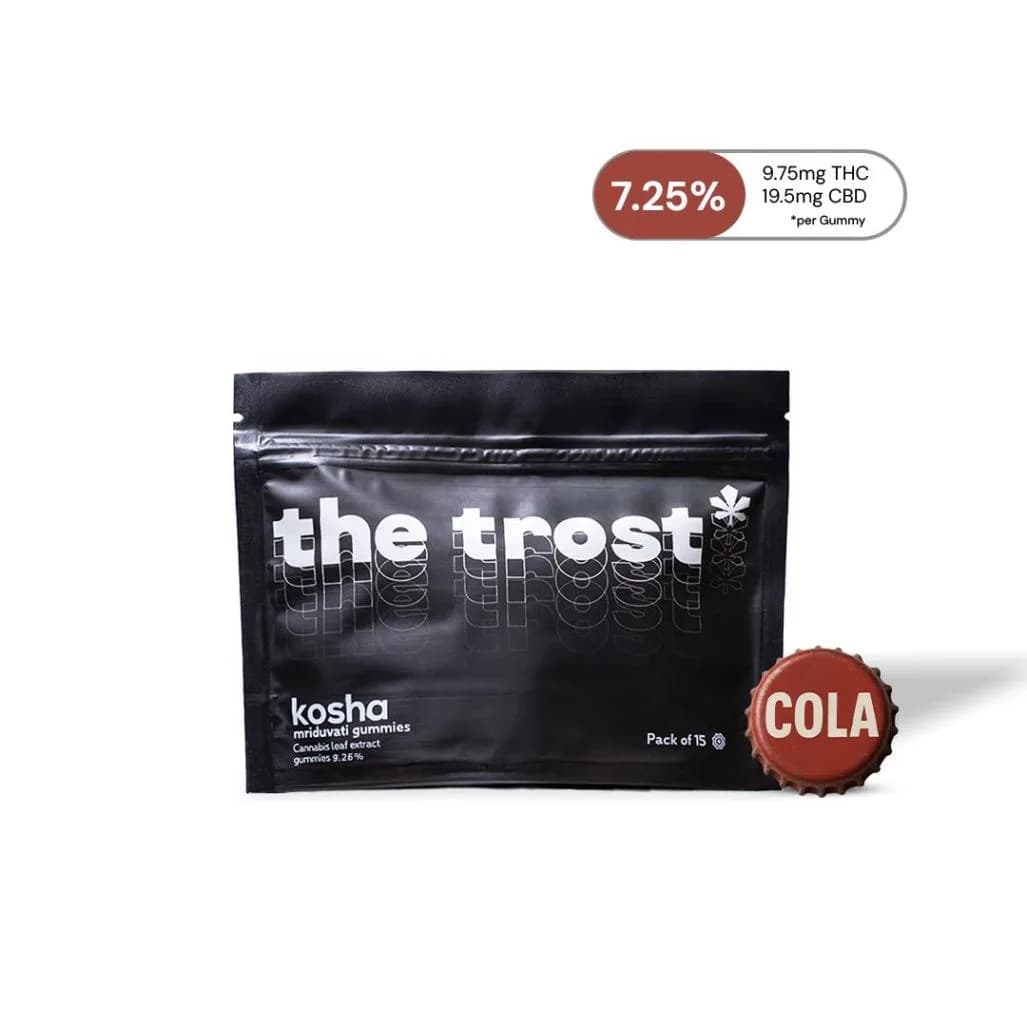
- Ayurvedic formulations: Trailokya Vijaya Vati (tablets), tinctures, oils, Mriduvati (cannabis-based gummy medicine)
Explore the full story of Vijaya leaf and its 5,000-year Ayurvedic heritage, or read our in-depth Vijaya leaf complete guide.
AYUSH Licensing and the Regulatory Pathway
India's medical THC framework involves three regulatory layers: the NDPS Act (narcotics), the Drugs and Cosmetics Act (pharmaceuticals), and the AYUSH Ministry (traditional medicine). Here's how AYUSH-licensed cannabis products reach patients:
- Manufacturing Licence: Companies apply to the State Licensing Authority for a licence under Chapter IVA of the Drugs and Cosmetics Act, 1940. Since an August 2024 Ministry of Ayush order, the State authority may grant a licence for a medicine containing cannabis only after clearance from the Central Government.
- State Rules on Cannabis: Under Section 10 of the NDPS Act a State Government may, by rules, permit and regulate the cultivation and possession of cannabis (excluding charas), subject to Section 8. Indian law has no 0.3% THC threshold.
- Labelling: Because cannabis leaf is in Schedule E(1) of the Drugs Rules, 1945, the container must carry the words "Caution: to be taken under medical supervision" in English and Hindi, and the label must list all ingredients (Rule 161).
- Medical Supervision: The Ministry of Ayush says these medicines are to be taken under the supervision of a registered practitioner of the relevant Ayush system. The seller supplies the medicine against that practitioner's prescription.
This is the only pathway the law supports for THC in India: a leaf-based Ayurvedic medicine taken under medical supervision. For most individuals, the easiest entry point is a telehealth consultation. Book a consultation with our panel doctors to receive a valid prescription tailored to your medical condition.
Medical Benefits of THC — Clinical Evidence
The clinical evidence base for therapeutic THC has grown significantly since 2020. While India-specific trials remain limited (PMC10405537 identified the need for India-specific cannabis clinical trial guidelines), global evidence has been reported for several conditions:
1. Chronic Pain and Neuropathic Pain
THC is one of the most studied natural analgesics. A 2024 critical review of THC clinical trials (PMC10971680) analysed 30+ randomised controlled trials and found meaningful analgesic efficacy in neuropathic pain, cancer-related pain, and musculoskeletal conditions. THC activates CB1 receptors in the periaqueductal grey area — a key pain-modulation hub — and reduces central sensitisation, the mechanism driving conditions like fibromyalgia and CRPS. For Indian patients dealing with chronic pain from conditions like diabetic neuropathy, arthritis, and cancer, cannabis-based medicine offers a complementary or adjunct pathway.
2. Sleep Disorders
THC at low doses (5–10 mg) reduces sleep latency (time to fall asleep) and increases total sleep time. It suppresses REM sleep in the short term — which can actually benefit patients with PTSD-related nightmares — though long-term use requires careful management. Indian patients with insomnia related to chronic pain, anxiety, or age-related sleep disruption are increasingly being prescribed low-dose Vijaya tinctures by AYUSH physicians. Read our detailed CBD and cannabis for sleep guide for clinical context.
3. Anxiety and Mental Health
THC has a biphasic effect on anxiety: low doses tend to be anxiolytic while high doses can be anxiogenic. Clinical trials have shown that carefully dosed, balanced THC:CBD formulations (e.g., 1:1 or 1:10 ratios) have been reported to reduce anxiety symptoms in generalised anxiety disorder and PTSD. India has 197 million people with mental health conditions (WHO 2023 estimate), many of whom don't respond adequately to standard SSRIs — but Vijaya extract is not an established treatment for them, and any use should be decided with your doctor.
4. Nausea and Appetite Stimulation
THC's anti-emetic and orexigenic (appetite-stimulating) effects are supported by the strongest clinical evidence in oncology. Cancer patients undergoing chemotherapy often experience severe nausea and anorexia, and THC-based preparations (historically Dronabinol, and now AYUSH Vijaya formulations in India) have been used for this. Any use alongside cancer treatment should be decided by the treating oncologist.
5. Inflammation and Autoimmune Conditions
THC activates CB2 receptors in immune cells, suppressing pro-inflammatory cytokine release (including TNF-α and IL-6) and modulating T-cell activity. Preclinical and early clinical research has explored its use in rheumatoid arthritis, inflammatory bowel disease, and multiple sclerosis-related spasticity. Indian Ayurvedic practitioners have historically used Vijaya preparations for inflammatory conditions under the framework of "Vatahara" (vata-suppressing) medicine.
THC vs CBD — Key Differences for Indian Buyers
One of the most common questions about THC India is how it differs from CBD. Both are cannabinoids from the same plant, but their pharmacology, legal status, and applications differ significantly.
| Property | THC | CBD |
|---|---|---|
| Psychoactivity | Yes — binds CB1 directly | No — indirect CB1 modulation |
| Legal Status in India | Narcotic drug if from flowering tops or resin; otherwise only in a leaf-based Ayurvedic medicine under medical supervision | No rule names CBD; hemp seed foods may contain up to 75 mg/kg naturally |
| Primary Medical Use | Pain, sleep, nausea, appetite | Anxiety, inflammation, seizures |
| Drug Test Impact | Will appear positive (THC metabolites) | Depends on the THC content of the product |
| India Price Range | ₹800–₹3,000 / month (Rx) | ₹500–₹2,500 / month |
| Best for | Severe chronic conditions | Daily wellness and mild conditions |
| Ayurvedic Name | Vijaya (विजया) | No specific traditional name |
For a deeper comparison, read our guide on THC vs CBD differences or explore the full range of CBD products if you're comparing options.
Types of Vijaya (Cannabis-Leaf) Products Sold in India
India's Vijaya medicine market has diversified considerably since 2020. Here are the main THC product types currently sold by licensed Ayurvedic manufacturers:
Vijaya Extract Tinctures and Oils
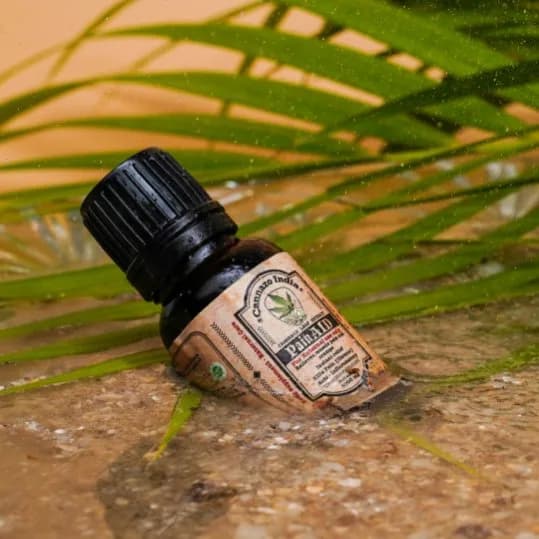
Oil-based extracts of cannabis leaf (often in sesame or coconut carrier oil) standardised for THC and CBD content. These are the most prescribed form in India, dosed sublingually (under the tongue) for fast absorption — 15–30 minutes onset time. Products like the Raw Cannabis Leaf Extract provide a full-spectrum cannabinoid profile. Typical doses range from 0.25 ml to 1 ml twice daily depending on condition severity. Cost: ₹800–₹2,500 per 30 ml bottle.
Cannabis Tablets and Vatis (Ayurvedic Pills)
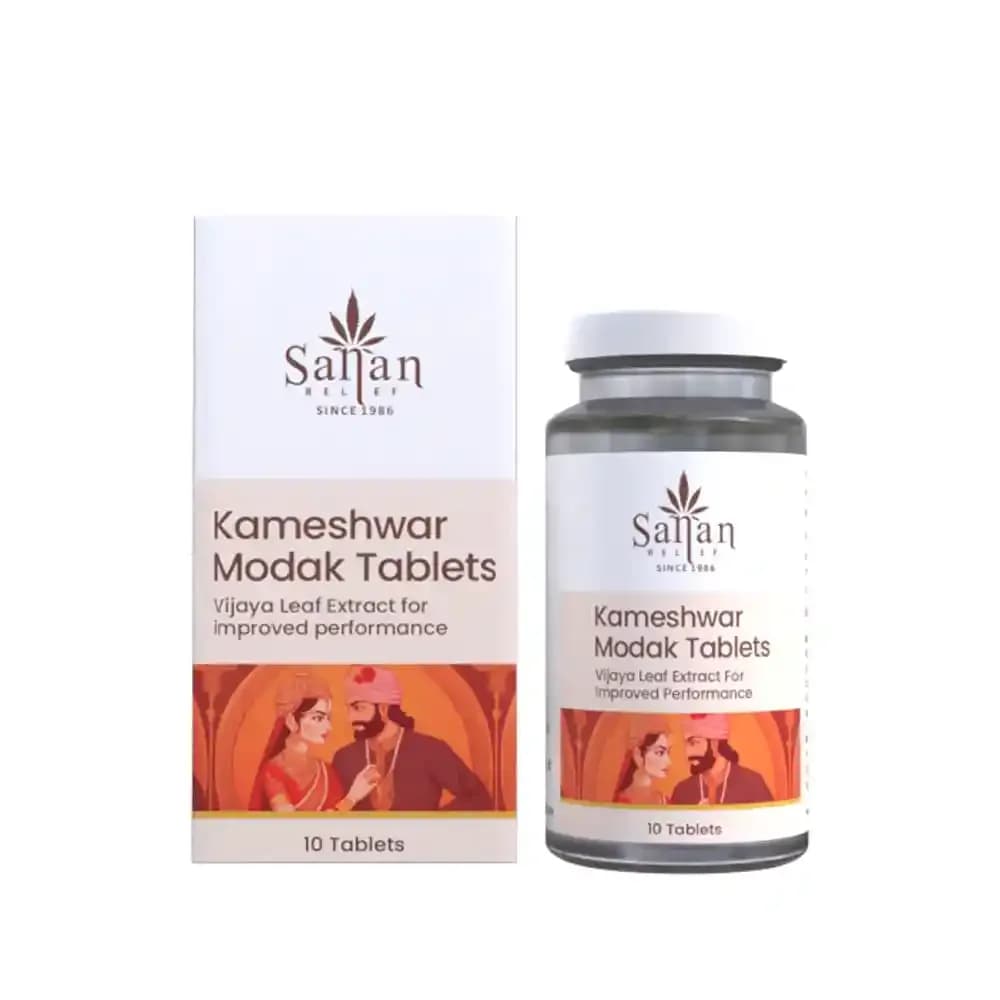
Classical Ayurvedic preparations like Trailokya Vijaya Vati and Mriduvati are standardised cannabis tablets combining Vijaya extract with other Ayurvedic herbs. These are among the most ancient cannabis medicines in human history — referenced in Sushruta Samhita (circa 600 BCE) — and today are manufactured by AYUSH-licensed pharmaceutical companies. The Mriduvati guide covers these in detail. Cost: ₹500–₹1,500 for 30 tablets.
THC Gummies and Edibles
Vijaya-extract-infused gummies and edibles are among the most popular THC delivery formats due to precise dosing, palatability, and longer-lasting effects (4–8 hours). THC gummies India are sold as leaf-based Ayurvedic medicines in different strengths through prescription platforms; no Indian law creates a separate category for THC edibles. The THC edibles guide covers onset, duration, and dosing strategy. Cost: ₹800–₹2,000 for 10–30 pieces.
Ayurvedic Combination Formulations
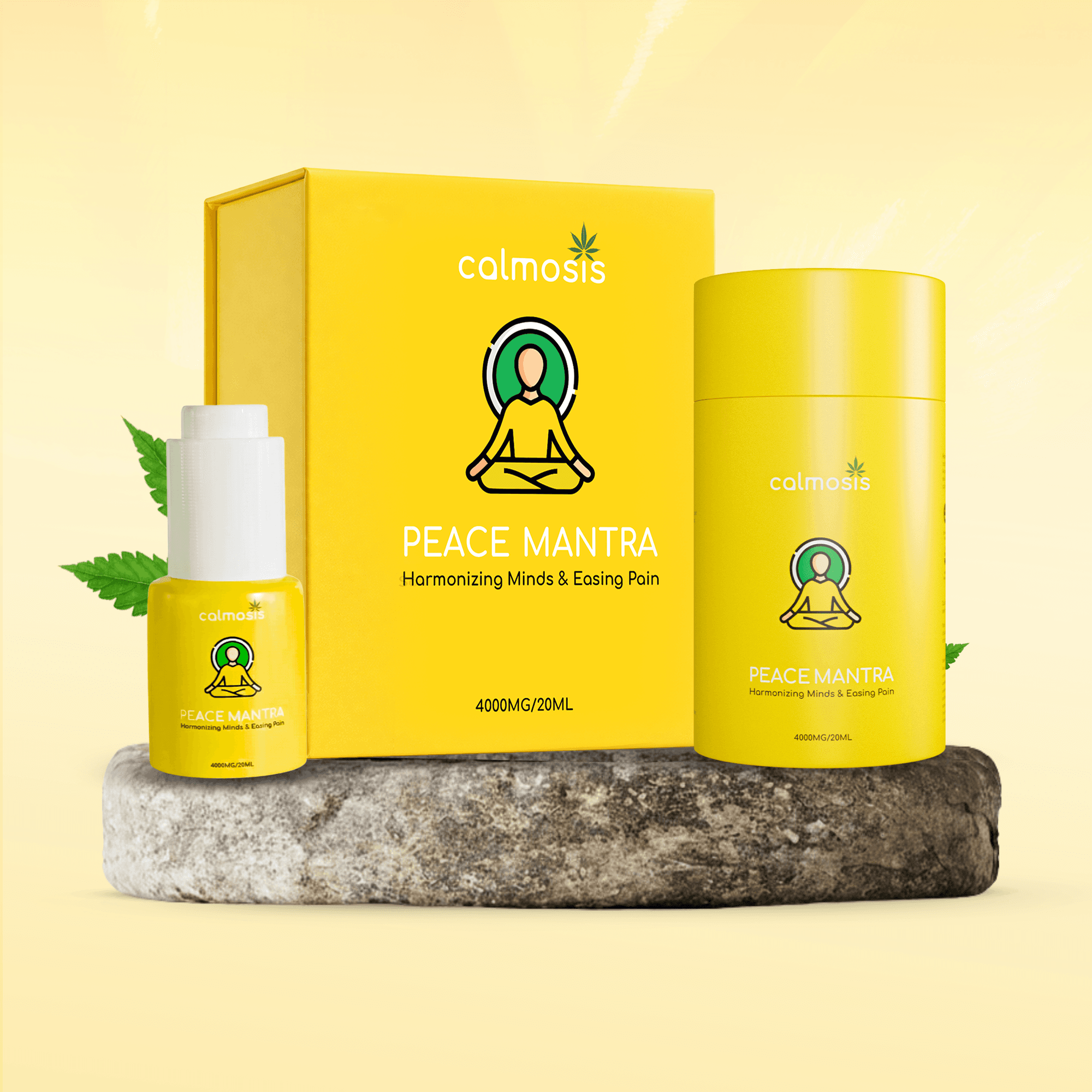
Premium Ayurvedic formulators like Calmosis have created sophisticated blends combining THC and CBD extracts with adaptogenic herbs such as Ashwagandha (Withania somnifera) and Brahmi (Bacopa monnieri). These combination products target specific conditions like sleep disorders, chronic pain, and anxiety with a synergistic approach that aligns with Ayurvedic principles of holistic treatment. Explore therapeutic cannabis gummy options on our platform. Cost: ₹1,200–₹3,000 per month supply.
Topical THC Preparations
Cannabis-infused balms, creams, and pain patches deliver localised relief without systemic psychoactivity — the THC does not cross the blood-brain barrier when applied topically. These are particularly popular for arthritis, sports injuries, and post-surgical pain management. Products range from ₹400–₹1,500 for 50–100 g preparations ; the "medical supervision" label rule in Rule 161(2) covers internal-use medicines, so ask the manufacturer how its topical is licensed.
How Vijaya Medicines Are Obtained in India — Step-by-Step Guide
Many Indians are unsure how to navigate the prescription pathway for THC in India. Here is a step-by-step process:
- Step 1: Medical Consultation — Book an online or in-person consultation with a registered Ayurvedic practitioner. Our telehealth panel doctors can assess your condition through a secure video call (₹300–₹700 per consultation).
- Step 2: Medical History Review — Your doctor will review your current medications, past medical history, and specific symptoms. It's important to disclose all existing medications as THC has known drug interactions (particularly with blood thinners, benzodiazepines, and certain antidepressants).
- Step 3: Prescription Issuance — If appropriate, your doctor will issue a written prescription specifying the product, dose, and duration. This is what the label "to be taken under medical supervision" (Drugs Rules, 1945, Rule 161(2)) means in practice.
- Step 4: Product Selection — Based on your condition and the doctor's recommendation, choose an AYUSH-licensed product. Your doctor may recommend starting with a balanced THC:CBD ratio and titrating upward.
- Step 5: Purchase and Delivery — Order through a platform like THC Store, which lists brands holding Ayurvedic manufacturing licences. Delivery usually takes 3–7 days; check your own state's excise or prohibition law before ordering. Browse Vijaya extract products here.
- Step 6: Follow-Up — Schedule a follow-up consultation 2–4 weeks after starting. Most AYUSH doctors adjust dosing based on your response, and it's normal to take 2–4 weeks to find the optimal dose for your condition.
THC Dosage Guide for Indian Medical Patients
Dosing medical THC requires careful titration based on the individual's condition, body weight, tolerance, and concurrent medications. The Ayurvedic principle of Satmya (individual suitability) is especially relevant here — no two patients will respond identically.
General Dosing Principles
"Start Low, Go Slow" is the universal principle. Begin with 2.5–5 mg of THC and wait 2 hours before assessing effect. For tinctures, this typically corresponds to 0.25–0.5 ml. For gummies, it's typically one-half of a standard 10 mg piece. Gradually increase by 2.5 mg every 5–7 days until therapeutic effect is achieved.
- Mild conditions (anxiety, mild insomnia): 2.5–10 mg THC per day, often combined with CBD
- Moderate conditions (chronic pain, moderate sleep disorders): 10–25 mg THC per day
- Severe conditions (cancer pain, treatment-resistant conditions): 25–50 mg+ THC per day under close medical supervision
- Elderly patients: Start at 1–2.5 mg and titrate very slowly; increased sensitivity to THC effects
Important: The above is general guidance only. Your AYUSH doctor will prescribe a specific dose based on your individual profile. Never self-medicate with THC — always follow a formal prescription. Read our comprehensive THC gummies dosage guide for product-specific dosing strategies.
Safety, Side Effects, and Drug Interactions
Vijaya medicine in India, when used under AYUSH/medical supervision, carries a very different risk profile compared to uncontrolled use. The key safety considerations are:
Common Side Effects
- Transient cognitive effects: Short-term memory impairment and slowed reaction time, particularly at higher doses. These typically resolve within 2–4 hours.
- Dry mouth (xerostomia): Activation of CB1 receptors suppresses salivary gland secretion. Manage by staying hydrated.
- Increased heart rate: THC causes a temporary tachycardia. Contraindicated in patients with severe cardiac arrhythmias. Normalises within 1–2 hours.
- Dizziness or postural hypotension: More common at initiation; resolves with dose stabilisation.
- Appetite stimulation: Can be a therapeutic effect in cancer patients but a concern in metabolic syndrome.
Contraindications
THC is contraindicated in: personal or family history of psychosis/schizophrenia; severe cardiac disease; pregnancy and breastfeeding; patients under 25 years (developing brain); and those taking anticoagulants or CNS depressants without medical supervision.
Drug Interactions
THC interacts with the CYP450 enzyme system in the liver. Significant interactions include: warfarin (increases bleeding risk), clobazam (increased sedation), metformin (may potentiate hypoglycaemia), and SSRIs (serotonin-related interactions). Always disclose all medications to your prescribing doctor before starting Vijaya extract.
State-by-State Overview: THC and Cannabis Access Across India
India's federal structure means cannabis law has state-level nuances alongside central NDPS Act provisions:
- Uttarakhand: The Excise Department has a "Hemp Section" for industrial hemp; the cultivation rules and dates reported in the press could not be verified.
- Uttar Pradesh: District excise notices show licensed retail bhang shops; hemp cultivation rules could not be verified.
- Madhya Pradesh: The Excise Act and Bhang Rules provide for licensed retail sale of bhang; its hemp cultivation policy could not be verified.
- Rajasthan: The Excise Act names bhang and requires a licence for its sale; licensed shops are widely reported, so check the current rules.
- Bihar and Assam: Bihar's Prohibition and Excise Act 2016 bans possession, sale and consumption of bhang; Assam repealed its 1958 prohibition Act in 2022, and its Excise Act requires a licence for sale.
- Maharashtra, Karnataka, Tamil Nadu, Delhi: Maharashtra's and Tamil Nadu's prohibition Acts name bhang and prohibit possession unless licensed or exempted; Karnataka's Excise Act requires a licence for sale; Delhi's Excise Rules set a 120 g limit and provide a retail bhang licence. Whether a Vijaya medicine may be bought there depends on these laws.
- Himachal Pradesh and J&K: Famous for traditional charas (cannabis resin) culture, but resin is a narcotic drug under the NDPS Act; the status of bhang and leaf-based preparations depends on the state's or UT's own law, which could not be verified.
Whatever your state, check its excise or prohibition law first; a Vijaya medicine containing THC in India should be taken only under a registered Ayurvedic practitioner's supervision. Book a consultation with our panel doctors for guidance on whether a Vijaya medicine suits you.
Where to Buy Vijaya Products in India — Buyer's Guide
With hundreds of websites now claiming to sell cannabis products in India, knowing how to identify legitimate, safe sources is critical. Here's what to look for when buying Vijaya products in India:
Red Flags to Avoid
- Products claiming "guaranteed THC delivery" without requiring a prescription
- No AYUSH licence number or drug licence visible on the website
- No third-party lab testing (Certificate of Analysis) available
- Products advertising THC content that are not licensed Ayurvedic medicines carrying the Schedule E(1) caution
- Extremely low prices (quality AYUSH-GMP manufacturing costs money)
What Legitimate Platforms Offer
- Clear prescription pathway via licensed telemedicine doctors
- Brand partners holding Ayurvedic manufacturing licences
- Third-party lab testing certificates (COA) for all products
- Transparent THC and CBD content labelling in mg/ml
- Secure, discreet packaging
- Post-purchase follow-up and dosing support
THC Store (thcstore.in) partners exclusively with AYUSH-licensed brands and provides access to licensed doctors for prescriptions. Browse our complete THC products guide to understand what's available, or explore specific categories like THC gummies by city.
The Future of THC in India — 2026 and Beyond
India's cannabis medicine landscape is evolving rapidly. Several developments are shaping the future of THC India:
- NDPS Act Amendments: The NDPS Act has not been amended to create a medical-cannabis category. Proposals for change are only proposals, and the rules in force today are the ones that apply.
- Export Opportunity: India's hemp and cannabis sector sees a multi-billion dollar export opportunity in cannabinoid derivatives for global pharmaceutical markets.
- Ayurvedic Formalisation: Since an August 2024 Ministry of Ayush order, State authorities may license an Ayurvedic medicine containing cannabis only after Central Government clearance, and existing licences were to be sent to the Ministry for review. The Ministry also says there are no "cannabis specialisations" in Ayush systems.
- Clinical Research: As PMC10405537 (2023 Bangalore Medical College study) highlighted, India urgently needs robust local clinical trials on cannabis for Indian patient populations. CSIR-IIIM, a Government of India laboratory, says it holds a J&K Government licence to cultivate cannabis for scientific purposes.
For now the position is unchanged: medical THC in India means a licensed Ayurvedic leaf medicine taken under medical supervision, subject to your state's excise or prohibition law. Explore Vijaya extract India's full medical guide for the latest developments.
Frequently Asked Questions: THC India
Is THC legal in India in 2026?
Not as such. THC from the flowering tops (ganja) or resin (charas) is controlled under the NDPS Act in every state. The only route the law supports is an Ayurvedic medicine made from cannabis leaf under a state manufacturing licence; cannabis leaf is in Schedule E(1) of the Drugs Rules, 1945, so the medicine must be labelled "to be taken under medical supervision". Your state's excise or prohibition law also applies. Book a consultation here.
What is Vijaya extract and how does it relate to THC?
Vijaya extract is an Ayurvedic cannabis-leaf extract made under a state manufacturing licence; leaves not accompanied by the flowering tops are outside the NDPS Act's definition of cannabis. It contains a standardised spectrum of cannabinoids including THC and CBD. It is sold as a medicine to be taken under medical supervision. The name "Vijaya" comes from Sanskrit and is documented in classical Ayurvedic texts as far back as 2,500 years ago. Learn more in our Vijaya leaf guide.
How do I get a THC prescription in India?
The process involves: (1) consult a registered Ayurvedic practitioner — either in-person or via telemedicine, (2) the doctor reviews your condition and medical history, (3) if appropriate, they issue a prescription, and (4) you buy a licensed, properly labelled medicine. Our panel doctors consult via telehealth and issue prescriptions within 24–48 hours; your state's excise or prohibition law still applies.
What is the difference between THC and CBD in India?
THC is the primary psychoactive cannabinoid — it binds directly to CB1 receptors in the brain and has stronger analgesic, sleep-inducing, and appetite-stimulating effects. In India it is controlled under the NDPS Act unless it comes in a leaf-based Ayurvedic medicine taken under medical supervision. CBD is non-psychoactive; no Indian rule names it, FSSAI caps naturally occurring CBD in hemp seed foods at 75 mg/kg with no health claims, and there is no 0.3% THC rule. It is primarily used for anxiety, inflammation, and mild sleep issues. Many Ayurvedic preparations combine both in therapeutic ratios. For more, see our THC full form guide.
Can THC help with chronic pain in India?
Clinical evidence gives some support for THC in chronic neuropathic pain, cancer pain, and musculoskeletal conditions. A 2024 systematic review (PMC10971680) found meaningful analgesic effects in multiple randomised controlled trials. In India, patients with diabetic neuropathy, post-surgical pain, arthritic conditions, and cancer-related pain are sometimes prescribed AYUSH-licensed Vijaya extract under medical supervision. Read our chronic pain guide for detailed protocols.
How much does Vijaya medicine cost in India?
Vijaya medicine in India ranges from ₹500 to ₹3,000 per month depending on the product type and dose. Doctor consultations through telemedicine cost ₹300–₹700. Vijaya tinctures average ₹1,000–₹2,500 for 30 ml. Cannabis tablets (Mriduvati, Trailokya Vijaya Vati) range from ₹500–₹1,500 per course. THC gummies run ₹800–₹2,000 for a month's supply. Ask your practitioner whether the cost is justified for your condition.
Will THC show up on a drug test in India?
Yes — THC metabolites (particularly 11-nor-9-carboxy-THC, or THC-COOH) are detectable in urine drug tests for 3–30 days depending on frequency of use, dose, and individual metabolism. If you're taking prescribed Vijaya extract, carry your prescription as documentation. However, employment drug testing policies vary; if drug testing is a concern in your profession, discuss this with your prescribing doctor before starting THC medication.
Sources & References
- Δ9-Tetrahydrocannabinol (THC): A Critical Overview of Recent Clinical Trials and Suggested Guidelines for Future Research. PMC10971680. 2024.
- Clinical studies with Cannabis in India — A need for guidelines. PMC10405537, Indian Journal of Pharmacology. 2023. Bangalore Medical College.
- Effect of Cannabis on Memory Consolidation, Learning and Retrieval and Its Current Legal Status in India: A Review. PMC9855787. 2023.
- Awshad. Is CBD Legal in India? Complete Guide for 2026. awshad.com. 2026.
- Qurist. Is THC Legal in India? Understanding Cannabis Laws and Legal Status. qurist.in. 2025.
Share this article
Written by
THC Store Editorial
Published 4 months ago