THC Vapes India: Complete Legal Buyer's Guide to Cannabis Vaporizers
Article Summary
If you've been searching for THC vapes India , you're joining millions of Indians who are curious about cannabis vaporizers and their place in the country's evolving legal landscape. Whether you're exploring vaping for pain relief, anxiety management...
If you've been searching for THC vapes India, you're joining millions of Indians who are curious about cannabis vaporizers and their place in the country's evolving legal landscape. Whether you're exploring vaping for pain relief, anxiety management, or sleep support, understanding what's legal, what's safe, and what alternatives exist is essential before making any purchase decision. This comprehensive guide covers everything you need to know about THC vapes in India, the NDPS Act, how Ayurvedic cannabis-leaf medicines are regulated, safety research, and the non-inhaled Ayurvedic alternatives.
Disclaimer: This article is for informational purposes only and does not constitute medical advice. Always consult a qualified healthcare professional before starting any new supplement or treatment. Cannabis-based products are to be taken under medical supervision in India (Drugs Rules, 1945). Book a consultation with our panel doctors for personalized guidance.
What Indian law says, in brief. Ganja (the flowering tops) and charas (the resin) are narcotic drugs under the NDPS Act, 1985 in every state. The Act's definition of cannabis leaves out the seeds, and the leaves when they are not accompanied by the tops, so whether bhang may be sold or possessed is decided by each state's own excise or prohibition law. Ayurvedic medicines made from the cannabis leaf are made under a state manufacturing licence and carry the label "to be taken under medical supervision" (Drugs Rules, 1945, Schedule E(1) and Rule 161). FSSAI permits hemp seed, hemp seed oil and hemp seed flour as food. Where anything further down this page differs from this note, rely on this note.
Last reviewed: 12 October 2026. General information, not legal advice.
What the e-cigarette law says.
- The Prohibition of Electronic Cigarettes Act, 2019 prohibits producing, manufacturing, importing, exporting, transporting, selling, distributing and advertising electronic cigarettes, and knowingly allowing a place to be used to store a stock of them.
- The Act defines an electronic cigarette as "an electronic device that heats a substance, with or without nicotine and flavours, to create an aerosol for inhalation", and "substance" includes any natural or artificial substance, solid or liquid. A device is not outside the Act because it holds no nicotine.
- A first offence under section 4 is punishable with imprisonment of up to one year, a fine of up to ₹1 lakh, or both; a repeat offence with up to three years and a fine of up to ₹5 lakh.
- The Bureau of Civil Aviation Security lists e-cigarettes, including "other personal vaporizers", as not permitted in either cabin or checked baggage.
Checked against the text of the Act on 13 October 2026. The Act does not list possession or personal use as an offence, and we found no court ruling on that point, so we make no statement either way. Cannabis oil or resin in any cartridge is a narcotic drug under the NDPS Act. General information, not legal advice.
What Are THC Vapes? Understanding Cannabis Vaporizers in India
THC vapes — also called cannabis vaporizers, vape pens, or dab pens — are devices that heat cannabis extracts, oils, or dry herb to a temperature below combustion (typically 160°C–220°C), producing an inhalable vapour rather than smoke. Unlike burning cannabis (which produces harmful combustion byproducts), vaporization theoretically reduces exposure to tar, carbon monoxide, and carcinogenic polycyclic aromatic hydrocarbons.
In global markets where medical cannabis is legal, vaporizers are prescribed delivery devices for patients needing rapid onset of cannabinoids — particularly THC (tetrahydrocannabinol) and CBD (cannabidiol). The appeal of vaping THC in India stems from this perceived harm-reduction potential combined with fast-acting effects (onset within 1–5 minutes versus 30–120 minutes for edibles).
There are three main device types sold globally:
- Dry herb vaporizers: Accept raw cannabis flower (which is ganja, a narcotic drug in India whatever its THC level)
- Oil/concentrate vaporizers: Use pre-filled cartridges with THC oil, distillate, or live resin
- Wax/dab pens: Accept concentrated cannabis extracts (wax, shatter, budder)
Understanding these distinctions is critical for Indian consumers although none of the three has a legal category in India: cannabis flower, resin and their extracts are all narcotic drugs under the NDPS Act 1985.
THC Vapes India Legal Status: What the NDPS Act Says in 2026
The Narcotic Drugs and Psychotropic Substances (NDPS) Act 1985 is the central legislation governing cannabis in India. Under this Act:
- Ganja (the flowering or fruiting tops of the cannabis plant) is a narcotic drug — manufacturing, possessing, selling, buying, or consuming ganja is a criminal offence.
- Charas (the separated resin, including hashish oil) is part of the same definition and is equally prohibited.
- THC-containing vape products — whether oil cartridges, concentrates, or tinctures with psychoactive THC levels — are extracts of cannabis resin or flower, and such extracts are narcotic drugs whatever their CBD/THC ratio. They are illegal across India.
- Vaping hardware (the device itself) occupies a grey area. The NDPS Act does not mention vaporizer devices. India's Prohibition of Electronic Cigarettes Act 2019 is a separate law (see the section below); read its current text before relying on any summary of how it applies to a device.
Critically, penalties under the NDPS Act are severe: possession of small quantities (see our Vijaya Leaf legal guide) can result in up to one year's imprisonment, or a fine of up to ₹10,000, or both, while commercial quantities attract 10–20 years of rigorous imprisonment. This makes purchasing THC vape cartridges from unregulated markets an extraordinarily high-risk activity in India.
A separate category exists: Ayurvedic medicines made from the cannabis leaf under a state manufacturing licence — covered in the next section.
Ayurvedic Vijaya Medicines: Why No Vaporizer Is Covered
Cannabis leaf — Vijaya or Bhanga, except the seeds — is listed in Schedule E(1) of the Drugs Rules, 1945 as a poisonous substance under the Ayurvedic system. That listing, and the licensing rules for Ayurvedic drugs, are the framework for cannabis-leaf medicines in India.
Under this framework:
- Ayurvedic medicines containing cannabis leaf are made under a manufacturing licence granted by the State Licensing Authority (Drugs and Cosmetics Act, 1940, Chapter IVA).
- Since an August 2024 Ministry of Ayush order, the State authority may grant such a licence only after clearance from the Central Government.
- Internal-use medicines containing cannabis leaf must be labelled "Caution: to be taken under medical supervision" (Rule 161(2)); the Ministry of Ayush says they are to be taken under the supervision of a registered practitioner of that system.
- The Ministry of Ayush does not itself certify or approve any company or medicine.
What this means for cannabis vaporizers specifically: These rules deal with medicines for internal use — typically oils, tinctures, capsules, and tablets — not inhalation devices. We found no legal category in India for an inhaled vijaya medicine, a cannabis vaporizer or a vape cartridge, making vaporized cannabis effectively unavailable through any legal channel in India.
If you are considering a cannabis-based medicine for a health condition, consult our panel doctors about Ayurvedic cannabis-leaf formulations taken under medical supervision.
Types of Cannabis Vaporizers: A Global Overview for Indian Consumers
While THC vapes are not legally available in India, understanding the global landscape of cannabis vaporizers helps Indian consumers make informed decisions and contextualize what they encounter online or when travelling abroad:
Portable Dry Herb Vaporizers
Devices like the Storz & Bickel Mighty or PAX 3 accept ground cannabis flower. They operate at precise temperatures (160–220°C) to volatilize cannabinoids without combustion. In countries like Canada, Netherlands, and Israel (where medical cannabis is legal), these are standard prescription delivery devices. In India, possession of cannabis flower (ganja) is illegal regardless of its THC content or the device used.
Vape Pens with Pre-Filled THC Cartridges
Oil-based 510-thread cartridges containing THC distillate, CO2 oil, or live resin are the most popular global format. These are sold at licensed dispensaries in the USA, Canada, and Europe. In India, the extracts in these cartridges are narcotic drugs and their sale or possession is a criminal offence.
CBD Vape Pens (No Legal Category)
Products marketed as "hemp vape" or "CBD vape" with THC content under 0.3% have no legal category either. Indian law has no 0.3% THC threshold: an extract of the flowering tops or resin is a narcotic drug whatever its CBD/THC ratio, and FSSAI permits only hemp seed foods. Together with the ban on e-cigarettes under the PECA 2019, this means these devices have no legitimate legal pathway in India.
Medical Inhalers for Cannabinoid Delivery
Advanced medical devices like the Israeli Syqe Inhaler (currently in clinical trials for diabetic neuropathy) represent the future of pharmaceutical-grade cannabis delivery. These are prescription medical devices in approved clinical trial jurisdictions — not consumer vape products. This is the direction India's medical cannabis framework may eventually move toward.
The Science Behind Cannabis Vaporization: Key Research Findings
Understanding what peer-reviewed science says about cannabis vaporization helps Indian consumers make evidence-based decisions. Here is what the research shows:
1. Bioavailability and Onset: Inhaled cannabinoids (whether smoked or vaporized) reach peak blood plasma levels within 3–10 minutes, compared to 60–120 minutes for oral edibles and 15–45 minutes for sublingual oils. A 2023 randomized clinical trial (PMC10567805, Nornberg et al., Drug and Alcohol Dependence) found that vaporized CBD was detectable in blood within 2 minutes, with peak concentrations within 15–30 minutes.
2. Harm Reduction Compared to Smoking: Vaporization produces significantly fewer combustion byproducts than smoking — studies show 90–95% reduction in carbon monoxide, tar, and PAHs (polycyclic aromatic hydrocarbons). However, "fewer harmful byproducts" does not mean "safe" — the absolute risk remains non-zero.
3. Emerging Safety Concerns: A 2025 laboratory study (PMC12565751, published in Journal of Fungi) found that in-vitro exposure to vaped THC significantly increased the growth and virulence of Candida albicans, raising concerns for immunocompromised patients. While in-vitro findings cannot be directly extrapolated to human outcomes, this underscores that vaping is not without risk.
4. India's Vaping Epidemic: A 2024/2025 Indian study (PMC12077628, Borah & Garg, Industrial Psychiatry Journal) documented the growing prevalence of vaping in Indian youth, raising psychiatric and addiction concerns. Adolescent nicotine vaping is surging — cannabis vaping adds a layer of dual-addiction risk and psychosis vulnerability in genetically predisposed individuals.
5. Medical Inhalation Research: The Syqe Inhaler clinical trial (NCT06490445) for diabetic peripheral neuropathic pain is assessing pharmaceutical-grade cannabis aerosol as a prescription treatment. Results, expected by late 2025, could inform future Indian medical cannabis policy on inhalation routes.
Safety Concerns with THC Vapes: What Indian Consumers Must Know
If you encounter THC vape products in India — whether purchased from informal channels, smuggled from abroad, or marketed on grey-market websites — be aware of these serious risks:
- Legal risk: Possession of THC vape cartridges is a criminal offence under the NDPS Act. Penalties include up to one year's imprisonment for small quantities and 10 to 20 years for commercial quantities.
- Counterfeit products: India's unregulated market is flooded with counterfeit THC cartridges that may contain vitamin E acetate (linked to EVALI — e-cigarette/vaping-associated lung injury), heavy metals from cheap coils, and synthetic cannabinoids of unknown toxicity.
- No quality control: Without CDSCO or FSSAI oversight, there is no guarantee of cannabinoid potency, purity, or the absence of pesticides, fungicides, or solvents like butane or propane.
- Mental health risks: High-potency THC concentrates (common in black-market cartridges) carry dose-dependent risks of cannabis-induced psychosis, anxiety, and paranoia — particularly in young adults and those with a family history of schizophrenia.
- Device safety: Cheap, unbranded vape batteries can explode or overheat. Genuine high-quality vaporizer devices cost ₹8,000–₹50,000 and are designed with safety cutoffs — knock-offs sold for ₹500–₹2,000 are not.
Given these risks, THC Store strongly recommends exploring Ayurvedic vijaya medicines taken under medical supervision rather than any inhaled product.
Ayurvedic Vijaya Extract Alternatives to THC Vaping
For Indians seeking the therapeutic benefits of cannabis without the legal and safety risks of illegal THC vapes, Ayurvedic vijaya medicines are the non-inhaled alternative. They are made under a state manufacturing licence, carry a labelled dose, are to be taken under medical supervision, and can be prescribed through our doctor consultation service.
Oral Extracts and Tinctures (Fastest oral onset): Sublingual vijaya oil drops placed under the tongue absorb within 15–30 minutes — far slower than vaping but with a well-established pharmacokinetic profile. Full-spectrum extracts include Vijaya & Medical Cannabis products and Health & Wellness cannabis oils at THC Store.
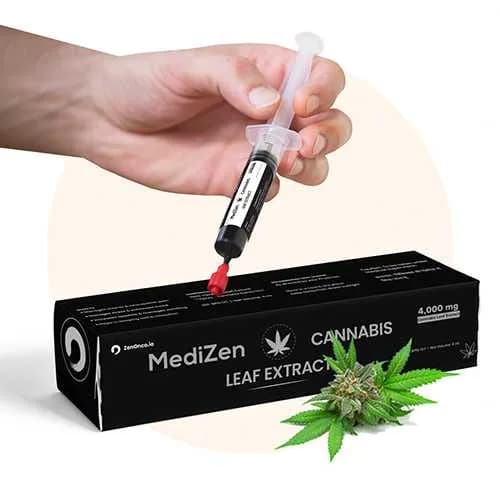
Cannabis Paste (High-Potency Medical): For patients with severe conditions, medical-grade cannabis paste such as ZenOnco Medical Cannabis Paste (4000mg) delivers concentrated vijaya extract under physician guidance. At ₹9,000, this is a pharmaceutical-grade option for serious medical applications.
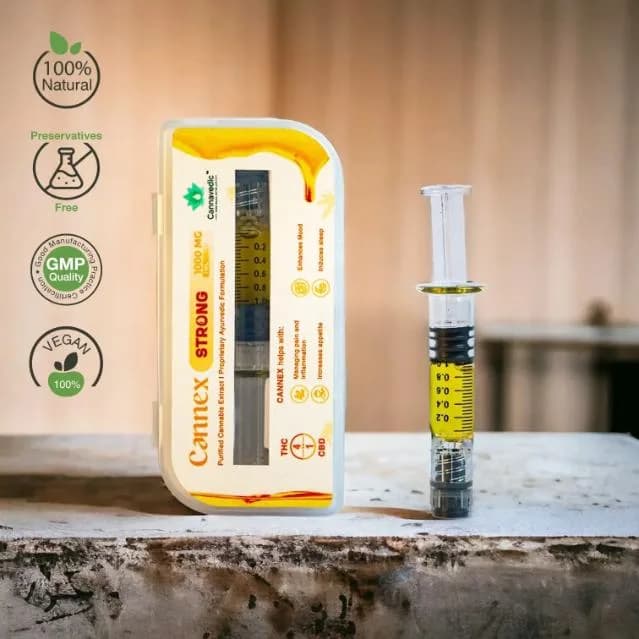
THC+CBD Combination Extracts: Products like CannEx Strong Plus THC+CBD Extract (10:1, 1000mg) provide the entourage effect — THC and CBD working together — in a measured, consistent oral dose. Available at ₹8,000 for the 10:1 ratio and ₹6,800 for the 4:1 ratio.
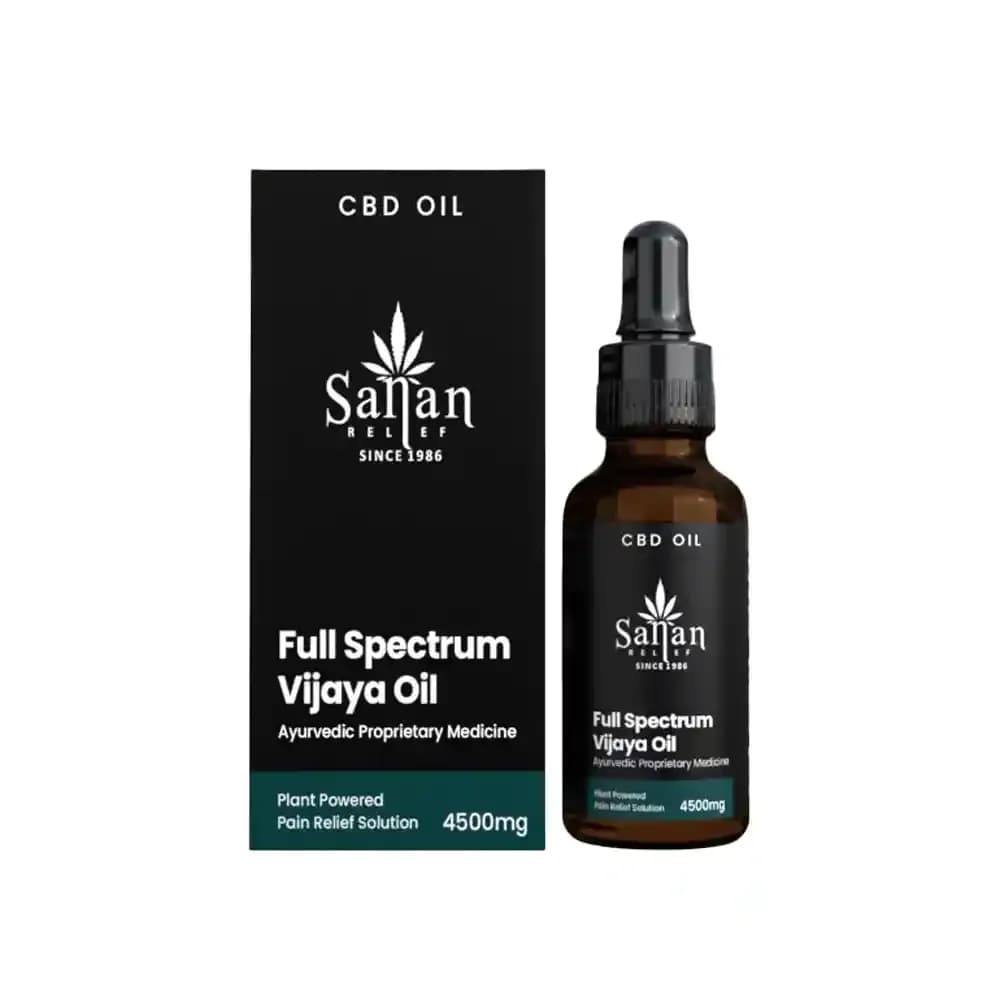
Full-Spectrum CBD Oils: For those seeking anxiety relief, pain management, and sleep support without the intoxicating effects of high-THC formulations, full-spectrum CBD oils like Sanan Full Spectrum CBD Oil (4500mg, ₹3,825) offer broad-spectrum cannabinoid benefits.
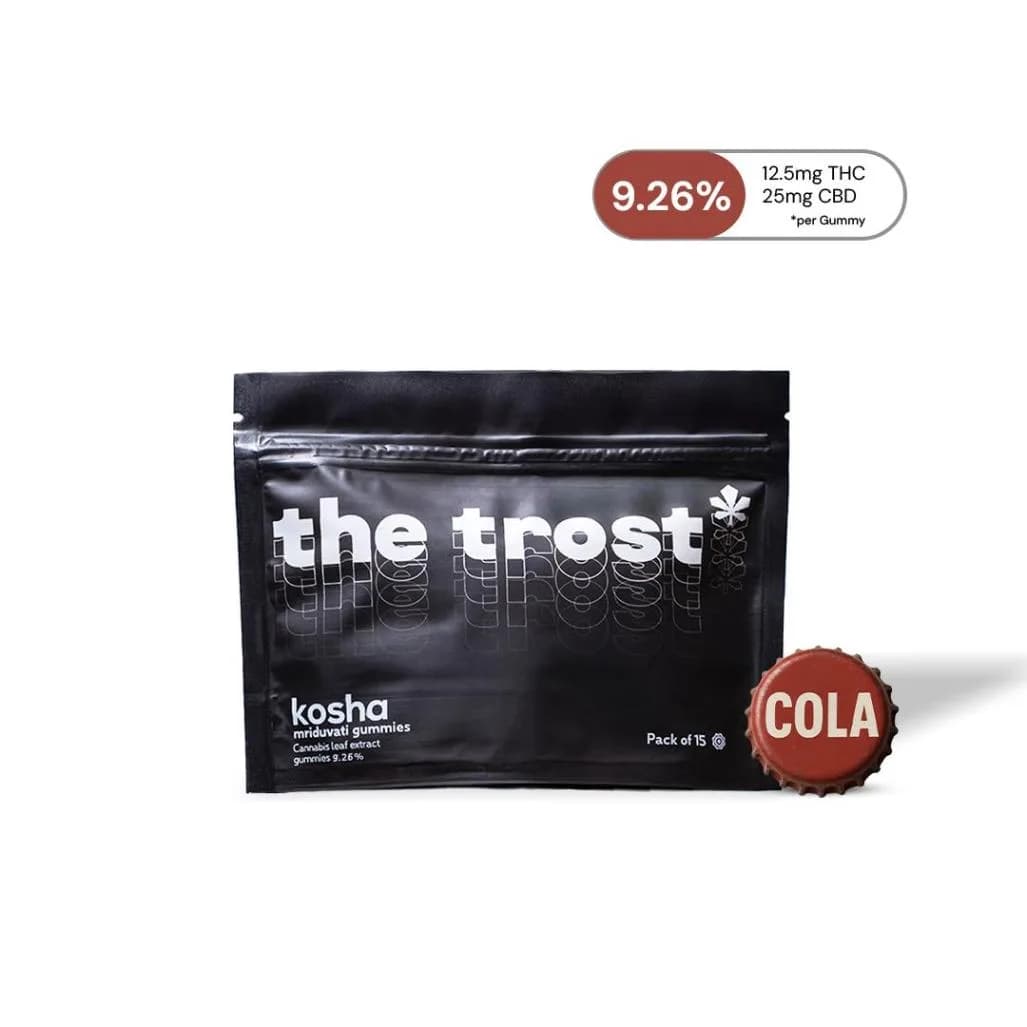
Cannabis Gummies (Mriduvati): Vijaya gummies are among the most popular vijaya formats in India because of their precise dosing, discreet use, and predictable onset. The Kosha Cannabis Gummies (Mriduvati, 9.26% extract) at ₹3,399 are a premium ayurvedic formulation.
THC Vapes vs. Cannabis Edibles vs. Sublingual Oils: Comparison Guide
This comparison helps Indian consumers understand the trade-offs between vaping (illegal in India) and licensed Ayurvedic alternatives:
| Feature | THC Vapes | Vijaya Edibles / Gummies | Sublingual Oils | Cannabis Paste |
|---|---|---|---|---|
| Legal Status (India) | ❌ Illegal | Licensed Ayurvedic medicine; state law also applies | Licensed Ayurvedic medicine; state law also applies | Licensed Ayurvedic medicine; state law also applies |
| Onset Time | 1–5 min | 30–120 min | 15–45 min | 15–60 min |
| Duration of Effects | 1–3 hours | 4–8 hours | 3–6 hours | 4–8 hours |
| Dosing Precision | Low (if unregulated) | High (mg-precise) | High (drop-level) | High (syringe) |
| Lung Safety Risk | High (EVALI risk) | None | None | None |
| Quality Verification | None (unregulated) | Licensed manufacturer; labelled contents | Licensed manufacturer; labelled contents | Licensed manufacturer; labelled contents |
| Typical Cost (India) | ₹3,000–₹15,000+ (illegal) | ₹1,500–₹4,000 | ₹2,000–₹9,000 | ₹6,000–₹12,000 |
| Best For | Rapid breakthrough pain (unavailable legally) | Sleep, anxiety, sustained relief | Pain, anxiety, flexible dosing | Use only as a practitioner directs |
Dosage Guide for Vijaya Extract Products
For patients transitioning from (or curious about) vaping cannabis, understanding dosage equivalency in oral vijaya formats is crucial; your practitioner sets the actual dose. Note that inhalation delivers cannabinoids with higher bioavailability (30–56% absorption) than oral routes (6–19%), so oral doses must be higher to achieve comparable effects.
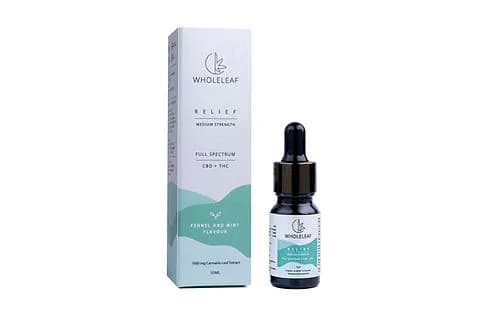
For Pain Relief: Begin with a full-spectrum CBD oil at 20–25mg CBD twice daily. If insufficient after 2–4 weeks, a physician may upgrade to a vijaya extract with THC:CBD ratio such as Wholeleaf Relief Medium Strength Full Spectrum Oil (₹1,680) — start at 2–3 drops at bedtime and titrate slowly.
For Anxiety and Stress: Pure CBD formulations like The Trost CBD Oil Stress Buster (30ml, ₹3,999) at 15–30mg CBD daily are a well-studied starting point. See our guide on CBD for chronic pain for detailed dosage tables.
For Sleep Disorders: Low-dose vijaya gummies (5–10mg THC equivalent) taken 60–90 minutes before bedtime can improve sleep onset and duration. See our complete CBD for sleep guide for protocols.
For Severe Medical Conditions: High-potency formulations like CannEx Strong Plus (10:1 THC:CBD, 1000mg, ₹8,000) or ZenOnco Medical Cannabis Paste (4000mg, ₹9,000) should ONLY be used under physician supervision. Book a consultation to get a personalized protocol.
The Golden Rule of Cannabis Dosing: "Start low, go slow." Begin with the lowest recommended dose and increase by 2.5–5mg increments every 3–7 days, tracking your response in a symptom diary. THC tolerance builds rapidly — staying at the minimum effective dose maintains both efficacy and cost-effectiveness.
How Buying Vijaya Products Online Works
Purchasing Ayurvedic vijaya products follows these steps:
- Step 1 — Get a Doctor's Consultation: Visit THC Store's doctor consultation portal to connect with a registered Ayurvedic (BAMS) practitioner. Consultations are available by video call.
- Step 2 — Receive Your Prescription: Based on your condition, the doctor will prescribe an appropriate vijaya formulation — paste, oil, tincture, or gummies — at the appropriate potency and dosage schedule.
- Step 3 — Browse AYUSH-Licensed Products: Browse our Vijaya & Medical Cannabis collection and Health & Wellness collection for AYUSH-licensed options that match your prescription.
- Step 4 — Order Online with Secure Delivery: THC Store ships vijaya products in discreet, tamper-evident packaging with all required product documentation. Your state's excise or prohibition law also applies, so check the current rules where you live — see our city guide.
- Step 5 — Follow Up: Schedule a follow-up consultation after 4–6 weeks to assess response and adjust dosage as needed.
Getting a Vijaya Prescription in India: What to Expect
Many Indians assume getting a cannabis prescription is complicated or stigmatized. In reality, the process through registered Ayurvedic practitioners is straightforward:
Who Can Prescribe Vijaya in India? No law creates a special authorisation to prescribe cannabis. The Ministry of Ayush says medicines containing a Schedule E(1) ingredient, which includes vijaya formulations, are to be taken under the supervision of a registered practitioner of the concerned Ayush system — for Ayurveda, a registered BAMS (Bachelor of Ayurvedic Medicine and Surgery) practitioner.
What Conditions Are Commonly Prescribed For? People most often ask practitioners about vijaya formulations in connection with: chronic pain, depression and anxiety, insomnia, neuropathic pain, cancer-related symptoms (nausea, cachexia, pain), muscle spasms, and inflammatory conditions.
Is There a Stigma? Our panel doctors approach vijaya as an Ayurvedic medicine with 5,000 years of documented use — not as a recreational drug. The consultation is confidential and non-judgmental. Learn more about vijaya's Ayurvedic roots in our Vijaya Leaf information page.
How Long Does a Prescription Last? Typically 30–90 days, with refill consultations available online. We recommend scheduling a review every 30 days initially while establishing your optimal dose.
Vijaya Cannabis Products at THC Store
Rather than risking health and legal consequences with illegal THC vapes, explore these AYUSH-licensed vijaya and cannabis products available at THC Store. Each is sourced from a licensed manufacturer and is to be taken under medical supervision:
1. ZenOnco Medical Cannabis Paste (4000mg | ₹9,000)
A high-potency vijaya paste, for use only under a practitioner's supervision. Full-spectrum leaf extract formulation. View product →
2. CannEx Strong Plus THC+CBD Extract (10:1 | 1000mg | ₹8,000)
Premium concentrated extract with a 10:1 THC-to-CBD ratio To be taken only under medical supervision. View product →
3. CannEx Strong THC+CBD Extract (4:1 | 1000mg | ₹6,800)
A balanced THC:CBD formulation offering the entourage effect with less THC dominance than the 10:1. Suitable for pain, inflammation, and anxiety. View product →
4. Sanan Full Spectrum CBD Oil (4500mg | ₹3,825)
High-concentration full-spectrum CBD oil with trace THC for the entourage effect. Like other cannabis-leaf medicines, it is to be taken under medical supervision. View product →
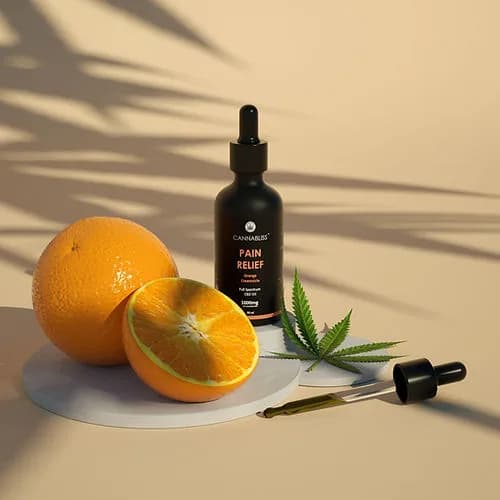
5. Pain Relief Full Spectrum CBD Oil (₹2,549)
Specifically formulated for aches and inflammation, this full-spectrum oil combines CBD with anti-inflammatory plant compounds. Third-party tested for potency and purity. View product →
6. Wholeleaf Relief Medium Strength – Full Spectrum Oil (CBD+THC | ₹1,680)
An entry-level THC+CBD combination oil ideal for those new to vijaya therapy. The lower potency enables careful titration with predictable dosing. View product →
7. Kosha Cannabis Gummies (Mriduvati | 9.26% Extract | ₹3,399)
Premium vijaya gummies in classic cola flavour, based on the ancient Ayurvedic Mriduvati formulation. Each gummy contains precise vijaya extract for consistent, food-form dosing. View product →
Explore the full range of Vijaya & Medical Cannabis products, Health & Wellness cannabis oils, and CBD products at THC Store, all available with expert guidance from our panel of licensed physicians.
The Electronic Cigarettes Act 2019: A Second Legal Barrier
On 18 September 2019, the Indian government promulgated an ordinance prohibiting electronic cigarettes, which was subsequently enacted as the Prohibition of Electronic Cigarettes Act 2019. The law defines "electronic cigarette" broadly as any device that uses electrical energy to heat a substance to create an aerosol for human inhalation — a definition wide enough to encompass most commercial vaporiser hardware, irrespective of whether it is loaded with nicotine or cannabis extract.
The practical effect of the ECA 2019 is that vaporiser devices themselves — the hardware used to create THC vapes — cannot legally be sold, manufactured, imported, exported, transported, or stored in India. Violation carries imprisonment of up to one year or a fine of up to one lakh rupees for first offences, and up to three years imprisonment for subsequent offences.
This means that even if a cannabis preparation were somehow legally authorised, the device needed to vaporise it would itself be prohibited hardware. This dual legal barrier distinguishes India from other jurisdictions and makes THC vaping — as commonly understood — doubly problematic under Indian law.
Why Medical Practitioners Favour Non-Inhalation Routes
Even in jurisdictions where medical cannabis vaporisation is legally permitted, many clinicians express reservations about the inhalation route — particularly for patients with respiratory conditions, children, elderly individuals, or anyone with cardiovascular vulnerabilities.
Key clinical concerns include:
- Respiratory irritation: Even without combustion, heated aerosols can irritate bronchial airways. Patients with asthma, COPD, or other pulmonary conditions are particularly at risk.
- Dosing unpredictability: Inhalation bioavailability varies substantially between individuals based on lung capacity, inhalation technique, and device temperature. This makes titration — finding the right dose — more difficult than with oral formulations.
- Rapid onset and overdose risk: The near-immediate onset of inhaled THC (seconds to minutes versus 45–120 minutes for oral) increases the risk of inadvertent overconsumption, especially in inexperienced patients.
- Contamination risks in unregulated products: Unregulated vape cartridges — the type likely to be encountered through grey-market channels in India — carry additional risks of adulteration with cutting agents such as vitamin E acetate, which has been linked to serious lung injury (EVALI — e-cigarette or vaping product use-associated lung injury) in documented cases globally.
These clinical realities reinforce the wisdom of India's existing regulatory preference for oral vijaya formulations over inhaled products.
Comparison: Legal Status of Different Cannabis Formats in India
| Format | Legal Status in India | Prescription Required? | Regulatory Framework | Typical Onset |
|---|---|---|---|---|
| THC Vape (cartridge + device) | Prohibited | N/A (illegal) | NDPS Act 1985 + ECA 2019 | Seconds–minutes |
| Vaporiser device (hardware only) | Prohibited | N/A (illegal) | ECA 2019 | — |
| Sublingual Vijaya Tincture / Oil | Licensed Ayurvedic medicine | Medical supervision (label rule) | Drugs Rules 1945, Sch. E(1); state licence; state excise law | 15–45 minutes |
| Vijaya Capsule / Vati | Licensed Ayurvedic medicine | Medical supervision (label rule) | Drugs Rules 1945, Sch. E(1); state licence; state excise law | 45–120 minutes |
| CBD Oil / Hemp Seed Oil | No rule names "CBD oil" | Leaf medicine: medical supervision | Leaf medicine: Sch. E(1). Hemp seed oil: FSSAI food, CBD max 75 mg/kg | 30–90 minutes |
| Vijaya Edibles / Gummies | Licensed Ayurvedic medicine | Medical supervision (label rule) | Drugs Rules 1945, Sch. E(1); state licence (a medicine, not a food) | 45–120 minutes |
India's Cannabis Policy Future: Will THC Vapes Ever Be Legal?
India's cannabis policy is undergoing a slow but meaningful evolution. Several indicators suggest that medical cannabis delivery routes — potentially including inhalation — may eventually receive regulatory attention:
- Licensing of Ayurvedic medicines: Cannabis-leaf medicines are licensed by State Licensing Authorities, with clearance from the Central Government required since August 2024. Reports of cultivation licences in individual states could not be confirmed from official sources.
- Parliamentary Discussions: Multiple Lok Sabha questions between 2022 and 2025 have addressed cannabis reclassification, with some MPs advocating for a medical cannabis framework aligned with the WHO's 2020 reclassification of cannabis from Schedule IV to Schedule I of international drug conventions.
- Global Pharmaceutical Models: Medical inhalers like the Syqe Inhaler (currently in clinical trials for diabetic neuropathy) represent pharmaceutical-grade cannabis delivery. If approved in major jurisdictions, Indian CDSCO may consider analogous pathways.
- Industry Investment: Indian hemp companies like Bombay Hemp Company (BOHECO), Hempstrol, and Cannavedic are investing in advanced formulation research, signalling industry readiness for expanded product categories.
Until policy evolves, however, the law is clear: THC vapes are illegal in India, and no workaround exists. The lawful route is Ayurvedic vijaya extract formulations from licensed manufacturers, taken under medical supervision; your state's excise or prohibition law also applies.
Frequently Asked Questions: THC Vapes India
Are THC vapes legal in India?
No. THC vape cartridges and concentrates containing psychoactive THC levels are illegal under the NDPS Act 1985 in India. No licensed THC vape product exists, and Indian law has no category for one. Possession or use of THC vape cartridges can result in criminal prosecution, with penalties of up to one year's imprisonment, or a fine of up to ₹10,000, or both, for small quantities. The non-inhaled alternatives are Ayurvedic cannabis-leaf oils, pastes, tinctures, and gummies, made under a state licence and taken under medical supervision.
What is the difference between CBD vapes and THC vapes in India?
CBD vapes contain cannabidiol without significant THC — but that does not make them lawful. Indian law has no 0.3% THC threshold: an extract of the flowering tops or resin is a narcotic drug whatever its CBD/THC ratio, and FSSAI permits only hemp seed foods, not inhaled products. India's 2019 PECA (Prohibition of Electronic Cigarettes Act) is a further hurdle for vaping devices. The quality and safety of unregulated CBD cartridges sold in India cannot be verified. Ayurvedic leaf-based oils, capsules and gummies, taken under medical supervision, are the non-inhaled option.
Can I get a prescription for cannabis vaporizers in India?
Not currently. As of 2026, no licensed cannabis vaporizer or inhalation device exists in India. Prescriptions are available for oral vijaya formulations (oils, pastes, gummies, capsules). If you were hoping for rapid-onset relief, consult our panel doctors, who can advise on non-inhaled options for your specific situation.
What are the alternatives to THC vapes in India?
The non-inhaled alternatives are Ayurvedic cannabis-leaf medicines made under a state manufacturing licence and taken under medical supervision: sublingual vijaya oils (onset 15–45 min), vijaya gummies based on the Mriduvati Ayurvedic formulation (onset 30–90 min), full-spectrum CBD oils, and high-potency vijaya paste under a practitioner's supervision. Your state's excise or prohibition law also applies. These are listed at THC Store's Vijaya collection with doctor consultation support.
How do I know if cannabis products I find online are legal in India?
Check that a vijaya product: (1) is made under a state Ayurvedic manufacturing licence, with the licence number on the label, (2) is made from the cannabis leaf, not the flowering tops or resin, (3) carries a batch number, manufacturing date and full ingredient list, (4) carries the caution "to be taken under medical supervision", and (5) makes no claim to cure a disease. Vapes, cartridges, wax and other concentrates have no legal category. Your state's excise or prohibition law also applies. You can see what THC Store lists on our products page.
What happens if I'm caught with a THC vape in India?
Under the NDPS Act 1985, possession of a small quantity is punishable with up to one year's imprisonment, or a fine of up to ₹10,000, or both. For ganja, small means less than 1 kg and commercial means more than 20 kg; for charas and for extracts and tinctures of cannabis (which is what a vape cartridge holds) the figures are 100 g and 1 kg. A quantity between the two attracts up to 10 years' rigorous imprisonment and a fine of up to ₹1 lakh. Commercial quantities attract 10–20 years and a fine of ₹1–2 lakh. Beyond criminal risk, black-market THC cartridges carry unverifiable health risks including EVALI (vaping-associated lung injury) from adulterants like vitamin E acetate.
Is there a difference between Vijaya and THC?
Vijaya is the Ayurvedic name for Cannabis sativa L.; in the Drugs Rules, 1945 the listed ingredient is the plant except its seeds. THC (tetrahydrocannabinol) is one of 100+ cannabinoids within the cannabis plant responsible for psychoactive effects. When we talk about "THC vapes," we mean inhalation devices delivering concentrated THC. Licensed vijaya formulations in India are Ayurvedic medicines made from the cannabis leaf, which contains a mix of cannabinoids, terpenes, and flavonoids; extracts of the flowering tops or resin are narcotic drugs. Read more in our complete guide to THC and on the Vijaya Leaf page.
Sources & References
- Nornberg, M. et al. (2023). "Effect of vaporizing cannabis rich in cannabidiol on cannabinoid levels in blood and on driving ability — a randomized clinical trial." Drug and Alcohol Dependence. PMC10567805.
- Borah, D. & Garg, A. (2024/2025). "Vaping: The emerging epidemic and its psychiatric implications in India." Industrial Psychiatry Journal. PMC12077628.
- Yang, W. et al. (2025). "In Vitro Exposure to Vaped Tetrahydrocannabinol Increases Candida albicans (SC5314) Growth, Metabolic Activity, Biofilm Formation, and the Expression of Virulence Genes." Journal of Fungi. PMC12565751.
- ClinicalTrials.gov (2024). "Evaluating the Delivery and Effects of THC Vaping Liquids in the Bloodstream." NCT06334016. U.S. National Library of Medicine.
- Drugs Rules, 1945, Schedule E(1) and Rule 161(2) (CDSCO compilation); Ministry of Ayush Order No. T-11011/11/2021-DCC dated 7 August 2024 on licences for Ayurvedic, Siddha and Unani drugs containing cannabis.
Share this article
Written by
THC Store Editorial
Published 4 months ago