CBD Oil for Pets: Complete Safety & Wellness Guide for India
Article Summary
CBD Oil for Pets: Complete Safety & Wellness Guide for India Is your pet struggling with anxiety, chronic pain, or age-related mobility issues? Over 62% of Indian urban households now own pets, yet many pet parents remain unaware of emerging holistic...
Is your pet struggling with anxiety, chronic pain, or age-related mobility issues? Over 62% of Indian urban households now own pets, yet many pet parents remain unaware of emerging holistic wellness options that could dramatically improve their companion's quality of life. CBD oil for pets has emerged as a promising natural supplement, with veterinary research showing significant benefits for anxiety, inflammation, and overall wellness in dogs and cats.
This comprehensive guide explores everything Indian pet parents need to know about CBD oil for pets—from safety and dosage to legal considerations and choosing quality products. Whether you're considering hemp-based supplements for your anxious dog or seeking natural pain relief for your aging cat, you'll find evidence-based answers and practical guidance tailored to India's regulatory landscape. Browse our complete range of CBD oil products and specialized pet supplements designed specifically for animal wellness.
Disclaimer: This article is for informational purposes only and does not constitute veterinary medical advice. Always consult a qualified veterinary professional before starting any new supplement or treatment for your pet. Cannabis-based products may require specific regulatory compliance in India. Explore our pet-safe products for quality-assured options.
What Is CBD Oil for Pets? Understanding Hemp-Based Pet Supplements
CBD (cannabidiol) oil for pets is a natural supplement derived from hemp plants, specifically formulated for animal consumption. Unlike human CBD products, pet-specific formulations are designed to accommodate the unique physiology and sensitivities of dogs, cats, and other companion animals.
Hemp-derived CBD for pets contains cannabidiol extracted from Cannabis sativa plants with minimal THC content. The endocannabinoid system (ECS) present in all mammals—including dogs, cats, horses, and other pets—interacts with cannabinoids to help regulate various physiological functions including pain perception, immune response, mood, and inflammation.
Research published in the Journal of the American Veterinary Medical Association (2019) by Gamble et al. demonstrated that CBD administered to dogs showed excellent bioavailability and was well-tolerated, with pharmacokinetic studies confirming CBD's absorption and metabolism in canine systems. The study found that oil-based formulations provided superior absorption compared to other delivery methods.
Key differences between pet CBD oil and human formulations include:
- Lower concentration levels: Pet products typically contain 75-300mg CBD per bottle, appropriate for smaller body weights
- Flavor profiles: Often enhanced with pet-friendly flavors like chicken, beef, or salmon to improve palatability
- Carrier oils: Use pet-safe carrier oils such as hemp seed oil or MCT oil, avoiding ingredients toxic to animals
- THC content: Strictly minimal or zero THC, as tetrahydrocannabinol can be toxic to pets even in small amounts
- Additional supplements: May include omega fatty acids, glucosamine, or other joint-supporting compounds
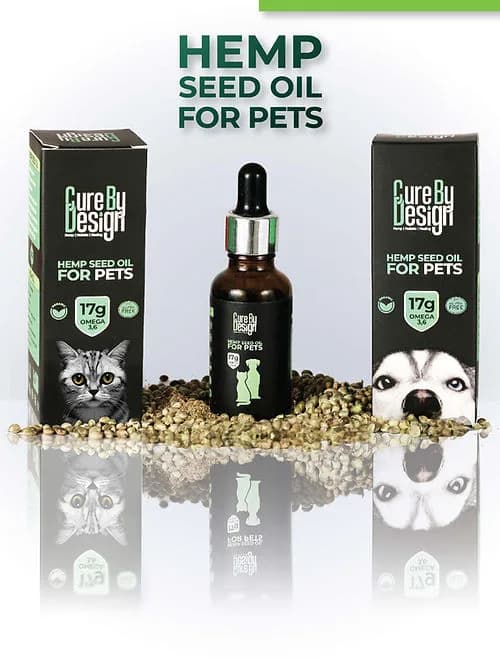
Indian pet parents can find quality options like Hemp Seed Oil for Pets, which provides omega-3 and omega-6 fatty acids to enhance skin and fur condition while reducing shedding. For topical applications, Hemp Healing Balm for Pets offers targeted relief for skin allergies and irritation.
Our complete pet supplement collection features products specifically formulated for animal safety and efficacy, ensuring your pet receives optimal wellness support.
Scientific Benefits of CBD Oil for Dogs and Cats
Emerging veterinary research has identified multiple therapeutic applications for CBD oil in companion animals. While studies are still evolving, current evidence suggests significant benefits across several health conditions common in Indian pets.
Anxiety and Stress Relief
Anxiety disorders affect an estimated 20-40% of domestic dogs, manifesting as separation anxiety, noise phobias (particularly during India's festival season), or generalized stress. A 2020 study by Corsetti et al. published in Animals journal evaluated CBD's effects on canine anxiety behaviors, finding significant reductions in stress-related behaviors including excessive barking, destructive behavior, and hypervigilance.
CBD interacts with serotonin receptors (5-HT1A) in the brain, producing anxiolytic effects similar to conventional anti-anxiety medications but with fewer side effects. For pets experiencing firework anxiety during Diwali or thunderstorm phobias during monsoon season, CBD oil may offer natural calming support.
Pain Management and Inflammation
Chronic pain conditions—particularly osteoarthritis—affect up to 80% of dogs over age eight. Research conducted at Cornell University's College of Veterinary Medicine (Verrico et al., 2020) demonstrated that CBD oil administered to arthritic dogs resulted in significant improvements in pain scores and increased activity levels, with 80% of dogs showing noticeable improvement.
CBD's anti-inflammatory properties work through multiple mechanisms: inhibiting inflammatory cytokines, modulating immune cell function, and interacting with vanilloid receptors involved in pain perception. This makes it particularly valuable for senior pets experiencing joint pain, mobility issues, or chronic inflammatory conditions.
Seizure Reduction in Epileptic Pets
Epilepsy affects approximately 0.5-5% of the canine population. Groundbreaking research by McGrath et al. (2019) published in the Journal of the American Veterinary Medical Association found that 89% of epileptic dogs receiving CBD oil experienced reduced seizure frequency, with the treatment showing particular promise for drug-resistant epilepsy cases.
While CBD should never replace prescribed anticonvulsant medications without veterinary supervision, it may serve as an effective adjunct therapy for managing difficult-to-control seizures.
Skin Health and Allergies
India's tropical climate contributes to high rates of skin allergies, hot spots, and dermatological issues in pets. CBD's anti-inflammatory and antibacterial properties can support skin health both through oral supplementation and topical application.
The Hemp Healing Balm for Pets provides direct relief for localized skin irritation, allergies, and coat health, while systemic CBD oil supplementation may help address underlying inflammatory processes contributing to chronic skin conditions.
Appetite Stimulation and Digestive Support
For pets recovering from illness, undergoing cancer treatment, or experiencing age-related appetite decline, CBD may help stimulate food intake. The endocannabinoid system plays a crucial role in regulating appetite, and CBD's interaction with these pathways can help restore normal eating patterns in pets with reduced appetite.
Explore our specialized pet wellness products designed to support various aspects of animal health through natural, hemp-derived compounds.
CBD Oil Dosage for Pets: Safe Administration Guidelines
Determining appropriate CBD dosage for pets requires consideration of multiple factors including body weight, condition severity, product concentration, and individual tolerance. Unlike human medicine, veterinary CBD dosing lacks standardized guidelines, making careful titration essential.
General Dosing Framework
Most veterinary practitioners recommend starting with 0.2-0.5 mg of CBD per kilogram of body weight, administered twice daily. This conservative approach allows pet parents to assess tolerance and effectiveness before gradually increasing dosage.
| Pet Weight | Starting Dose (Low) | Moderate Dose | Strong Dose |
|---|---|---|---|
| Small (5-10 kg) | 1-2 mg twice daily | 3-5 mg twice daily | 6-10 mg twice daily |
| Medium (10-25 kg) | 2-5 mg twice daily | 6-12 mg twice daily | 13-25 mg twice daily |
| Large (25-45 kg) | 5-10 mg twice daily | 11-20 mg twice daily | 21-40 mg twice daily |
| Extra Large (45+ kg) | 10-15 mg twice daily | 16-30 mg twice daily | 31-60 mg twice daily |
Condition-Specific Dosing Considerations
For anxiety and stress: Start with lower doses (0.2-0.3 mg/kg) administered 30-60 minutes before anticipated stress triggers. For chronic anxiety, consistent twice-daily dosing often produces better results than as-needed administration.
For pain and arthritis: Moderate to strong doses (0.5-1 mg/kg twice daily) typically provide optimal relief. Effects may take 2-4 weeks to become fully apparent as anti-inflammatory benefits accumulate.
For seizures: Higher doses (up to 2.5 mg/kg twice daily) under strict veterinary supervision may be necessary. CBD should be introduced gradually alongside existing anticonvulsant medications.
Administration Methods
CBD oil for pets can be administered through several methods:
- Direct oral administration: Using the dropper, place CBD oil directly on the pet's tongue or inside the cheek for fastest absorption
- Food mixing: Add CBD oil to meals, though this may slightly delay absorption
- Treat infusion: Mix CBD oil with high-value treats or peanut butter for easier administration
- Topical application: For skin conditions, apply hemp-based balms directly to affected areas
The Hemp Seed Oil for Pets can be easily mixed with food or administered directly, providing both CBD benefits and essential fatty acid nutrition. For comprehensive wellness support, consider supplementing with omega-rich options like cold-pressed hemp seed oil.
Safety Profile: Is CBD Oil Safe for Pets?
CBD oil demonstrates an excellent safety profile in veterinary applications when sourced from quality manufacturers and administered appropriately. However, pet parents must understand potential risks, contraindications, and safety considerations specific to animal physiology.
Safety Research and Toxicity Studies
A comprehensive safety study by Vaughn et al. (2021) published in Frontiers in Veterinary Science evaluated CBD administration in healthy dogs over extended periods. The research found no significant adverse effects at doses up to 62 mg/kg daily, with only mild, transient side effects observed at the highest doses.
The most commonly reported side effects in pets receiving CBD oil include:
- Mild sedation or drowsiness (particularly when first starting treatment)
- Dry mouth, manifesting as increased thirst
- Temporary lowering of blood pressure, which may cause slight dizziness
- Mild gastrointestinal upset in sensitive animals
- Temporary changes in liver enzyme levels at very high doses
These effects are typically dose-dependent and resolve quickly with dosage adjustment or discontinuation.
Critical Safety Distinction: CBD vs. THC for Pets
The most important safety consideration for pet CBD products is ensuring zero or negligible THC content. Tetrahydrocannabinol (THC) is toxic to pets, with dogs being particularly sensitive due to a higher concentration of cannabinoid receptors in the brain compared to humans.
THC toxicity in pets can cause:
- Severe lethargy and disorientation
- Loss of coordination (ataxia)
- Urinary incontinence
- Dilated pupils and sensitivity to light
- Vomiting and diarrhea
- In severe cases, tremors, seizures, or coma
This is why pet CBD products must be specifically formulated for animals and sourced from reputable manufacturers who provide third-party testing certificates confirming THC content below detectable limits (typically <0.3%).
Drug Interactions and Contraindications
CBD can interact with certain medications through its effects on liver enzymes (particularly cytochrome P450). Pet parents should consult veterinarians before combining CBD with:
- Non-steroidal anti-inflammatory drugs (NSAIDs)
- Anticonvulsant medications (though CBD may enhance their effects beneficially)
- Steroids and immunosuppressants
- Certain heart medications
- Anxiety medications and sedatives
CBD may enhance the effects of sedative medications, requiring dosage adjustments. Always inform your veterinarian about all supplements your pet receives.
Quality and Sourcing Safety
Product quality represents perhaps the most critical safety consideration. Low-quality CBD products may contain:
- Harmful pesticides or heavy metals from contaminated hemp
- Inaccurate CBD concentrations (higher or lower than labeled)
- Dangerous THC levels
- Toxic carrier oils or flavorings
- Mycotoxins from improper storage
Always choose products with comprehensive third-party testing and transparent sourcing. Our curated pet supplement collection features only quality-verified products suitable for animal consumption.
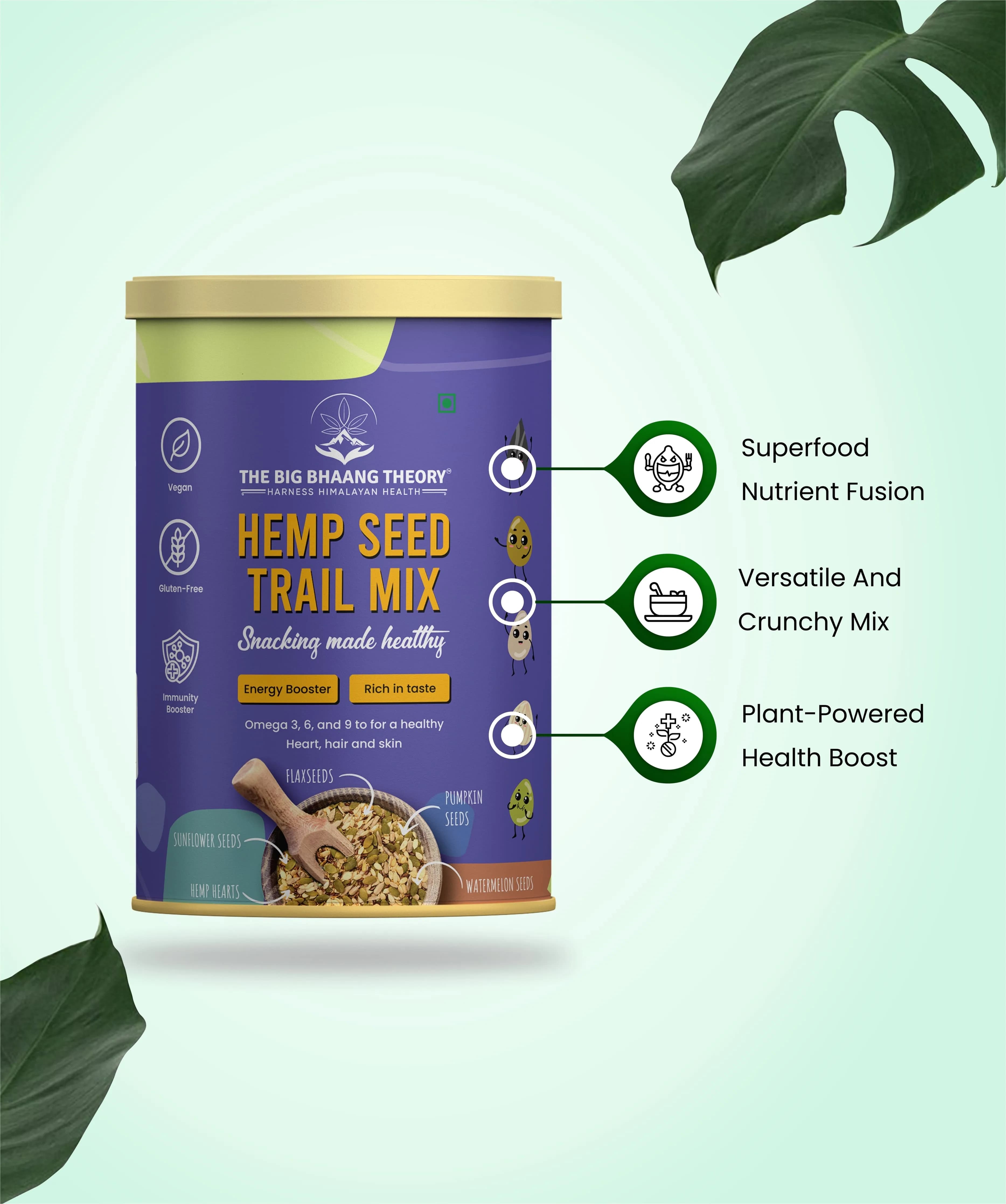
For additional nutritional support, hemp-based foods like hemp seed trail mix and hemp hearts can provide complementary omega fatty acids, though these human products should be given only in pet-appropriate portions.
Legal Status of CBD for Pets in India
The legal landscape surrounding CBD and hemp-derived products in India presents unique complexities that pet parents must understand. While the regulatory framework primarily addresses human consumption, pet products fall within similar guidelines.
Central Legal Framework
Under the Narcotic Drugs and Psychotropic Substances (NDPS) Act, 1985, cannabis plant material (flowers, resin) is controlled, but hemp-derived products with minimal THC content exist in a regulatory grey area. The Act specifically exempts "seeds and leaves" of the cannabis plant, which forms the legal basis for hemp-derived CBD products.
The Food Safety and Standards Authority of India (FSSAI) has established guidelines permitting hemp seed, hemp seed oil, and hemp seed flour for human consumption, provided THC content does not exceed 5 mg/kg for seeds and flour, and 10 mg/kg for oil. CBD content is restricted to a maximum of 75 mg/kg.
For pet products, no specific regulatory framework exists at the central level. Pet supplements generally fall under the purview of the Animal Quarantine and Certification Services (AQCS) and must comply with the Drugs and Cosmetics Act, 1940, for veterinary medications.
State-Level Variations
State excise departments maintain authority over cannabis-related regulations within their jurisdictions, creating varying legal environments across India. Some states maintain more restrictive stances while others have begun embracing hemp cultivation and product development.
States like Uttarakhand, Himachal Pradesh, and Manipur have actively promoted hemp cultivation, potentially creating more favorable regulatory environments for hemp-derived pet products. However, enforcement remains inconsistent, and pet parents should verify local regulations.
Manufacturing and Licensing Requirements
Legitimate CBD products for pets should be manufactured under appropriate licensing, typically under state Ayurvedic manufacturing licenses or as herbal supplements. Products claiming therapeutic benefits may require additional approvals.
Pet parents should look for products that:
- Clearly state their legal compliance on packaging
- Provide manufacturing license information
- Include third-party testing certificates
- Avoid making unauthorized medical claims
- Specify hemp-derived CBD with minimal THC content
Our pet supplement collection features products from manufacturers operating under proper licensing frameworks, ensuring legal compliance and product safety.
Last reviewed: January 2025. General information, not legal advice.
Choosing Quality CBD Oil for Your Pet: Buyer's Guide
Selecting safe, effective CBD oil for your companion animal requires careful evaluation of multiple quality indicators. The pet CBD market has expanded rapidly, but product quality varies significantly across manufacturers.
Essential Quality Criteria
1. Third-Party Testing and Certificates of Analysis (COA)
Reputable manufacturers provide independent laboratory testing results confirming:
- Accurate CBD concentration matching label claims
- THC content below safe thresholds (<0.3%)
- Absence of heavy metals (lead, mercury, cadmium, arsenic)
- No pesticide or herbicide residues
- Microbiological safety (absence of harmful bacteria or molds)
- Solvent residue testing for extraction purity
2. Extraction Method
CO2 extraction represents the gold standard for CBD production, preserving cannabinoid integrity without introducing harmful solvents. Ethanol extraction also produces quality results. Avoid products using butane or propane extraction methods, which may leave toxic residues.
3. Full-Spectrum vs. Isolate
Full-spectrum CBD products contain multiple cannabinoids, terpenes, and plant compounds that work synergistically (the "entourage effect"), potentially enhancing therapeutic benefits. However, they contain trace THC amounts. CBD isolate contains pure cannabidiol with zero THC, offering maximum safety for sensitive pets.
For pets, broad-spectrum products—containing multiple beneficial compounds but with THC completely removed—often represent the optimal balance.
4. Organic Hemp Source
Hemp plants are bioaccumulators, absorbing compounds from soil including pesticides and heavy metals. Organic certification ensures the source hemp was grown without synthetic pesticides, herbicides, or chemical fertilizers.
5. Carrier Oil Quality
CBD requires fat for optimal absorption. Quality pet CBD products use safe carrier oils such as:
- Hemp seed oil (provides additional omega fatty acids)
- MCT (medium-chain triglyceride) oil from coconut
- Olive oil
Avoid products using potentially toxic carrier oils or those containing xylitol, which is highly toxic to pets.
6. Pet-Specific Formulation
Never give human CBD products to pets. Pet-specific formulations account for animal physiology, appropriate dosing, and palatability. They avoid ingredients toxic to animals such as xylitol, chocolate, or certain essential oils.
Red Flags to Avoid
- Lack of third-party testing or refusal to provide COAs
- Unrealistic therapeutic claims ("addresses cancer," "helps manage anxiety")
- Extremely low prices that seem too good to be true
- Unclear sourcing or manufacturing information
- Products marketed for both humans and pets interchangeably
- No clear dosing instructions
- Absence of contact information or customer support
Our curated pet wellness collection features products meeting rigorous quality standards, specifically formulated for animal safety and efficacy. For topical applications, the Hemp Healing Balm for Pets provides targeted relief with quality-assured ingredients.
CBD Oil for Specific Pet Conditions
Different health conditions require tailored approaches to CBD supplementation. Understanding condition-specific applications helps pet parents optimize wellness outcomes for their companions.
Anxiety and Behavioral Issues
For pets with separation anxiety, noise phobias, or generalized stress disorders, CBD oil offers a natural alternative to pharmaceutical anxiolytics. Start with lower doses (0.2-0.3 mg/kg) administered 30-60 minutes before anticipated stress triggers.
For chronic anxiety, consistent twice-daily dosing typically produces superior results. Combine CBD supplementation with behavioral modification techniques and environmental enrichment for comprehensive anxiety management.
During India's festival season—particularly Diwali when fireworks cause severe stress—CBD administration 1-2 hours before evening celebrations can provide significant calming effects.
Arthritis and Joint Pain
Osteoarthritis affects the majority of senior dogs, particularly large breeds. CBD's anti-inflammatory properties combined with its analgesic effects make it particularly valuable for managing chronic joint pain.
For arthritic pets, moderate to strong doses (0.5-1 mg/kg twice daily) work best. Improvements may take 2-4 weeks as anti-inflammatory benefits accumulate. Combine CBD oil with joint-supporting supplements containing glucosamine and chondroitin for synergistic effects.
The Hemp Seed Oil for Pets provides omega-3 fatty acids that complement CBD's anti-inflammatory action, supporting overall joint health and mobility.
Epilepsy and Seizure Disorders
For epileptic pets, CBD should only be used under veterinary supervision, typically as adjunct therapy alongside conventional anticonvulsants. Dosing may range from 0.5-2.5 mg/kg twice daily depending on seizure frequency and severity.
Never discontinue prescribed seizure medications without veterinary guidance. CBD may allow reduction of conventional medication doses, potentially minimizing side effects, but this must be done gradually under professional supervision.
Cancer Support and Palliative Care
While CBD does not cure cancer, it may provide valuable supportive benefits for pets undergoing cancer treatment or in palliative care, including:
- Pain management
- Nausea reduction
- Appetite stimulation
- Improved quality of life
- Potential anti-tumor effects (preliminary research only)
For cancer support, work closely with an oncology veterinarian to integrate CBD safely with conventional treatments. Moderate to strong doses may be necessary depending on symptom severity.
Skin Conditions and Allergies
India's humid climate creates ideal conditions for skin allergies, hot spots, and fungal infections in pets. CBD's anti-inflammatory and antibacterial properties support skin health through both oral and topical administration.
For systemic skin support, oral CBD oil (0.3-0.5 mg/kg twice daily) addresses underlying inflammatory processes. For localized issues, topical application of hemp-based balms provides direct relief.
The Hemp Healing Balm for Pets combines CBD with skin-supporting ingredients to calm allergies, reduce irritation, and enhance coat quality. Apply 2-3 times daily to affected areas for optimal results.
Browse our complete pet wellness collection for comprehensive support options tailored to your companion's specific health needs.
CBD for Cats vs. Dogs: Species-Specific Considerations
While both cats and dogs possess endocannabinoid systems and can benefit from CBD supplementation, important physiological differences require species-specific approaches.
Cats and CBD: Unique Considerations
Feline physiology presents unique challenges for CBD supplementation:
Liver metabolism: Cats lack certain liver enzymes (glucuronyl transferase) that metabolize cannabinoids, potentially leading to longer-lasting effects and requiring more conservative dosing. Start with the lowest possible dose (0.1-0.2 mg/kg once daily) and increase very gradually.
Sensitivity to terpenes: Some terpenes found in full-spectrum CBD products may be problematic for cats. Broad-spectrum or isolate formulations often work better for felines.
Palatability challenges: Cats are notoriously picky eaters. Fish-flavored CBD oils or products specifically formulated for cats improve acceptance rates.
THC sensitivity: Cats appear even more sensitive to THC toxicity than dogs, making zero-THC products essential for feline use.
Dogs and CBD: Optimal Use
Dogs typically tolerate CBD well and respond positively to supplementation:
Dosing flexibility: Dogs metabolize CBD more predictably, allowing for broader dosing ranges based on body weight and condition severity.
Breed considerations: Some breeds (particularly herding breeds like Australian Shepherds, Collies, and Shelties) may carry the MDR1 gene mutation, affecting drug metabolism. While CBD isn't typically problematic for these breeds, start with conservative doses.
Size variations: India's street dog population and mixed breeds present wide size variations. Always calculate dosing based on actual body weight rather than assumed breed standards.
Palatability: Most dogs readily accept CBD oil, particularly when mixed with food or high-value treats.
Other Pets: Exotic and Small Animals
Limited research exists for CBD use in rabbits, guinea pigs, birds, or reptiles. While these animals possess endocannabinoid systems, lack of safety data makes CBD supplementation inadvisable without specific veterinary guidance.
For comprehensive pet wellness support tailored to your companion's species and needs, explore our specialized pet supplement collection.
Hemp Nutrition for Pets: Beyond CBD
Beyond CBD oil, hemp-derived nutrition offers valuable health benefits for pets through omega fatty acids, protein, and other phytonutrients.
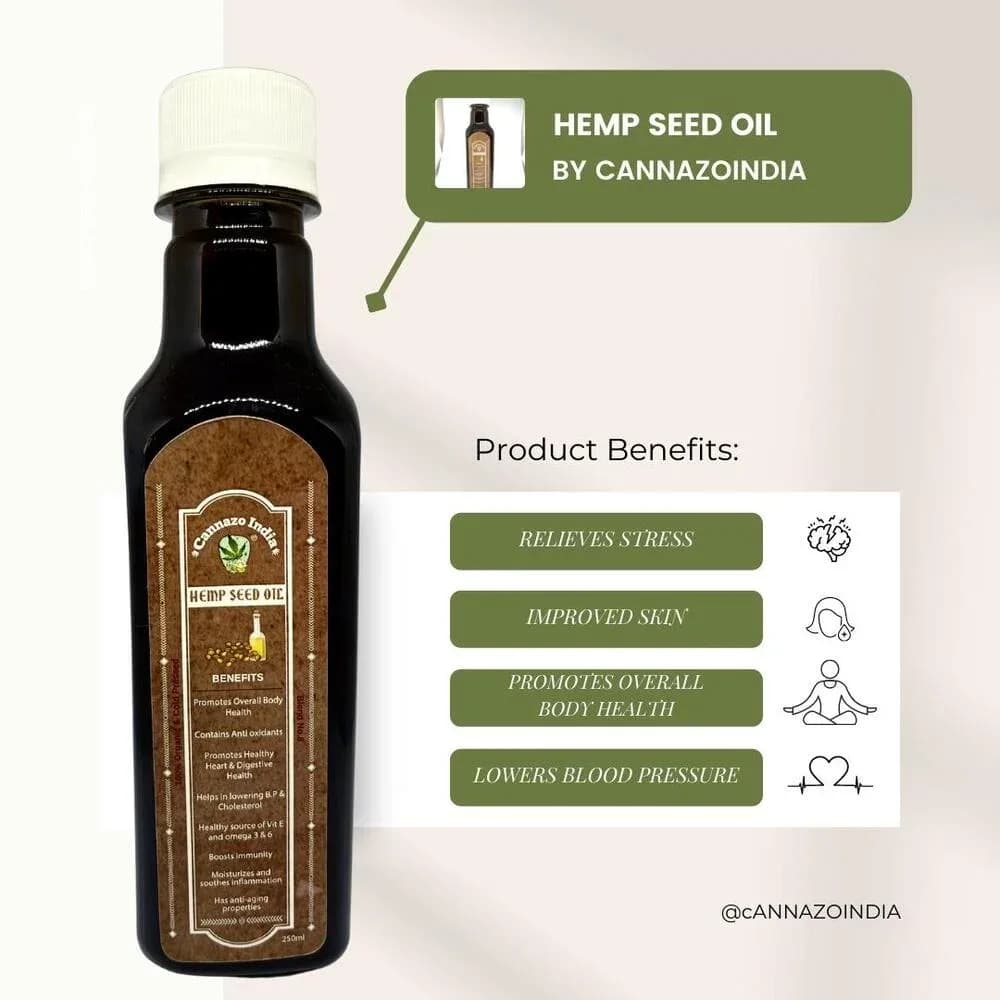
Hemp Seed Oil for Pets
Cold-pressed hemp seed oil provides exceptional nutritional value separate from CBD content. Rich in omega-3 and omega-6 fatty acids in optimal 3:1 ratio, hemp seed oil supports:
- Skin health and reduced inflammation
- Glossy, healthy coat and reduced shedding
- Cardiovascular health
- Joint mobility and flexibility
- Immune system function
- Cognitive health, particularly in senior pets
The Hemp Seed Oil for Pets provides these benefits in a pet-safe formulation. Administer 1/4 to 1 teaspoon daily depending on pet size, mixed with food.
Hemp Seeds as Pet Treats
Whole hemp seeds or hemp hearts contain:
- Complete protein with all essential amino acids
- Fiber supporting digestive health
- Minerals including magnesium, iron, and zinc
- Vitamin E and B-complex vitamins
Small amounts of hulled hemp seeds can be sprinkled on pet food as nutritional enhancement. While products like hemp seed trail mix are formulated for humans, plain hemp seeds in pet-appropriate portions (1/4 to 1 teaspoon daily) can boost nutritional intake.
Never feed pets human food products containing chocolate, xylitol, excessive salt, or other potentially toxic ingredients. Always verify ingredient safety before sharing human hemp foods with pets.
Topical Hemp Products for Skin and Coat
Hemp-derived topical products provide targeted support for skin conditions, minor wounds, and coat health. The Hemp Healing Balm for Pets combines hemp extract with skin-soothing botanicals for comprehensive dermatological support.
Apply topical products to areas your pet cannot easily lick, or use an Elizabethan collar during initial absorption to prevent ingestion of large quantities.
For comprehensive hemp nutrition and supplementation options, visit our pet wellness collection featuring quality-verified products specifically formulated for animal consumption.
Veterinary Perspectives on CBD for Pets in India
The veterinary community in India is gradually becoming more informed about CBD and hemp-based supplements for pets, though awareness and acceptance levels vary significantly across practitioners.
Current Veterinary Landscape
Major veterinary institutions including the Indian Veterinary Research Institute (IVRI) have begun exploring cannabinoid therapeutics, though formal research remains limited compared to Western institutions. Most Indian veterinarians' knowledge of CBD comes from international research and continuing education rather than domestic studies.
Progressive veterinary practitioners recognize CBD's potential benefits, particularly for chronic pain management, anxiety disorders, and quality-of-life enhancement in senior or terminally ill pets. However, many remain cautious due to limited India-specific research and unclear regulatory guidelines.
Communicating with Your Veterinarian
When discussing CBD supplementation with your veterinarian:
- Bring product information including ingredients, CBD concentration, and third-party testing results
- Be transparent about your pet's complete medication and supplement regimen
- Discuss specific health goals and expected outcomes
- Request guidance on appropriate dosing and administration
- Establish monitoring protocols to assess effectiveness and safety
- Report any adverse effects promptly
Even if your veterinarian cannot formally prescribe or recommend CBD products due to regulatory constraints, most will appreciate open communication and can provide valuable guidance on safe integration with conventional treatments.
Finding CBD-Knowledgeable Veterinarians
Urban areas, particularly metros like Mumbai, Delhi, Bangalore, and Pune, tend to have more veterinarians familiar with CBD therapeutics. Veterinarians with holistic or integrative medicine orientations typically demonstrate greater openness to hemp-based supplements.
Online veterinary consultation platforms are also emerging in India, some offering guidance on complementary and alternative medicine approaches including CBD supplementation.
For general wellness guidance and product recommendations, explore our complete product range and pet-specific supplements backed by quality assurance and safety testing.
Real Pet Parent Experiences: CBD Success Stories from India
While individual results vary, many Indian pet parents report positive outcomes from CBD supplementation for their companions. These anecdotal experiences, while not replacing clinical evidence, provide valuable real-world insights.
Managing Festival Season Anxiety
Priya from Mumbai shares: "Our 7-year-old Labrador, Bruno, has always been terrified of fireworks during Diwali. Last year we started giving him CBD oil about two hours before the evening celebrations began. The difference was remarkable—instead of cowering under the bed trembling, he remained calm and even slept through most of the noise. We continued it throughout the festival season with consistent results."
Senior Dog Mobility Improvement
Rajesh from Bangalore reports: "Our 12-year-old German Shepherd was struggling with severe arthritis. She could barely climb stairs and showed obvious pain when getting up. After starting CBD oil along with her regular joint supplements, we noticed gradual improvement over about three weeks. She's now much more active, plays with our younger dog again, and seems comfortable. Her quality of life has improved dramatically."
Rescue Cat Anxiety Relief
Anita from Delhi describes: "We adopted a rescue cat who was extremely anxious and fearful. She would hide constantly and showed aggressive behavior when stressed. Working with our vet, we started very low-dose CBD oil. It took about a month to see results, but she's now much more confident, interacts with family members, and shows normal cat behavior. The transformation has been wonderful to watch."
These experiences highlight CBD's potential benefits while emphasizing the importance of patience, appropriate dosing, and realistic expectations. Results typically emerge gradually rather than immediately, and CBD works best as part of comprehensive wellness approaches.
Explore our pet wellness collection to find quality-assured supplements that have helped countless Indian pets achieve better health and quality of life.
Starting Your Pet's CBD Journey: Step-by-Step Guide
Beginning CBD supplementation for your pet requires careful planning and systematic approach to ensure safety and effectiveness.
Step 1: Veterinary Consultation
Schedule a veterinary appointment to discuss CBD supplementation, particularly if your pet has existing health conditions or takes medications. Share specific health concerns you hope to address and request guidance on safety considerations.
Step 2: Product Selection
Choose a quality pet-specific CBD product from reputable sources. Verify:
- Third-party testing availability
- Appropriate CBD concentration for your pet's size
- Zero or negligible THC content
- Pet-safe ingredients and carrier oils
- Clear dosing instructions
Our curated pet supplement collection features products meeting these quality standards.
Step 3: Calculate Starting Dose
Begin with the lowest recommended dose based on your pet's body weight (0.2 mg/kg). For a 10 kg dog, this equals approximately 2 mg CBD per dose. Calculate the required volume based on your product's concentration.
Step 4: Establish Baseline
Before starting CBD, document your pet's current condition through:
- Photos or videos showing mobility, behavior, or skin condition
- Written notes on anxiety behaviors, pain indicators, or other symptoms
- Activity level assessment
- Appetite and sleep pattern documentation
This baseline allows objective assessment of CBD's effects.
Step 5: Begin Administration
Administer the starting dose twice daily, preferably with food to enhance absorption and reduce potential stomach upset. Use consistent timing (e.g., morning and evening meals) for steady cannabinoid levels.
Step 6: Monitor and Document
Track your pet's response over the first 4-6 weeks:
- Note any changes in target symptoms
- Watch for side effects (sedation, diarrhea, increased thirst)
- Document improvements or lack thereof
- Take periodic photos/videos for comparison
Step 7: Adjust Dosage
If no improvement occurs after 2 weeks at starting dose, increase gradually by 0.1-0.2 mg/kg. Continue increasing every 1-2 weeks until desired effects emerge or reaching maximum recommended dose.
If side effects occur, reduce dose by 25-50% and maintain at tolerated level.
Step 8: Maintain Consistency
CBD works best with consistent, regular administration. Don't skip doses or use only "as needed" unless specifically for acute anxiety situations. Therapeutic blood levels require consistent supplementation.
Step 9: Long-Term Monitoring
Continue monitoring your pet's response long-term and adjust dosing as needed. Some pets require dosage increases as they build tolerance; others maintain benefits at consistent doses indefinitely.
For comprehensive pet wellness support throughout your CBD journey, explore our specialized pet products and complete wellness range.
Hemp Personal Care Products for Pets
Beyond ingestible CBD oil, topical hemp-based products offer targeted support for skin, coat, and localized discomfort.
Hemp Healing Balms
Topical balms containing hemp extract provide direct application benefits for:
- Hot spots and acute skin irritation
- Dry, cracked paw pads
- Minor cuts, scrapes, or abrasions
- Insect bites and allergic reactions
- Localized joint pain or muscle soreness
The Hemp Healing Balm for Pets combines CBD with skin-supporting botanical ingredients, providing anti-inflammatory and antibacterial benefits directly where needed.
Apply 2-3 times daily to clean, dry skin. For best results, prevent licking for 10-15 minutes after application to allow absorption.
Hemp Oil for Coat Health
Topical application of hemp seed oil can enhance coat condition, reduce shedding, and address dry skin. While oral supplementation provides systemic benefits, topical application offers concentrated effects for coat enhancement.
The Hemp Seed Oil for Pets works both orally and topically. For topical use, apply small amounts to hands and massage through coat, focusing on areas with dry skin or dull fur.
Safety Considerations for Topical Products
When using topical hemp products on pets:
- Verify all ingredients are pet-safe (no essential oils toxic to cats like tea tree, pennyroyal, or wintergreen)
- Test small area first to check for allergic reactions
- Prevent ingestion of large quantities through licking
- Avoid application near eyes, nose, or genital areas unless specifically formulated for those uses
- Store products securely away from pets' access
For comprehensive topical and systemic pet wellness support, visit our pet care collection featuring quality-verified hemp products specifically formulated for animal use.
Frequently Asked Questions About CBD Oil for Pets
Is CBD oil safe for dogs and cats in India?
Yes, CBD oil specifically formulated for pets is generally safe when sourced from reputable manufacturers and administered appropriately. Research demonstrates excellent safety profiles in dogs and cats when products contain minimal to zero THC. Always choose pet-specific products with third-party testing, start with conservative doses, and consult your veterinarian before beginning supplementation, particularly for pets with existing health conditions or taking medications.
How much CBD oil should I give my pet?
CBD dosing for pets depends on body weight, condition severity, and product concentration. A standard starting dose is 0.2-0.5 mg CBD per kilogram of body weight, administered twice daily. For a 10 kg dog, this equals approximately 2-5 mg per dose. Begin at the lower end and increase gradually every 1-2 weeks based on response. For specific conditions like severe anxiety or chronic pain, doses may reach 0.5-1 mg/kg or higher under veterinary guidance.
Can CBD oil cure my pet's illness?
CBD oil does not cure diseases but may help manage symptoms and improve quality of life for pets with various conditions including anxiety, chronic pain, arthritis, seizures, and inflammatory disorders. Research demonstrates CBD's therapeutic benefits for symptom management, but it should complement—not replace—veterinary care and prescribed treatments. Never discontinue conventional medications without veterinary supervision, and maintain realistic expectations about CBD's supportive rather than curative role.
Where can I buy quality CBD oil for pets in India?
Purchase CBD products for pets from reputable online retailers specializing in pet wellness, or from physical stores that provide third-party testing certificates and transparent sourcing information. Look for products specifically formulated for animals, with clear ingredient lists, dosing instructions, and manufacturing compliance information. Our pet supplement collection features quality-verified products meeting rigorous safety and efficacy standards, along with comprehensive support resources for pet parents.
How long does CBD oil take to work in pets?
CBD's onset and timeline vary by condition and administration method. For acute anxiety, effects may emerge within 30-60 minutes of administration. For chronic conditions like arthritis or inflammatory disorders, noticeable improvements typically appear after 2-4 weeks of consistent supplementation as anti-inflammatory benefits accumulate. Some pets respond quickly while others require longer adjustment periods. Maintain consistent dosing for at least 4-6 weeks before concluding whether CBD is effective for your pet's specific condition.
Conclusion: Holistic Pet Wellness with CBD
CBD oil represents a promising natural supplement for addressing various pet health conditions, from anxiety and chronic pain to inflammatory disorders and quality-of-life enhancement in senior animals. Research continues to expand our understanding of cannabinoid therapeutics in veterinary medicine, with current evidence supporting CBD's safety and efficacy when properly administered.
Success with CBD supplementation requires:
- Choosing quality products specifically formulated for pets
- Starting with conservative doses and adjusting based on response
- Maintaining realistic expectations about therapeutic benefits
- Working collaboratively with veterinary professionals
- Understanding legal and regulatory considerations in India
- Committing to consistent, long-term supplementation
- Integrating CBD within comprehensive wellness approaches
While navigating India's evolving regulatory landscape presents challenges, increasing availability of quality hemp-derived products offers pet parents valuable tools for enhancing their companions' health and wellbeing naturally.
Explore our comprehensive pet wellness collection featuring the Hemp Seed Oil for Pets for nutritional support and the Hemp Healing Balm for Pets for topical care. Visit our complete product range for additional wellness options supporting your pet's health journey.
For questions about product selection or guidance on beginning your pet's CBD journey, our customer support team offers personalized assistance. Together, we can help your companion achieve optimal wellness through safe, effective hemp-based supplementation.
Sources & References
- Gamble, L.J., et al. (2018). "Pharmacokinetics, Safety, and Clinical Efficacy of Cannabidiol Treatment in Osteoarthritic Dogs." Frontiers in Veterinary Science, 5:165.
- Corsetti, S., et al. (2020). "Cannabis sativa L. may reduce aggressive behaviour towards humans in shelter dogs." Scientific Reports, 11:2773.
- McGrath, S., et al. (2019). "Randomized blinded controlled clinical trial to assess the effect of oral cannabidiol administration in addition to conventional antiepileptic treatment on seizure frequency in dogs with intractable idiopathic epilepsy." Journal of the American Veterinary Medical Association, 254(11):1301-1308.
- Verrico, C.D., et al. (2020). "A randomized, double-blind, placebo-controlled study of daily cannabidiol for the treatment of canine osteoarthritis pain." Pain, 161(9):2191-2202.
- Vaughn, D., et al. (2021). "Safety and Pharmacokinetics of Escalating Repeat Doses of Cannabidiol in Healthy Dogs." Frontiers in Veterinary Science, 8:645-646.
- Deabold, K.A., et al. (2019). "Single-Dose Pharmacokinetics and Preliminary Safety Assessment with Use of CBD-Rich Hemp Nutraceutical in Healthy Dogs and Cats." Animals, 9(10):832.
- Silver, R.J. (2019). "The Endocannabinoid System of Animals." Animals, 9(9):686.
- Brutlag, A., & Hommerding, H. (2018). "Toxicology of Marijuana, Synthetic Cannabinoids, and Cannabidiol in Dogs and Cats." Veterinary Clinics: Small Animal Practice, 48(6):1087-1102.
Share this article
Written by
THC Store Editorial
Published 0 hours ago