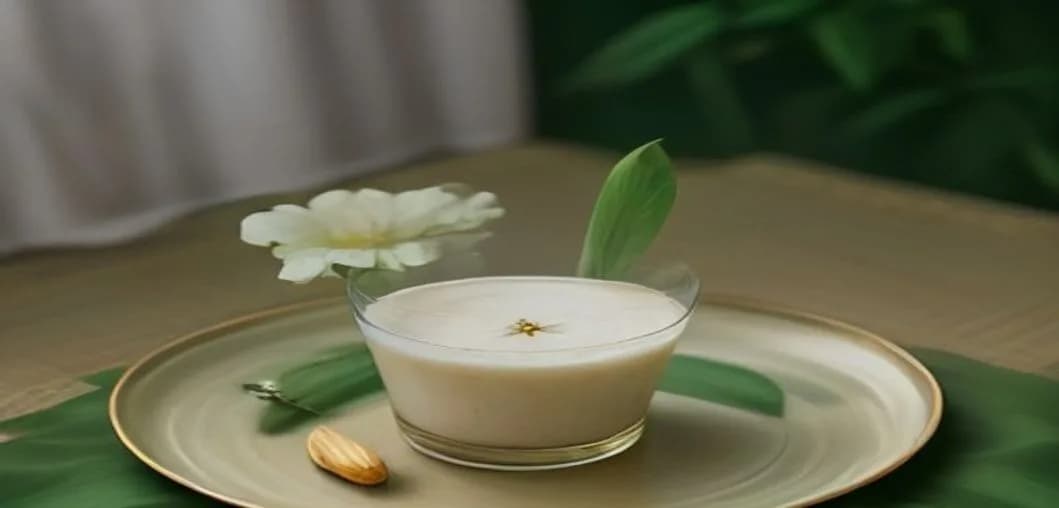
Bhang Benefits and Side Effects: Complete Ayurvedic & Clinical Guide for India
Article Summary
Bhang Benefits and Side Effects: Complete Ayurvedic & Clinical Guide for India Bhang benefits and side effects are among the most searched health topics in India today — and for good reason. Whether you are preparing for Holi, exploring Ayurvedic...
Bhang Benefits and Side Effects: Complete Ayurvedic & Clinical Guide for India
Bhang benefits and side effects are among the most searched health topics in India today — and for good reason. Whether you are preparing for Holi, exploring Ayurvedic remedies, or simply curious about India's most ancient cannabis preparation, understanding both what bhang can do for your body and what risks it carries is essential before you consume it. This comprehensive guide covers bhang's traditional Ayurvedic applications, modern clinical evidence, legal status under India's NDPS Act, safe dosage, and the full spectrum of side effects you need to know about — so you can make an informed, safe choice.
Disclaimer: This article is for informational purposes only and does not constitute medical advice. Always consult a qualified healthcare professional before starting any new supplement or treatment. Cannabis-based products may require a prescription in India under NDPS Act regulations. Book a consultation with our panel doctors for personalized guidance.
What Is Bhang? Understanding India's Sacred Cannabis Preparation
Bhang is a traditional preparation made from the leaves and seeds of the Cannabis sativa plant — the same plant recognised in classical Ayurveda as Vijaya (meaning "the one that conquers"). Unlike ganja (the dried flower) or charas (the resin), bhang uses the leaf portion of the plant, which contains significantly lower concentrations of THC (tetrahydrocannabinol) and higher concentrations of non-psychoactive compounds.
Historically mentioned in texts including the Atharva Veda (circa 2000 BCE) and Sushruta Samhita, bhang has been woven into Indian cultural, spiritual, and medicinal practice for over four millennia. Today, it is most commonly consumed as:
- Bhang thandai — a cold milk drink blended with bhang paste, nuts, and spices, especially during Holi and Shivratri
- Bhang goli / bhang pakoda — bhang mixed into sweet balls or fritters
- Bhang lassi — a yoghurt-based drink popular in Rajasthan and Varanasi
- Classical Ayurvedic formulations — prescribed preparations such as Vijaya-based vatis and modakas
Understanding the distinction between bhang and other cannabis preparations is critical: the difference between vijaya (bhang leaf) and ganja (flower) or charas (resin) determines both the legal status and the potency profile of what you are consuming.
Bhang Benefits: What Traditional Ayurveda and Modern Science Say
When we evaluate bhang benefits and side effects through both classical and contemporary lenses, a nuanced picture emerges. Traditional Ayurvedic physicians documented multiple therapeutic properties, many of which are now being validated by modern phytochemistry and clinical pharmacology.
1. Pain Relief and Anti-Inflammatory Action
Classical Ayurvedic texts describe vijaya as a potent vedanasthapana (pain-stopping) herb. Modern science confirms this: the cannabinoids present in bhang leaves — including THC, CBD, and dozens of minor cannabinoids — interact with the body's endocannabinoid system (ECS), specifically CB1 and CB2 receptors, to modulate pain signalling. A 2025 systematic review in Cannabis and Cannabinoid Research noted meaningful pain reduction in patients with chronic musculoskeletal and neuropathic conditions using cannabis leaf extracts.
For Indians managing arthritis, chronic back pain, or post-surgical discomfort, low-dose bhang preparations may offer adjunctive relief — but should always be used alongside, not instead of, conventional treatment. Explore Vijaya extract tinctures formulated for pain as a standardised modern alternative to traditional bhang preparations.
2. Anxiolytic Effects: Stress and Anxiety Relief
Perhaps the most celebrated bhang benefit in traditional Indian texts is its capacity to quiet a restless mind. The Charaka Samhita categorises vijaya as a medhya rasayana — a herb that supports cognitive clarity and mental composure. Modern pharmacology attributes this effect to CBD and low-dose THC working synergistically on GABA-ergic pathways and the serotonin 5-HT1A receptor.
A 2024 meta-analysis published in Frontiers in Psychiatry (PMC12695116) found that cannabis-based preparations produced statistically significant reductions in anxiety severity in adults with generalised anxiety disorder when used at therapeutic doses. Low-dose bhang consumed traditionally during festivals is consistent with this anxiolytic dose range. For structured, dosage-controlled anxiety support, read our complete guide to Vijaya extract for anxiety.
3. Sleep Improvement and Insomnia Relief
Bhang's sedative properties are well-documented in Ayurvedic texts, where vijaya is listed as a treatment for anidra (sleeplessness). The THC component of bhang reduces REM sleep latency and increases slow-wave (deep) sleep in the short term. For individuals with chronic insomnia, controlled dosing under medical supervision may be beneficial.
However, long-term daily use can disrupt sleep architecture — a side effect discussed in detail below. If sleep disruption is your primary concern, consult a specialist doctor to find the right cannabis formulation and dosage for your situation before trying bhang independently. Browse standardised sleep formulations designed for consistent, measured dosing.
4. Appetite Stimulation and Digestive Support
Traditional bhang preparations made with milk, ghee, and spices (cardamom, fennel, pepper) have been prescribed as deepana-pachana (appetite-enhancing and digestion-supporting) preparations. The cannabis alkaloids in bhang leaves stimulate CB1 receptors in the gut and hypothalamus, increasing the sense of hunger and supporting gastric motility.
This benefit is especially noted for individuals recovering from illness, undergoing chemotherapy, or dealing with appetite suppression related to chronic disease. A 2023 paper in Perspectives in Clinical Research (DOI: 10.4103/picr.picr_159_22) noted growing interest in Indian clinical trials exploring cannabis preparations for appetite regulation in oncology settings.
5. Anti-Spasticity and Neurological Benefits
A 2024 PMC snapshot review (PMC12032589) of clinical cannabis research confirmed cannabinoids' effectiveness in controlling spasticity associated with multiple sclerosis and other neurological conditions. While this research uses pharmaceutical cannabis preparations, the mechanism — modulation of motor neuron hyperactivity via CB1 receptors in the spinal cord — is the same as that activated by bhang's cannabinoid content.
Additionally, CBD-rich cannabis leaf preparations have demonstrated neuroprotective properties in preclinical models relevant to Parkinson's disease, epilepsy, and traumatic brain injury. India's CSIR, ICMR, and DBT are currently co-ordinating India's first human clinical trials of cannabis-derived compounds specifically for seizure disorders and sickle-cell anaemia — a landmark development for Indian cannabis medicine.
6. Ayurvedic Immunomodulation
Classical Ayurvedic formulations incorporating vijaya leaf include preparations for enhancing ojas (vital immunity). Modern research has confirmed cannabis compounds' interaction with CB2 receptors expressed densely on immune cells — T-cells, B-cells, macrophages, and NK cells — suggesting genuine immunomodulatory potential. When bhang is prepared traditionally with ghee (a known bioavailability enhancer for fat-soluble cannabinoids), absorption and efficacy are improved. Explore our Vijaya leaf product range for immunity-oriented formulations.
Bhang Side Effects: What You Must Know Before Consuming
Any honest evaluation of bhang benefits and side effects must give equal weight to the risks. Bhang's side effects range from mild and transient to potentially serious depending on dose, frequency, individual constitution, and concurrent medications.
Acute (Short-Term) Side Effects
- Psychoactive intoxication: Even at moderate doses, bhang can cause altered perception, time distortion, heightened sensory experience, and in some individuals, anxiety or panic — especially in cannabis-naïve users. These effects typically peak 1-3 hours after oral consumption and resolve within 4-6 hours.
- Red eyes and dry mouth: Caused by cannabinoid action on lacrimal and salivary glands — uncomfortable but harmless. Stay well hydrated.
- Increased heart rate (tachycardia): THC temporarily raises heart rate by 20-50 bpm. People with pre-existing cardiac conditions should avoid bhang without medical clearance — book a consultation first.
- Impaired coordination and reaction time: Do not operate vehicles or heavy machinery after bhang consumption. Festival-related road accidents increase significantly during Holi due to intoxicated driving — plan your bhang experience responsibly.
- Gastrointestinal discomfort: Nausea and vomiting can occur, especially at higher doses, from both the cannabis itself and the rich milk/nut base of traditional thandai preparations.
Cognitive and Psychological Side Effects
- Acute cannabis psychosis: High doses of bhang — particularly potent preparations or unusually large quantities — can trigger an acute psychotic episode in vulnerable individuals (those with personal or family history of schizophrenia or bipolar disorder). This risk is dose-dependent and significantly higher with high-THC ganja or charas than with traditional low-THC bhang leaf, but it is not zero. The 2024 PMC12032589 review explicitly flags this as a documented risk even with cannabis leaf preparations at high doses.
- Memory impairment: Cannabis THC temporarily impairs short-term memory consolidation. Occasional bhang use at festivals is unlikely to cause lasting damage, but regular use in adolescents and young adults has been associated with long-term cognitive effects in longitudinal studies.
- Cannabis use disorder (CUD): Regular daily consumption of bhang can lead to psychological dependence in approximately 9% of adult users (rising to ~17% in those who begin as adolescents). Tolerance develops rapidly, requiring increasing doses for the same effect.
Long-Term Side Effects with Regular Use
- Sleep architecture disruption: While bhang can initially improve sleep, chronic daily use suppresses REM sleep, leading to REM rebound (vivid, disturbing dreams) upon cessation. Regular users often experience significant sleep disruption for 2-4 weeks after stopping. See our complete guide to cannabis withdrawal and REM rebound.
- Hormonal effects: Long-term heavy cannabis use may lower testosterone in men and disrupt menstrual cycles in women, though this evidence is primarily from high-frequency use of potent preparations, not occasional bhang consumption.
- Respiratory effects (if smoked): Traditional bhang is consumed orally — not smoked — so this risk is minimised. If bhang is mixed with tobacco for smoking (a practice in some regions), the respiratory risks of tobacco apply.
Bhang vs. Modern Vijaya Extract: How They Compare
Many Indians today are exploring standardised Vijaya extract products as a modern, dose-controlled alternative to traditional bhang. Here is how they compare across key dimensions:
| Parameter | Traditional Bhang | Modern Vijaya Extract Products |
|---|---|---|
| THC Content | Variable (0.5–5%+ depending on preparation) | Standardised (e.g., 10mg per gummy/capsule) |
| Dosage Control | Difficult — highly variable batch-to-batch | Precise — same dose every time |
| Onset Time | 45–120 minutes (oral digestion) | 30–90 minutes (sublingual faster) |
| Legal Status (India) | Legal under NDPS Act (leaf, not flower); state-regulated | Legal with AYUSH prescription / licensed manufacturer |
| Standardisation | No — homemade or unlicensed retail batches vary widely | Yes — GMP-certified lab testing |
| Side Effect Predictability | Low — dose uncertainty means unpredictable effects | High — known dose = more predictable response |
| Medical Guidance | Rarely accessed; traditional preparation by family/vendor | Supported by licensed doctor consultations |
| Best Use Case | Cultural/festival participation; very occasional use | Therapeutic management of chronic conditions |
Bhang Legal Status in India: NDPS Act 2026 Complete Explanation
One of the most frequently misunderstood aspects of bhang is its legal position in India. Here is the definitive explanation:
The Narcotic Drugs and Psychotropic Substances (NDPS) Act, 1985 prohibits the production, sale, and consumption of ganja (the cannabis flowering tops) and charas (resin/hashish) at the central level. However, the NDPS Act explicitly excludes cannabis leaves and seeds from the definition of "ganja". Since bhang is prepared from the leaf portion of Cannabis sativa, it is not prohibited under central law.
This means individual states retain the authority to permit, regulate, or restrict bhang within their jurisdiction. As of 2026:
- Rajasthan, Assam, Bihar, Uttar Pradesh: Bhang is openly sold through state-licensed shops and is legally regulated
- Delhi, Maharashtra, West Bengal: Bhang is technically permissible but not formally regulated at retail level — grey-area availability through unofficial channels
- Tamil Nadu, Karnataka: Stricter state enforcement; bhang access is more restricted despite central law exemption
For a state-by-state legal breakdown, read our comprehensive guide to bhang's legal status across Indian states.
Additionally, the Ministry of AYUSH's 2018 notification formally recognises vijaya (cannabis leaf) as a classical Ayurvedic ingredient for licensed manufacturers under the Drugs and Cosmetics Act. This means certified Ayurvedic products containing vijaya leaf are legally manufactured and sold in India — providing a regulated pathway for therapeutic use without the variability of homemade bhang. Explore licensed Vijaya leaf products available on THC Store.
Safe Bhang Dosage Guidelines
Dosage is the single most important factor in determining whether your bhang experience is pleasant or overwhelming. The wide variability of traditional preparations makes this particularly challenging — unlike commercially standardised cannabis edibles that clearly state "10mg THC per piece," homemade bhang can range from mildly relaxing to intensely psychoactive depending on the batch.
General dosage principles for traditional bhang:
- First-time consumers: Start with a very small quantity — one-quarter of a standard bhang thandai glass or one small bhang pakoda. Wait 90-120 minutes before considering more.
- Low dose (mild effects): Approximately 1-2g of bhang leaf paste — equivalent to the traditional low-serving thandai
- Moderate dose: 3-5g — produces clearer psychoactive effects including euphoria, altered perception
- High dose (avoid if inexperienced): 6g+ — significantly psychoactive, risk of anxiety, disorientation, and vomiting increases
The classical Ayurvedic guideline from Charaka Samhita recommends vijaya be administered in "small, graded doses under the supervision of an experienced vaidya (physician)" — advice that remains as sound today as it was 2,000 years ago.
For therapeutic use beyond festival occasions, we strongly recommend consulting a specialist to establish your correct dose based on body weight, health status, and therapeutic goals.
Who Should Avoid Bhang: Medical Contraindications
Despite its long traditional history, bhang is not suitable for everyone. The following groups should avoid bhang or use it only under direct medical supervision:
- Pregnant and breastfeeding women: Cannabis compounds cross the placental barrier and appear in breast milk; foetal exposure to THC is associated with developmental risks
- Individuals under 21: Adolescent brain development is significantly impaired by regular cannabis exposure; even occasional use carries risk during this period
- People with cardiac conditions: Tachycardia (rapid heart rate) from THC is a genuine risk for those with arrhythmias, coronary artery disease, or heart failure
- Those with personal or family history of psychosis or schizophrenia: Cannabis use is a documented risk factor for triggering psychotic episodes in genetically predisposed individuals
- Individuals on blood thinners (warfarin), immunosuppressants, or psychiatric medications: Cannabis is metabolised by the CYP450 liver enzyme system and can significantly alter the blood levels of many common drugs
- Those with liver disease: Cannabinoid metabolism may be impaired, increasing the risk of accumulation and side effects
If you fall into any of the above categories and are interested in the therapeutic benefits of cannabis, please speak with our panel doctors before consuming any cannabis preparation including bhang.
Bhang Preparation Methods: Traditional vs. Modern Approaches
The way bhang is prepared significantly influences both its potency and the side effect profile you experience. Here is a comparison of traditional and modern methods:
Traditional Bhang Thandai Preparation:
- Bhang leaves are washed thoroughly and ground in a stone mortar with a small amount of water into a smooth paste
- The paste is strained through muslin cloth, extracting the water-soluble compounds
- Ghee or warm milk is sometimes added to extract the fat-soluble cannabinoids (THC is lipophilic)
- The extract is blended with rose water, cardamom, fennel, black pepper, and saffron for traditional thandai
- Chilled and served with ice — onset typically 45-90 minutes
The fat content (milk, ghee, nuts) in traditional preparation is not accidental — it dramatically increases the bioavailability of fat-soluble cannabinoids like THC, making a fat-rich thandai significantly more potent than a lean water extract.
Modern Standardised Alternatives: For therapeutic applications, explore standardised Vijaya extract products available through licensed Ayurvedic manufacturers — these offer consistent dosing that traditional bhang preparations cannot match. See recommended products below.
Bhang for Specific Health Conditions: Evidence Summary
Here is a quick-reference evidence summary for the most common therapeutic uses of bhang and cannabis leaf preparations in the Indian health context:
- Chronic pain: Strong evidence — multiple RCTs support cannabis for musculoskeletal and neuropathic pain. Explore Vijaya leaf for pain management.
- Anxiety and stress: Moderate-to-strong evidence at low doses; risk of worsening anxiety at high doses. Always start low.
- Insomnia: Short-term benefit for sleep onset; long-term daily use counterproductive for sleep quality.
- Epilepsy: Strong evidence specifically for cannabidiol (CBD) in treatment-resistant epilepsy (Epidiolex approval). THC-dominant bhang is less studied for seizures in India.
- Cancer pain and appetite (oncology support): Emerging evidence from CSIR/ICMR trials; currently under clinical investigation in India.
- Multiple sclerosis spasticity: Strong international evidence; nabiximols (Sativex) approved in many countries specifically for this.
- Depression: Insufficient evidence; risk of exacerbating depressive episodes with heavy use.
Bhang in Ayurveda: The Classical Perspective
The Ayurvedic pharmacopoeia catalogues vijaya (bhang) across multiple classical texts with remarkable consistency in its indication profile. Key classical references include:
Charaka Samhita: Lists vijaya as useful for promoting digestive fire, increasing appetite, and reducing pain. Recommends it as a rasayana (rejuvenative) when prepared correctly with supportive herbs including ashwagandha and brahmi.
Sushruta Samhita: Describes vijaya's utility in surgery as an analgesic agent and its application in treating vataroga (diseases of the vata dosha — including nervous system disorders, pain conditions, and movement disorders).
Atharva Veda: One of India's four sacred Vedas mentions vijaya as one of five sacred plants, calling it a "reliever of anxiety" and a "liberator from distress."
Ashtanga Hridayam: Recommends vijaya for treating diarrhoea, promoting sleep, and suppressing cough — applications that align with modern phytopharmacological findings for cannabis leaf preparations.
The classical Ayurvedic approach also emphasises individualised dosing based on prakriti (constitution), vikriti (current imbalance), and the seasonal context — wisdom that presages modern precision medicine's focus on individualised cannabis therapy. Explore our complete guide to Vijaya extract's Ayurvedic history and modern applications.
Bhang for Mental Health: Balancing Benefits and Risks
Bhang's relationship with mental health is perhaps the most nuanced aspect of this topic. On one hand, traditional texts and modern research both support cannabis leaf preparations for anxiety, stress, and mood elevation. On the other hand, the same compounds — particularly THC at higher doses — can trigger or worsen anxiety, paranoia, and psychosis in vulnerable individuals.
The key variables that shift the risk-benefit balance include:
- THC:CBD ratio: Higher CBD content relative to THC is consistently associated with better tolerability and lower psychosis risk. Traditional bhang leaf preparations have a naturally lower THC:CBD ratio than cannabis flower preparations.
- Dose: The anxiolytic effect is dose-dependent — very low doses reduce anxiety; high doses can induce it.
- Frequency: Occasional use (e.g., festival seasons) carries a very different risk profile from daily chronic use.
- Pre-existing mental health conditions: Individuals with anxiety disorders, PTSD, or psychosis history should approach with caution and under medical supervision.
For those with mental health concerns, consider booking a consultation with our specialist doctors who can recommend the right cannabis formulation and dosage for your specific situation.
Frequently Asked Questions About Bhang Benefits and Side Effects
Is it safe to drink bhang every day?
No — daily bhang consumption is not recommended for most people. While occasional use at festivals carries relatively low risk for healthy adults, daily use is associated with psychological dependence, tolerance build-up, disrupted sleep architecture, and potential cognitive effects with chronic heavy use. The Ayurvedic classical texts specifically recommend vijaya as a therapeutic preparation to be used in targeted doses under guidance, not as a daily beverage. If you are using bhang or cannabis regularly for a health condition, consult a doctor to transition to a standardised therapeutic formulation.
How long do bhang's effects last?
When consumed orally (as thandai, lassi, or goli), bhang effects typically begin within 45-90 minutes, peak at 2-4 hours, and can last 4-8 hours depending on dose and individual metabolism. Fat-rich preparations (with ghee or full-fat milk) produce a longer onset and more prolonged effect. First-time users should plan for a full day of effects and avoid driving or operating machinery for at least 8 hours after consumption.
Can bhang cause permanent brain damage?
Occasional adult use of bhang at traditional doses is very unlikely to cause permanent cognitive damage. The brain damage concern is primarily associated with heavy, daily cannabis use beginning in adolescence — during the critical window of brain development (typically ages 14-21). Adult recreational use at festival levels does not carry this risk profile. However, if you have concerns about cannabis and brain health, particularly for younger family members, this is a serious consideration deserving professional guidance.
Is bhang addictive?
Bhang and cannabis can produce psychological dependence with regular use. The DSM-5 recognises cannabis use disorder (CUD) as a clinical diagnosis affecting approximately 9% of lifetime cannabis users. Physical withdrawal symptoms (irritability, sleep disruption, appetite loss, anxiety) occur in heavy chronic users upon cessation, though they are milder than those of alcohol or opioids. Occasional bhang use at traditional festival levels is very unlikely to produce dependence.
What is the difference between bhang and vijaya extract?
Bhang is the traditional Indian preparation made from fresh or dried cannabis leaves and seeds, typically prepared as a paste and consumed in milk or sweet preparations. Vijaya extract refers to standardised, GMP-manufactured extracts from the cannabis leaf that contain measured concentrations of specific cannabinoids (THC, CBD, etc.). Modern Vijaya extract products offer the key advantage of precise dosing, quality testing, and regulatory compliance under AYUSH guidelines — making them more suitable for therapeutic use than variable homemade bhang preparations. Compare them using our Vijaya leaf extract guide.
Recommended Vijaya Products: Modern Alternatives to Traditional Bhang
For those seeking the therapeutic benefits of bhang in a standardised, dose-controlled, and quality-tested format, the following products are available through THC Store — all from licensed Ayurvedic manufacturers complying with AYUSH regulations:
Bhang and India's Cannabis Clinical Trial Future
India is at a pivotal moment in its relationship with cannabis medicine. The Government of India's apex research bodies — CSIR, ICMR, and DBT — have formally announced collaborative human clinical trials investigating cannabis-derived compounds for breast cancer, sickle-cell anaemia, and epilepsy. This marks India's first formal entry into Phase I/II cannabis clinical trial space and signals an imminent shift in how bhang's therapeutic constituents will be understood and regulated.
Simultaneously, a 2023 paper in Perspectives in Clinical Research (DOI: 10.4103/picr.picr_159_22) called for ICMR-level ethical guidelines specifically for cannabis clinical trials — a gap the paper's authors argued was slowing India's therapeutic cannabis research relative to global peers. With these developments, the next 5 years may see India develop its own robust evidence base for bhang and Vijaya-derived medicines, potentially leading to expanded AYUSH-regulated products and improved clinical guidance.
Stay updated on these developments and explore the current range of clinically-informed Vijaya leaf products and cannabis tinctures available today in India.
Conclusion: Making an Informed Choice About Bhang
Bhang benefits and side effects represent two sides of the same ancient plant medicine. When consumed in traditional cultural contexts — at festivals, in correct doses, by healthy adults — bhang offers genuine relaxation, pain relief, appetite stimulation, and a connection to India's deep Ayurvedic heritage. When consumed irresponsibly — in high doses, by vulnerable populations, daily rather than occasionally — it carries meaningful risks for mental health, dependence, and acute adverse events.
The key to navigating bhang wisely is the same principle Ayurvedic physicians have followed for millennia: the right substance, in the right dose, for the right person, at the right time. For therapeutic use beyond cultural occasions, standardised Vijaya extract products offer a safer, more predictable path than traditional bhang preparations of unknown potency.
Whether you are curious about bhang for a festival, exploring its therapeutic potential for pain, sleep, or anxiety, or considering modern cannabis medicine as an Ayurvedic supplement — the first step is informed consultation with a qualified healthcare professional. Book a consultation with our specialist doctors to get personalised guidance tailored to your health needs.
Sources & References
- Bhatt MK, et al. (2023). "Clinical studies with Cannabis in India — A need for guidelines for the investigators and ethics committees." Perspectives in Clinical Research, 14(3). DOI: 10.4103/picr.picr_159_22. Key finding: India lacks specific ethical guidelines for cannabis clinical trials, slowing therapeutic research.
- PMC12032589 (2024). "Cannabis and psychopathology: 2024 Snapshot of a meandering journey." Psychiatry Research / PMC. Key finding: Clinical confirmation of cannabinoids' effectiveness for MS spasticity and seizure reduction; documents psychopathology risks including acute psychosis with high-THC use.
- PMC12695116 (2024). "Cannabinoids for anxiety and sleep: A scoping review." Frontiers in Psychiatry. Key finding: Statistically significant reductions in anxiety severity with therapeutic-dose cannabis preparations in adults.
- Drishti IAS (2024). "India to Study Marijuana-Derived Drugs." CSIR, ICMR, and DBT announce India's first Phase I/II human clinical trials of cannabis-derived compounds for cancer, sickle-cell anaemia, and bioequivalence with FDA-approved cannabinoid drugs.
- Ministry of AYUSH (2018). Notification permitting Cannabis sativa leaf (Vijaya) in licensed Ayurvedic, Siddha, and Unani formulations under the Drugs and Cosmetics Act — establishing the regulatory basis for standardised Vijaya extract products in India.
Share this article
Written by
THC Store Editorial
Published 1 months ago