
CBD in India: Laws, Leaves, and Liquid Gold
Article Summary
In India, the legal framework for cannabis, hemp, CBD, THC, and other cannabis extracts is unclear. There is no explicit declaration stating
The short answer
Indian law has no rule that mentions CBD oil by name. What is sold under that name is either an Ayurvedic medicine made from cannabis leaf, which needs a state manufacturing licence and must carry the caution "to be taken under medical supervision", or hemp seed oil sold as food.
In hemp seed foods FSSAI allows at most 75 mg/kg of naturally occurring CBD and no CBD health claims. Extracts of cannabis flowering tops or resin are narcotic drugs under the NDPS Act.
Last reviewed: 12 October 2026, against the text of the Acts named. This is general information, not legal advice.
In recent years, CBD (Cannabidiol) has gained significant attention worldwide for its potential health benefits. However, when it comes to India, there's a complex and evolving legal landscape surrounding the use and distribution of CBD products. In this article, we will delve into the legal status of CBD in India, providing you with a comprehensive overview of the current regulations and what you need to know.

Table of Contents:
Understanding CBD
The History of Cannabis in India
The NDPS Act of 1985
Is CBD Legal in India?
Cannabis and AYUSH Ministry
Importance of Cannabis in Ayurveda
Difference between Ayurvedic Cannabis and Medical Cannabis
Importing CBD in India
State Variations
Legal Challenges and Court Cases
Conclusion
FAQs
Understanding CBD
Before we dive into the legal aspects, let's understand what CBD is. CBD is a non-psychoactive compound found in the Cannabis plant. It is known for its therapeutic properties and is often used in various wellness products, including oils, creams, and even edibles.
The History of Cannabis in India
India has a long history with cannabis, dating back centuries. Traditionally, cannabis was used for medicinal and religious purposes. However, with the passage of time and colonial influences, the Indian government began regulating the use of cannabis and its derivatives.

SLEEP - SOOTHES STRESS & INSOMNIA - Fennel
The NDPS Act of 1985
The NDPS Act of 1985 is a key piece of legislation governing cannabis in India. Under this law, any extract or tincture of cannabis (the flowering tops or resin) is a narcotic drug, whatever its CBD or THC content. The Act defines cannabis, or hemp, by specific plant parts:
Charas: This refers to any resin extracted from the cannabis plant, whether in a crude or refined form, including concentrated preparations like hashish oil.
Ganja: This pertains to the flowering or fruiting tops of the cannabis plant, excluding the seeds and leaves if they are not accompanied by these tops.
Mixtures: Any mix of the above forms of cannabis, with or without other elements, as well as any drinks made from them, are also covered by the Act.
It's important to note that the Act doesn't mention bhang, which is made from the leaves of the cannabis plant. Interestingly, the government can authorize the cultivation of cannabis plants for industrial purposes, specifically for extracting fiber or seeds, or for horticultural reasons, which is a special provision within the law. To sum it up, the NDPS Act prohibits the production and sale of cannabis resin and flowers while leaving seeds, and leaves not accompanied by the tops, outside its definition. It does not allow them as such: growing the plant is still an offence, and state law may restrict them.
Visit the following links, to learn more about the topic:
https://dor.gov.in/sites/default/files/Narcotic-Drugs-and-Psychotropic-Substances-Act-1985.pdf

CannaBlithe DoDay - 1500mg Tincture - 10:1 CBD:THC - 10 ML
Is CBD Legal in India?
In India, the legal status of CBD is a bit complex due to the Narcotic Drugs and Psychotropic Substances Act of 1985 (NDPS Act), which strictly prohibits recreational cannabis use. However, there are some nuances to consider.
The NDPS Act's definition of cannabis leaves out seeds and leaves that are not accompanied by the flowering tops.
An extract made only from such leaves is outside that definition on the reading the industry relies on; we found no central notification or judgment that says so about CBD specifically.
A cannabis-leaf product sold as an Ayurvedic medicine needs a state manufacturing licence and the medical-supervision caution on its label.
Indian law has no rule that mentions CBD oil by name. What is sold under that name is either an Ayurvedic medicine made from cannabis leaf or hemp seed oil sold as food, in which FSSAI allows at most 75 mg/kg of naturally occurring CBD and no CBD health claims. Extracts of cannabis flowering tops or resin are narcotic drugs under the NDPS Act.
It's worth noting that growing the cannabis plant is prohibited by the NDPS Act except as the Act and government orders allow. Cannabis leaf (Bhanga/Vijaya, except the seeds) is listed in Schedule E(1) of the Drugs Rules, 1945, and Rule 161(2) requires internal-use medicines containing it to carry the label 'Caution: to be taken under medical supervision' in English and Hindi.
So, when it comes to CBD in India, the rules are a bit hazy, but understanding the source and legality is essential for users and producers.

EXTRA POTENT - RSO Oil - Raw Vijaya Leaf Extract - 5000mg - 5ML - PolyHerbs
Cannabis and AYUSH Ministry
In India, cannabis leaf (Bhanga or Vijaya, except the seeds) is listed in Schedule E(1) of the Drugs Rules, 1945 as a poisonous substance under the Ayurvedic system. Medicines containing it are made under a licence from the State Licensing Authority, which since an August 2024 Ministry of Ayush order needs clearance from the Central Government. The Ministry says such medicines are to be taken under the supervision of a registered practitioner of that system.
Cannabis leaf may be used in Ayurvedic medicine only under these licensing and labelling rules. The Ministry of Ayush does not approve or certify any company or its medicine, and its public notice says there are no cannabis specialisations such as cannabis experts or Ayurvedic doctors in the Ayush systems of health care. This regulatory framework seeks to balance the traditional healing practices of Ayurveda with the need for quality control and safety in the use of cannabis-derived remedies. So, if you're exploring the world of Ayurvedic medicine in India, it's important to understand these guidelines to make informed choices for your well-being.
https://arogyalegal.com/2020/article/the-use-of-cannabis-leaves-in-indian-ayurvedic-medicine-legalities-and-limitations/
https://www.thequint.com/fit/alt-remedies/what-is-ayush-ministrys-stand-on-cbd

Wholeleaf Relief Strong Strength - Full Spectrum Oil (CBD + THC)
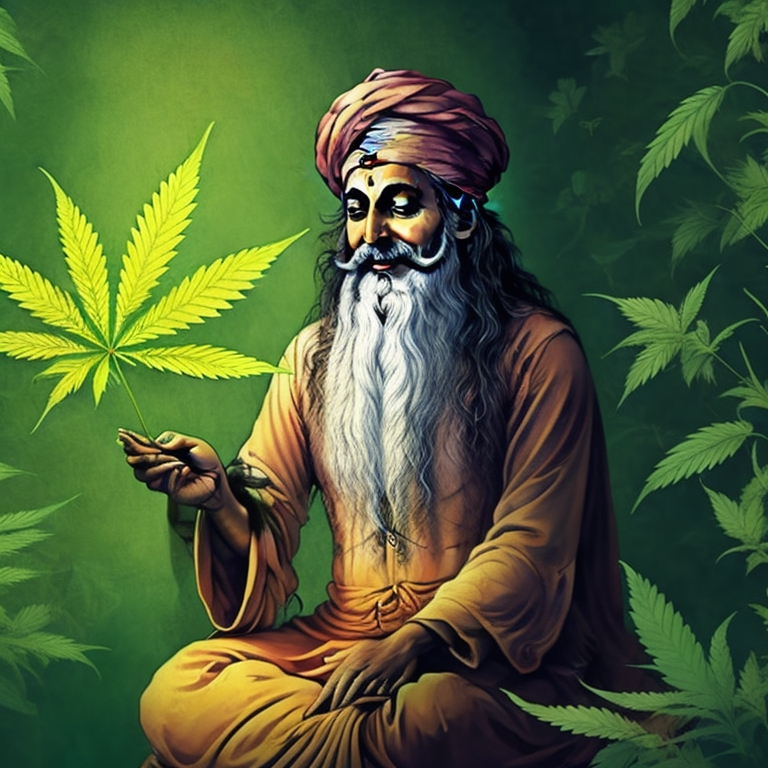
Importance of cannabis in Ayurveda
Cannabis is a significant player in Ayurvedic medicine, one of the oldest healing systems in India. It's even considered one of the five sacred plants in this ancient practice. Early Ayurvedic texts, like the Susruta, mentioned cannabis for its ability to combat phlegm-related issues.
According to the Rajanurghanta, cannabis has many benefits, like being an astringent (helping to tighten tissues), dissolving phlegm, relieving constipation, improving memory, and boosting appetite and digestion.
Ayurveda has about 200 different medicinal formulations that use cannabis as a key ingredient. Classical texts describe their use for a range of complaints; that describes tradition and is not a claim that any product treats a disease.
In Ayurveda, cannabis is something special, often called "soma," known for its ability to induce meditative states. But here's the twist: Ayurvedic practitioners don't usually use cannabis by itself. They blend it with other herbs to create specific remedies. Ayurveda relies on a wide variety of herbs, each with unique properties, to tackle different health issues.
But a word of caution: while Ayurveda recognizes the benefits of cannabis, its legal status varies across different countries. And using cannabis habitually and for extended periods, as Ayurveda points out, can disrupt the body's balance of three key physiological forces.
So, if you're curious about Ayurvedic cannabis remedies, it's essential to understand the legalities and potential effects on your body.
Visit the following links, to learn more about the topic:
https://www.somamatha.org/ayurvedic-view-of-marijuana.html
https://lifespa.com/intro-ayurveda/ayurvedic-philosophy/ayurvedas-take-on-weed/

CBD OIL (Stress Buster) - Spearmint Flavor - 30ml - The Trost
Difference between ayurvedic cannabis and medical cannabis
Ayurvedic Cannabis:
Ayurvedic cannabis is a type of cannabis used in Ayurvedic medicine, an ancient healing system from India.
In Ayurveda, it goes by names like "Vijaya" or "siddhi," and it's considered one of the five sacred plants.
People use Ayurvedic cannabis to help with issues like pain, inflammation, anxiety, and sleep problems.
You typically consume it as a tea or paste.
Medical Cannabis:
Medical cannabis is used to treat various medical conditions such as chronic pain, nausea, and seizures.
It contains two main components: THC (which can make you feel "high") and CBD (which doesn't have the same effect).
Medical cannabis products can come from different cannabis strains.
You can take medical cannabis as a pill, oil, or vapor.
So, in a nutshell, Ayurvedic cannabis is more about traditional medicine and addressing general health concerns, while medical cannabis is focused on specific medical conditions and contains THC and CBD. Both have their unique uses and benefits!
Visit the following links, to learn more about the topic:

Energeia - CBD Infused Natural Extract Tinctures - 30ml - Twiee
Importing CBD in India
When it comes to importing CBD into India, here are the key points you need to know:
Section 8(c) of the NDPS Act prohibits importing any narcotic drug into India except for medical or scientific purposes and in the manner the Act provides.
Any import therefore needs the authorisations the Act and its rules require; we have not verified the current import procedure.
Extracts and tinctures of cannabis are narcotic drugs under the Act whatever their CBD or THC content, so a CBD extract of the flowering tops or resin is covered.
While narcotics and psychotropic drugs are generally illegal in India, there are unique provisions in the NDPS Act that may allow their production, sale, use, or import for specific purposes.
Do not order CBD products from abroad on the assumption that they are allowed; get legal advice first.
In summary, importing CBD into India may be possible under specific circumstances, provided you meet the legal requirements and obtain the required approvals.

Pain Relief - Full Spectrum CBD Oil - For Aches & Inflammation
State Variations
The legality of CBD in India can be quite intricate, with varying interpretations across different states. No state law we checked mentions CBD by name; state excise and prohibition laws deal with hemp leaves and bhang, and they differ from one place to another. There is no 0.3% THC limit in Indian law: FSSAI's hemp seed food standard caps total THC at 5 mg/kg in seed and flour, 10 mg/kg in seed oil and 0.2 mg/kg in beverages, and CBD at 75 mg/kg. A cannabis-leaf product can be sold only as a licensed Ayurvedic medicine, not for recreational use. However, it's crucial to know that vaping CBD is prohibited in India, so it's advisable to explore alternative methods of consumption.
Additionally, it's essential to be aware that some Indian states may have their own specific regulations concerning the sale of CBD, particularly if it's marketed as a medicinal product. An Ayurvedic medicine containing cannabis leaf must be manufactured under a licence granted by the State Licensing Authority under the Drugs and Cosmetics Act, 1940; whether it may be possessed also depends on the state's excise or prohibition law.

Vijaya Amrit - CBD Oil for Insomnia, Depression and Stress - 4:1 CBD:THC
Legal Challenges and Court Cases
In recent years, India has seen legal disputes regarding the use of CBD, a compound derived from the cannabis plant. Back in 1985, India passed the Narcotic Drugs and Psychotropic Substances Act, which prohibited the recreational use of cannabis. However, this law and the International Single Convention on Narcotic Drugs didn't outlaw the medical use of cannabis.
Most CBD oils sold in India are made from full-spectrum cannabis leaf extracts, containing various cannabinoids, including CBD. Leaves not accompanied by the flowering tops are outside the NDPS definition of cannabis, and the industry relies on that to say leaf extracts are not covered; we found no central notification or judgment that says so about CBD specifically. Such products are sold as Ayurvedic medicines made under a state Ayurvedic manufacturing licence.
Clarity and regulation are needed in this evolving landscape. Legal challenges have prompted discussions on the regulation of cannabis. No CBD product should be assumed to be free of side effects; medicines containing cannabis leaf are to be taken under medical supervision. India faces the complex task of rapid development while preserving its biodiversity, in line with the Convention on Biological Diversity.
Visit the following links, to learn more about the topic:

Sleep Well - Natural Peppermint Flavor CBD Oil - 30ml - The Trost
Conclusion
In India, the legal status of CBD remains intricate due to the Narcotic Drugs and Psychotropic Substances Act of 1985 (NDPS Act). While some forms of CBD are permitted for medicinal and Ayurvedic use, recreational use remains strictly prohibited. The regulatory landscape is evolving, with ongoing legal challenges and efforts to clarify CBD's status. It's essential for individuals to stay informed about the latest developments in their specific state and ensure compliance with existing laws.

PEACE+ - MODERATE CHRONIC PAIN - Natural
FAQs
1. Is CBD legal for recreational use in India?
No, CBD is not legal for recreational use in India. It is subject to strict regulations and can only be used for specific medicinal or research purposes.
2. Can I purchase CBD products online in India?
Products sold online as CBD oil in India are either Ayurvedic medicines made from cannabis leaf under a state Ayurvedic manufacturing licence, to be taken under medical supervision, or hemp seed oil sold as food within FSSAI limits. Check the licence details on the label and the rules of your own state before ordering.
3. Are there any ongoing efforts to change CBD's legal status in India?
Yes, there are ongoing efforts and legal challenges to clarify and potentially change CBD's legal status in India. However, progress has been slow.
4. Can I grow my own CBD plants in India?
No, it is illegal to grow cannabis plants, including those with low THC content, for personal use in India.
5. Where can I find more information about the legal status of CBD in my state?
You can consult your state's official government website or seek legal advice to understand the specific regulations and interpretations of CBD in your state.

Brain Easer - Improves mood, reduces anxiety, stress, headaches | Cannazo India
That's all about CBD in India: Laws, Leaves, and Liquid Gold - Stay Tuned and follow us for all the latest updates, news & promotional events.
👇Official Website Link - https://www.thcindia.store/
👇Twitter https://twitter.com/theherbculture_
👇Instagram - Https://www.instagram.com/thc.theherbculture/
👇Facebook - https://www.facebook.com/thc.theherbculture/
👇Youtube - https://www.youtube.com/channel/UCO0DzxQid5QaC8pTSHHjtng
?Frequently Asked Questions
Is CBD oil legal in India?
What is the FSSAI limit for CBD in hemp seed foods?
Which law classes cannabis extracts as narcotic drugs in India?
Can I grow cannabis plants for CBD in India?
What caution label must Vijaya medicines carry in India?
Who licenses Ayurvedic medicines made from cannabis leaf?
Share this article
Written by
THC Store Team
Published 47 months ago


