Skip to content
Hemp vs. Cotton vs. Bamboo: The Great Debate
Hemp

Hemp vs. Cotton vs. Bamboo: The Great Debate

THC Store Team
February 20, 2023
4 min read
742 views

Article Summary

Are you trying to choose between hemp, cotton, and bamboo for your clothing and home furnishings, but not sure which one is the best option?

When it comes to choosing materials for our clothing, home furnishings, and other products, it's important to consider not just aesthetics and cost, but also the environmental impacts of our choices. Hemp, cotton, and bamboo have all gained popularity in recent years as sustainable and eco-friendly alternatives to traditional materials.
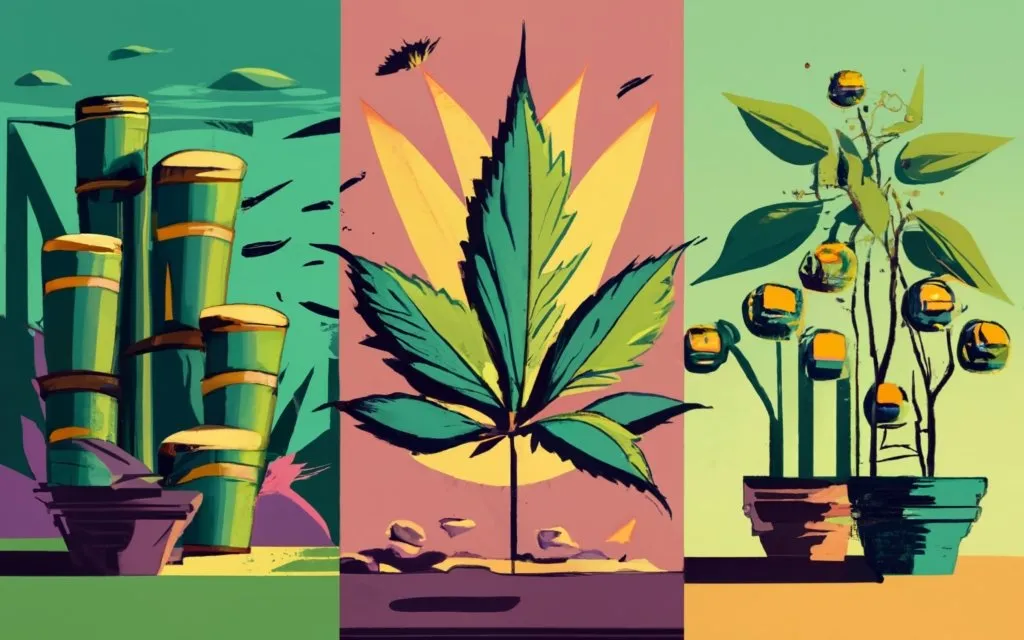
This visually stunning image divides into three sections, artfully showcasing the rugged texture of hemp leaves, the softness of bursting cotton bolls, and the graceful sway of bamboo stalks. Set against a serene botanical garden bathed in warm sunlight, it blends photography with 3D rendering, with subtle typography, creating a tranquil and natural masterpiece of conceptual art and illustration.

Overview of Hemp, Cotton, and Bamboo

Hemp

  • Versatile plant used for clothing, textiles, rope, and paper.

  • Low water usage and natural pest resistance, making it environmentally friendly.

  • Minimal need for pesticides or fertilizers.

  • Low carbon emissions during production.

Cotton

  • Widely used, soft, and versatile natural fiber.

  • High water requirements for growth.

  • Often treated with pesticides and fertilizers, impacting the environment.

  • Generates waste during production and transportation.

Bamboo

  • Fast-growing grass used for clothing and home furnishings.

  • Strong, durable, with natural antibacterial properties.

  • Requires minimal water and no pesticides or fertilizers.

  • Some energy-intensive production processes and potential carbon footprint in transportation.
This visually stunning image divides into three sections, artfully showcasing the rugged texture of hemp leaves, the softness of bursting cotton bolls, and the graceful sway of bamboo stalks. Set against a serene botanical garden bathed in warm sunlight, it blends photography with 3D rendering, with subtle typography, creating a tranquil and natural masterpiece of conceptual art and illustration.

Environmental Impacts of Hemp, Cotton, and Bamboo

Hemp

  • Uses 50% less water than cotton for equivalent fiber production.

  • Naturally pest-resistant, reducing the need for harmful chemicals.

  • Low carbon emissions during production.

Cotton

  • High water usage and reliance on pesticides and fertilizers.

  • Negative environmental impacts due to chemicals.

  • Larger carbon footprint in transportation.

Bamboo

  • Minimal water usage, no pesticides or fertilizers needed.

  • Energy-intensive production and potential transportation carbon footprint.

Durability and Maintenance
This visually stunning image divides into three sections, artfully showcasing the rugged texture of hemp leaves, the softness of bursting cotton bolls, and the graceful sway of bamboo stalks. Set against a serene botanical garden bathed in warm sunlight, it blends photography with 3D rendering, with subtle typography, creating a tranquil and natural masterpiece of conceptual art and illustration.

Hemp

  • Hemp fibers are 3-8 times stronger than cotton.

  • Resistant to wear and tear, shrinking, and fading.

  • Low maintenance, easy to care for.

Cotton

  • Prone to shrinking and fading.

  • Requires proper care to maintain shape and comfort.

Bamboo

  • Durable, resistant to wear and tear.

  • Some potential shrinking and fading with washing.

  • Low maintenance.

Comfort and Breathability
This visually stunning image divides into three sections, artfully showcasing the rugged texture of hemp leaves, the softness of bursting cotton bolls, and the graceful sway of bamboo stalks. Set against a serene botanical garden bathed in warm sunlight, it blends photography with 3D rendering, with subtle typography, creating a tranquil and natural masterpiece of conceptual art and illustration.

Hemp

  • Highly breathable and moisture-wicking.

  • Soft and comfortable with wear and washing.

Cotton

  • Soft, comfortable, and breathable.

  • May shrink or become misshapen with washing.

Bamboo

  • Soft, comfortable, and breathable.

  • Similar potential for shrinking or misshaping with washing.

Cost
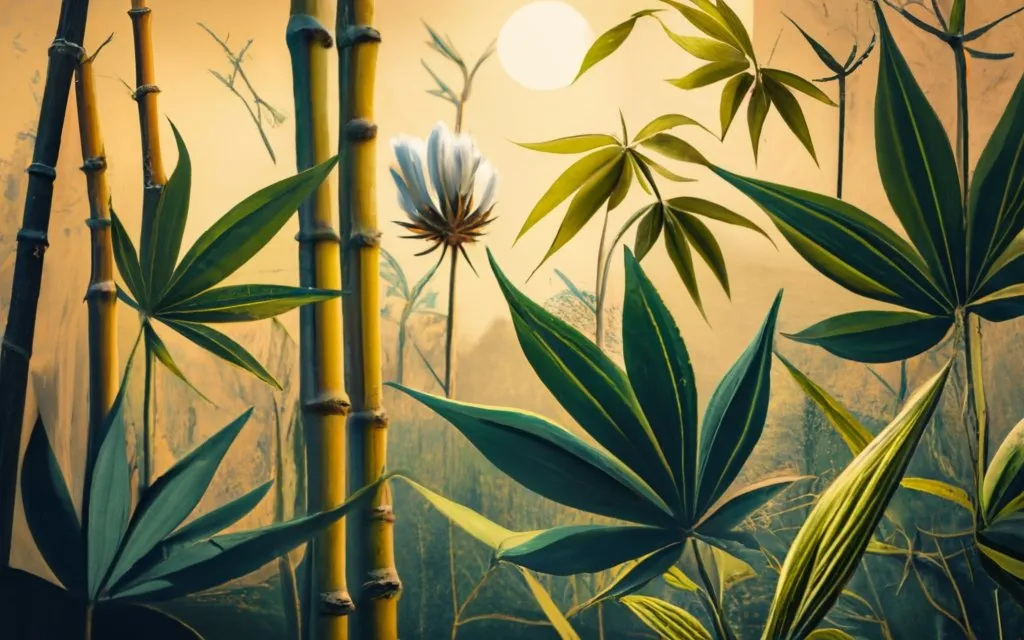
This visually stunning image divides into three sections, artfully showcasing the rugged texture of hemp leaves, the softness of bursting cotton bolls, and the graceful sway of bamboo stalks. Set against a serene botanical garden bathed in warm sunlight, it blends photography with 3D rendering, with subtle typography, creating a tranquil and natural masterpiece of conceptual art and illustration.

Hemp

  • Generally more expensive upfront but cost-effective in the long run due to durability.

Cotton

  • Economical upfront but may require frequent replacement, potentially costing more over time.

Bamboo

  • Moderate upfront cost varies depending on the product.

  • Cost-effective in the long run due to durability.

In conclusion, each material has its own set of advantages and drawbacks. Hemp shines in sustainability, cotton is known for comfort, while bamboo combines durability and eco-friendliness. Your choice should align with your priorities, be it sustainability, comfort, or cost-effectiveness. Consider the specific application and weigh the pros and cons before making an informed decision. We rest our case for Hemp vs. Cotton vs. Bamboo: The Great Debate

?Frequently Asked Questions

Which is more sustainable: hemp, cotton or bamboo?

The article concludes that hemp shines in sustainability. It says hemp uses low water, resists pests naturally and needs minimal pesticides, while cotton needs high water and pesticides, and bamboo needs little water but can involve energy-intensive production.

How much water does hemp use compared with cotton?

The article says hemp uses 50% less water than cotton for equivalent fibre production. It adds that hemp is naturally pest-resistant, so it reduces the need for harmful chemicals compared with cotton.

Is hemp fabric stronger than cotton?

Yes, the article says hemp fibres are 3 to 8 times stronger than cotton and resist wear and tear, shrinking and fading. Cotton is described as prone to shrinking and fading and needs proper care to keep its shape.

Is hemp fabric more expensive than cotton?

Generally yes upfront. The article says hemp is usually more expensive initially but can be cost-effective in the long run because it lasts longer, while cotton is cheaper at first but may need replacing more often.

Which of the three fabrics is most breathable?

The article calls hemp highly breathable and moisture-wicking, and also soft and comfortable with wear and washing. Cotton and bamboo are described as soft, comfortable and breathable, though both may shrink or lose shape in the wash.

What are the environmental drawbacks of bamboo?

The article says bamboo uses minimal water and no pesticides, but some of its production processes are energy-intensive and transportation can add to its carbon footprint.

Share this article

Written by

THC Store Team

Published 45 months ago

More Articles

Enjoyed this article?

Explore our Vijaya Sanskriti learning hub for more articles on wellness, Ayurveda, and holistic living

Related conditions