THC Wax & Cannabis Dabs India: Complete Legal Vijaya Concentrate Guide
Article Summary
THC Wax & Cannabis Dabs India: Complete Legal Vijaya Concentrate Guide Did you know that cannabis concentrates can contain 60-90% THC compared to traditional flower's 15-25%? In India's evolving cannabis landscape, THC wax and cannabis dabs represent...
THC Wax & Cannabis Dabs India: Complete Legal Vijaya Concentrate Guide
Did you know that cannabis concentrates can contain 60-90% THC compared to traditional flower's 15-25%? In India's evolving cannabis landscape, THC wax and cannabis dabs represent the cutting edge of Vijaya extract medicine, offering potent therapeutic benefits through advanced extraction technologies. As medical cannabis gains acceptance under AYUSH regulations, understanding legal THC concentrates becomes crucial for patients seeking powerful relief from chronic conditions.
Disclaimer: This article is for informational purposes only and does not constitute medical advice. Always consult a qualified healthcare professional before starting any new supplement or treatment. Cannabis-based products may require a prescription in India under NDPS Act regulations. Book a consultation with our panel doctors for personalized guidance.
Understanding THC Wax & Cannabis Concentrates in India
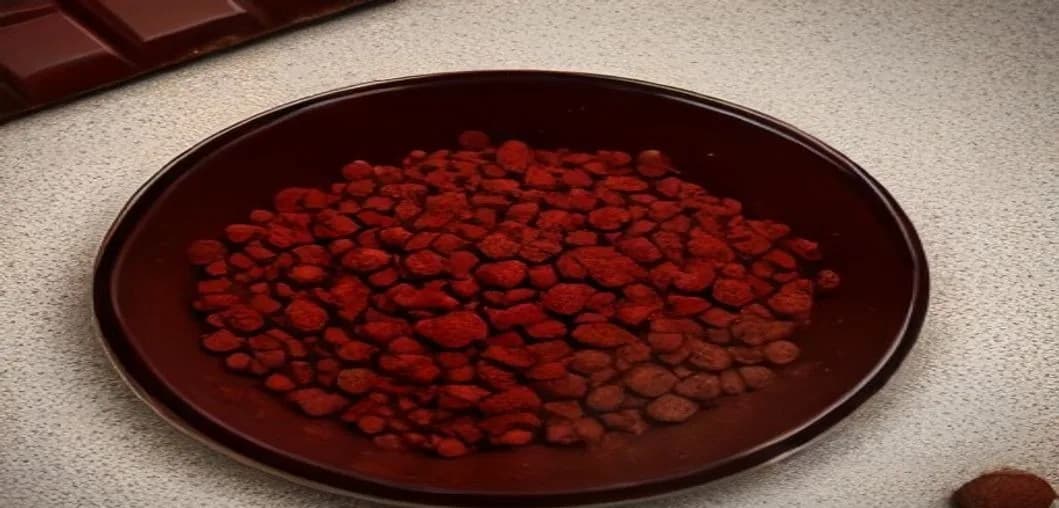
THC wax, also known as cannabis dabs, represents the most potent form of Vijaya extract available in India's regulated medical market. These concentrates are produced through sophisticated extraction processes that isolate cannabinoids and terpenes from cannabis plant material, resulting in products with unprecedented potency levels.
Unlike traditional cannabis consumption methods, cannabis concentrates in India offer precise dosing and rapid onset of effects, making them particularly valuable for patients with severe chronic conditions. Research published in PMC9878551 (2023) confirms that concentrates contain 60-90% THC, compared to flower's typical 15-25% concentration.
The Indian market for vijaya extract concentrate has emerged within the framework of AYUSH regulations, which classify certain cannabis leaf extracts as proprietary Ayurvedic medicines. This regulatory pathway allows licensed manufacturers to produce high-potency extracts for medical use, provided they obtain proper prescriptions and follow strict quality controls.
For patients considering concentrate therapy, consulting with qualified medical professionals ensures safe and effective treatment protocols. The concentrated nature of these products requires careful titration and medical supervision to achieve optimal therapeutic outcomes.
Legal Framework: NDPS Act & AYUSH Regulations for Cannabis Concentrates
India's cannabis concentrate legality operates within a complex regulatory framework combining the Narcotic Drugs and Psychotropic Substances (NDPS) Act 1985 with modern AYUSH guidelines. Understanding this legal landscape is essential for patients and healthcare providers working with THC concentrate India products.
The NDPS Act 1985 specifically prohibits charas (cannabis resin) and ganja (flowering tops) while exempting cannabis leaves and seeds. This exemption creates a legal pathway for Vijaya extract concentrate production, provided manufacturers use only cannabis leaf material and obtain proper AYUSH licensing.
AYUSH's 2022 Schedule E-1 classification allows Vijaya leaf extracts as proprietary Ayurvedic medicines, requiring prescriptions from qualified practitioners. This regulatory framework ensures that cannabis extracts legal India maintains therapeutic focus while preventing recreational misuse.
FSSAI and CDSCO regulations from 2024 further clarify that flower or resin-based BHO (Butane Hash Oil) products remain illegal, while AYUSH-licensed Vijaya leaf concentrates receive legal protection. Patients must obtain prescriptions through authorized medical consultations to access these therapeutic concentrates legally.
The prescription process involves comprehensive medical evaluation, dosage determination, and ongoing monitoring to ensure compliance with legal requirements and therapeutic objectives. This medical oversight protects patients while maintaining regulatory compliance within India's evolving cannabis medicine framework.
Types of Cannabis Concentrates: Wax, Shatter, Crumble & More
The world of cannabis concentrates India encompasses various textures and consistencies, each offering unique characteristics and therapeutic applications. Understanding these different forms helps patients and healthcare providers select appropriate concentrate types for specific medical conditions.
| Concentrate Type | Texture | THC Content | Best For |
|---|---|---|---|
| THC Wax | Soft, waxy | 70-90% | Pain relief, sleep disorders |
| Shatter | Glass-like, brittle | 80-95% | Anxiety, PTSD |
| Crumble | Dry, crumbly | 75-85% | Appetite stimulation |
| Live Resin | Sticky, saucy | 65-80% | Full-spectrum therapy |
| Budder | Butter-like | 70-85% | Chronic pain, inflammation |
THC wax India products typically exhibit soft, malleable consistency that's easy to handle and dose accurately. The waxy texture results from specific temperature and agitation parameters during extraction, creating a user-friendly concentrate ideal for medical applications.
Shatter represents the purest form of cannabis concentrate, with glass-like transparency indicating minimal residual solvents and plant matter. This hemp wax India variant offers potent effects suitable for experienced patients requiring maximum therapeutic impact.
Crumble provides easy dosing through its dry, breakable texture, making it popular among patients who prefer precise micro-dosing protocols. The crumbly consistency allows for accurate measurement without specialized tools.
Live resin preserves maximum terpene content through flash-freezing extraction techniques, delivering enhanced entourage effects and full-spectrum therapeutic benefits. This premium concentrate type commands higher prices but offers superior therapeutic outcomes.
Extraction Methods: BHO, CO2, Ethanol & Solventless Techniques
Cannabis concentrate production employs various extraction methodologies, each producing distinct chemical profiles and safety characteristics. Understanding these cannabis dabs india production methods helps patients make informed decisions about concentrate selection and quality assessment.
Butane Hash Oil (BHO) Extraction utilizes liquid butane to strip cannabinoids and terpenes from plant material. This method produces high-potency concentrates with excellent terpene preservation, though residual solvent testing remains crucial for safety assurance. Research from PubMed 26558460 (2015) highlights contamination concerns requiring rigorous purging protocols.
CO2 Extraction employs supercritical carbon dioxide to achieve solvent-free extraction, producing clean concentrates without hydrocarbon residues. This pharmaceutical-grade method dominates medical cannabis concentrate production due to safety and consistency advantages.
Ethanol Extraction uses food-grade ethanol for cannabinoid isolation, offering cost-effective production suitable for large-scale manufacturing. While less selective than other methods, ethanol extraction produces therapeutic concentrates meeting medical standards.
Solventless Techniques include rosin pressing and ice water extraction, producing concentrates without chemical solvents. These methods appeal to patients preferring natural extraction processes, though yields typically remain lower than solvent-based techniques.
Quality vijaya extract concentrate india products undergo extensive testing for residual solvents, pesticides, and contaminants. Reputable manufacturers provide detailed certificates of analysis (COAs) documenting purity and potency levels.
Temperature control during extraction significantly impacts final product quality. Research published in Frontiers in Toxicology (2025) demonstrates that terpene degradation occurs above 230°C, emphasizing the importance of low-temperature extraction protocols for preserving therapeutic compounds.
Medical Applications & Therapeutic Benefits of Cannabis Concentrates
The medical applications for THC wax india products span numerous therapeutic areas, offering patients potent relief from various chronic conditions. Clinical research demonstrates significant efficacy advantages of concentrates over traditional cannabis flower for severe medical cases.
Chronic Pain Management represents the primary indication for cannabis concentrate therapy in India. The high cannabinoid content provides rapid, long-lasting relief for patients with arthritis, fibromyalgia, and neuropathic pain conditions. Products like CannEx THC+CBD Extract (2:1) offer balanced relief with reduced psychoactive effects.
Cancer Treatment Support utilizes concentrates for chemotherapy-induced nausea, appetite stimulation, and pain control. The concentrated dosing allows precise titration matching patient needs throughout treatment cycles. CannaStrong THC+CBD Oil provides pharmaceutical-grade concentration suitable for oncology applications.
Epilepsy and Seizure Disorders benefit from high-CBD concentrates with controlled THC content. The rapid onset and precise dosing capabilities make concentrates valuable for breakthrough seizure management when traditional medications prove insufficient.
Mental Health Applications include PTSD, severe anxiety, and treatment-resistant depression. Research from Current Research in Health Sciences (2025) suggests that CBD:THC balanced extracts mitigate psychosis risk while maintaining therapeutic efficacy.
Sleep disorders respond well to indica-dominant concentrates containing sedating terpenes like myrcene and linalool. The concentrated format allows effective nighttime dosing without excessive daytime residue.
Patients considering concentrate therapy should consult qualified medical professionals to develop appropriate dosing protocols and monitor therapeutic outcomes. The potency of these products requires careful medical supervision to optimize benefits while minimizing adverse effects.
Dosage Guidelines & Safety Considerations for Cannabis Concentrates
Proper dosing represents the most critical aspect of safe cannabis concentrates india therapy. The extreme potency of these products demands careful titration and medical oversight to achieve therapeutic benefits without adverse effects.
Starting Dosage Recommendations:
- New patients: 1-2mg THC equivalent
- Cannabis-experienced patients: 2.5-5mg THC equivalent
- Chronic pain patients: 5-10mg THC equivalent
- Severe medical conditions: 10-25mg THC equivalent (medical supervision required)
The "start low, go slow" principle becomes even more important with concentrates due to their potency. Research shows that dabbing transfers 70-75% of available cannabinoids compared to 20-30% from smoking flower, requiring significant dosage adjustments.
Safety Considerations:
Concentrate consumption requires proper equipment and technique to ensure safe administration. Dabbing involves high temperatures that can cause burns if handled improperly. Patients should receive proper training on equipment use and safety protocols.
Tolerance development occurs more rapidly with high-potency concentrates, potentially requiring dosage escalation or tolerance breaks. Medical monitoring helps identify tolerance patterns and adjust treatment protocols accordingly.
Drug interactions become more significant with concentrated products due to their potency. Patients taking medications should consult healthcare providers about potential interactions before beginning concentrate therapy.
Mental health considerations include increased anxiety or paranoia risk in susceptible individuals. Products with balanced CBD:THC ratios like CannaSoothe may provide therapeutic benefits with reduced psychological effects.
The dosage calculator can help patients determine appropriate starting doses based on their medical conditions, experience level, and therapeutic goals. Regular medical follow-up ensures optimal dosing and safety monitoring.
Leading Brands & Products for Cannabis Concentrates in India
India's vijaya extract concentrate market features several established brands producing pharmaceutical-grade concentrates under AYUSH regulations. These manufacturers combine traditional Ayurvedic knowledge with modern extraction technologies to create therapeutic products meeting international quality standards.
MEDICANN leads the market with their Cannabis Leaf Extract Capsule line, offering standardized dosing in convenient capsule format. Their extraction processes focus on leaf-based materials, ensuring NDPS compliance while maintaining therapeutic potency.
CANNAVEDIC specializes in Ayurvedic cannabis formulations, including their Pure CBD Oil Natural 1500mg. Their products combine traditional Ayurvedic principles with modern concentrate technology, appealing to patients seeking holistic treatment approaches.
ZenOnco focuses on oncology applications with their AyurZen Ayurvedic Medicine line. Their concentrates specifically target cancer-related symptoms and chemotherapy side effects, providing specialized therapeutic solutions.
Quality assessment criteria for hemp wax india products include:
- AYUSH licensing and regulatory compliance
- Third-party laboratory testing and COAs
- Extraction method transparency
- Terpene profile preservation
- Consistent potency across batches
- Proper packaging and labeling
Brand reputation factors include clinical research participation, medical professional endorsements, and patient outcome tracking. Established manufacturers typically maintain quality consistency and reliable supply chains essential for medical applications.
Pricing varies significantly based on extraction method, potency, and brand positioning. Premium products command higher prices but often provide superior therapeutic outcomes and safety profiles. Patients should balance cost considerations with quality requirements and medical needs.
Consumption Methods: Dabbing, Vaporizing & Alternative Techniques
Cannabis concentrate consumption methods significantly impact therapeutic outcomes, bioavailability, and patient experience. Understanding various administration techniques helps patients and healthcare providers optimize cannabis dabs india therapy for specific medical conditions.
Dabbing represents the traditional concentrate consumption method, utilizing heated surfaces (typically titanium, quartz, or ceramic) to vaporize concentrates at high temperatures. This technique provides rapid onset and maximum bioavailability, making it suitable for acute symptom management.
Temperature control proves crucial for dabbing effectiveness and safety. Research from Frontiers in Toxicology (2025) demonstrates that low-temperature dabs (315-450°F) preserve terpenes and reduce harmful byproduct formation compared to high-temperature techniques.
Vaporizing offers a gentler alternative to dabbing, utilizing controlled temperature settings to vaporize concentrates without combustion. This method appeals to patients with respiratory sensitivities while maintaining therapeutic efficacy.
Sublingual Administration involves placing small amounts of concentrate under the tongue for direct absorption through mucous membranes. This technique provides discrete dosing with moderate onset times, suitable for workplace or social situations.
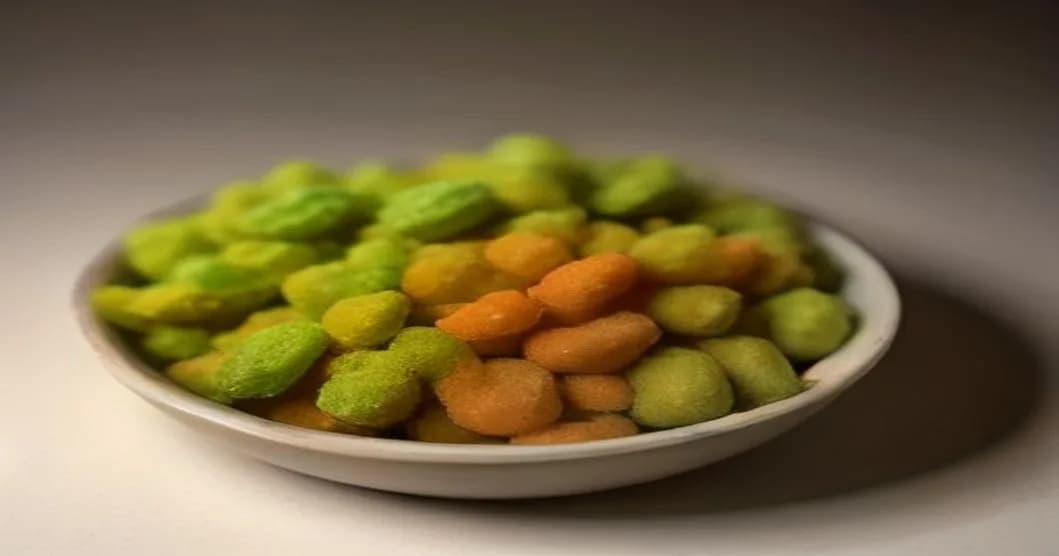
Edible Incorporation allows concentrate integration into food products, providing long-lasting effects through hepatic metabolism. This consumption method suits patients requiring extended symptom control throughout the day.
Equipment considerations include:
- Temperature control capabilities
- Material safety (avoid plastic components)
- Cleaning and maintenance requirements
- Portability needs
- Price and durability factors
Patient education on proper consumption techniques ensures safe and effective concentrate use. Healthcare providers should demonstrate proper techniques and safety protocols during initial consultations.
Quality Assessment & Testing Standards for Cannabis Concentrates
Quality assurance represents a critical component of THC concentrate india safety and efficacy. Comprehensive testing protocols ensure product safety, potency accuracy, and regulatory compliance while protecting patient health and therapeutic outcomes.
Cannabinoid Profiling determines THC, CBD, and minor cannabinoid concentrations using high-performance liquid chromatography (HPLC). Accurate potency testing enables precise dosing and consistent therapeutic effects across batches.
Terpene Analysis identifies aromatic compounds responsible for therapeutic effects and flavor profiles. Terpene preservation indicates quality extraction processes and enhanced entourage effects for improved patient outcomes.
Residual Solvent Testing detects potentially harmful extraction solvents including butane, propane, and ethanol. Safe concentrate products maintain solvent levels below regulatory limits, typically measured in parts per million (ppm).
Pesticide Screening identifies agricultural chemicals that may concentrate during extraction processes. Clean concentrates should pass comprehensive pesticide panels testing hundreds of potential contaminants.
Microbial Testing screens for bacteria, yeast, mold, and other microorganisms that could cause infections in immunocompromised patients. Sterile production facilities and proper storage prevent microbial contamination.
Heavy Metal Analysis detects toxic metals including lead, mercury, cadmium, and arsenic that may accumulate in cannabis plants or extraction equipment. Safe products maintain heavy metal levels below health-based limits.
Certificate of Analysis (COA) documents should accompany every vijaya extract concentrate product, providing detailed testing results and batch-specific information. Patients should review COAs before consumption and report any discrepancies to healthcare providers.
Third-party testing laboratories provide independent quality verification, removing potential conflicts of interest from manufacturer self-testing. Reputable brands exclusively use accredited testing facilities meeting international standards.
Prescription Process & Medical Access for Cannabis Concentrates
Accessing legal cannabis concentrates india requires navigating India's prescription-based medical cannabis system. Understanding the consultation and prescription process helps patients obtain appropriate concentrate therapy while maintaining regulatory compliance.
Medical Consultation Requirements:
Qualified healthcare providers must evaluate patients' medical conditions, treatment history, and concentrate suitability before prescribing cannabis medicines. The consultation process includes comprehensive medical assessment, dosing recommendations, and ongoing monitoring protocols.
Eligible medical conditions for concentrate therapy include:
- Chronic pain syndromes
- Cancer treatment side effects
- Epilepsy and seizure disorders
- PTSD and anxiety disorders
- Inflammatory conditions
- Sleep disorders
- Appetite and wasting syndromes
Prescription Documentation:
Legal prescriptions must include specific concentrate formulations, dosing instructions, duration of treatment, and follow-up requirements. Healthcare providers maintain detailed patient records documenting therapeutic outcomes and adverse effects.
Pharmacy Dispensing:
Licensed pharmacies dispense prescribed concentrates following strict chain-of-custody protocols. Patients must present valid prescriptions and identification to obtain concentrate products legally.
Patient Education Components:
Healthcare providers must educate patients about proper consumption techniques, dosing protocols, safety considerations, and potential side effects before prescribing concentrates. This educational component ensures safe and effective treatment outcomes.
Insurance coverage varies for cannabis concentrate prescriptions, with some policies covering medical cannabis under specific conditions. Patients should verify coverage details with insurance providers before beginning treatment.
Regular follow-up appointments monitor treatment progress, adjust dosing protocols, and address any concerns or side effects. This ongoing medical supervision ensures optimal therapeutic outcomes while maintaining safety standards.
Storage, Handling & Shelf Life of Cannabis Concentrates
Proper storage and handling preserve the potency, safety, and therapeutic value of THC wax india products. Understanding storage requirements helps patients maintain product quality and extend shelf life while ensuring safe handling practices.
Temperature Control:
Concentrates require cool, stable temperatures to prevent cannabinoid degradation and consistency changes. Ideal storage temperatures range from 32-68°F (0-20°C), with refrigeration recommended for long-term storage.
Light Protection:
UV light degrades cannabinoids and terpenes, reducing therapeutic potency over time. Dark storage containers and light-proof packaging preserve concentrate quality and extend shelf life significantly.
Humidity Management:
Excess moisture can promote mold growth and product degradation, while insufficient humidity may cause concentrate drying and texture changes. Optimal relative humidity ranges from 59-63% for concentrate storage.
Container Selection:
Non-reactive containers including glass, silicone, or PTFE materials prevent chemical interactions that could alter concentrate composition. Avoid plastic containers that may leach chemicals or absorb terpenes.
Handling Safety:
Clean tools and surfaces prevent contamination during concentrate handling. Use dabbing tools made from medical-grade materials to avoid introducing contaminants or altering product composition.
Shelf Life Considerations:
Properly stored concentrates maintain potency and safety for 1-2 years, though quality gradually declines over time. Unopened products typically maintain higher quality than opened containers exposed to air and handling.
Signs of concentrate degradation include:
- Color changes (darkening)
- Texture alterations
- Off odors or flavors
- Visible mold or contamination
- Reduced therapeutic effects
Patients should monitor concentrate quality regularly and consult healthcare providers if degradation signs appear. Degraded products may lose therapeutic value and potentially pose safety risks.
Future of Cannabis Concentrates in India's Medical Market
India's cannabis concentrates india market stands poised for significant expansion as regulatory frameworks evolve and medical acceptance grows. Understanding market trends and future developments helps patients and healthcare providers prepare for enhanced therapeutic options.
Regulatory Evolution:
AYUSH continues expanding Schedule E-1 classifications to include additional concentrate formulations and delivery methods. Future regulations may streamline prescription processes while maintaining safety standards and medical oversight.
Research Advancement:
Indian research institutions increasingly study cannabis concentrate applications for specific medical conditions. Clinical trials focusing on oncology, neurology, and pain management applications may provide evidence supporting expanded medical use.
Technology Integration:
Advanced extraction technologies including supercritical CO2 and cryogenic processing promise improved concentrate quality and consistency. These innovations may reduce costs while enhancing therapeutic outcomes for Indian patients.
Market Expansion:
Growing awareness among healthcare providers and patients drives demand for concentrate therapy options. Market expansion may increase availability while reducing costs through economies of scale and competitive pricing.
International Collaboration:
Partnerships with international cannabis companies may accelerate technology transfer and quality improvement initiatives. These collaborations could enhance India's position in the global medical cannabis market.
Patient access improvements may include telemedicine consultations, home delivery services, and expanded pharmacy networks. These enhancements could improve treatment accessibility while maintaining regulatory compliance and safety standards.
The future of Indian cannabis concentrate therapy looks promising, with expanding research, improving regulations, and growing medical acceptance creating opportunities for enhanced patient care and therapeutic outcomes.
What are the legal requirements for obtaining THC concentrates in India?
THC concentrates in India require valid prescriptions from qualified healthcare providers under AYUSH regulations. Patients must consult licensed doctors, obtain proper documentation, and purchase from authorized pharmacies to access legal cannabis concentrates. Only leaf-based extracts are permitted under current NDPS Act exemptions.
How do cannabis concentrates differ from traditional cannabis flower in terms of potency?
Cannabis concentrates contain 60-90% THC compared to flower's typical 15-25% concentration. This 3-4x potency increase requires significant dosage adjustments and medical supervision. Concentrates provide more efficient therapeutic delivery with smaller doses and faster onset times.
Which extraction method produces the safest cannabis concentrates?
CO2 extraction produces the safest cannabis concentrates by eliminating hydrocarbon solvents and contaminants. This pharmaceutical-grade method yields clean products without residual chemicals, making it preferred for medical applications. Solventless rosin pressing also produces safe concentrates without chemical extraction agents.
What medical conditions benefit most from cannabis concentrate therapy?
Chronic pain, cancer treatment side effects, epilepsy, PTSD, and severe inflammatory conditions respond well to cannabis concentrate therapy. The high potency enables effective treatment of conditions that don't respond adequately to traditional cannabis flower or other medications.
How should patients start dosing with cannabis concentrates safely?
New patients should start with 1-2mg THC equivalent doses and increase gradually over several days. The "start low, go slow" approach prevents adverse effects while identifying optimal therapeutic doses. Medical supervision ensures safe titration and monitors therapeutic outcomes throughout treatment.
Sources & References:
- PMC9878551 (2023): Advancing the science on cannabis concentrates and behavioural health - concentrates contain 60-90% THC with higher CUD risk compared to flower
- Rich JD, et al. Drug Alcohol Dependence (2015) PMID:26558460: Understanding dabs: contamination concerns - dabbing transfers 70-75% cannabinoids with solvent residue risks
- Frontiers in Toxicology (2025) doi:10.3389/ftox.2025.1568207: Cannabis concentrate vaping chemistry - terpene degradation above 230°C, low-temperature dabbing preserves therapeutic compounds
- Current Research in Health Sciences 3(2):24-28 (2025) DOI:10.58613/crhs324: Review of cannabis concentrates - CBD:THC balanced extracts mitigate psychosis risk while maintaining efficacy
- NDPS Act 1985: Cannabis leaves and seeds exempted from prohibition, allowing legal Vijaya extract production
- AYUSH Schedule E-1 (2022): Vijaya leaf extracts classified as proprietary Ayurvedic medicines requiring prescription
Share this article
Written by
THC Store Editorial
Published 6 months ago