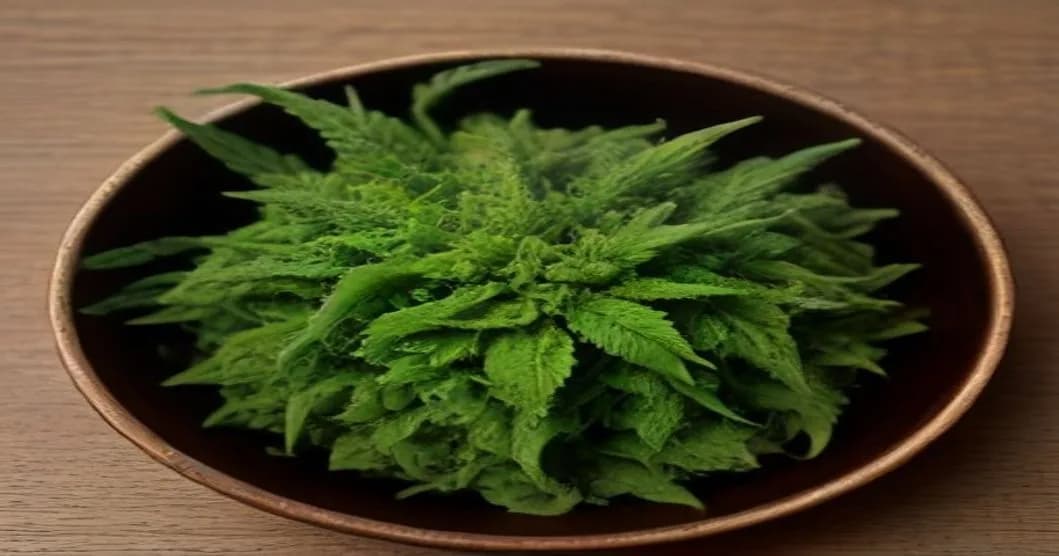
Sativa Plant in India: Complete Science, Ayurvedic & Legal Guide
Article Summary
The sativa plant in India has deep roots stretching back thousands of years — long before modern science named it Cannabis sativa L. , ancient Ayurvedic physicians called it Vijaya (Sanskrit: "the victorious herb") and documented its remarkable heali...
The sativa plant in India has deep roots stretching back thousands of years — long before modern science named it Cannabis sativa L., ancient Ayurvedic physicians called it Vijaya (Sanskrit: "the victorious herb") and documented its remarkable healing properties in texts like the Atharva Veda and Charaka Samhita. Today, as India's wellness industry embraces plant-based science and AYUSH-licensed formulations, understanding the sativa plant's botany, its distinction from the indica subspecies, and its legal landscape under the NDPS Act is essential for any informed Indian consumer or patient.
Disclaimer: This article is for informational purposes only and does not constitute medical advice. Always consult a qualified healthcare professional before starting any new supplement or treatment. Cannabis-based products may require a prescription in India under NDPS Act regulations. Book a consultation with our panel doctors for personalized guidance.
What Is the Cannabis Sativa Plant? Botany and Taxonomy
Cannabis sativa Linnaeus 1753 is a dioecious flowering plant of the family Cannabaceae — one of the oldest cultivated plants in human history. The species name sativa is Latin for "cultivated," reflecting its millennia-long relationship with human agriculture across Asia, the Middle East, and beyond. In India, wild-growing populations of C. sativa are found across the Himalayan foothills, valleys of Himachal Pradesh, Uttarakhand, and the Nilgiri hills of Tamil Nadu.
Botanically, the sativa plant is characterised by:
- Height: 1.5 to 4+ metres in outdoor cultivation
- Leaves: Long, narrow, palmate leaflets with 7–13 serrated fingers; lighter green than indica
- Internodes: Long and branchy, adapted to warm, humid climates
- Flowers: Elongated, airy buds; female plants produce cannabinoid-rich trichomes
- Root system: Deep taproot that improves soil structure — a reason sativa-type hemp is used for phytoremediation in India
The plant synthesises over 550 phytochemicals, including more than 120 unique cannabinoids — the molecular compounds that interact with the human endocannabinoid system (ECS) to produce therapeutic effects.
The Two Faces of Sativa in India: Hemp vs Vijaya
In the Indian legal and agricultural context, "sativa plant in India" covers two distinct phenotypes that are classified differently under law:
| Feature | Hemp Sativa (Industrial) | Vijaya Sativa (Medical/Ayurvedic) |
|---|---|---|
| THC content | < 0.3% (non-psychoactive) | > 0.3% in flowers; leaves < 0.3% for AYUSH |
| CBD content | Variable, can be CBD-rich | Variable; AYUSH-certified extracts specified |
| Legal cultivation | Uttarakhand, HP, MP, J&K, Manipur | AYUSH licence required for processing |
| Primary uses | Fibre, seed oil, nutrition, cosmetics | Ayurvedic medicine, therapeutic formulations |
| NDPS Act status | Leaves/seeds exempt; fibre crop licensed | Leaves/seeds exempt; flowers require licence |
| Indian brand examples | Hemp food brands, seed oil brands | Vijaya extract brands, AYUSH gummies |
This distinction matters enormously for Indian consumers: the same plant species — Cannabis sativa — gives us both a bag of hemp seeds in your morning smoothie bowl and a physician-prescribed vijaya extract tincture for chronic pain. Knowing which "face" of sativa you're purchasing determines your legal standing.
Sativa Plant History in India: Ancient Ayurvedic Roots
India's relationship with the sativa plant is arguably the oldest human-plant relationship in recorded medical history. The Atharva Veda (circa 1500–1200 BCE) lists bhang — prepared from Cannabis sativa leaves — as one of five sacred plants that "release us from anxiety." The Sushruta Samhita (200–300 CE) prescribes cannabis preparations for catarrh and digestive disorders, while Charaka Samhita recommends it for neurological conditions.
Colonial-era botanical surveys by the British in the 19th century documented thousands of wild sativa populations across:
- Himachal Pradesh: The Kullu, Malana, and Parvati valleys — where traditional cannabis cultivation for ritual and medicinal use has never fully ceased
- Uttarakhand: Kumaon and Garhwal hills — now India's first state with a legal hemp cultivation programme
- Kerala: The Idukki and Wayanad districts — home to India's celebrated landrace sativa populations
- Rajasthan: State-licensed bhang shops in cities like Varanasi and Jaisalmer operate legally, dispensing sativa leaf preparations to this day
The modern AYUSH framework, introduced post-2018, effectively revived the medicinal sativa tradition under scientific licensing — renaming the plant "Vijaya" to distinguish it from illicit uses and connect it to its Ayurvedic heritage.
Cannabis Sativa Chemical Profile: Cannabinoids and Terpenes
The pharmacological power of the sativa plant lies in its extraordinary phytochemical factory. CSIR-CIMAP researchers in Lucknow have mapped the cannabinoid and terpene diversity of north Indian sativa landraces (Ghosh et al., 2025, Chemistry & Biodiversity), finding significant variation in cannabinoid ratios even within the same region — a key reason why Indian sativa populations are considered botanically unique.
Key cannabinoids produced by the sativa plant include:
- THC (Δ9-Tetrahydrocannabinol): The primary psychoactive cannabinoid. Present at <0.3% in hemp strains; higher in vijaya formulations regulated under AYUSH.
- CBD (Cannabidiol): Non-psychoactive; the most researched therapeutic cannabinoid for anxiety, inflammation, and pain.
- CBG (Cannabigerol): The "mother cannabinoid" — a precursor to both THC and CBD; emerging research points to anti-inflammatory and neuroprotective properties.
- THCA (Tetrahydrocannabinolic acid): Non-psychoactive raw form of THC; converts to THC upon decarboxylation (heating). Found in fresh vijaya leaf.
- CBC (Cannabichromene): A minor cannabinoid with potential anti-inflammatory and mood-stabilising properties.
Terpenes — aromatic compounds that give sativa its distinct scent — include:
- Myrcene: Earthy, musk notes; may enhance cannabinoid absorption ("entourage effect")
- Limonene: Citrus notes; associated with mood elevation and stress relief
- Pinene: Pine notes; may support alertness and memory retention
- Linalool: Floral notes; associated with anxiolytic and sedative properties
- Caryophyllene: Spicy, peppery notes; uniquely binds to CB2 receptors — the only terpene known to act directly on the ECS
The Endocannabinoid System: How Sativa Plant Compounds Work in Your Body
Understanding the sativa plant in India requires understanding the endocannabinoid system (ECS) — the internal receptor network that cannabis compounds interact with. The ECS, discovered in the 1990s by Israeli pharmacologist Dr. Raphael Mechoulam, is present in every mammal and comprises:
- CB1 receptors: Concentrated in the brain and nervous system — modulate pain, mood, memory, and appetite
- CB2 receptors: Concentrated in immune tissue — modulate inflammation and immune response
- Endogenous cannabinoids: Your body's own cannabis-like molecules, including anandamide (the "bliss molecule") and 2-AG
According to the PMC11641728 review (2024, International Journal of Molecular Sciences), biologically active compounds from Cannabis sativa show significant therapeutic potential in modulating ECS pathways relevant to pain, inflammation, neurological disorders, and metabolic conditions. For Indian patients, this is significant — the ECS is now considered a viable pharmaceutical target, and AYUSH-licensed vijaya formulations represent the regulated access point.
Clinical Research on Cannabis Sativa: What Indian Studies Show
India's cannabis research landscape is evolving rapidly, though clinical trials remain in early stages due to regulatory complexity. Here is what current evidence shows:
Study 1: CSIR-CIMAP Pre-Clinical Inflammation Trial (2025)
Researchers at the CSIR-Central Institute of Medicinal and Aromatic Plants (CIMAP), Lucknow — India's premier medicinal plant research institution — conducted a pre-clinical study (PubMed ID: 41213439, Journal of Ethnopharmacology) on cannabidiol-rich Cannabis sativa (novel genotype CIM-CS-64, THC <0.3%) to assess anti-inflammatory and analgesic potential. Key finding: significant reduction in inflammatory markers and pain behaviour scores compared to controls, with a favourable safety profile.
Study 2: North Indian Sativa Cannabinoid Mapping (2025)
Ghosh et al. (2025, Chemistry & Biodiversity, Wiley) characterised cannabinoid and terpene profiles of wild sativa populations from northern India, identifying distinct chemovars with varying CBD:THC ratios — providing the first systematic basis for classifying Indian landraces for breeding and pharmaceutical development. This research is foundational for India's emerging vijaya extract industry.
Study 3: Ethnobotanical and Clinical Review (2025)
Avoseh, Mtunzi et al. (2025, Natural Product Communications, SAGE) compiled a comprehensive review of Cannabis sativa's pharmacological classification and phytochemistry globally, noting that India's traditional Ayurvedic preparations pre-empted many modern pharmacological discoveries about the plant's anti-spasmodic, analgesic, and anxiolytic properties.
Clinical trial infrastructure in India for cannabis is still developing, as noted in a ResearchGate review ("Clinical studies with Cannabis in India — A need for guidelines," 2023). However, AYUSH-licensed formulations can now be used therapeutically under physician supervision — which is why a consultation with a qualified doctor is the recommended first step.
Legal Status of Sativa Plant in India: NDPS Act and AYUSH Framework
India's relationship with the sativa plant is governed by two primary legal instruments, and understanding both is essential before purchasing any cannabis-derived product.
The Narcotic Drugs and Psychotropic Substances (NDPS) Act, 1985 is the primary legislation. Section 2(iii)(b) of the NDPS Act creates a crucial carve-out: the leaves and seeds of the Cannabis Sativa Linn plant are explicitly excluded from the definition of "cannabis" as a prohibited narcotic. This means:
- Consumption of bhang (leaf preparation) is not a criminal offence under the NDPS Act at the central level
- AYUSH-licensed companies can legally manufacture extracts from cannabis leaves and seeds
- Hemp seeds and hemp seed oil are commercially legal for food and cosmetics (FSSAI circular, November 2021)
The Ministry of AYUSH formalised medical cannabis access in 2018, permitting vijaya (Cannabis sativa leaf extract) to be used in Ayurvedic, Siddha, and Unani formulations. Legal requirements for consumers include:
- Products must be manufactured by AYUSH-licensed facilities
- THC content must remain within specified limits (typically <0.3% in leaf-derived extracts)
- Medical vijaya formulations require a doctor's prescription in most states
If you're unsure about your specific situation or which products are appropriate, book a consultation with one of our panel doctors who can provide personalised guidance on vijaya-based treatments within India's legal framework. You can also browse our complete vijaya leaf guide for more context.
Industrial Hemp Sativa in India: State-by-State Cultivation
India's industrial hemp sector is growing steadily, with several states having established licensing frameworks for Cannabis sativa cultivation:
- Uttarakhand: India's first state to legalise hemp cultivation (2016). Farmers cultivate CBD-rich hemp varieties under the Uttarakhand Industrial Hemp Policy. The state produces hemp fibre, seed oil, and CBD-rich biomass.
- Himachal Pradesh: Legal hemp cultivation under the NDPS (HP) Rules. The Kullu valley hosts both wild and cultivated sativa populations with significant medicinal potential.
- Uttar Pradesh: State policy allows limited industrial hemp cultivation, supported by CSIR-CIMAP's breeding programme.
- Madhya Pradesh & Manipur: Both states have enacted hemp cultivation policies targeting fibre and seed industries.
- Jammu & Kashmir: Post-Article 370 reorganisation, J&K has developed hemp cultivation rules focusing on the region's traditional sativa landraces.
For Indian consumers, this growing cultivation base means an increasingly reliable domestic supply of hemp-derived products — from hemp seeds and seed oil for nutrition to vijaya extract formulations for wellness.
Vijaya Extract Products from Sativa: What's Available Legally in India
The modern Indian wellness market offers a growing range of Cannabis sativa-derived products under the AYUSH framework. At THC Store India, we curate only AYUSH-compliant vijaya and hemp products from licensed manufacturers. Here are the main categories:
Vijaya Extract Tinctures and Oils
Oil-based extracts of vijaya (sativa leaf) are the most bioavailable form for sublingual administration. They deliver precise doses of cannabinoids including CBD and trace THC, formulated for conditions like chronic pain, anxiety, and sleep disruption. Browse our vijaya extract collection to find doctor-recommended tinctures from licensed Indian brands.
Vijaya Gummies and Edibles
Gummies infused with vijaya extract offer a measured, palatable dosing format. Effects take 45–90 minutes to onset compared to sublingual (15–30 min) due to hepatic first-pass metabolism — an important consideration for new users. Explore our edibles and gummies collection for options across brands.
Ayurvedic Vijaya Vati and Capsules
Traditional tablet formulations like Sanan Vati and Trailokya Vijaya Vati combine vijaya extract with complementary Ayurvedic herbs. These formulations follow classical Samhita texts and are available through licensed Ayurvedic pharmacies. See our Ayurvedic and herbal collection.
Hemp Food and Nutrition
Hemp seeds, hemp seed oil, and hemp protein powder from the sativa plant are fully legal as food products under FSSAI guidelines. They are nutritional powerhouses — rich in complete protein (all 9 essential amino acids), omega-3 fatty acids, and GLA. Explore our hemp food collection.
How to Choose Sativa-Derived Products in India
With a growing market comes the challenge of identifying quality products. Here is what to look for when purchasing any sativa plant-derived product in India:
- AYUSH licence number: Every legal vijaya product must display the manufacturing facility's AYUSH registration. Verify this number on the AYUSH ministry portal.
- Third-party lab COA: A Certificate of Analysis from an independent lab confirms cannabinoid content, THC levels, absence of pesticides, and heavy metals.
- Extraction method disclosure: CO₂ extraction is the gold standard, preserving the full terpene and cannabinoid profile without solvent residues.
- Ingredient list transparency: Avoid products with undisclosed "proprietary blends" that obscure the source material.
- Brand licensing history: Established brands with documented AYUSH compliance history are safer choices for first-time buyers.
Our THC Store panel doctors can help you navigate product selection based on your health goals and current medications — a service particularly valuable for patients on anticoagulants or immunosuppressants where cannabinoid interactions should be reviewed.
Dosage and Usage Guide for Vijaya Extract from Sativa
First-time users of sativa-derived vijaya extract in India should follow a conservative titration approach:
- Starting dose: 2.5–5 mg CBD (or vijaya extract equivalents) once daily, taken sublingually (under the tongue, held for 60 seconds)
- Titration schedule: Increase by 2.5 mg every 3–5 days until desired effects are achieved
- Timing: Morning for daytime focus/anxiety relief; evening for sleep support
- Food interaction: Taking vijaya oil with a high-fat meal (coconut oil, ghee) significantly improves absorption
- INR cost guidance: Quality vijaya extracts in India range from ₹800–₹3,500 per 10 ml tincture depending on cannabinoid concentration and brand
Important: Dosage for specific medical conditions (epilepsy, chronic pain, anxiety disorders, cancer-related symptoms) should always be established with physician guidance. Book a doctor consultation for condition-specific vijaya extract protocols — our panel includes physicians experienced in both Ayurvedic and integrative medicine.
Sativa Plant Environmental Impact: India's Phytoremediation Promise
Beyond medicine and nutrition, the sativa plant in India holds promise for ecological restoration. Cannabis sativa is one of the most efficient phytoremediation crops known to science — its deep taproot system absorbs heavy metals (cadmium, lead, mercury) from contaminated soil. Research conducted in polluted agricultural belts of Punjab and Haryana has highlighted sativa's potential for soil remediation alongside crop rotation programmes.
Additionally, hemp fibre from sativa is increasingly used in construction (hempcrete), textiles, and bioplastics — aligning with India's sustainability goals under the Green India Mission. States like Uttarakhand are piloting hemp-based construction materials for Himalayan hill housing, where conventional concrete and wood are both environmentally costly.
Sativa Plant in India: Cooking and Food Uses
Hemp sativa seeds and oil have a respected place in Indian culinary tradition — and an increasingly prominent one in modern health-conscious cooking:
- Hemp seeds in chutney: Ground hemp seeds are used in traditional Maharashtra and Karnataka preparations, adding a nutty flavour and substantial protein
- Hemp seed oil for cooking: Low smoke point (165°C) makes it ideal for dressings and cold preparations. Rich in omega-3 and omega-6 in a near-ideal 3:1 ratio for human metabolism
- Hemp protein powder: Used in protein shakes and baked goods — provides all 9 essential amino acids, unlike most plant proteins
- Hemp flour: Gluten-free flour substitute with higher protein and fibre content than wheat flour
These hemp food products are all derived from the sativa plant and available through our hemp food and nutrition store — fully legal and FSSAI-approved for Indian consumers.
Future of Sativa Plant Research in India
India's position as a biodiversity hotspot for Cannabis sativa — with hundreds of landrace populations across Himalayan and peninsular ecosystems — gives it a unique advantage in the global cannabis research race. Key developments to watch:
- CIMAP breeding programme: India's government-funded medicinal plants institute is developing non-psychoactive, high-CBD sativa chemovars specifically adapted to Indian agricultural conditions
- AYUSH clinical trial framework: The Ministry of AYUSH is working with ICMR to establish standardised protocols for vijaya clinical trials — expected to accelerate evidence generation for Indian patient populations
- State hemp policy expansion: Several states including Bihar, Odisha, and Chhattisgarh are reviewing hemp cultivation policies following Uttarakhand's economic success
- GI (Geographical Indication) tags: Himachal Pradesh and J&K have explored GI tags for their unique landrace sativa populations, similar to how Darjeeling tea is protected
FAQ: Sativa Plant in India
Is the sativa plant legal in India?
It depends on the part of the plant and its intended use. Under the NDPS Act 1985, the leaves and seeds of Cannabis sativa are not classified as prohibited narcotics. Hemp cultivation is licensed in states like Uttarakhand and Himachal Pradesh. Vijaya (medicinal cannabis) formulations are legal when manufactured by AYUSH-licensed facilities and — for therapeutic use — when used under a doctor's prescription. The flowering tops (ganja) and resin (charas) remain prohibited narcotics under the NDPS Act. For personalised legal guidance, consult one of our panel doctors.
What is the difference between sativa and indica plants?
Cannabis sativa and Cannabis indica are the two primary subspecies recognised under classical taxonomy. Sativa typically grows taller, has narrower leaves, and is adapted to equatorial climates (including much of India). Indica is shorter, broader-leafed, and native to the Hindu Kush mountain region. In terms of cannabinoid profiles, modern research (Piomelli & Russo, 2016) has shown that the sativa/indica distinction is an imperfect predictor of pharmacological effects — chemotype (the actual cannabinoid and terpene composition) is a more accurate guide. Both subspecies are found growing in India.
What is vijaya extract, and is it the same as sativa extract?
Yes — vijaya extract is the AYUSH regulatory and Ayurvedic term for cannabis (primarily Cannabis sativa) leaf extract in India. The name derives from the Sanskrit "Vijaya" (victorious), used in classical Ayurvedic texts. Vijaya extract products legally sold in India are manufactured from sativa leaf (not the prohibited flowering tops) and must meet AYUSH purity and concentration standards. Browse our vijaya extract collection for options.
Can sativa plant products be delivered across India?
AYUSH-licensed vijaya extract products and hemp food/personal care products from the sativa plant can be legally ordered online and delivered across most Indian states. Some states have additional restrictions — for example, certain vijaya formulations may require a prescription. THC Store India (thcstore.in) ensures all products shipped are compliant with destination-state regulations. Our panel doctors can provide digital prescriptions where required.
How does sativa plant extract help with pain and anxiety?
Cannabinoids from the sativa plant — primarily CBD and in therapeutic formulations, regulated amounts of THC — interact with the body's endocannabinoid system (ECS). CB1 receptors in the brain and nervous system modulate pain perception and emotional processing; CB2 receptors in immune tissue regulate inflammatory cascades. A 2025 CSIR-CIMAP pre-clinical study confirmed cannabidiol-rich sativa extract significantly reduced inflammation and pain behaviour scores, while a 2024 systematic review (PMC11641728) highlighted sativa compounds' therapeutic potential across multiple biological pathways. Individual results vary — which is why personalised medical guidance matters.
What is the price range for vijaya sativa products in India?
Vijaya sativa extract products in India vary by format and concentration: tinctures (₹800–₹3,500 per 10 ml), gummies (₹400–₹1,800 per pack), Ayurvedic vati/tablets (₹300–₹1,200 per month supply). Hemp food products like seeds (₹200–₹500 per 250g), hemp protein powder (₹500–₹1,500 per 250g), and hemp seed oil (₹400–₹1,200 per 100 ml) are significantly more accessible for daily nutrition. All prices are approximate and subject to brand and retailer variation.
Sources & References
- Ghosh S et al. (2025). "Unveiling Cannabinoids and Terpenes Diversity in Cannabis sativa L. From Northern India for Future Breeding Strategies." Chemistry & Biodiversity, Wiley. DOI: 10.1002/cbdv.202402278
- CSIR-CIMAP Research Team (2025). "Therapeutic potential of cannabidiol-rich Cannabis sativa to mitigate the severity of inflammation and pain: A pre-clinical study." PubMed ID: 41213439, Journal of Ethnopharmacology.
- Avoseh FT, Mtunzi FM et al. (2025). "Cannabis sativa: Ethnobotanicals, Classifications, Pharmacology, and Phytochemistry." Natural Product Communications, SAGE. DOI: 10.1177/1934578X251334244
- PMC11641728 (2024). "Current and Potential Use of Biologically Active Compounds Derived from Cannabis sativa L. in the Treatment of Selected Diseases." International Journal of Molecular Sciences, PMC/NLM.
- Government of India, Ministry of AYUSH. AYUSH licensing framework for vijaya (Cannabis sativa) Ayurvedic formulations (2018–2026). ayush.gov.in
Share this article
Written by
THC Store Editorial
Published 1 months ago